
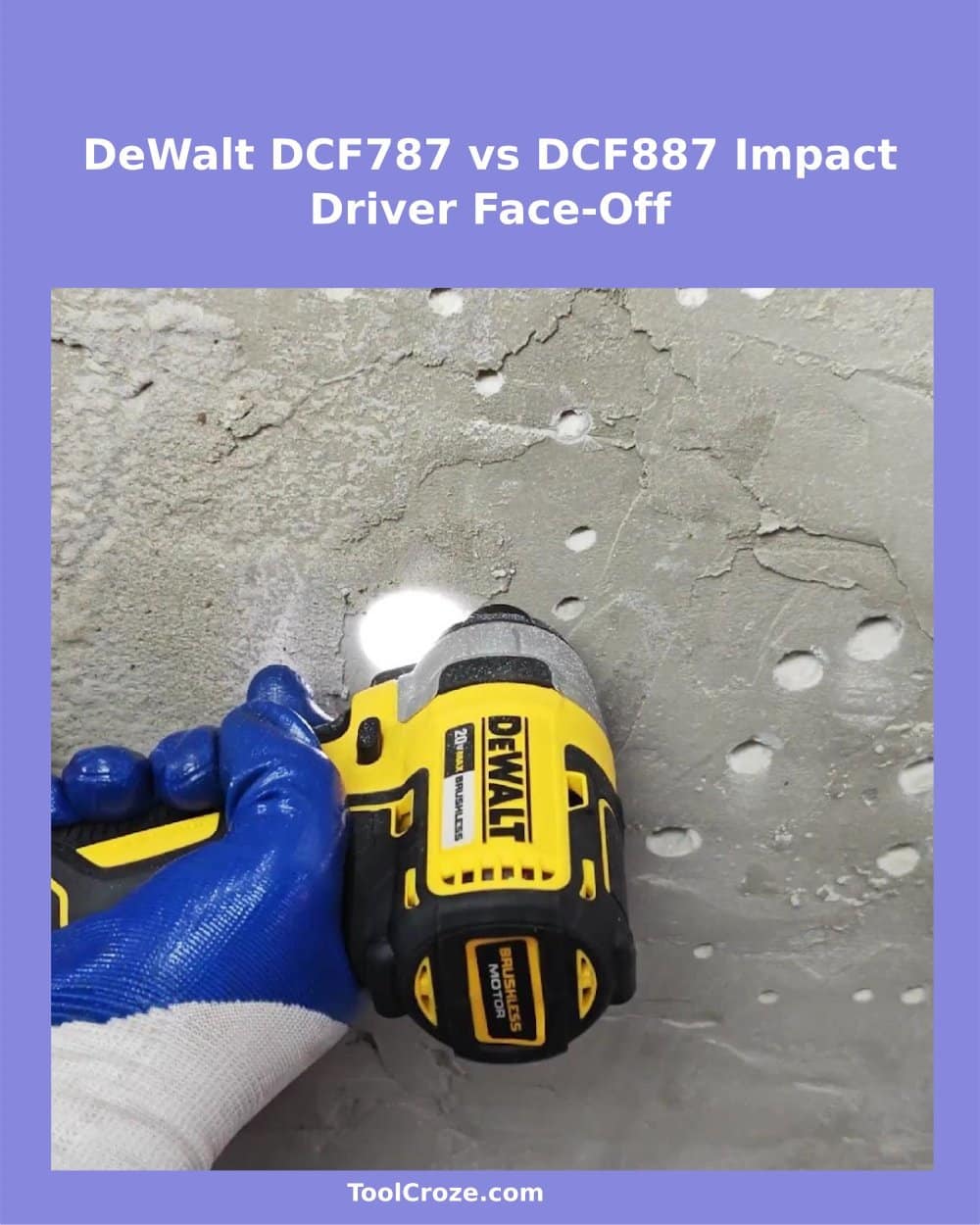
I searched for a good new efficient Impact Driver for some coming projects, so I compared the DeWalt DCF787 and DCF887. Both 20V brushless tool from the same line, but the 887 costs a bit more. The best way was to buy them both and test them.
I did a series of tests and well, I ended with both in hand.
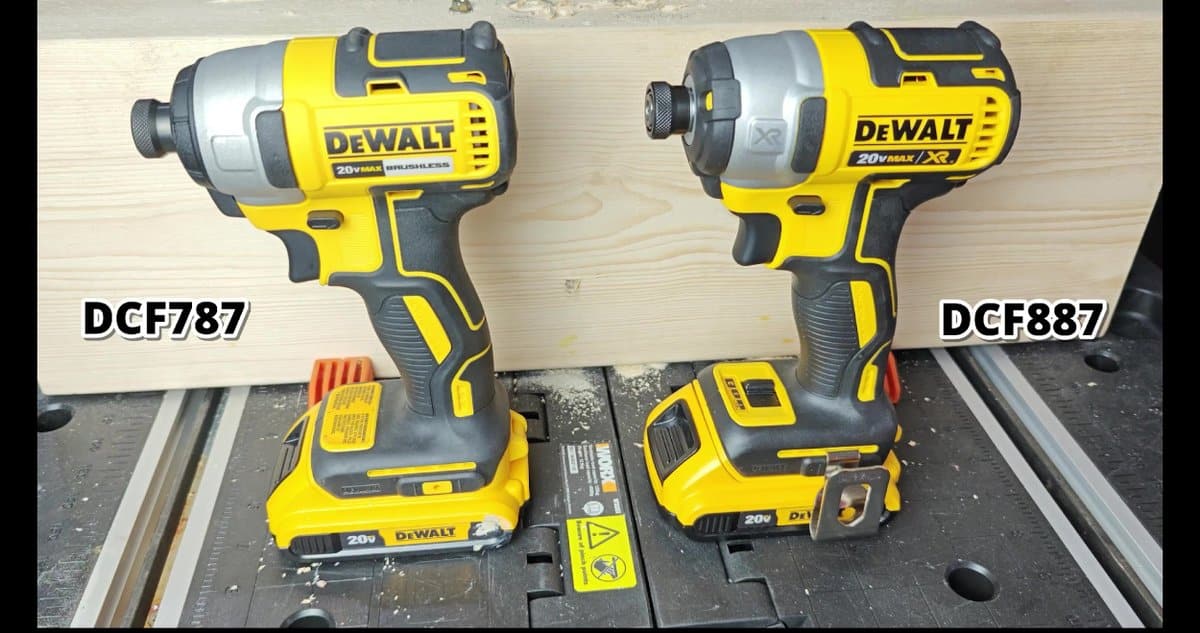
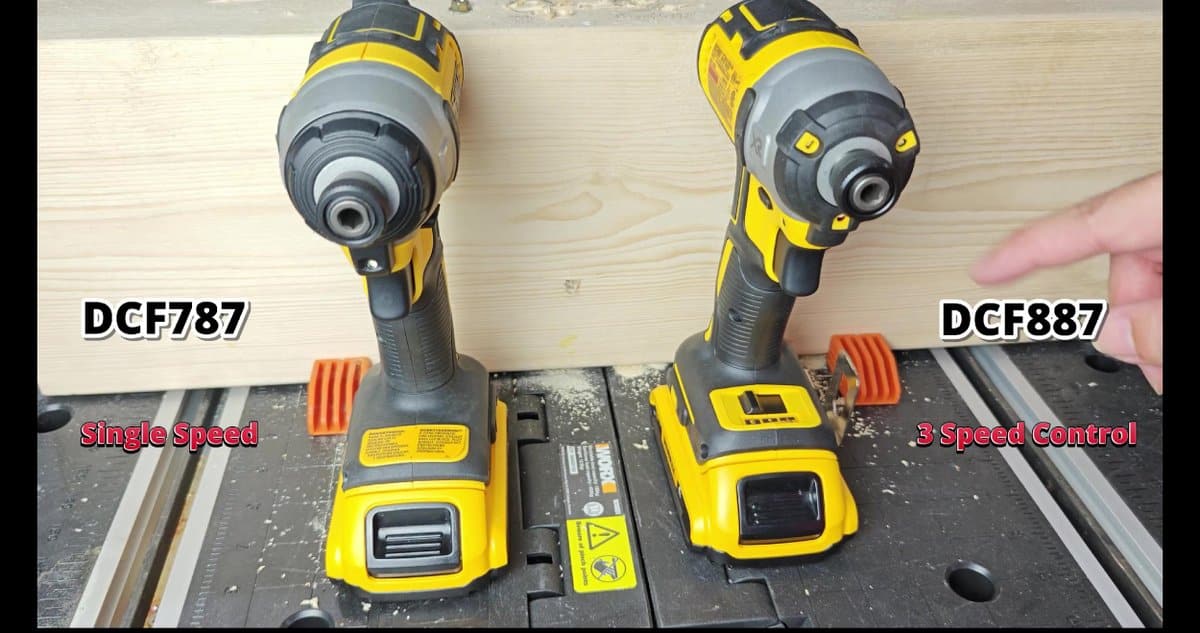
The DCF787 has no speed selector at all. The DCF887 though? Oh, that is another story.
It has three clearly separate speeds that one chooses easily with the thumb. Certainly a nice range from gentle work up to maximum force. It all comes down to having the right tool for the task.
DCF787 vs DCF887: Performance, Features, and Which to Choose
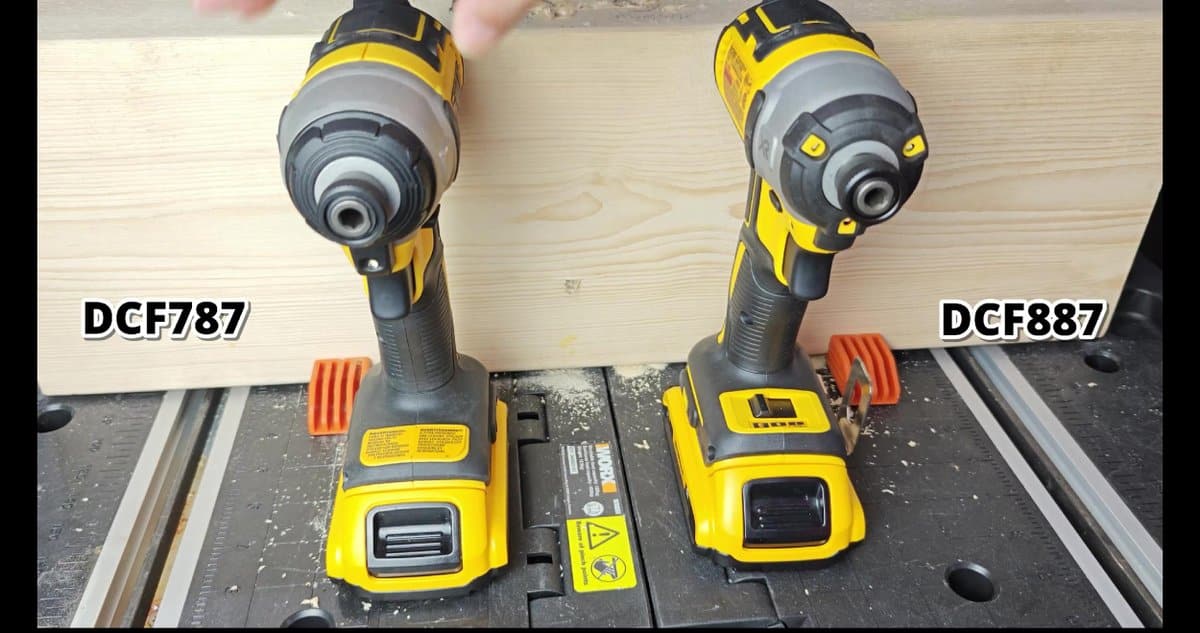
The three-LED setup on the DCF887 impact driver truly helps, when one needs to light the work area. Those three lights shine together, filling the area with light from several directions and eliminating the harsh shadows that commonly plague one-LED designs like the DCF787. It is simple, but good improvement that shows itself especially useful in narrow places or during work up.
Certainly a nice detail that improves the whole use.
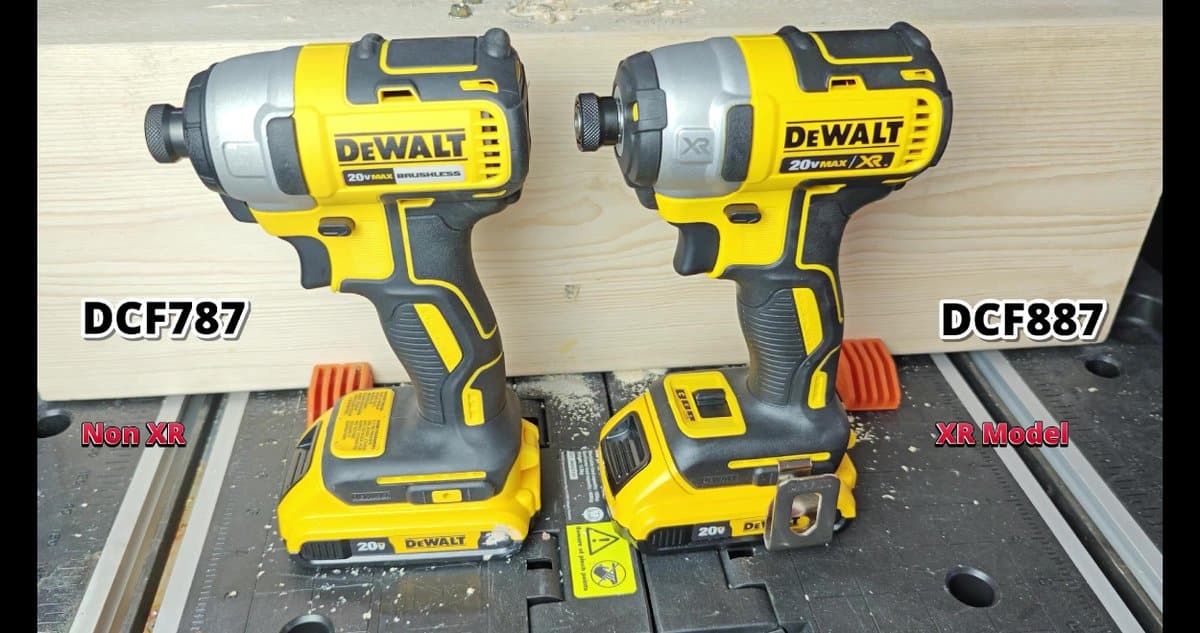
The BRUSHLESS MOTOR were a key factor for me. Without those annoying carbon brushes, the tools run more easily and for longer time, without quickly wearing out. One sees "BRUSHLESS MOTOR" stamped clearly on the back.
The basic technology is the same, although the specs a bit differ between the 787 and 887.
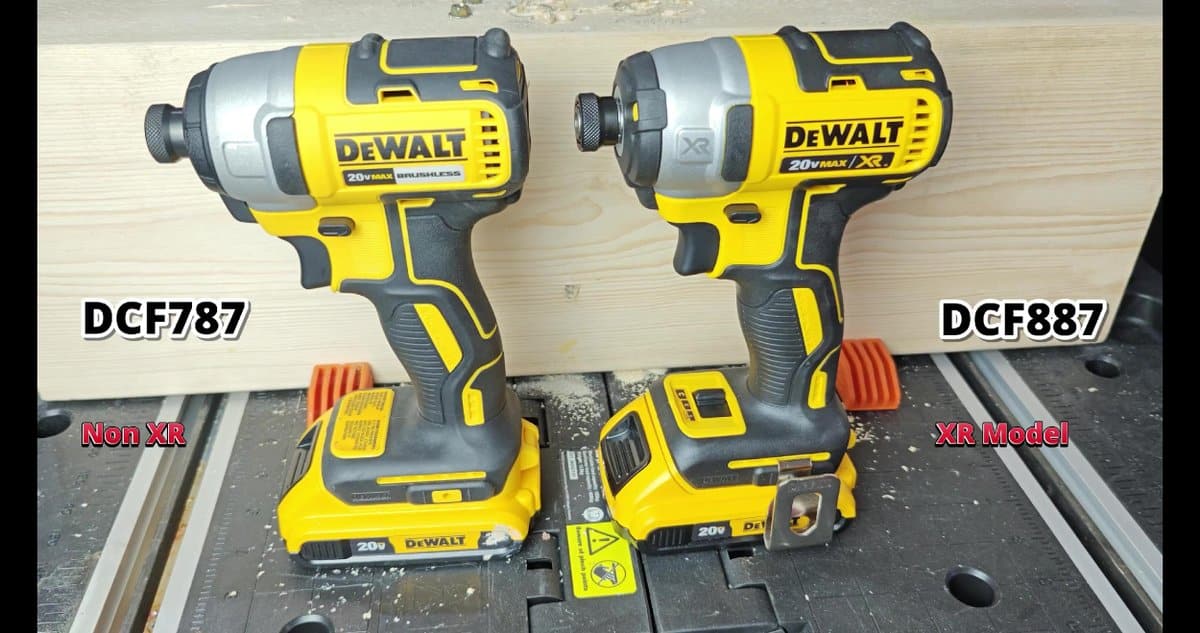
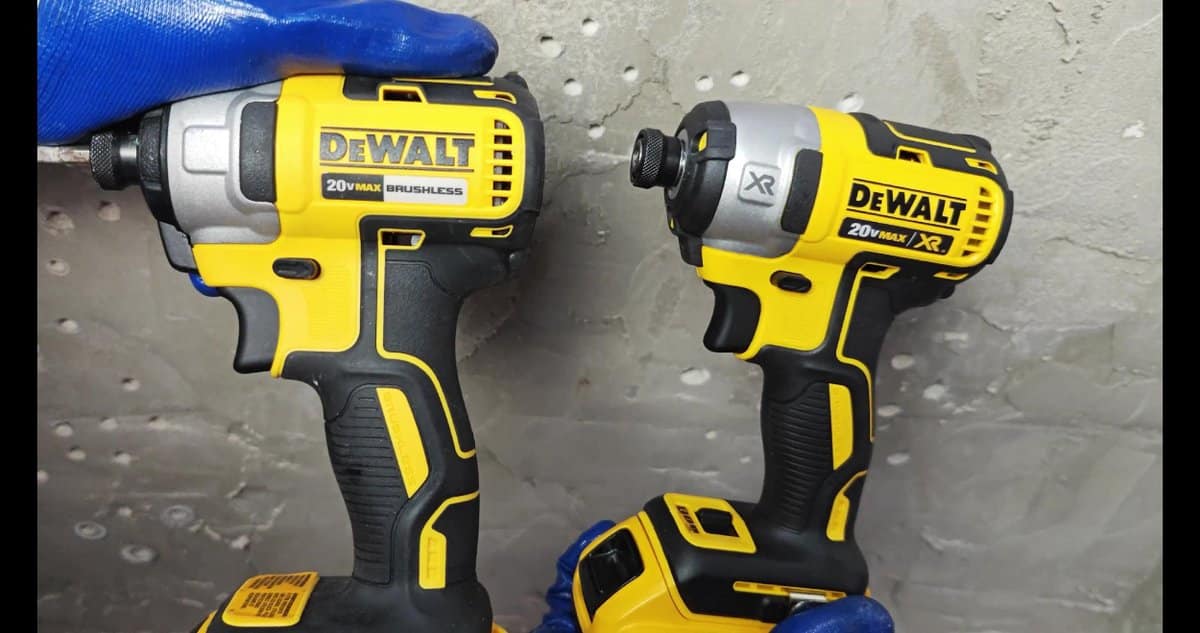
Ah, the model names that always first grabs my attention. This is labeled as 20V MAX brushless, for the DCF787. But the XR-variant, the DCF887, is the better offer from DeWalt.
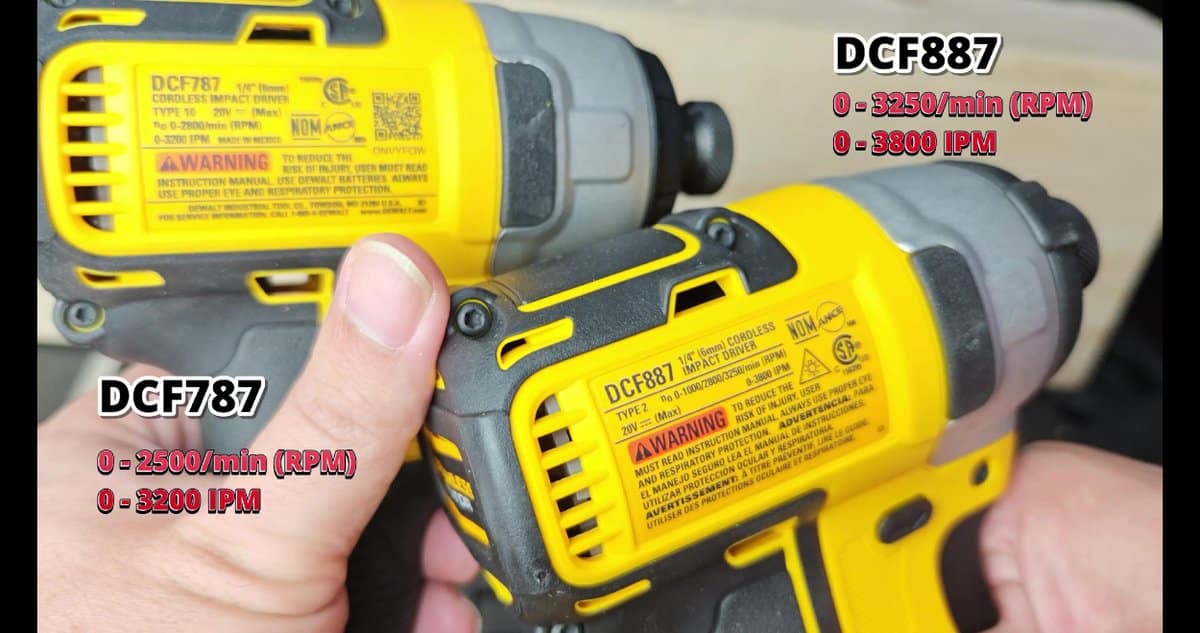
That XR-tools usually have a bit more power under the cover. And the specs after it, the DCF787 reaches max 2500 RPM and 3200 impacts per minute, while the DCF887 goes up to 3250 RPM and 3800 IPM. That extra speed and impact truly helps, when one must drive heavy screws in strong material.
The job just gets done faster with the DCF887. These brushless models are clearly is the upgrade of the old style.
We took some long screws for the test to see how the specs affect the actual use. With full batteries, we started both tools at the same time on the same screw and watched, which ends first. Simple experiment, I think.
The DCF787 went first, gripping the wood and pushing the screw inward steadily. One heard the engine work a bit more hard against resistance, but it stayed at stable speed. Because of only one speed, there was no way to boost the torque, when everything got hard, so simply let the tool work in its rhythm.
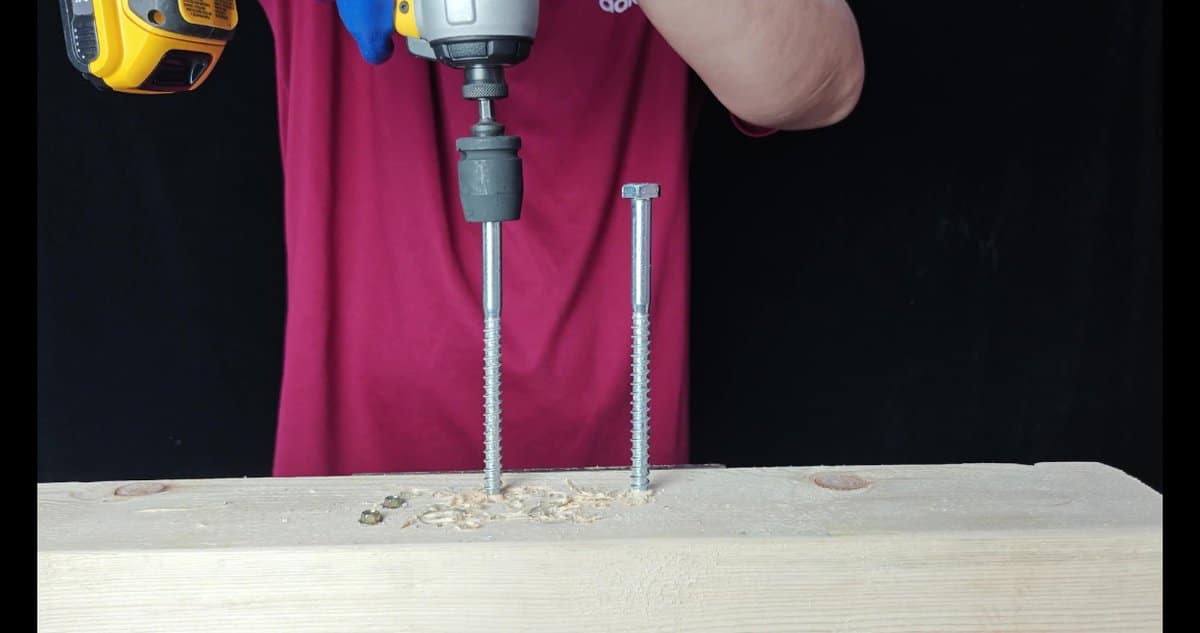
The screw moved slowly in the wood, the DCF787 pushing against the resistance. The pressure grew, and I had to hold firm, so that the screw does not slip out.
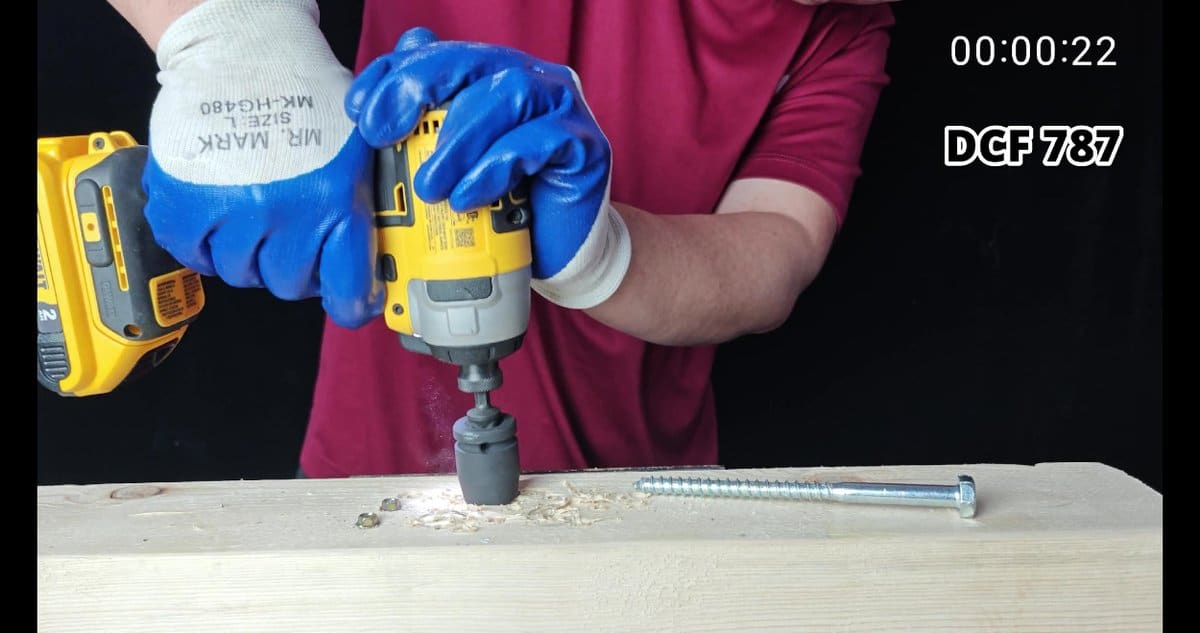
It went well, not too slowly, I think. It took 24 seconds to drive that screw in the soft wood, I expected that the DCF887 will be a bit faster, but the times are the times. Must check the actual results, at the end of everything.
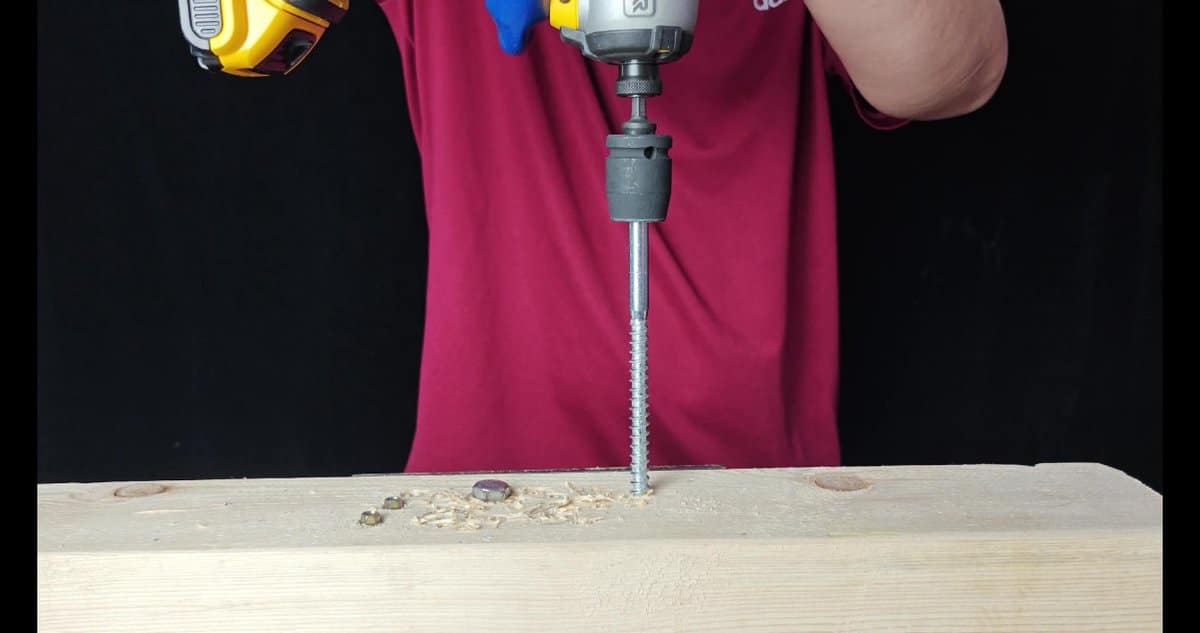
I set the strong DCF887 above the same screw in the wooden block. With good hold, I pressed the trigger and watched with surprise, as the tool kicked in, driving the screw at amazing speed. Clearly, the RPM and impacts were higher than at the 787, this machine seriously worked.
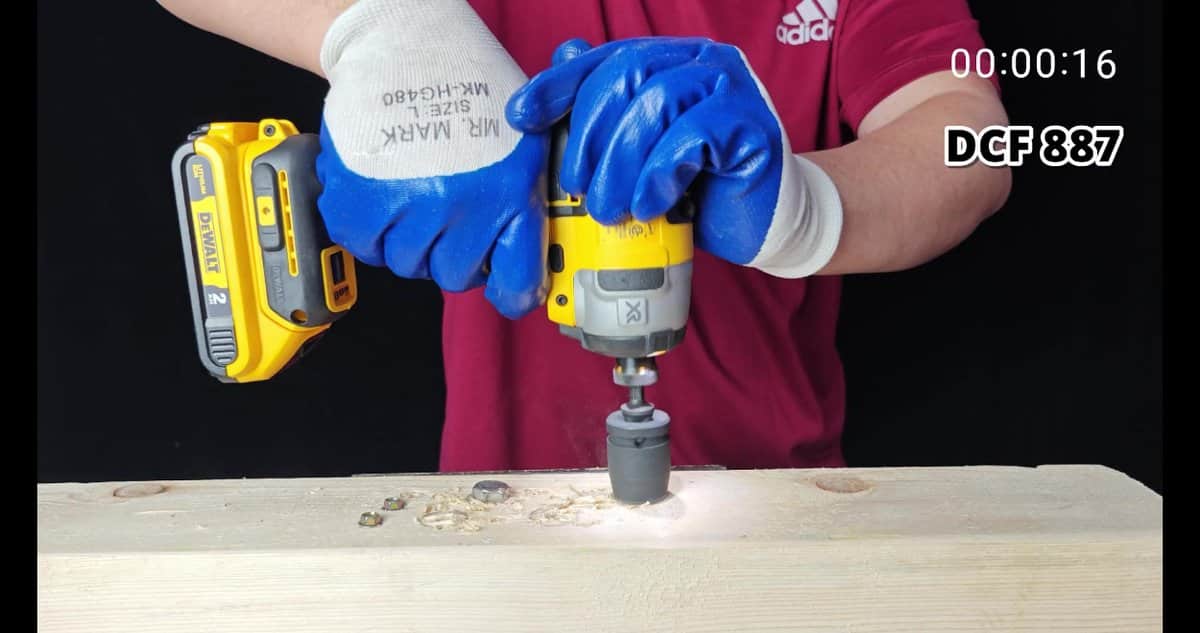
The DCF887 showed itself a real time saver, driving screws in a flash. That 25% time difference would really add up during a whole work day. One must love such efficiency.
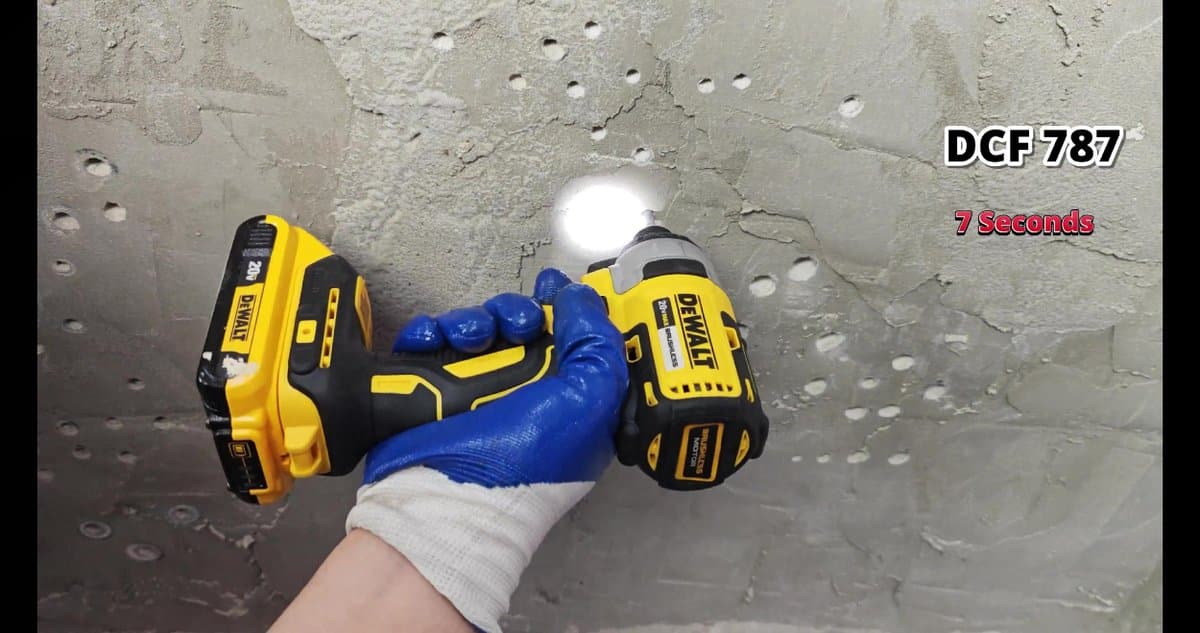
Well, so it was time to test the strong driver in various speeds with some concrete wall. I found an old wall with pre-drilled holes and marked some new places for tests. I took the DCF787 with the right bit and tried to drive those concrete screws.
I think that magnetic bit holder truly helped to sort everything and line the screws up right.
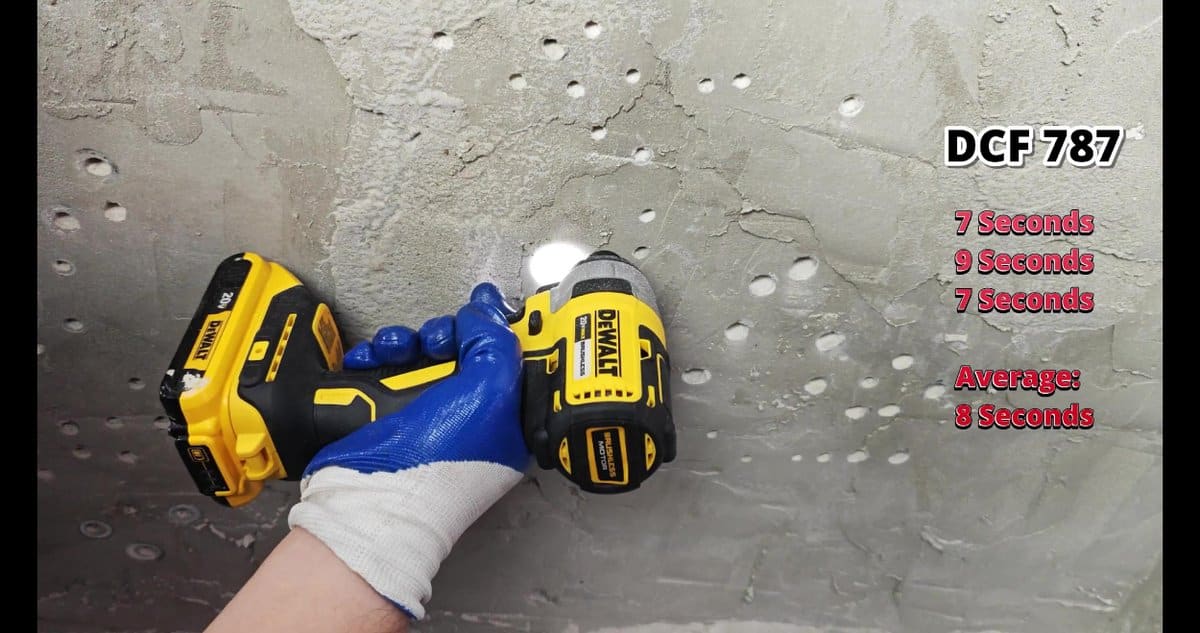
I started timing, and the first concrete screw began to enter. The LED-lights of the DCF787 lit the place, making the alignment easy. With some tough blows, the screw went well in the hard concrete.
Driving screws in heavy stone truly tests the tool. By my count, that first was fully in it in only seven seconds.
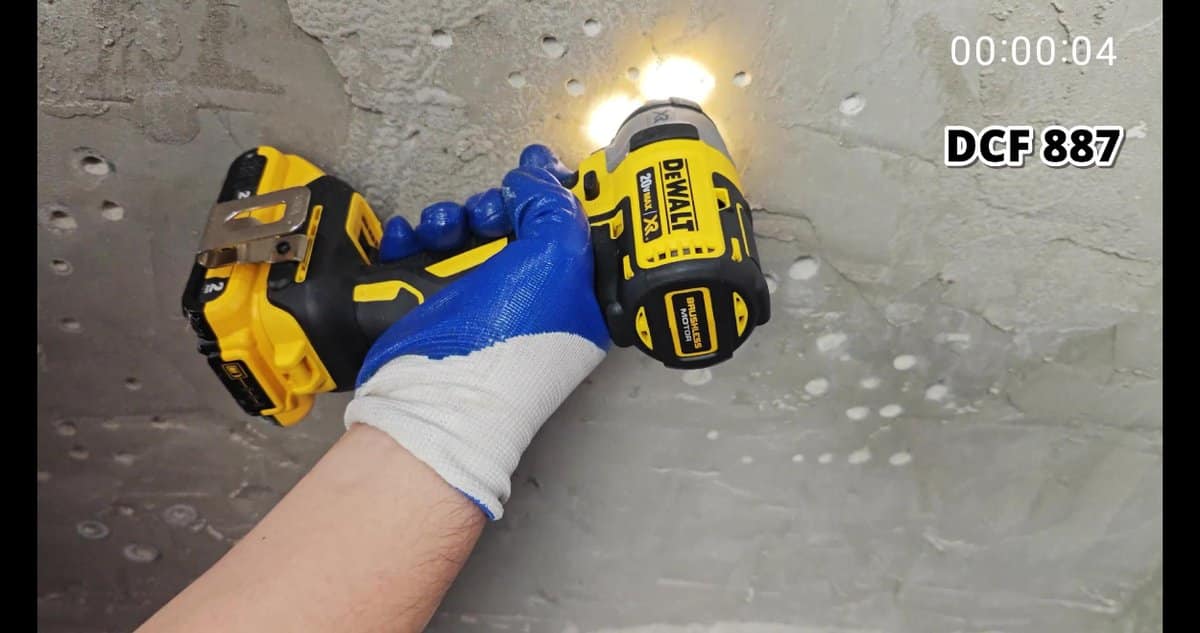
I did two more concrete screws with the DCF787 to have a reliable average. The second took 9 seconds, the third 7 (so around 8 seconds each screw), more or less. The one-LED light was enough, although I had to move a bit to see well.
Not bad at all.
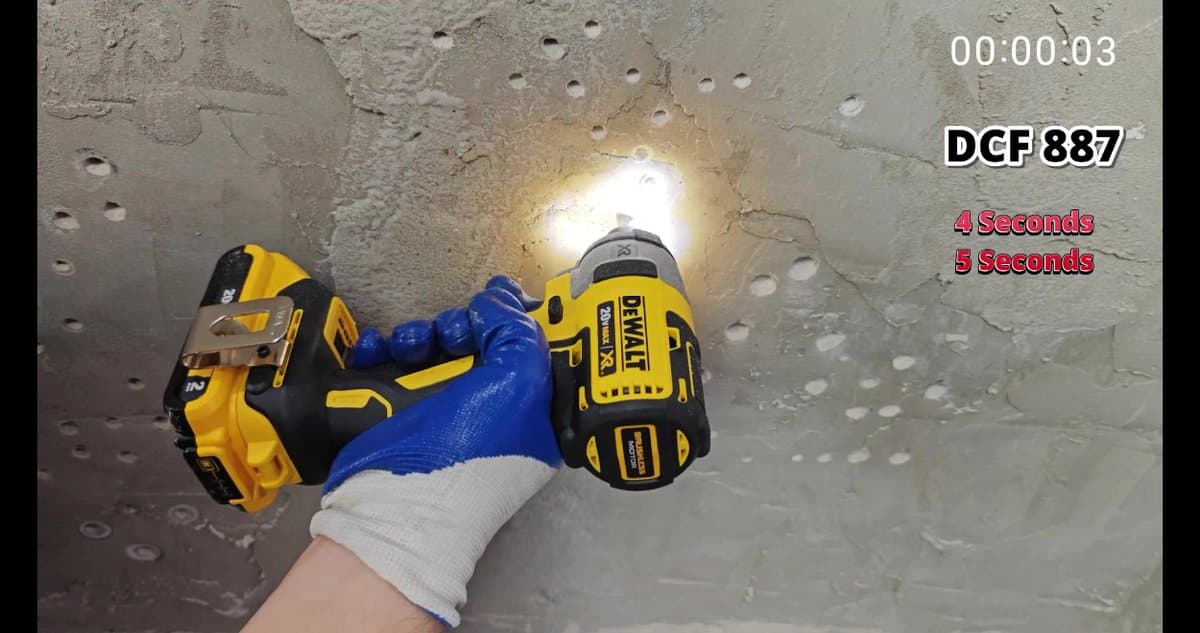
The switch to the DCF887 was a big change. The three lights nearly removed shadows around the hole, making it easy to see, where the screw goes. No need to turn the head hard, the visibility of this is truly practical.
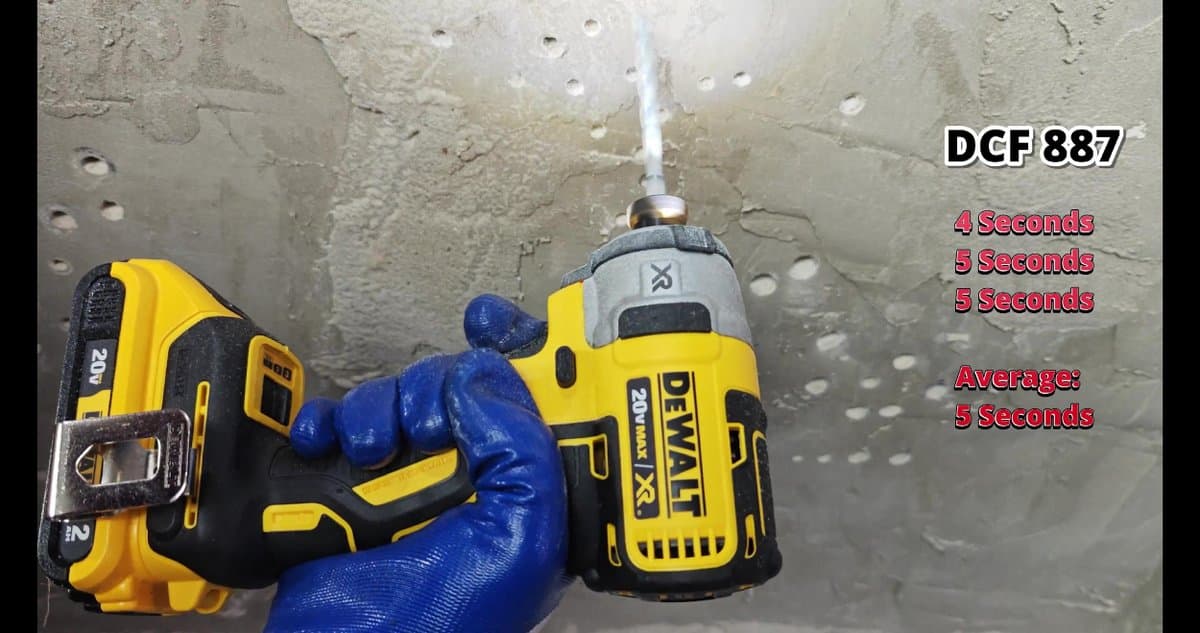
The DCF887 screwdriver proved its value, with strong torque and impacts that drove the concrete screws in only 4-5 seconds on average, impressive! The DCF887 has a clear advantage over its older model, when it comes to speed. Both models handle driving screws and concrete wall well, thanks to fresh brushless engines and good battery life.
Seeing the results, the DCF887 seems to be a better choice.Choosing between these two impact drivers depends on your needs. The DCF787 is a reliable tool that can work all day without problems. It works for simpler jobs or if one does not need maximum, and the low price attracts.
On the other hand, the DCF887 is worth the extra cost for anyone who needs more from their impact driver. For professionals or those that commonly do heavy tasks, I think the DCF887 is the better buy. The versatility and strong torque makes it worth it, in my experience.
