

Woodworking without the use of jigs is like trying to paint a straight line on a piece of paper by hand while you are on a unicycle. You might get it done once or twice but it will be frustratingly to do it over and over again without success. Using the right jig in the workshop will allow a woodworker to automate a particular task.
This means that the woodworker will no longer have to focus on fighting with there tools but rather focusing on the wood itself. Given the number of pieces of furnitures, cabinets, and sculptures that a woodworker can make over the years, there are only a few jigs that will save that woodworker time, money, and effort. These tasks will produce results that can compare to the output of a furniture factory that has much more moneys to spend on buying tools and wood.
There are a few jigs that will provide the biggest improvements to the workflow of a woodshop with the smallest investment of money or shop spaces. Most of the best jigs dont need to be complicated. The best jigs use the simplest of mechanical principles to solve a common problem in woodworking.
Once the woodshop owner understands how a jig works, their mind will begin to formulate new ideas of ways to use the jig on other projects.
The Best Woodworking Jigs for Your Shop
1. Crosscut Sled
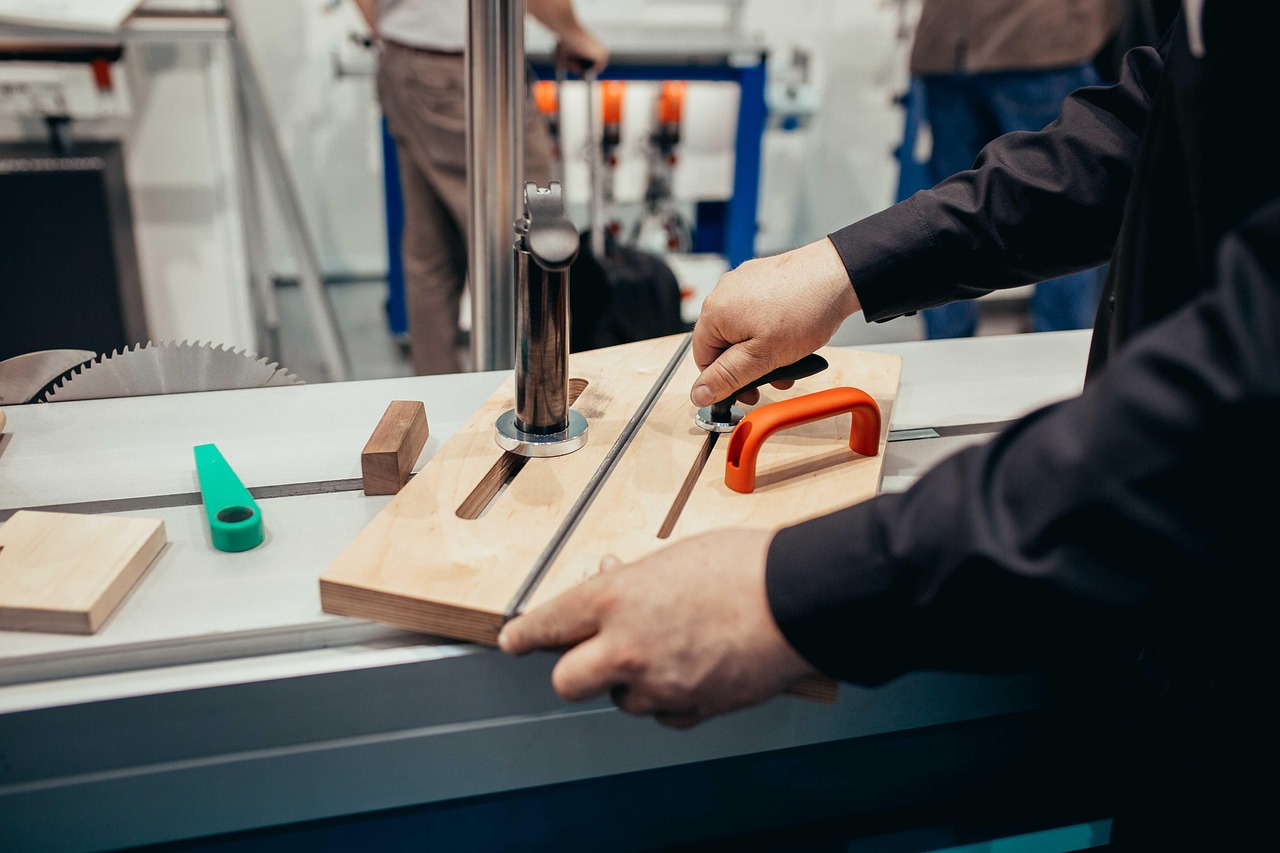
The crosscut sled is perhaps the most useful jig that a woodshop can create on its own. This jig can replace the use of the miter gauge on the table saw for almost every cut that is made on the saw.
The crosscut sled will allow the woodshop owner to recieve perfect 90-degree angle on their cuts. The crosscut sled consists of a large piece of wood that is placed into the miter slots of the table saw. It features a fence on the back that holds the wood in place while the workpiece passes by the saw blade.
This crosscut sled jig can be used to cut both small parts as well as long boards of wood. The jig will allow the woodshop owner to set a stop block on the fence so that two identical piece of wood can be cut at the same length. This will be especially useful for tasks like making drawers or shelf brackets.
The first time that a woodshop owner uses a crosscut sled instead of struggling with the table saws miter gauge, they will be amazed at the improvements in the process. Building a crosscut sled takes one afternoon and some scrap plywood. The crosscut sled will last for many decades in the workshop.
When building the crosscut sled, make sure to leave space for the saw blade’s kerf when attaching the fence to the crosscut sled. Using hold-down clamps will be useful for cutting thin pieces of wood. Next in line is the box joint jig.
2. Box Joint Jig
This jig is another that will automate a task that a woodshop owner would otherwise find difficult to accomplish. The jig features interlocking fingers that allow for the two parts of a box joint to become glued and locked in place. These interlocking fingers look impressive on the finished joint.
The basic version of the box joint jig features a wooden fence with a pin that help to register each joint cut by the saw. When a box joint jig is used for producing several identical items like drawers or chests, the jig will automatically cut the two sides of these joints so that there is no need for any layout marks. The width of the interlocking fingers can be adjusted by changing the size of the pin.
However, the pin should not be more than half an inch in width or it will look clunky on the finished project. Patience is a skill that will be required when first setting up a box joint jig. If any of the teeth of the interlocking fingers are not properly aligned, each joint that is made will display the error in the setup of the jig.
However, once the jig is set up correctly, the process will become almost meditative in its repetitive efforts. A push pad should be within reach when using a box joint jig since the hands will come closer to the saw blade when using this jig. Next to consider is the purchase of a dovetail jig.
3. Dovetail Jig
This tool is another that will automate a process that is difficult to accomplish without it. Commercial dovetail jigs come with finger templates and guided routers that will take a woodshop owner from cutting a dovetail to cutting a half-blind dovetail in a matter of minutes. The dovetail jig can be adjusted to allow for a tight fit in the joint.
However, since wood species vary in thickness, this adjustment will be useful in allowing the tails to slide in and out of the pins properly. Dovetail jigs are perhaps more complicated than the other jigs. Woodshop owners who are enthusiasts in the craft will agree.
However, the results will be impressive on the final products and will be useful in a shop that makes multiple identical cases for a kitchen. The downside to using a dovetail jig is that the thickness of the wood that is cut with the jig is limited so plan the thickness of the project before buying wood. For tasks that involve edge work, the ripping jig will be the best for a woodshop owner.
4. Ripping Jig
Whether the wood feature a live edge or the edge of the wood is crooked, a ripping jig allows the woodshop to use a table saw to perform this work. To make a ripping jig, a woodshop owner simply needs to make a fence with a straight edge. A workpiece will be clamped against this fence while the edge of the piece is against the saw blade.
Ensure that the fence for the ripping jig is made of a perfectly straight piece of wood. Once the ripping jig is built, the edges of the wood that are cut will need nothing more than sanding. Woodshop owners who discover the ripping jig will find that they no longer have to purchase dressed boards for their projects.
They can save money by buying rough-cut boards. This will also allow woodshop owners to work with different species of wood that are not as commonly purchased in dressed form. A tapering jig will also be of use to woodshop owners.
5. Tapering Jig
This jig will allow for pieces of wood to be cut to have a narrowing aspect from one end of the board to the other. Tapering jigs are most commonly a set of two boards that are hinged together at the wide end of the boards with a stop. These jigs can be used to cut identical pieces of wood with the same taper from one end of the board to the other.
Using a tapering jig will be especially crucial in projects involving pedestal tables or chair legs with a specific angle. The cutting of these angled legs will require the use of the tapering jig so that there are no difference between each piece of wood. Using a tapering jig will also be useful for cutting angles in a panel of wood if an auxiliary tall fence is also added to the jig.
When using the tapering jig, ensure that the offcut side of the board will not pinch against the saw blade when cutting wood with a certain taper because this can cause kickback. Ensuring that a splitter or zero-clearance insert is included in the jig will help avoid this problem. The mortising jig is another tool for the woodshop owner.
6. Mortising Jig
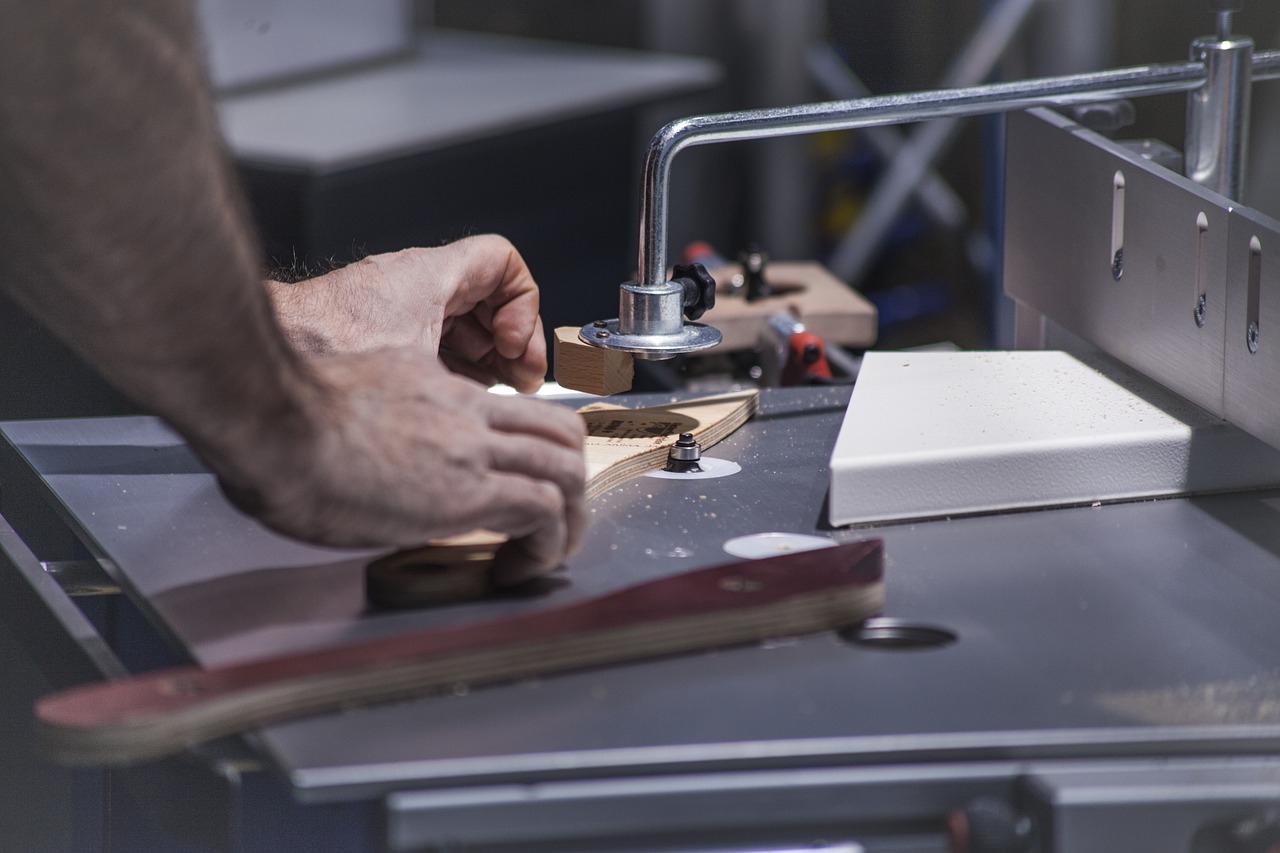
When a woodshop owner has to cut dozens of mortises in a weekend, the mortising jig will make their life easier. Whether it is a dedicated hollow-chisel machine or a template jig using a router, the mortising jig will guarantee that each mortise cut is perfectly parallel to the face of the wood. The mortising jig will also guarantee that the mortises are located at the same place on each piece of wood.
Each tenon will easily slide into the mortise without any need to force them into place. A mortising jig can be used to cut the mortises before or after the shaping of the parts to be joined. The woodshop owner can choose to purchase a commercial mortising jig or they can choose to build a plywood template that goes with a plunge router.
The plunge router takes more time and creates more dust in the workshop. Doweling jigs are another tool that a woodshop owner can invest in.
7. Doweling Jig
In an age where complex joinery is used, the dowering jig will save time for the woodshop owner.
A doweling jig allows for two holes to be drilled in the two parts of a project that need to be joined together so that dowels can be inserted into each hole. The doweling jig will allow for two parts to be joined together edge to edge or edge to face. The use of doweling jigs will be of special use to the woodshop owner when fixing mistakes or reinforcing a joint like a miter joint.
Doweling jigs will also be useful for making knockdown furniture that can be transported in a flat case and assembled with a mallet. The only downside to doweling jigs is that the dowels will add end grain to the finished project. This can be avoided by using plugged holes to fill in the exposed dowels as a decorative element.
Another jig that can be helpful for a woodshop is the router planer jig.
8. Router Planer Jig
This jig will solve a problem that most small woodshops face: flattening wide boards of wood. Using a router planer jig, a woodshop owner can flatten slabs of wood with the same ease with which a commercial shop might flatten such a board with a giant jointer plane.
The jig’s two metal rails reference the highest point of the slab. Then the rails are progressively lowered until the entire piece of wood is flattened to the same plane. Using the planer jig with a router will allow woodshop owners who are enthusiasts in making furniture like bowls or live edge tables to do so without having to purchase the expensive industrial equipment.
The router planer jig can be stored flat against the wall in a workshop. It can be built in a few hours. However, since routers cut in circles when planing wood, the planer jig will require the woodshop owner to use hand tools to sand the final plane of the wood.
Finally, the assembly jig or squaring station will be of special use to the woodshop owner.
9. Assembly Jig or Squaring Station
This jig can be as simple as an MDF table with two fences that are set to the same angle. This assembly jig can be used to clamp cases, frames, or boxes so that they stay square while being glued together.
If toggle clamps are added to the assembly jig, the woodshop owner can assemble several different pieces of furniture in the same time that it would have taken to assemble just one piece. The assembly jig will be especially useful when the woodshop owner is tired at the end of the day and their eyes may not be the best in catching a small error in the assembly of the project. The assembly jig will remove any doubt about the accuracy of the assembly.
The assembly jig is also helpful for dry-fitting a project before assembling it. Building the assembly jig once and making it dead square will ensure that it will serve that woodshop owner faithfully for many years. These jigs will not replace your skill and creativity, but they will remove the variables that will frustrate you and waste your wood.
Start with the crosscut sled if you only can make one jig, and then add on other jigs as your projects demand their use. Adding on jigs gradually will give you the best work with less stress. Making great work with less stress is the point of woodworking.
The wood deserves your full attention and doesnt deserve your constant wrestling with tools that are not up to the task.
