
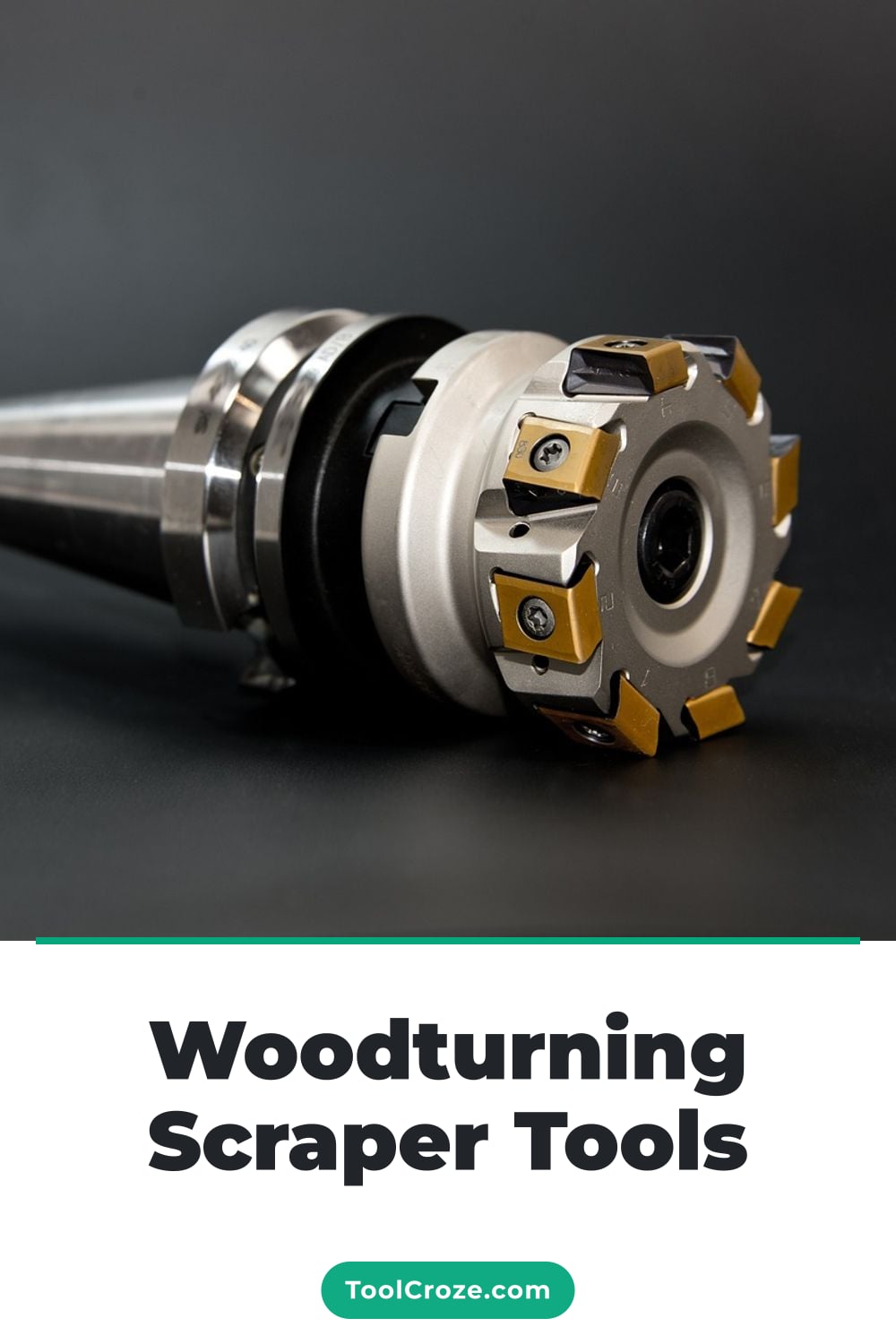
Woodturning scrapers are tool that are used on a wood lathe. They perform many different task on the wood while on the lathe; however, scrapers is often use to create the final surfaces of the woodturning projects that are created. While many woodturners use fancy gouges to perform their woodturning projects, woodturning scrapers often perform the most important task to create the final project.
Despite their simplicity, woodturning scrapers has the ability to control the wild grain of the wood and to clean up the torn end grain of the project being performed. When used correct, the scrapers will produce a surface that requires very little sanding to achieve the desired project. Yet, many woodturners do not treat these scrapers with the importance they deserve, opting instead for one blunt piece of steel over another.
The difference between feeling frustration while performing woodturning tasks versus feeling a smooth flow in their woodturning projects often come down to the importance of using the correct scraper tool for the given project. The shape of the scraper, the angle of the scraper, and the presentation of the scraper all plays a vital role in the performance of each tool. If a woodturner learns how to properly shape the scraper, the angle of the scraper, and the presentation of the scraper, the scrapers will act as an extension of their hands and will not cause any frustration when used on a project.
The article explains the different types of scrapers that a woodturning instructor should know and understand.
Common Types of Woodturning Scraper Tools
1. Round-nose Scraper
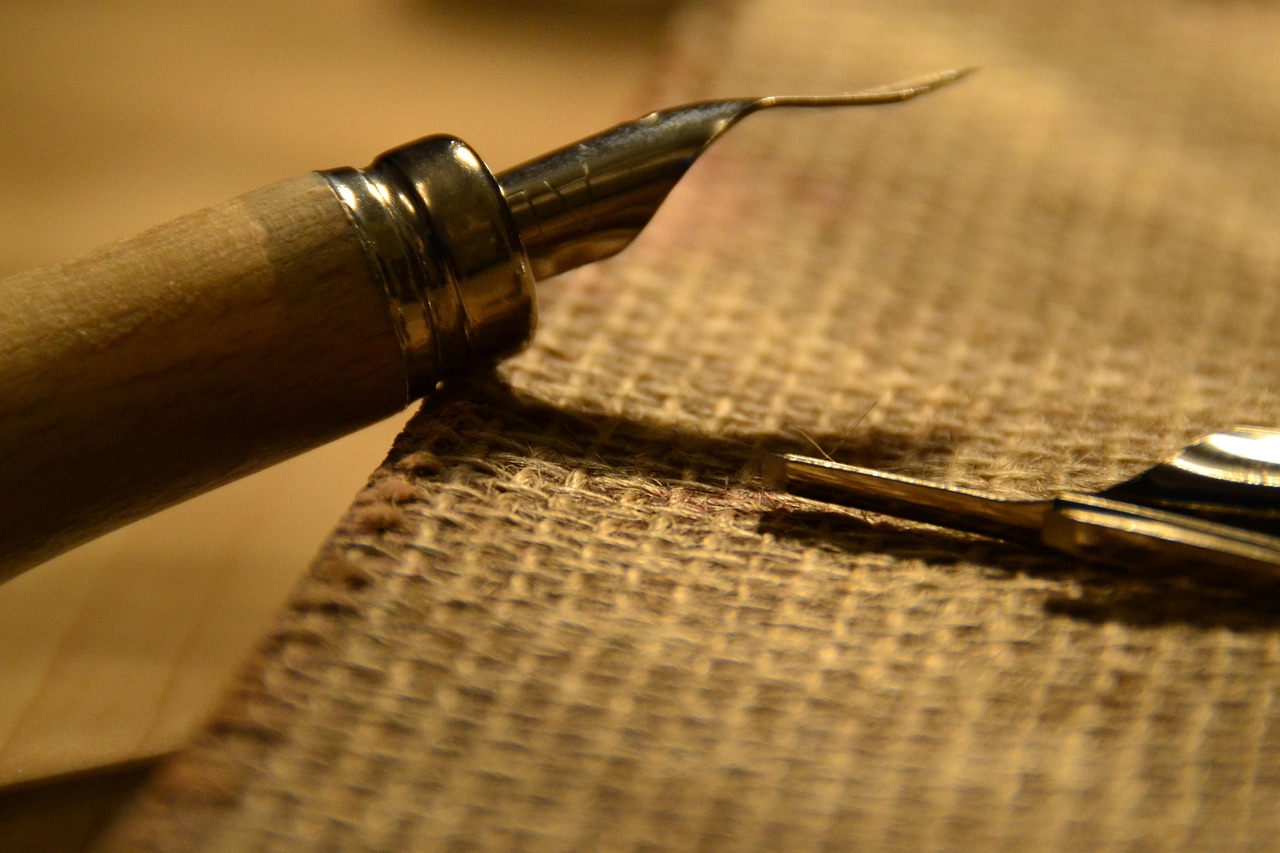
The round-nose scraper is one of the most commonly used scrapers for woodturners. The round-nose scraper has a sharp curved edge that allow the tool to perform tasks on the inside and outside of a project.
Many other sharpening tools may leave steps on the turned project, but a round-nose scraper does not. A round-nose scraper can be used on bowls, hollow forms, and even spindles. Due to the curved edge of the tool, the angle of the tool will not commonly cause the tool to catch on the wood.
What many woodturners do not consider is the bevel angle that they use with their round-nose scrapers. If the bevel is set at a 70-degree angle, the tool will remove more stock from the project. However, if the bevel is sharpened to an 80-degree angle, the tool will produce a finer cut to the wood.
A round-nose scraper should be even or slightly above the center of the lathe rest. Furthermore, the edge should trail only a few degree below the workpiece. Only at this specific point will the scraping of the wood occur.
This small detail explains the reason that some woodturners enjoy round-nose scrapers yet many complain of the chatter that these tools create when used incorrect.
2. Square-edge Scraper
The second most common scraper that woodturners utilize is the square-edge scraper. This tool is primarily used for creating flat surfaces and detail.
These sharp edges can be used to cut the rim of a platter or the tenon of a wooden project. The corners of this tool are often ground to a radius so that the corners do not catch against the wood while performing tasks. The most important presentation for these tools is the angle that the tool is held.
If a woodturner holds the square-edge scraper so that the edge trails five degrees below the horizontal plane, the tool will shear the wood rather than scrape it. If the angle is too flat, the tool may chatter. However, if the tool is presented too steeply, the tool may excessively grab the project.
Once the right angle is found, the scraper will create a perfectly even surface that is ready to be sanded or finished. The square-edge scraper works best on denser woods like cherry and maple because the gouge may tear the wood to these woods.
3. Skew Scraper
The third most common scraper is the skew scraper.
Unlike the skew chisel that is used for slicing the wood, this tool is sharpened to perform in a scraping mode. This angled edge allow the tool to reach into the corners and undercuts of the wood project. Commonly used by those that produce boxes or lids for boxes.
Due to the angled edge of this tool, it will naturaly want to pull the wood apart in the same direction. To combat this, the woodturner must find a way to balance the hand pressure with the tool rest so that the tool does not fight against the scraper. Most woodturners will find it easier to use this tool if the edge is ground to a 60-degree angle rather than the 45-degree angle of a traditional skew scraper.
By grinding to this angle, woodturners save themselves hour of sanding the project and often have lids that fit perfectly onto their wooden projects.
4. Swan-neck Scraper
The swan-neck scraper is mainly used in the hollow forms of woodturning projects. This scraper has a hooked profile that allow it to reach into narrow openings in the project.
The straight tools that are common in the workshop may become stuck in these narrow openings, but the swan-neck scraper will not. Furthermore, the best swan-neck scrapers will have a gentle curve along the tool that allows it to work better with common hollow forms. Due to the hooked nature of this tool, it can be difficult to sharpen.
This is one of the tradeoffs of purchasing a swan-neck scraper. However, once properly sharpened, it will make hollow projects easier to clean up. Furthermore, the wood will melt away with this tool as it work along the project.
5. Parting Tool
Another tool that may be used as a scraper is the parting tool. This tool is mainly used to separate the wood project from the lathe; however, the parting tool may also be used to refine details on the project. Most woodturners will grind the end of the parting tool with a slight radius.
Furthermore, when placed into tight spaces, the parting tool can be used in the same way that a round-nose scraper is used. Due to the thin nature of the tool, it can reach into tight spots without damaging the project. Due to the narrow nature of the parting tool, it may chatter and vibrate.
Therefore, the parting tool must be dead on the center or slightly above the center of the project. Furthermore, it will be easier to manage the parting tool if it is rested against the tool rest. The results of using the parting tool will produce fine grooves and edges in the project.
Furthermore, the parting tool is easier to use once learned how to properly use the tool.
6. Specialized Profile Scrapers
Finally, there are the specialized profile scrapers. Woodturners who have specific projects that they perform often often make these scrapers at home.
For example, some woodturners may sharpen the scraper so that it matches the specific coves on the project; others may grind scrapers to match specific beads; others may even create scrapers that are shaped like tiny French curves. These tools may not be used as often as other scrapers, but when performed with wood project with difficult grain, they save hours of sanding and gouging the project. The time that it takes to produce these tools will pay dividends every time they are use.
The value of these specialized scrapers reveals the nature of woodturning and how woodturners can adapt their tool to their work rather than forcing the work to accommodate the tools. These scrapers that are ground to match specific curves indicate the understanding of wood that each woodturner has developed. Woodturning scrapers come in many shape and sizes.
Each woodturning scraper require a certain amount of skill, a certain angle, and a certain rhythmic motion when working against the spinning wood. Nevertheless, woodturners will learn how to properly use these tools with time. Once they do, the chatter that may plague woodturners while utilizing their projects will become quiet.
Additionally, the wood surfaces will be smooth, and the satisfaction that they feel while performing their projects will increase. Woodturners can start with any of the scrapers listed above. They should spend time with each scraper until they feel comfortable using each tool.
Then, they can continue to the next tool. Eventually, they will be able to reach for the proper scraper to perform a specific job without having to think about it. This is the goal of each woodturning woodturner.
At this point, the only tool that is needed is the wood; the wood will remain the same in the end, but woodturners will have invested the time to learn each skill to bring the project to completion.
