
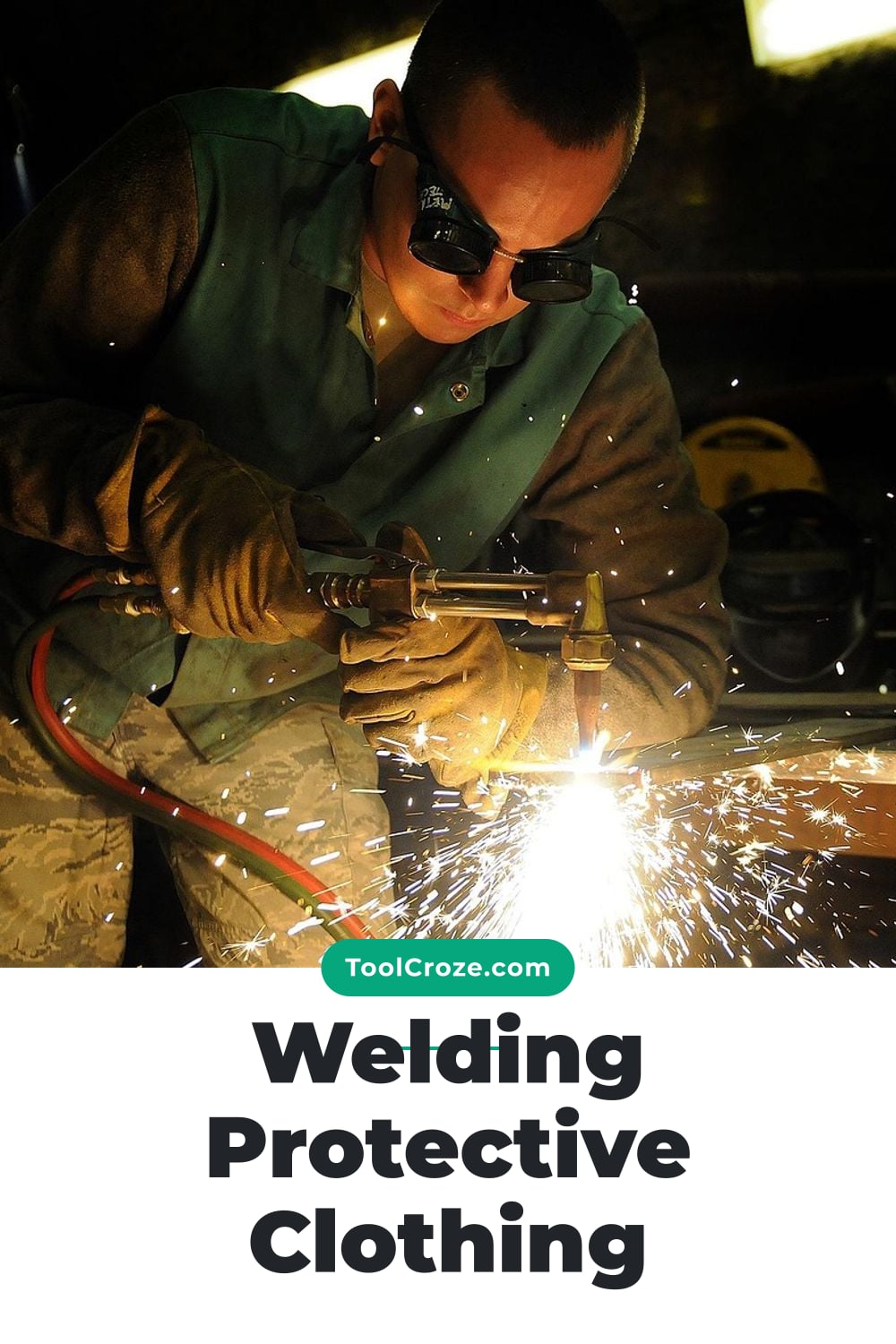
Welding arcs can reach temperatures that are hot enough to melt steels. The energy from welding arcs can blind individuals, can burn the skin through clothing, and can set clothing on fire. Welder’s protective clothing isnt an optional accessory, but the only thing that will keep welders from ending their shifts with a trip to an emergency room.
If purchased properly, protective clothing will allow welders to focus upon their welding tasks, rather than the burns that can occur on there bodies. Protective clothing come in many different varieties, each with particular properties that allow them to best provide protection to welders during their shifts. Protective clothing for welders can include clothing that will block ultraviolet radiation, clothing that resists ignition, clothing that sheds molten metal, and clothing that allows welders to move their body while welding.
Many welding shops use different brands of clothing that have been tested over time to ensure that they are able to protect welders from the welding arc while they are welding. The clothing that is used can include the following items:
Essential Types of Welding Protective Clothing
1. Leather Welding Jackets
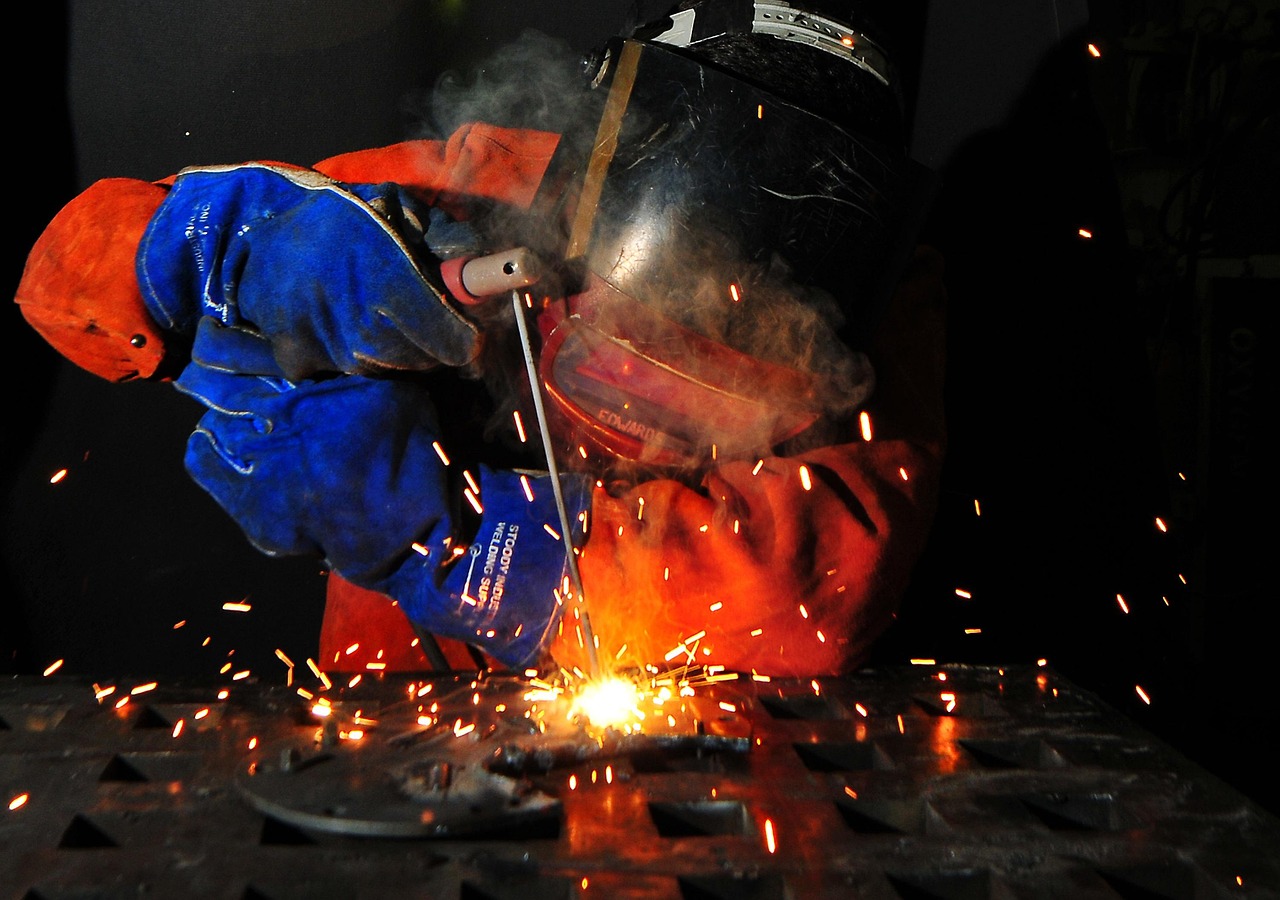
Welding jackets made from thick leather can handle the heat of welding sparks, as those sparks would burn through cotton clothing in a matter of seconds. The leather will char rather than burn, which prevents the welding jacket from transferring any heat to the body.
Welding jackets should go down to the welders’ wrists, as well as cover the area where the welders welding gloves covers. Such jackets may be heavy while being worn, but eventually become comfortable after a few hours of welding. However, since leather does not breathe, welders may want to wear ventilation garments or a cooling vest underneath their welding jacket, especially during long shifts in the summer months.
Additionally, since welders often wear such jackets in amounts that will last for several welding shifts, these garments will cost more initially, but will last longer than less costly alternatives made from leather.
2. Flame Resistant Shirts and Pants
Welding shirts and pants made from flame-resistant cotton provide another layer of protection. Such clothing is treated with chemicals that allow the clothing to self-extinguish when it is exposed to fire.
Additionally, flame resistant clothing weighs less than leather garments, and costs less than leather garments. Welders who desire greater comfort while welding, or who must move between welding stations throughout the work day, often wear such clothing. Such flame resistant clothing should have long tails to the shirts to ensure that they remain tucked into pants, and welders pants should not have cuffs to prevent them from catching fire to welding sparks.
Such clothing may wear down over time due to the chemical treatments to the fabrics, so they should be replaced periodically.
3. Welding Gloves
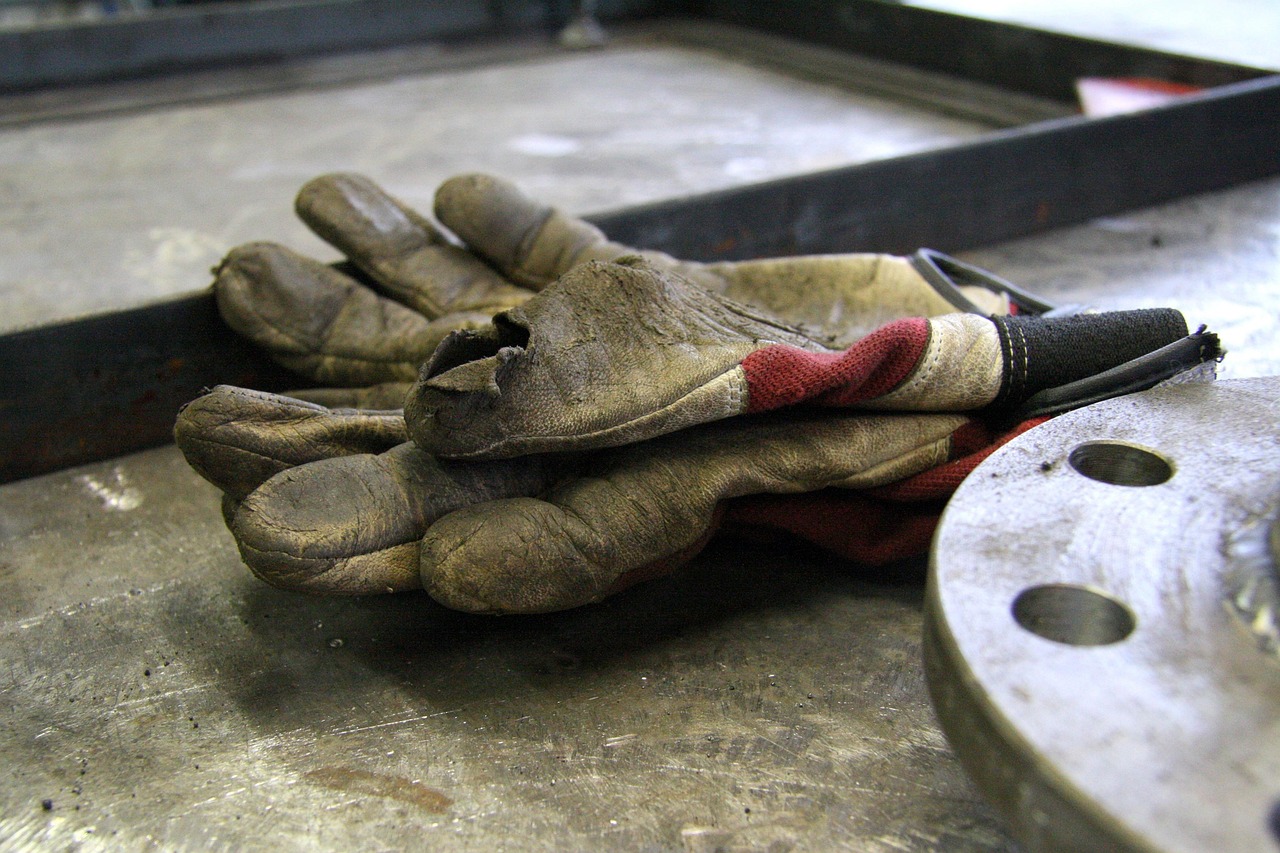
Welding gloves come in a variety of different styles and weights. Welders who use stick welding techniques must use welding gloves that extend past the wrist to cover the forearms.
For welders who use MIG and TIG welding processes, welding gloves need to be shorter to enable a welder to have better control of the welding process. The leather for welding gloves can be made from goatskin or deerskin. Deerskin provides welders with better feedback when welding, but has slightly less resistance to abrasion.
Additionally, welding gloves that have double-stitched and welted seams will prevent sparks from entering the gloves. Welding gloves should be replaced the first time the welder feels the glove begin to thin at the palm area, as a single pinhole in the gloves can create a burn at the site of the weld.
4. Split Leather Aprons and Leggings
Aprons and leggings help to protect the areas of the body that are most at risk of being burned during the welding process.
Split leather aprons can cover the upper body and the thighs of the welder, where slag may fall onto the body. Leggings, also referred to as chaps, can be worn over each leg of the welder, and each pair of leggings have buckles to fasten the leggings over each leg. Leggings are useful for welders who must weld in different positions from the welders position, or those who must perform welds on materials that are suspended overhead.
Like aprons, leggings are lighter than a welding jacket, and leave the upper back and sides of the body exposed to the welding fire. To avoid this risk, welders may choose to wear aprons and leggings over a flame resistant shirt.
5. Welding Helmets
Welding helmets have undergone many changes from the old designs of welding helmets.
Moddern welding helmets have auto-darkening lenses that react to welding fires, allowing welders to view the welding areas clearly before welding begins, but automatically darkens after the welding arcs are initiated. Welding helmets with true shade ranges between 9 and 13 will allow welders to view welding areas without straining their necks, since the welder will not have to continually adjust their welding helmets during the welding process. The newest welding helmets weigh less than two pounds, and include air filtration options to protect welders’ lungs from fumes in fabrication workshops.
Though welding helmets are not cheap garments, they pay for themselves due to their comfort, as well as the ability of the welders to avoid making mistakes from poor visibility of the welding areas.
6. Welding Boots
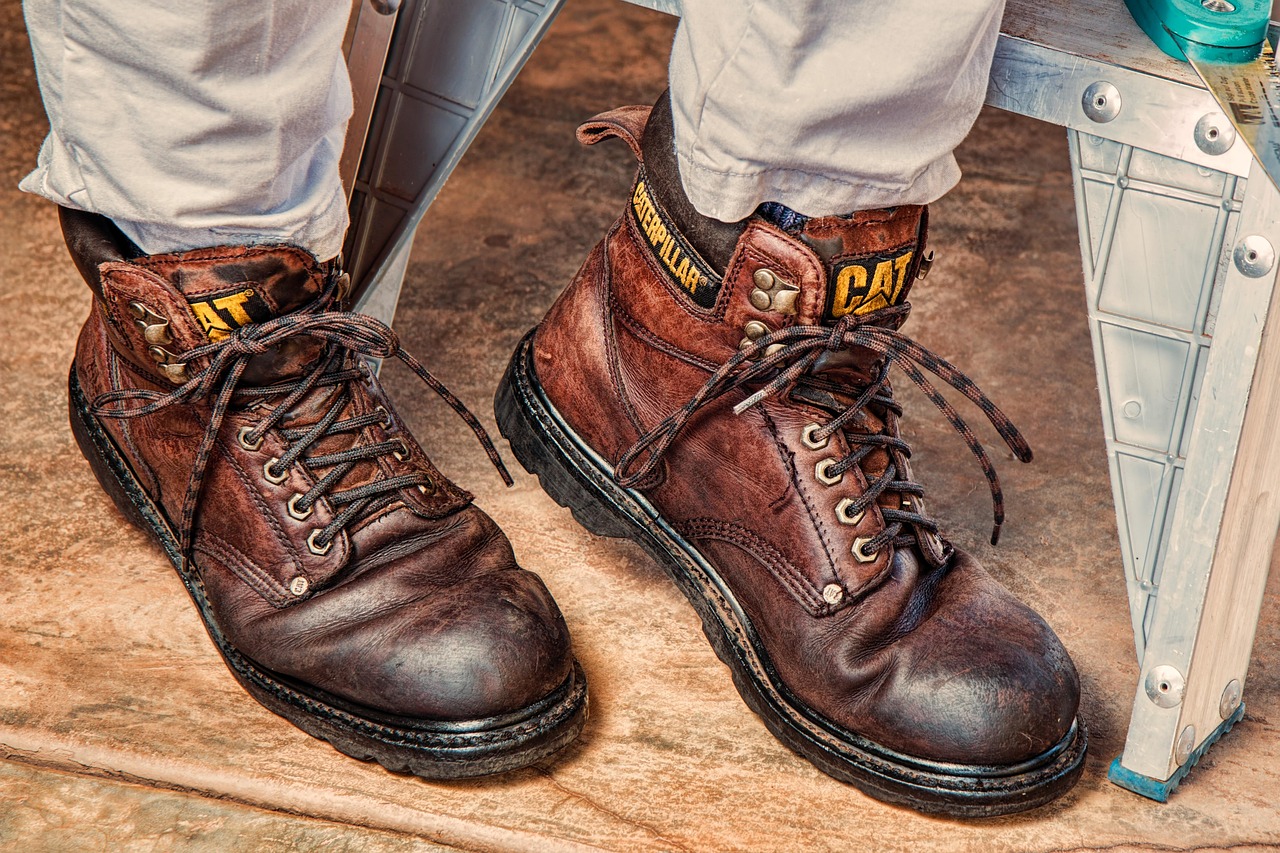
Welding boots should be purchased that can withstand slag falling into the boots. High-top leather welding boots include steel toes and metatarsal guards to prevent welders from being injured by electricity or falling objects.
The soles of welding boots are treated to be both heat and oil resistant, so welders will not experience burns to their feet or slip on oil on the shop floors. Lace-up designs for welding boots will provide a better seal around the feet than pull-on designs, though many welders have preferences for pull-on boots for ease of wearing them. Additionally, rubber overshoes can provide additional protection to feet when welders will be standing in sparks for many hours.
7. Balaclavas and Neck Gaiters
Finally, the other clothing items to consider for welders are balaclavas and neck gaiters. These clothing items provide protection for the area of the body under the welders chin. Some welders prefer full hoods for welding that tuck into the welding jacket, especially for those who often perform welding in overhead positions.
Though these items weigh almost nothing when worn, they prevent welders from developing small burns on the chin. Additionally, these types of clothing should wick moisture from the body to avoid excessive sweating when welding.
8. Hearing and Respiratory Protection
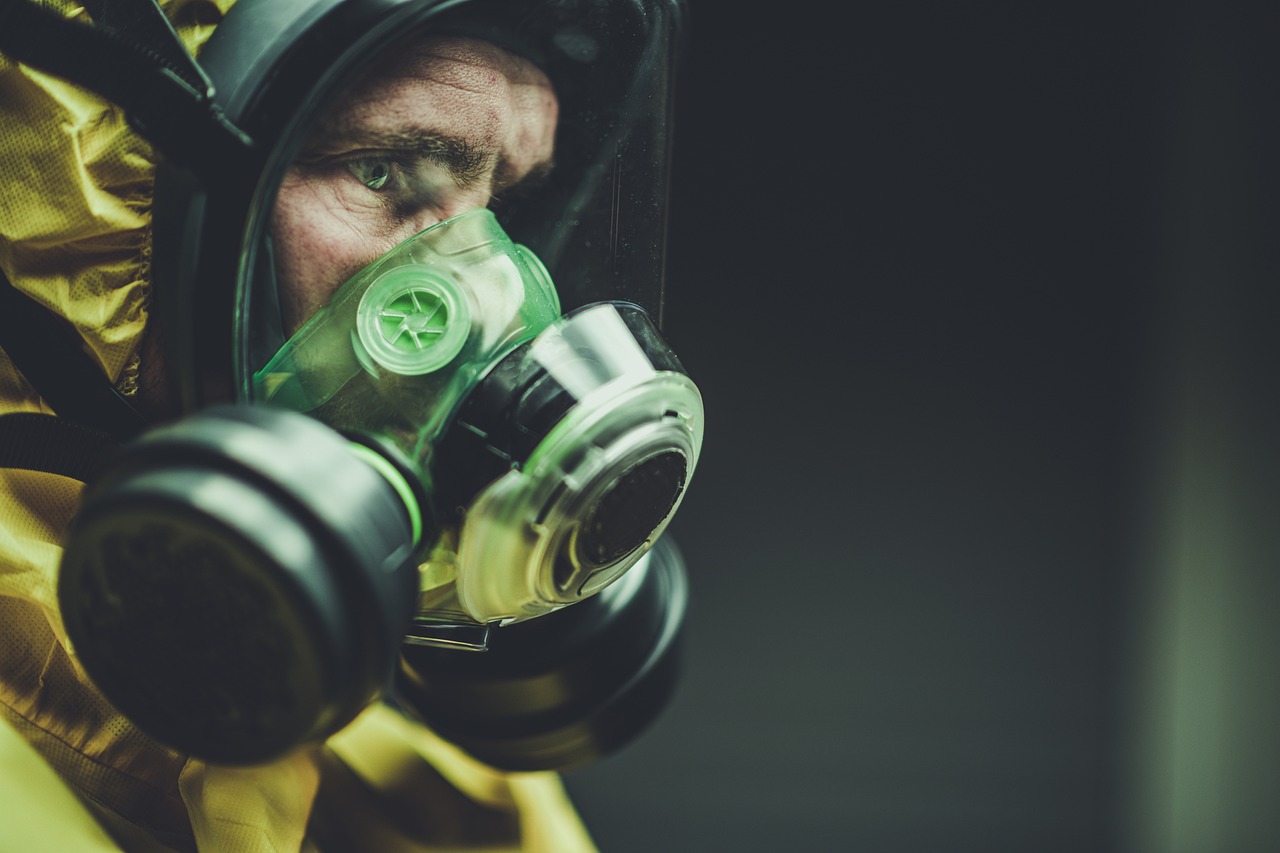
Though not often considered protective clothing for welders, hearing protection and respiratory protection should also be used.
Earplugs or earmuffs will help to reduce the ear damage that results from the welding arc and metal grinders. Additionally, if welding on stainless steel or galvanized metals, welders should use respirators to protect their lungs from fumes. These items, the last two mentioned, are the last items to purchase for welders’ protective clothing ensembles.
Each system of the body should be protected while welding.
