
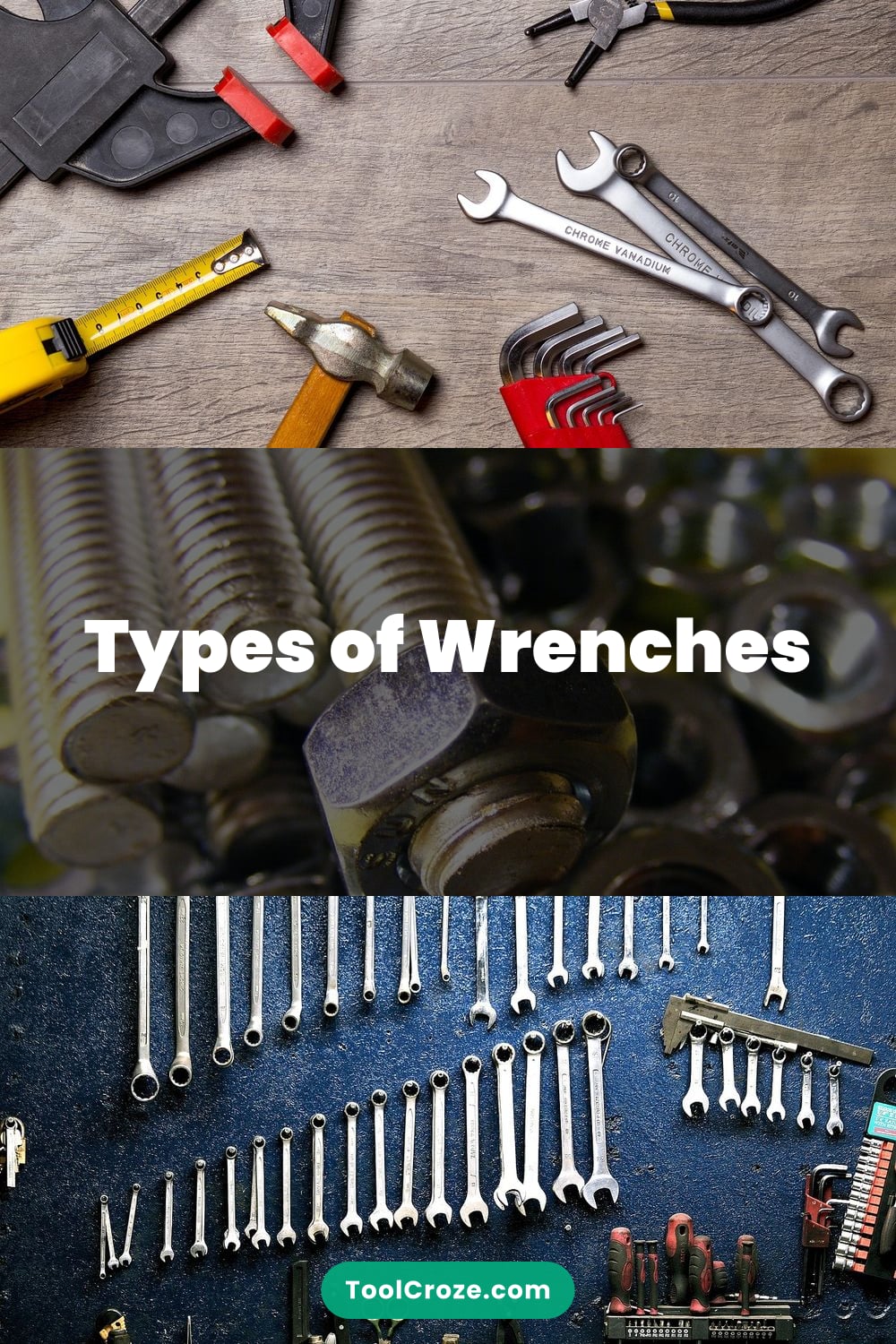
A good wrench feel like an extension of your hand when working correctly and a bad wrench when the wrench slip from its fastener or rounds off a bolt’s head. This frustrating sensation result from grabbing the first tool in your toolbox instead of the correct one for the job. Whether a professional mechanic or a weekend workshop warrior, there are multiple type of wrenches with similar appearances on a pegboard but vastly different performances when applying torque to a bolt.
Understanding the difference between these wrenches will save your knuckles from skinned injuries, prevent ruined fasteners, and eliminate hours of aggravation caused by the wrong tool. The right wrench does alot more than any other tool in the toolbox. A good wrench should fit the fastener correctly, apply force in the appropriate direction, and provide the correct leverage to complete a job without guesswork.
Knowing the personality of each wrench type will transform your toolbox from a pile of metal tools to a system that perform specific jobs with ease. The following list includes the different types of tools you use the most, why they were created, and under what circumstance you should use one tool instead of the other. Open-end wrenches are the first tool people think of when tightening or loosening a bolt.
Common Types of Wrenches for Every Job
1. Open-end Wrenches
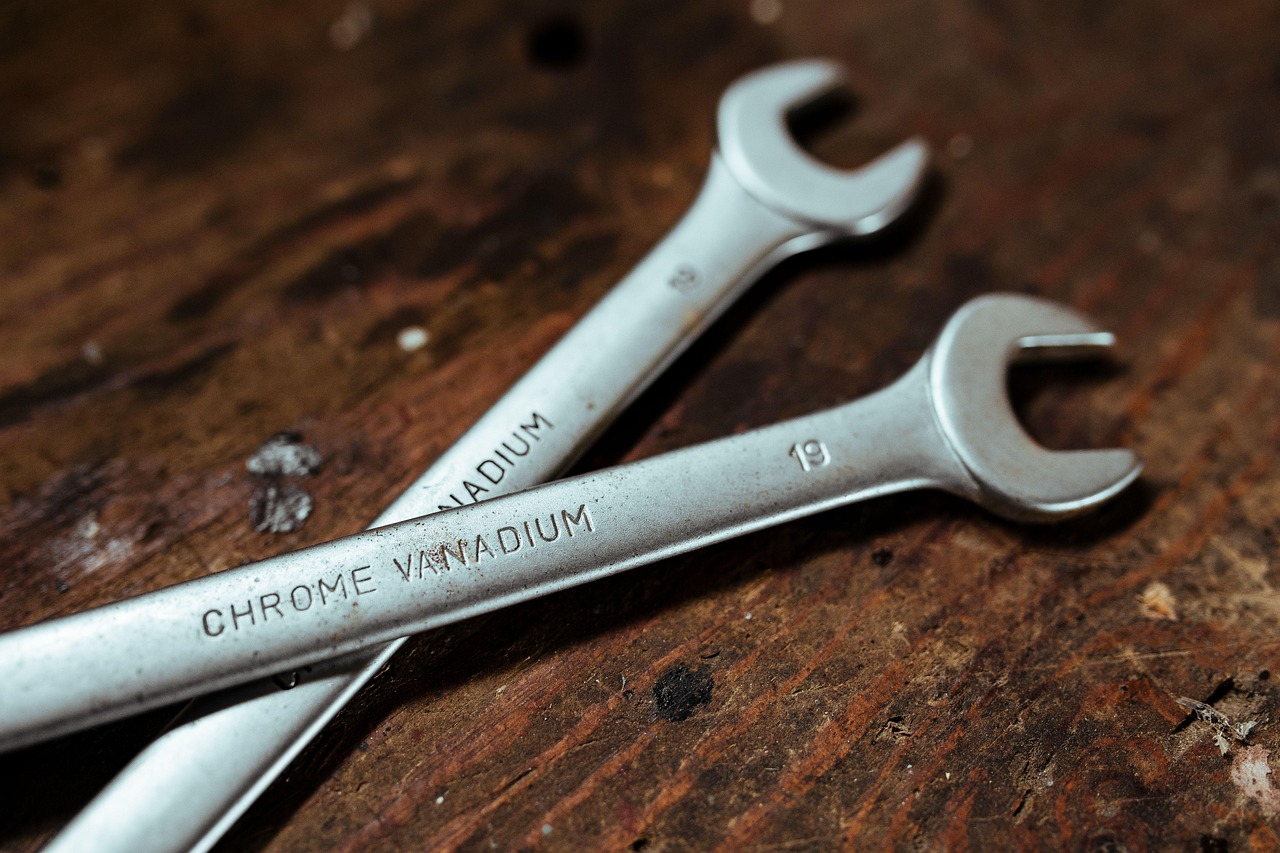
These tools has a U-shaped opening on each end of slightly different sizes that allow these tools to slide onto a bolt. This tool is beneficial in tight spaces where a socket wrench cannot reach the fastener. You can flip these wrenches to give a fresh set of jaws onto a fastener.
Most wrench designs allow for a fifteen-degree offset from the fastener’s end that allows for rotating the wrench to find a new purchase point. The main tradeoff of using open-end wrenches is that they have a tendency to slip when applying significant force to a bolt. Since only two side of the bolt are secured, it is likely to round off the corners of a bolt if used for significant force.
Still, these tools remain the most used for several essential uses. A set of open-end wrenches ranging from a quarter inch up to one inch will cover all the task a person needs for there homes and cars. Someone created box-end wrenches to provide the same opening as an open-end wrench but provide twelve- or six-pointed ends that fully surround the bolt.
2. Box-end Wrenches
Since a box-end wrench does not leave any of the bolt unsecured, the tool will not round off bolts, and it has more leverage to loosen tight bolts. Most box-end wrenches has a slight offset from the bolt’s ends to leave the knuckles of the user off the workpiece. Box-end wrenches have the disadvantage of taking more force to put onto a bolt and take it off.
In tight spaces, it is challenging to get the box-end onto the bolt. To overcome this problem, a combination wrench is used. This tool has an open-end on one side and a box-end on the other.
3. Combination Wrenches
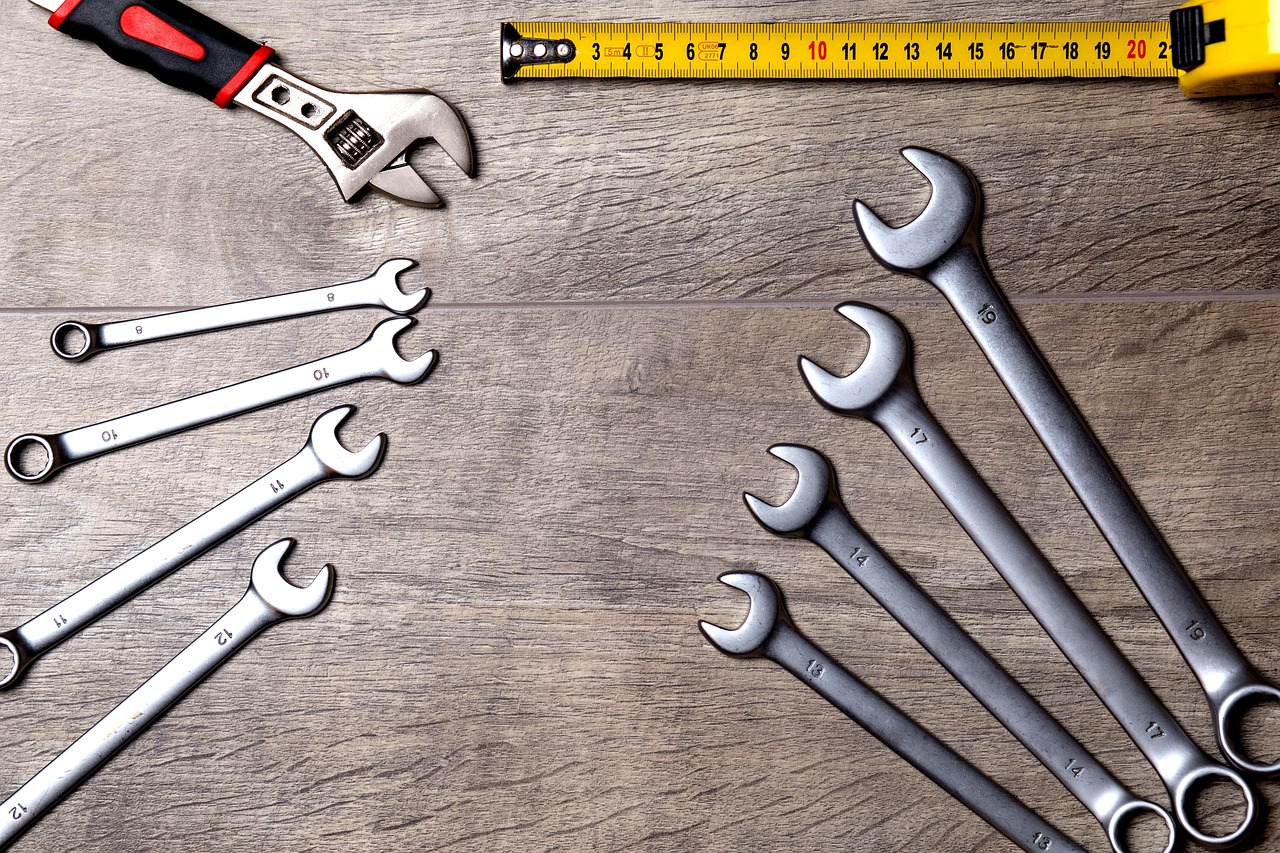
This tool gives the user the advantage of a combination tool that one purchase once they own a complete wrench set. The adjustable wrench has jaws that can be adjusted to accommodate almost any size of bolt. This tool sounds perfect until used.
4. Adjustable Wrenches
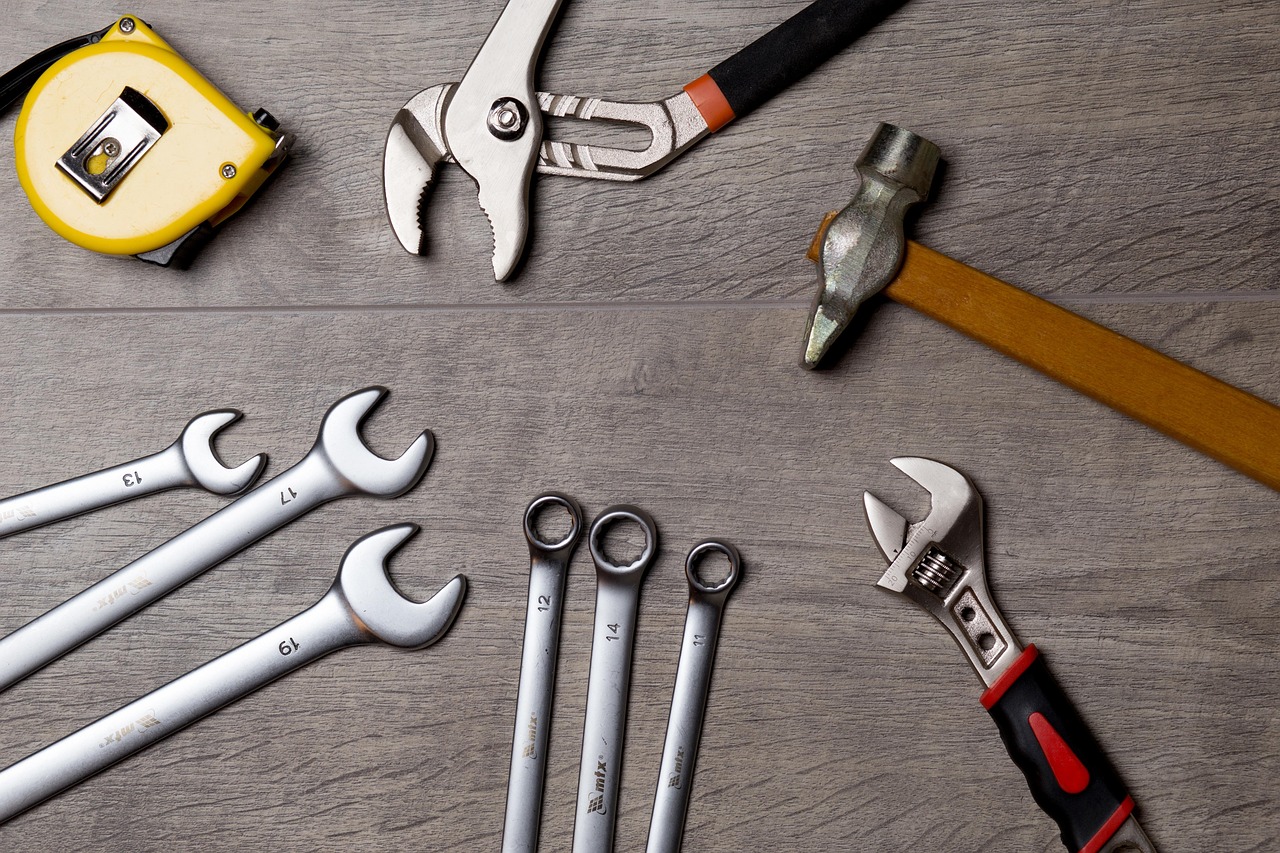
The jaws of the adjustable wrench flex under significant force, and it is a common occurrence of rounding corners of a bolt with this tool. Still, it has a place in the toolbox in the instance of emergency repairs, plumbing tasks on valves of odd sizes, or if the correct size of wrench is missing from the toolbox. To use an adjustable wrench correctly, the user should fully tighten the jaws when in place onto the bolt.
The user should push on the side with a fixed jaw rather than the movable one to provide enough force to loosen and tighten a bolt. By using this tool correctly, it can provide enough leverage to perform the tool’s task for years without causing any frustration. A socket wrench consists of a handle with a ratchet and a set of sockets of varying sizes.
5. Socket Wrenches
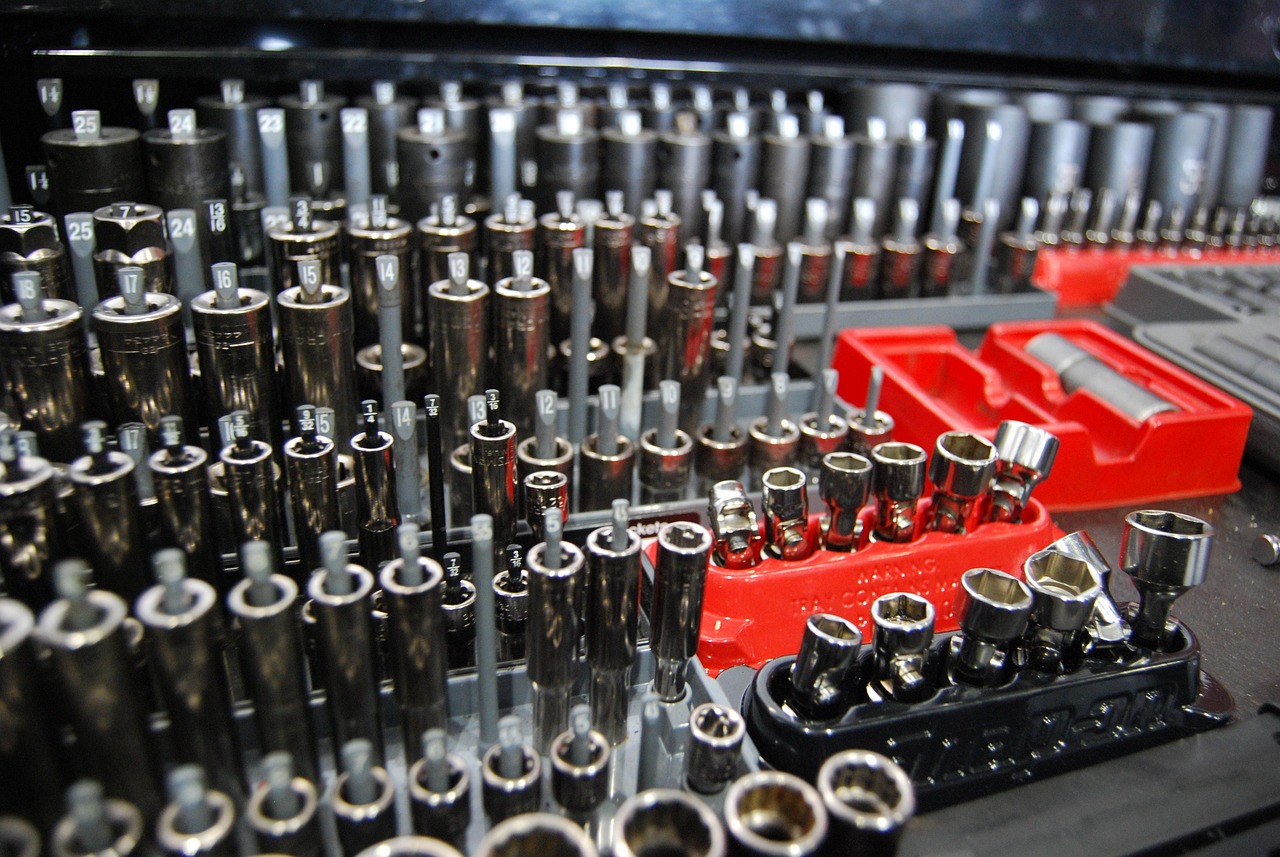
You can place these sockets over the bolt being tightened or loosened. A socket wrench can be used with six- or twelve-pointed sockets to provide even more leverage on corners of a damaged bolt. The ratchet allows the socket wrench to turn the fastener without lifting the tool from the fastener.
Socket wrench sets come with accessories that let it reach further into tight spaces to secure or loosen bolts. Many socket wrench sets come with both metric and SAE sizes to accommodate the different tools used in the world. Once given a socket wrench, individuals will find reasons to use it over wrench tool. Torque wrenches are simply socket wrenches with a built-in measuring device. The torque wrench click or beeps to the engineer’s desired tightness of the bolt. This measurement is crucial to placing cylinder heads or lug nuts on wheels.
6. Torque Wrenches
It is essential to ensuring that the components of a car are performing as specified. Guessing on the tightness of a bolt when using regular socket wrenches is how engine get ruined. There are two types of torque wrenches: beam-style or click-style wrenches.
The beam-style wrench use a handle and a pointer to show the tightness of a bolt. Click-style wrenches are set to the desired tightness of a bolt. Click-style wrenches are the preferred tool in workshops to save time on repetitive tasks; beam-style wrenches are slow but need occasional calibration.
Once people own a torque wrench of either type, they will never again tighten critical components of a car by hand. Allen wrenches, also referred to as hex keys, have an L-shaped body with a hexagonal opening for the bolt. These tools look too simple to ignore but come in handy for completing furniture sets or bicycle component.
7. Allen Wrenches
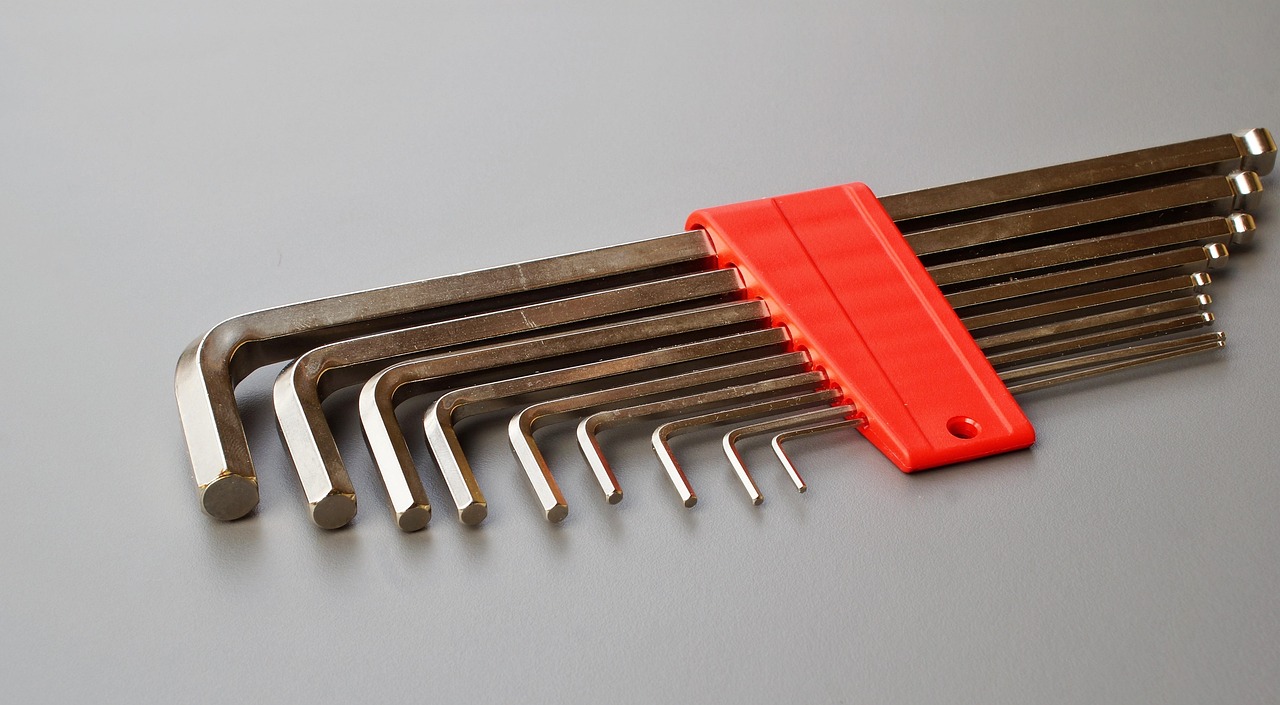
Allen wrench keys provide significant leverage with its longer arm and allow for quicker tightening of fasteners with the shorter arm. Allen wrenches come in sizes ranging from 1.5 to ten millimeter. The other type of Allen key has a ball end to allow for the tool to enter from angles into the hexagonal socket.
Since the ball end wears faster than the straight Allen wrench, it is recommended to have both tools. Use the longest arm of the Allen key to loosen or tighten a bolt. If not careful, the thread of a bolt will strip when using an Allen key.
Stripping a bolt with an Allen key is surprisingly easy but frustratingly permanent. Pipe wrenches have serrations on the jaws that allow it to tighten onto round object. The jaw of the pipe wrench tightens as the user pulls on the handle of the pipe wrench.
8. Pipe Wrenches
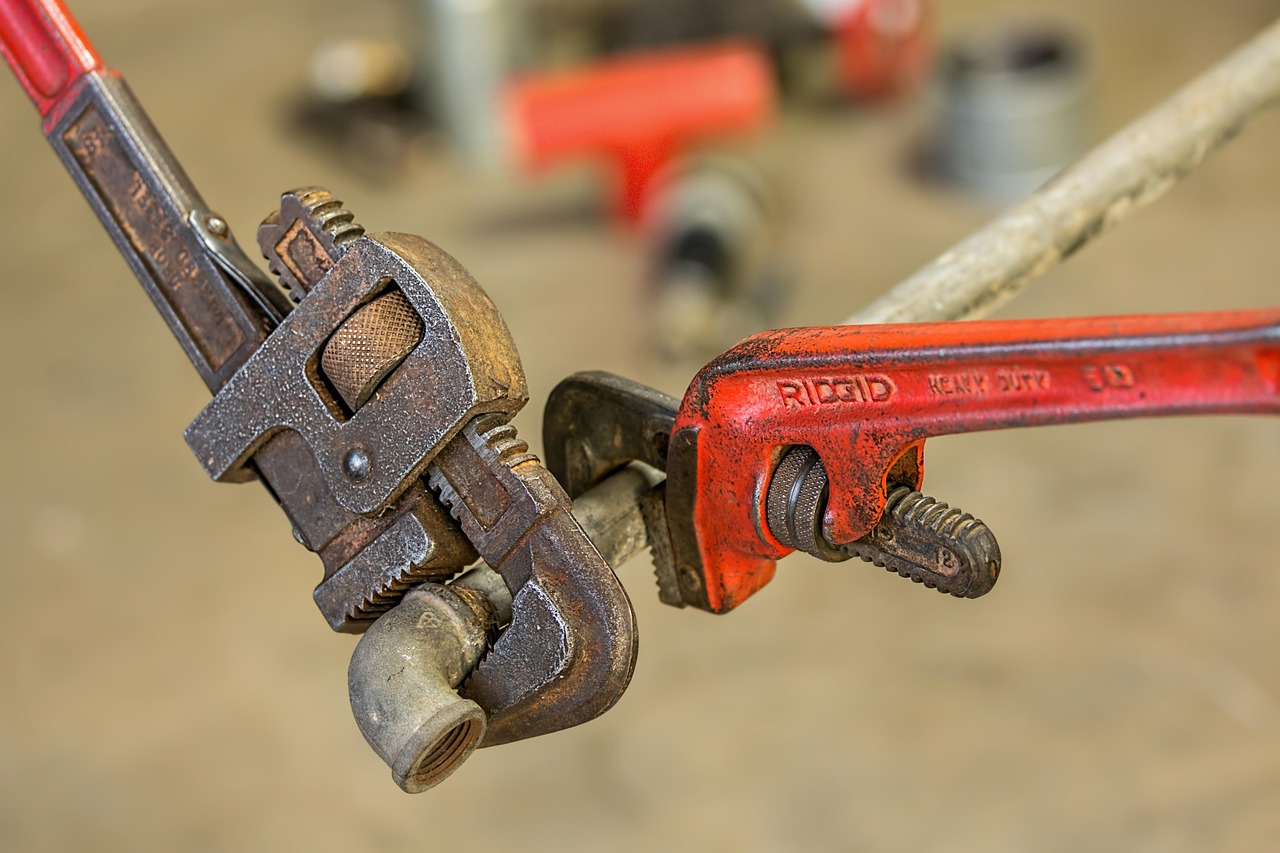
These tools are ideal for pipes, pipe fittings, and any other situation where a tool must secure an object without flat sides. Plumbers have a close friendship with pipe wrenches, but other individual use them once every decade to do their tasks and are amazed at how well it performs. The teeth on the jaws of a pipe wrench will leave marks on the object being secured.
The pipe wrench must not be used on chrome or brass unless the object is protected. Use two pipe wrenches on a pipe facing each other to loosen the pipe without twisting the object. Pipe wrenches generate more torque than any other tool in the same size.
Crowfoot wrenches are essentially open-end wrenches but use a square drive to accommodate a socket wrench in areas too shallow for a socket wrench. These tools are used for fuel lines, brake calipers, and more. The tradeoff is that the crowfoot wrench will lose the clicking sound of the socket wrench when turned over.
9. Crowfoot Wrenches
Since the crowfoot wrench is thin, it is more prone to flexing under significant force. The torque the crowfoot wrench provide to a bolt will be slightly different than what the torque wrench say it will be. Professional mechanics use a torque angle gauge or adjust the torque wrench to be a few pounds of torque less than the specification of the component.
For most individual, this tool will remain a specialty tool until needed for a specific task. The last type of tool to discuss is the strap wrench. A strap wrench has a fabric or rubber strap that grips round objects without scratching them.
10. Strap Wrenches
Strap wrenches are used for oil filters, glass jars, or other polished metal fixture. This tool looks ridiculous until the day you use it for a task where you must remove a filter that has been welded on due to age or heat. No tool can do everything, and there is no reason to have multiple wrenches if each does the same job.
A professional mechanic might have a wrench of each brand and size, but a careful homeowner has three or four tool that will handle most jobs. The difference is not in the number of tools in the toolbox but in the thought that a person puts into choosing the correct tool for a task. Whenever someone need to perform a task with a wrench, they should take half a second to decide on the type of tool to use instead of just grabbing the first tool seen on the pegboard.
They should think of the shape of the fastener being secured, the availability of space around the fastener, and the amount of torque needed to perform the task. That small half second of thought is when the individual transform from tool user to tool master. The tools have been waiting for the person to catch up to them.
