
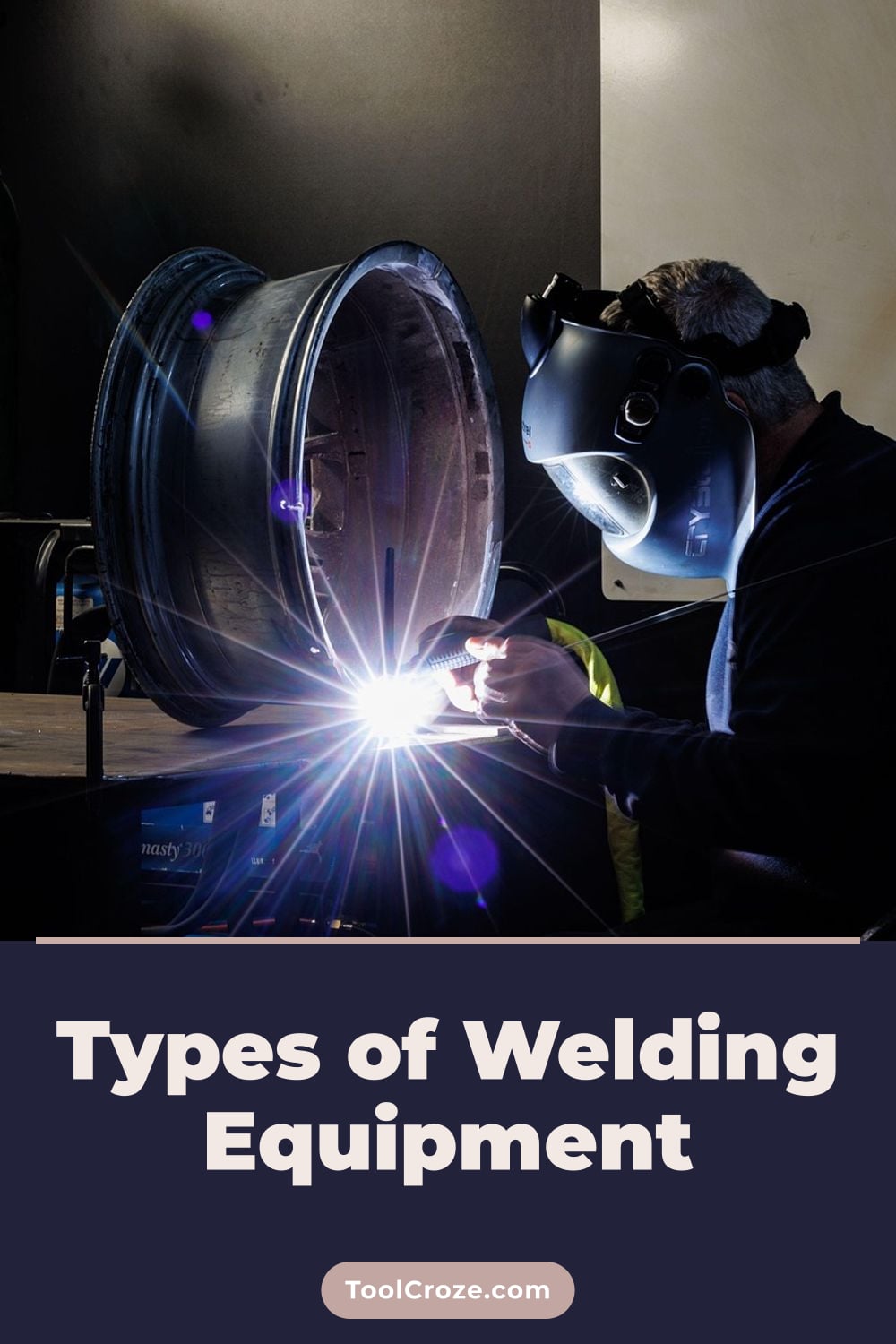
Welding is an process of joining metal pieces together. Welding is used in a variety of applications ranging from constructing buildings to creating delicate pieces of jewelry. A good weld will outlast the metal that surrounds the weld, but a bad weld can fail at the most worst possible time.
The equipment that a welder use for welding will impact the quality of the weld and the amount of money that is spent on welding. Understanding the different types of welding equipment will help a person to understand which welding machine should be used for which job, rather than force a person to utilize a welding machine for a job that it was not designed to perform. There are differences between welding processes that are far beyond what many beginning welder may appreciate.
Some welding processes only require that a person have a tank of gas and a good command of there welding tools. Other welding processes require complex welding machine that cost as much as a small car. The factors that must be considered when using welding processes include, but are not limited to, the amount of heat that will be applied to the metals, how portable the welding equipment is, how skilled the welder must be to perform the weld, and the thickness of the metal that is to be welded together.
These welding processes can be grouped into different categories, with each category have different welding processes within it. These processes can be arranged in order of their common use, ranging from the most common processes to the most specific processes within the welding industry. MIG welding, or gas metal arc welding, is the workhorse of the welding industry.
Welding with a MIG welder requires that a metal wire be feed through the welding gun, with shielding gas being released around the wire. Those in auto body shop, metal fabrications shops, and even welders that enjoy performing welding as a hobby perform MIG welding. MIG welding machines are typically used to weld thin metals to thicker metals.
A significant advantage of MIG welding is that a skilled welder can weld quick with minimal post-welding preparations. A disadvantage of MIG welding is that if any welding is performed outdoors or in workshops with drafts, the wind can lead to the development of porosity within the weld. MIG welding is the welding process that most new welders learn, and the majority of those welders will never have to learn any other welding processes within the industry.
Common Types of Welding Processes to Know
1. TIG Welding
TIG welding, or gas tungsten arc welding, is a welding process that sacrifices the speed of MIG welding for the increased precision that is offered by TIG welding. For TIG welding, the welder uses a non-consumable electrode to form the arc that melts the metals together, with the welder manually feeding metal rod into the weld. TIG welding requires the use of both hands to perform the welding process.
The benefit of using TIG welding is that thin metals like aluminum can be welded without burning through them. Additionally, TIG welding is often used for welding exotic metals like titanium. The results of TIG welding are typically beautiful, with welds that leave very little slag behind and metals that look as if they have been polished prior to use.
TIG welding can be performed in any position, which makes it an ideal welding process for pipe welding or metallic component in the aerospace industry. The disadvantages of using TIG welding include slow welding speeds and the need to use both hands to weld, which can become fatiguing after welding for long periods of time. TIG welding is the welding process that is used when a welder requires one perfect weld rather than fifty good welds.
2. Stick Welding
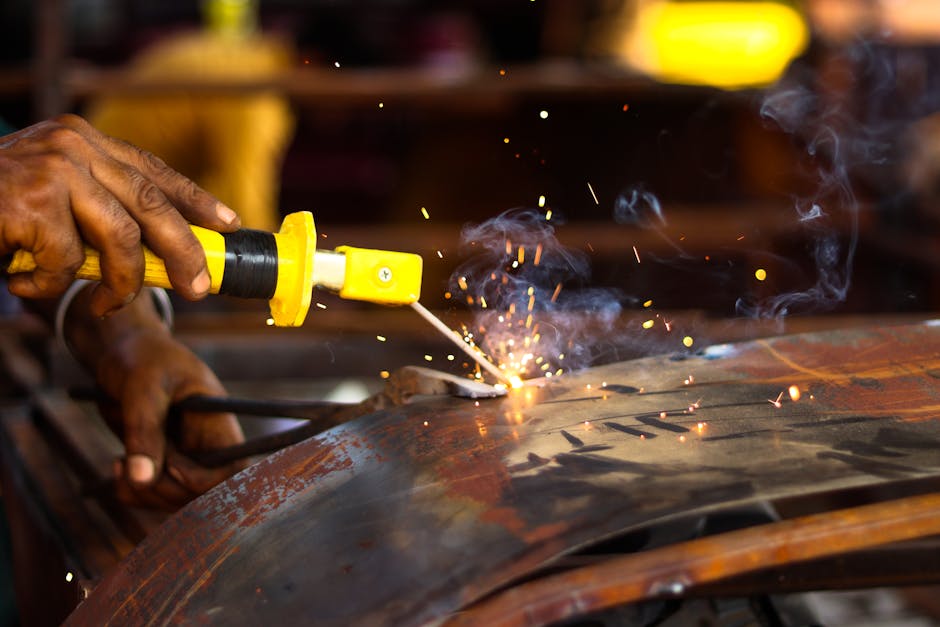
Stick welding, or shielded metal arc welding, is the oldest welding process and one of the most portable welding processes available. Stick welding does not require the use of welding gas or welding hoses. The welder must only purchase the stick welder and welding electrodes.
Farmers who weld their farm equipment, metal pipeline workers, and anyone else who must weld in areas that are very remote from electrical outlet still use this welding process. Welding machines used in stick welding are some of the most basic welding machines available. The most primitive stick welders are the size of a suitcase, though inverter welders are available that are lighter in weight and offer features like hot-start welding and arc force.
Stick welding is the welding process that is best utilized on metals that may be dirty or rusty. A disadvantage to stick welding is the need to chip the slag that forms on welded metals and the slower welding speed. However, stick welding can be performed outdoors in the rain and on rusty metal components.
3. Flux Cored Welding
Flux-cored welding is similar to MIG welding in that flux-cored welding also requires metal rods to be fed through a welding gun. The difference between flux-cored welding and MIG welding is the metal rod that is used for flux-cored welding. Some flux-cored welding rods require the use of external welding gas, though others are self-shielded with flux powder that melts to form welding gas.
Self-shielded welding rods are used in windy location where the shielding gas for MIG welding could fail. Flux-cored welding is used in construction and shipyards. Welding equipment needed for flux-cored welding is similar to MIG welding but requires higher voltage setting.
Welding speeds and the ability to weld thick metals are the reasons that flux-cored welding is preferred to MIG welding in some situations. Flux welding rods have slag that is thicker than MIG welding speeds, but flux-cored welding machines have increased speeds and penetration power that make up for the extra cleaning that is required after welding.
4. Plasma Arc Welding
Plasma arc welding is a welding process that is utilized to solve problems with other welding processes.
Plasma arc welding focuses the welding arc to very thin point with a nozzle. The welding process can also cut metal and weld metal in the same setup. Plasma arc welding is used in aerospace and precision manufacturing workshop.
Plasma arc welding machines are more expensive than other welding machine. Additionally, plasma arc welding requires that the welder be knowledgeable about the gases that are used in the welding process and the size of the nozzles that are used for plasma arc welding torches. For very thin metals, a welder can have unprecedented control over plasma arc welding.
Keyhole welds also can be performed with plasma welding to weld thick metals in a single pass. Additionally, plasma welding torches are cooler to the touch than TIG welding torches even though the plasma arc is much more powerful. The learning curve for plasma welding is steeper than other welding processes and weld metal rods for plasma welding are more expensive.
However, welds with very high specification can be achieved with plasma welding. Additionally, plasma welding can be used for welding metals with high melting points.
5. Submerged Arc Welding
Submerged arc welding is used in situations where welds must be performed on very thick metal.
Additionally, submerged arc welding is one of the fastest welding processes available. For submerged arc welding, flux powder completely covers the welding arc so that the welder hides the weld pool from view. The welding machine pushes metal rods and flux powder ahead of the welding arc, and the welding machine can be set up to move along the metals that are to be welded.
Shipyards use this welding process to weld the hulls of the ships being constructed. Additionally, submerged arc welding can perform very fast weld passes on thick metals without creating much spatter or fumes. Submerged arc welding machines are very large and specialized but do not have to be moved from job site to job site.
Submerged arc welding machines can deposit metals at very high speeds, sometimes reaching rates of twenty pound of metal per hour. Submerged arc welding also forms welds that have excellent strength. Those whose metal components are thicker than an inch in thickness will use this welding process.
