
Pliers is found in many toolboxes for a specific reason, and people purchase the tools because pliers are use to grip, twist, cut, and bend objects that may be difficult for the finger or require more strength than a person possesses. When a person enters a hardware store, a person will encounter many different varieties of pliers. However, the correct variety will save a person time in completing a project, while the incorrect variety of pliers can potentially cause injuries to the persons hand.
Thus, understanding the varieties of pliers will allow a person to select the proper tool for the task rather than using one variety of pliers to attempt to complete all tasks poorly. There are a variety of different types of pliers, each with distinct features that allows those pliers to perform a specific task. Some varieties of pliers are constructed in ways that allow those pliers to hold onto pipes, while other varieties can easily snip at wires.
Understanding what each variety is designed to do will allow a person to easily select the appropriate pliers for a specific task. In this article, there will be discussions about the different types of pliers that an individual may encounter in a variety of tasks.
Common Varieties of Pliers for Every Task
1. Slip-joint Pliers
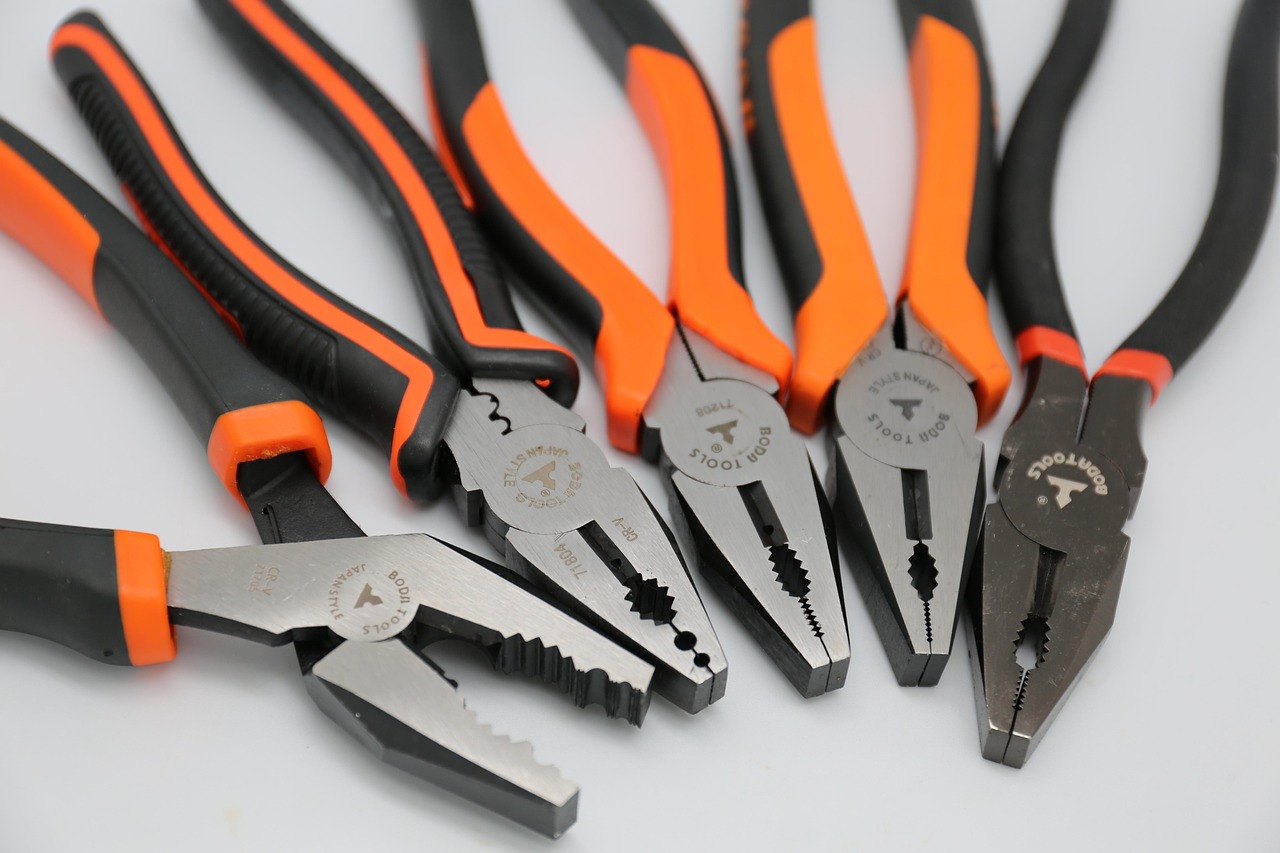
Slip-joint pliers are the type of pliers that can be found in nearly every toolbox.
The design of slip-joint pliers allows the jaws to open wide or to close in tight to accommodate different sized nut. Thus, slip-joint pliers can handle a variety of tasks, which is the reason that slip-joint pliers may be found in the drawers of kitchens across the world and in the glove boxes of cars of all age. Pliers of this type have the trade-off that they cannot efficiently handle task that require the application of a large amount of torque to an object.
The slip joint of these pliers can potentially slip on frozen or rusted objects. Nevertheless, slip-joint pliers are a staple tool of most individuals toolboxes. Thus, having a pair of slip-joint pliers within a persons tools will allow those slip-joint pliers to solve a variety of problems.
2. Lineman’s Pliers
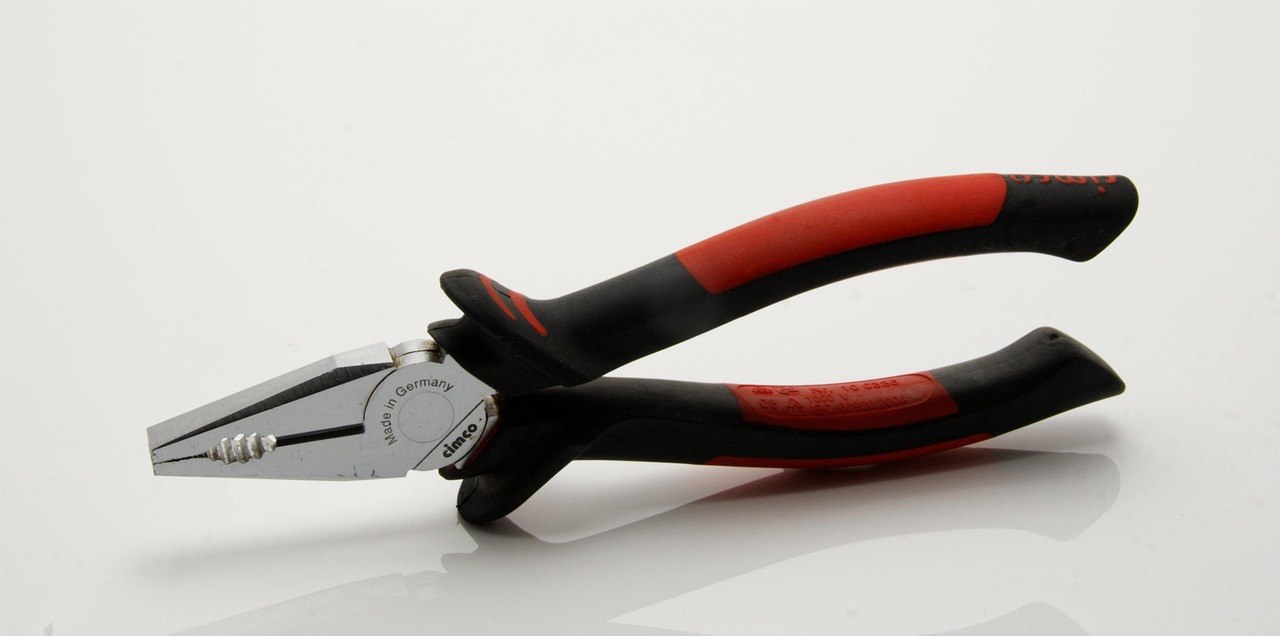
Lineman’s pliers, also known as combination pliers, is constructed to endure heavy work. These pliers include a square nose as well as side cutters near the pivot point, which allow electricians to cut and snip at wires while also holding them. The long handles of lineman’s pliers allow the lineman’s pliers to provide large amounts of leverage to the tasks that they are to be used for.
Electricians and professionals in similar jobs requires these pliers in their toolboxes. The significant weight that lineman’s pliers require to perform their job can make them tiresome to use for precision tasks, however.
3. Needle-nose Pliers
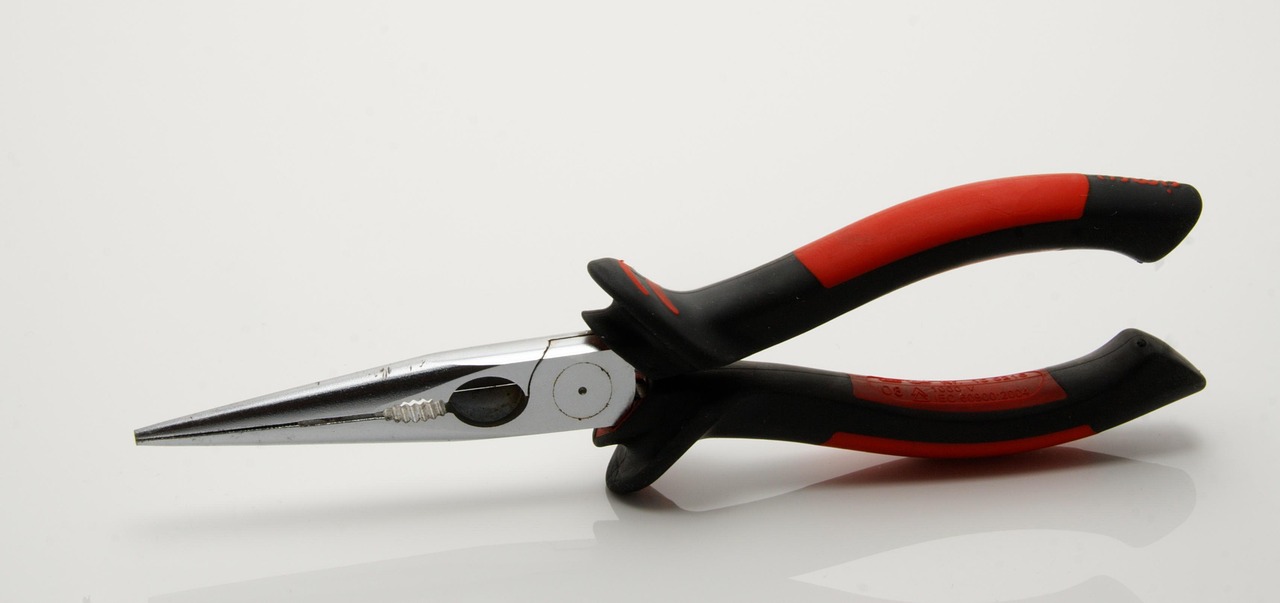
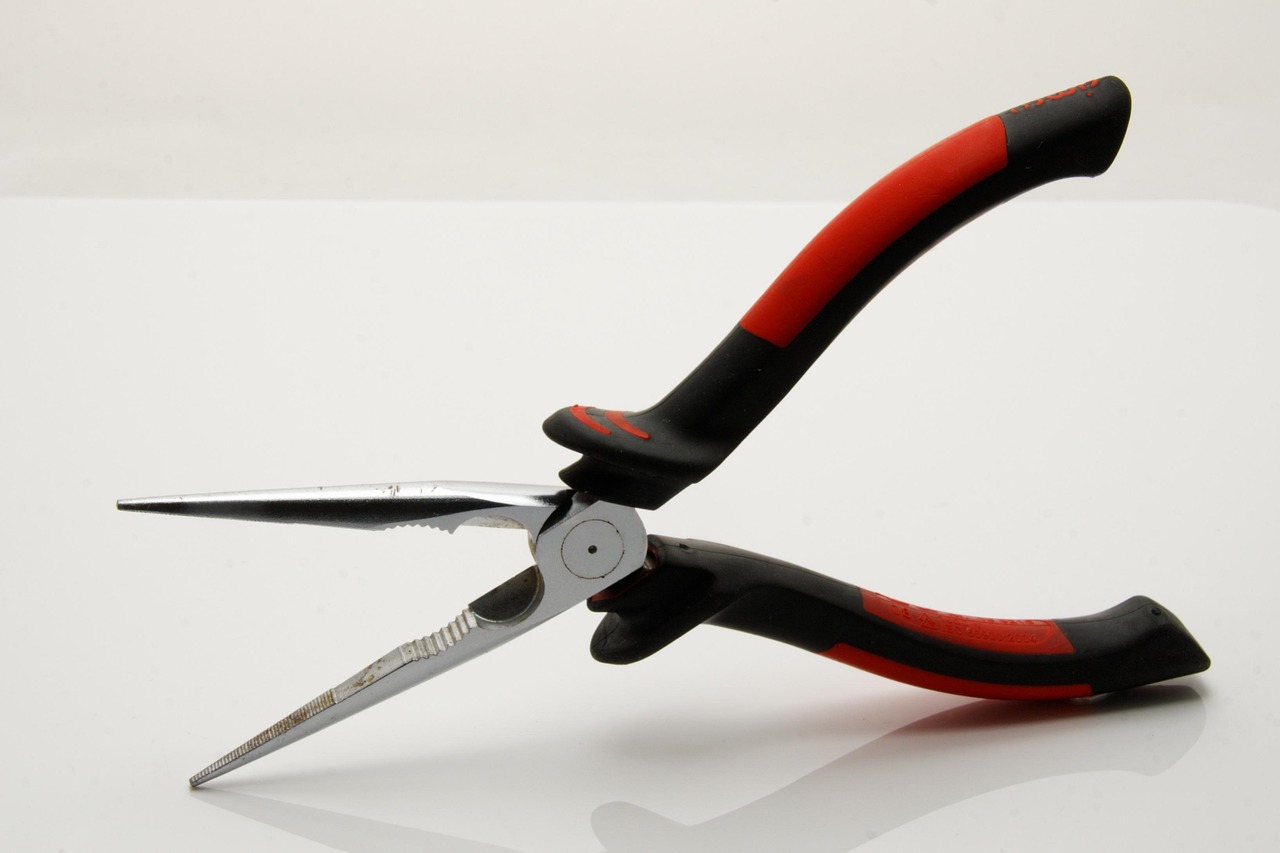
Needle-nose pliers are pliers whose jaws is narrow and tapered to allow them to perform tasks that require the tip to reach into tight spaces.
For instance, needle-nose pliers can be used for tasks that require a person to remove a cotter pin or to fish a wire through a hole in an object. Needle-nose pliers also have side cutters that allow the pliers to snip at wires without having to change the tool. While needle-nose pliers have fine tips that are helpful for precision tasks, these tip can easily bend and break when using the pliers for other tasks.
Thus, needle-nos pliers should be treated as precision instruments only to avoid breaking the tips.
4. Diagonal Pliers
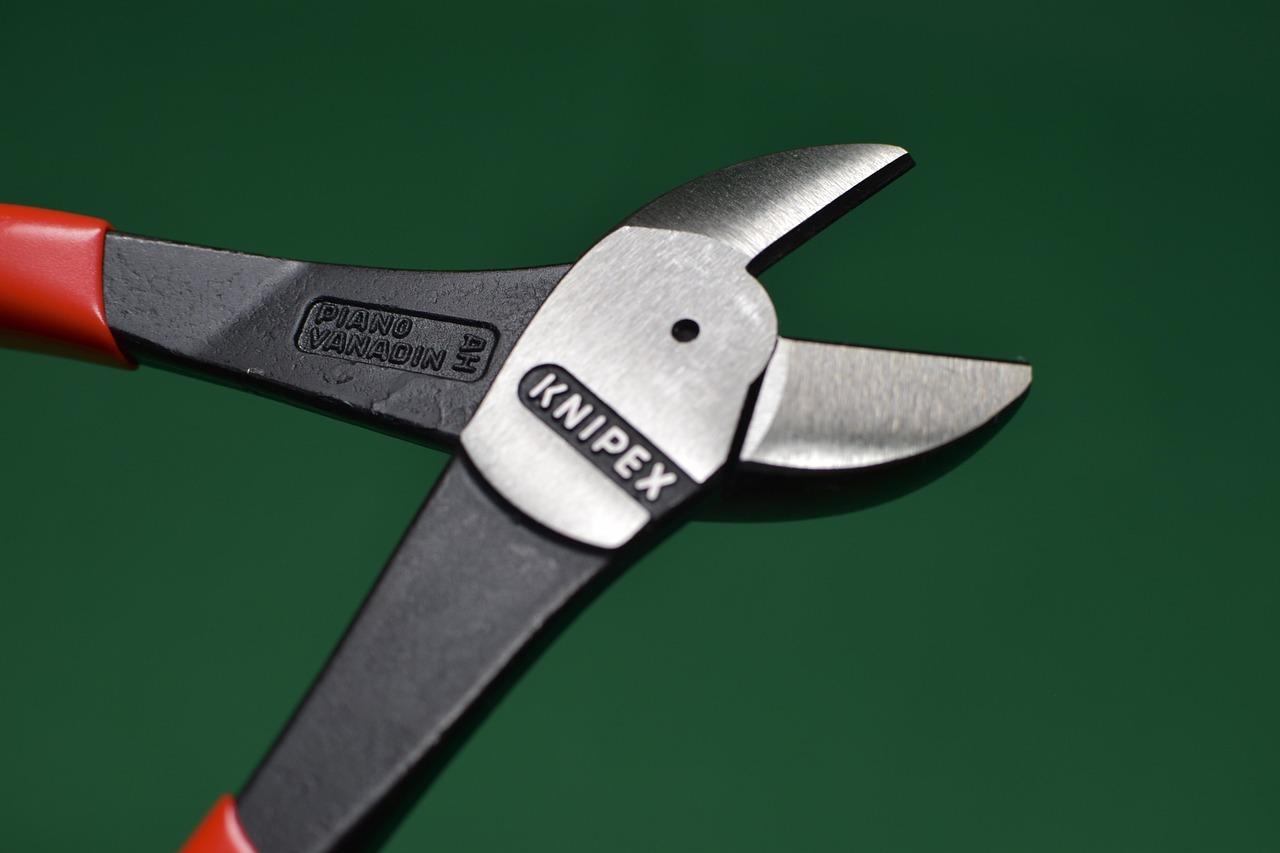
Diagonal pliers, also known as dikes or wire cutters, are specialized to snip at wires. The angle of the jaws of these pliers allows the pliers to snip at wires with a minimum of effort.
Electricians, jewelers, and individuals that perform precision tasks with wires will find these tools in their toolboxes next to other specialized tool. The best versions of diagonal pliers have induction-hardened edges than those versions that require snipping at hardened wires. The cuts of the best diagonal pliers will leave no burr on the wire end, which may be inserted into an electrical device or component.
These pliers are not meant for gripping objects, thus, pliers of another variety should be used when a person require these tools to hold an object.
5. Tongue-and-groove Pliers
Tongue-and-groove pliers, also known as Channellocks, have jaws that are able to open to various positions to grip different sizes of pipe. The long handles and jaw offset of these pliers allow the user to exert significant clamping forces with minimal effort.
Plumbers of all ages and skill level rely upon these pliers to complete many tasks in their careers. The serrations of the jaws of these pliers allow for a strong grip on the objects being held. These pliers should not be used on chrome fixtures or other smooth metallic surfaces unless the surface of those pipes is protected prior to using the pliers.
Thus, despite the strength of these pliers, they may be avoided for precision tasks.
6. Locking Pliers
Locking pliers, also known as vise-grips, are used to perform clamping tasks while the persons hands is occupied with another task. The toggle of locking pliers allows those pliers to remain in the position in which they are held while another task is being performed with the object of the pliers.
Welders, mechanics, and individuals of all trades have found many uses for locking pliers in their career. The screw located at the base of locking pliers allows the user to adjust the amount of pressure that the pliers will apply to an object. The locking pliers will remain in that setting once the pliers are locked, until another task releases the toggle of the locking pliers.
Thus, care must be taken with locking pliers to not overtighten them upon delicate object.
7. End-cutting Pliers
End-cutting pliers are used to snip at wires that are sticking out of an object. The cutting edges of end-cutting pliers are located at the tip of the pliers and are perpendicular to the handles.
Carpenters can use these pliers to neatly snip at baseboards so that the wood does not snag at the fingers of those who walk past the individuals home. Although end-cutting pliers do not have the same leverage as diagonal pliers, their ability to provide a perfectly flat snip at another object compensate for this lack of leverage in tasks that require these types of snips. While these pliers may not be encountered as often as other pliers, there are instance in which end-cutting pliers will be required.
8. Bent-nose Pliers
Bent-nose pliers, also known as offset needle-nose pliers, have a 45-degree angle near the tip of the pliers. This angle allow those pliers to reach into corners or other recessed area of an object. Because of the ability of these pliers to reach into tight spots, electronics technicians often use them to solder into the electronics that may block direct access to those electronics.
The angle of bent-nose pliers reduces the strength of the tips of those pliers. Thus, these type of pliers are a specialized type of pliers. However, once used in a recessed area, a person will likely find them to be helpful in the performance of their tasks.
9. Circlip Pliers
Circlip pliers, also known as snap-ring pliers, have different jaws than other pliers. The tips of the circlip pliers are especially shaped to allow those pliers to expand and compress the retaining ring of an object. Both internal and external version of snap-ring pliers exist and have interchangeable tips to allow the same set of pliers to perform a variety of tasks.
Mechanics who service vehicle use these pliers when servicing vehicles’ transmission systems and wheel bearings, where removing a circlip with tools other than snap-ring pliers can result in the loss of that circlip. The tips of circlip pliers are very strong and can be brittle when used for other tasks than their designated task. Thus, care should be taken to use these pliers only for their intended task.
10. Chain-nose Pliers
Chain-nose pliers are a pair of pliers that is used by those who work in jewelry and those who often must wrap wire. The jaws of chain-nose pliers are smooth and tapered to allow them to grip jewelry without marring it. Unlike needle-nose pliers, the tips of the jaws of chain-nose pliers are even with each other.
Thus, they are used for precision tasks. Those who enjoy jewelry or precision tasks with wire will appreciate the control that these pliers provide. However, like all the other pliers described in this article, chain-nose pliers are not meant for heavy tasks.
Now that there are discussions about the different varieties of pliers, a person can see how each variety of pliers have features that allow them to perform a specific task. Thus, knowing the different varieties of pliers allow a person to select the appropriate pliers for a specific task. A good toolbox should include at least four or five varieties of pliers.
Thus, the ability of a person to find the appropriate pliers for their tasks may be small when first starting out in their tool use, but over time, the individual will find that there is a benefit to using the proper tool for each task. When faced with a project or task, the individual should first consider the requirement of the task. By considering these requirements, a person will be able to easily find the appropriate type of pliers to assist in their tasks.
Thus, despite the variety of tools that have been developed over time, a pair of pliers remain a very useful tool to those who use it.
