
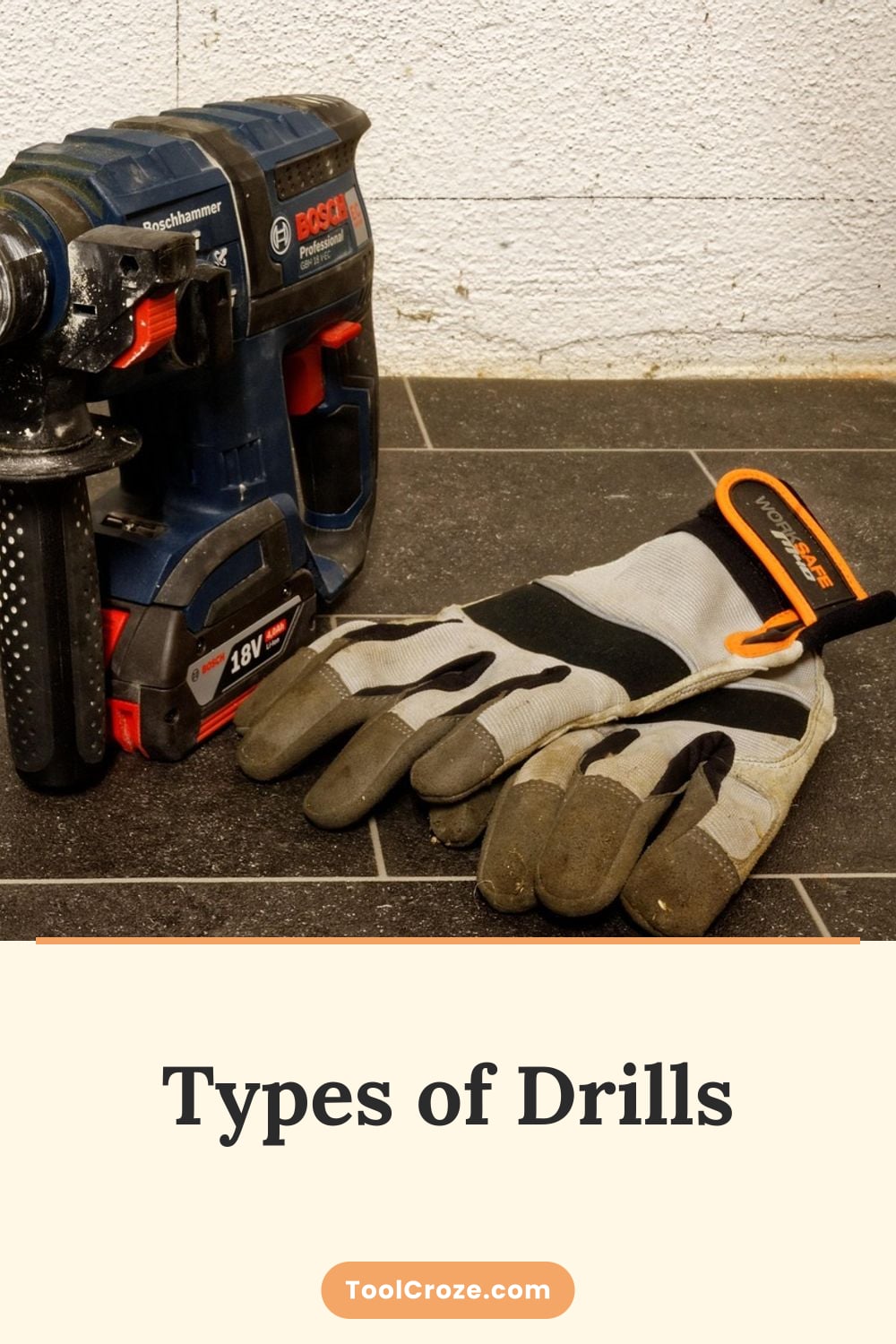
Drills are the tool that turn ideas into holes. Whether you are hanging a picture on the wall, building a deck, or even drilling into metal, the right drill tool makes the job easy for the user. Using the wrong drill tool will make the work experience difficult and frustrating for the person using the tool.
While many people just purchase the tools that they think they need and hope that the tools will work for any job site, understanding the different types of drills available will ultimately change the way that people use power tools in their workshop. After learning about the various types of drills, people will no longer struggle with stripped screws, burnt out motor, or having to drill their holes crooked. The differences between drill tools can be found in their power source, the amount of torque they can release, the rate at which they can spin, and how the tool grip the drill bit.
Some drills are created to provide the user with as much torque and power as possible for drilling into wooden structures. Other drills are created to allow individuals to drill into delicate material like circuit boards. Some drills are created for such specific task that they are only used a handful of times each year.
By learning about the different types of drills, individuals can purchase tools once and own them, as opposed to having to purchase new drills if they are unable to find tools that work for the materials they wish to drill.
Common Types of Drills for Every Project
1. Corded Drills
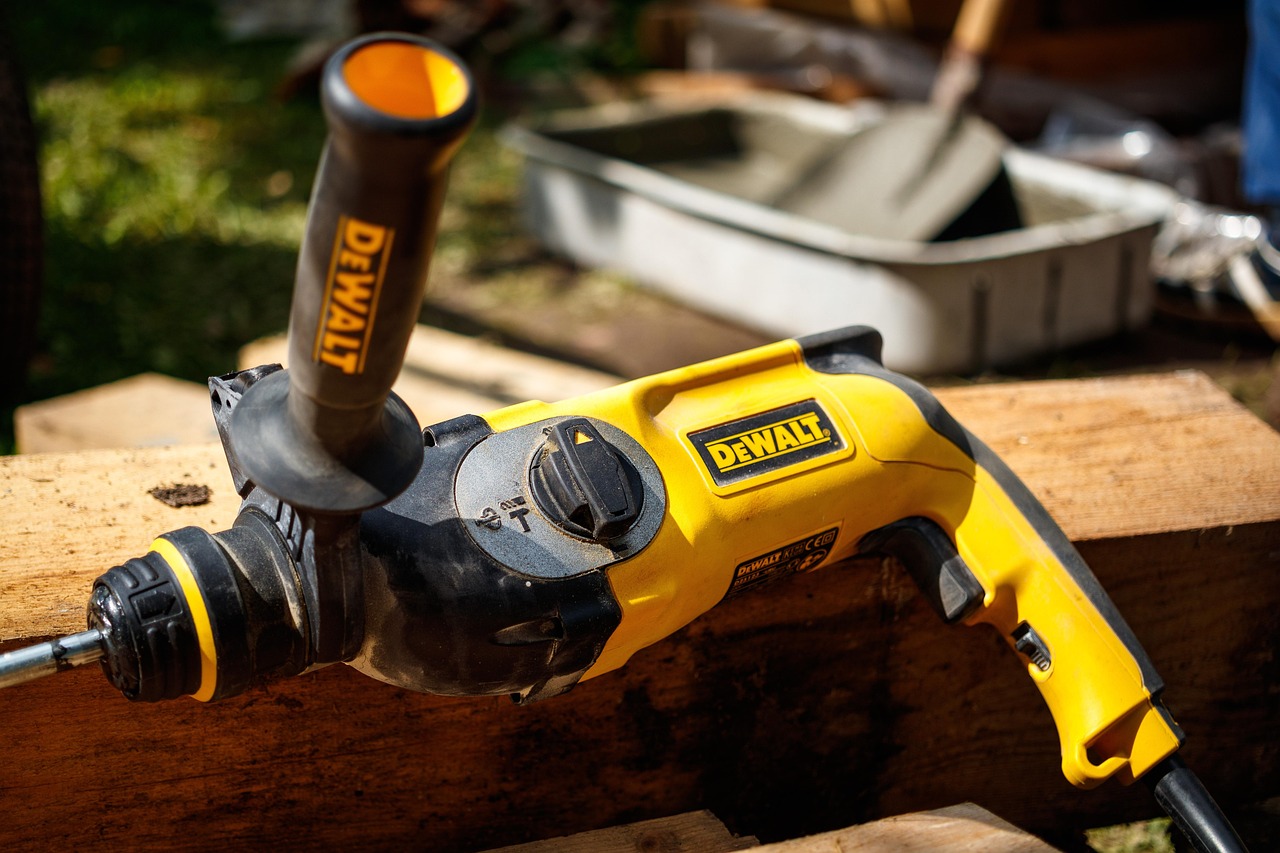
Corded drills are the most common tools that is utilized on construction job sites. This drill tool provides individuals with the power they need to complete their task without having to worry about battery life.
A 1/2-inch drill model can release enough torque to drill into pressure-treated lumber and large lag bolt. Additionally, corded drills can be simply plugged into an outlet and continue to work once the switch is flipped on the tool. This is a benefit to those who must work at heights off of scaffolding, as the individual will not want their drill tool to die while they are working in these location.
The disadvantage of corded drills is that they must be tethered to an electrical outlet. Additionally, extension cords can catch on other objects, create trip hazard for the worker, and may limit the worker’s movements with the drill tool. Corded drills are best for those who must remain in one spot for extended periods of time, however.
2. Cordless Drills
It is the drill tool that taught generation of carpenters about the value of powerful torque from drill bits. Cordless drills began to change the way that workers of all trade used power tools once cordless drills became powerful enough to compete with corded drills. Cordless drills utilize lithium-ion battery that allow individuals to move freely about their job sites or within the home.
The best cordless drills have the same power as the most popular corded drill tool, as well as offer variable speed trigger to allow for control of the tool during the creation of the smallest dimple or the largest bore. Additionally, battery technology within cordless drills has improved over time. However, cordless drills will eventually run out of battery if they are performing a high-drain task like drilling into concrete.
To avoid running out of battery, some individual will own at least two cordless drills, keeping one on the charger so that it is always ready to be used. For individuals who are performing task like installing kitchen cabinets, where the power may not yet be turned on in the kitchen, the freedom that cordless drills provide to move freely is one of the reason why most weekend warriors will opt for cordless drills when purchasing their power tools.
3. Hammer Drills
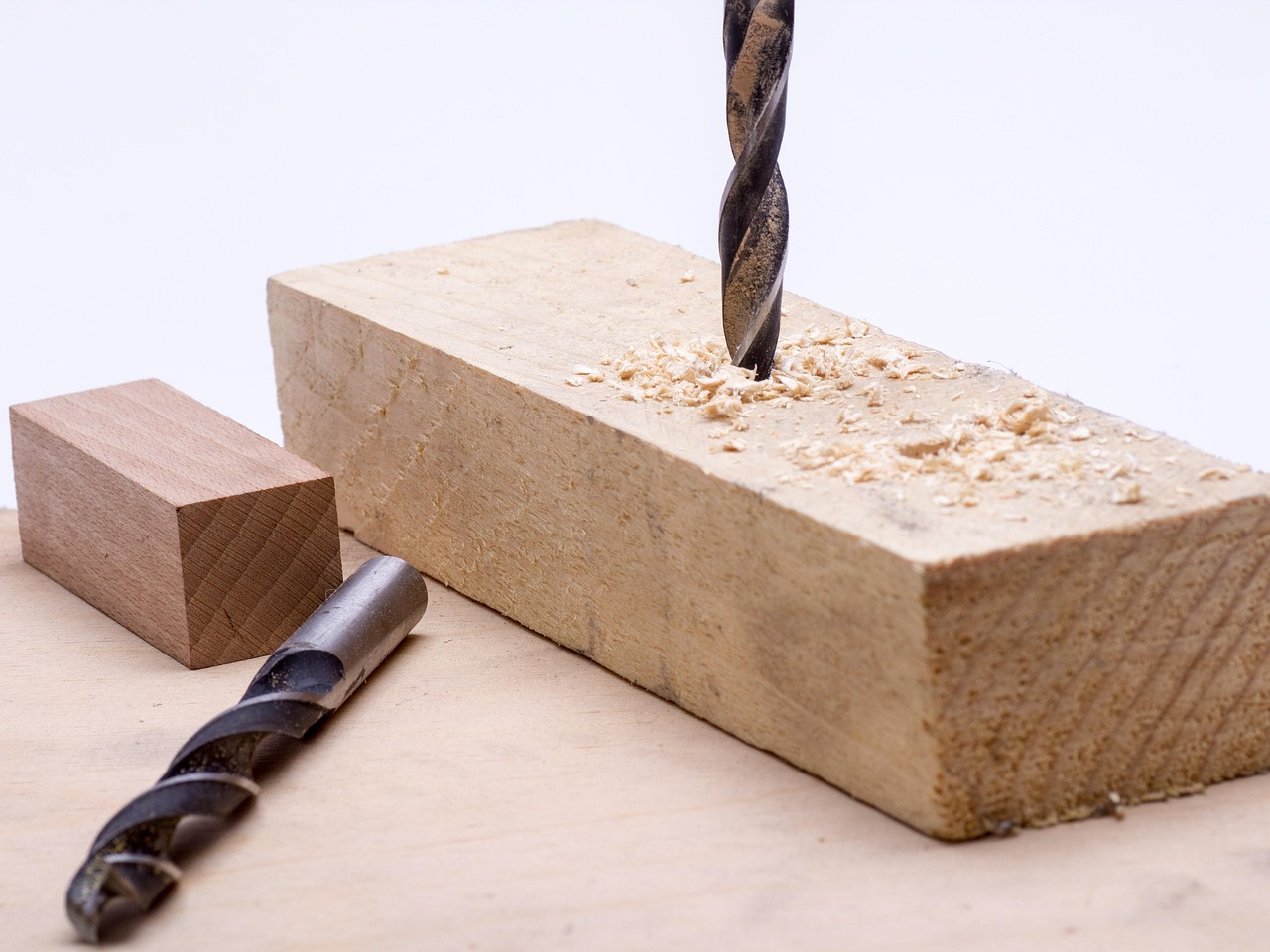
Hammer drills are constructed in such a way that they allow the drill bit to pulse rapidly back and forth from side to side while the drill bit is also rotating.
This pulsing action allow the drill bit to more easily drill into materials like concrete, brick, and stone. The internal ridged plate of the drill tool rattle against each other while the drill is in operation. Such an action allow for the tool to effectively “chew” into the material being drilled into.
Hammer drills are not intended for use in materials like wood or metal. The vibrations that is created by the pulsing drill bit can tear the material that is being drilled into and can also destroy the drill bit. Instead, hammer drills are intended for use in situations like drilling into a basement wall to attach a shelf.
Additionally, many drill model include the ability to turn off the hammering action of the drill, allowing individuals to use those drills for more common task with the bit.
4. Impact Driver
Impact driver appear to be the same as cordless drills, but function in a different way. Impact drivers allow for the bit to deliver sharp rotational blow into the material being drilled into, requiring less effort from the individual using the tool.
The rapid impact that is created by impact drivers makes them ideal for driving long construction screw into hardwood. However, impact drivers are not created for drilling into materials. Because the impact drivers lack the precision of drills, most individuals that own power tool will own both impact drivers and drills.
After using an impact driver to complete common task like building deck railings or heavy door, most individuals will never use only their drill tool again.
5. Right Angle Drill
Right-angle drill are created in a way that allows them to fit into area that are inaccessible to conventional drill tools. The motor of the drill is arranged in a way that allow it to be compact and thin enough to fit into the spaces in between wood beam, into the interiors of cabinet, or even behind pipe in an area being worked on.
Plumbers and electricians often use these types of drill tool to drill into tight spot or to bore into the floor from odd angle. The leverage on these tool is different from conventional drills. Additionally, the torque can be high with a right-angle drill.
The drill bit or tool may get twisted out of the individual’s grasp when working with these types of tool. Still, when other tool are unable to effectively drill into an area, the right-angle drill will be able to effectively assist with the task. The unusual shape and size of these tool are a point of pride among those tradespeople who use them in their work.
6. Rotary Hammers
Rotary hammers are constructed in such a way that they belong to construction job site. These drill tool have a true piston-driven hammering action, which is much stronger than the action of hammer drills. Additionally, construction worker often use rotary hammer to bore into reinforced concrete, to chisel at mortar build-ups, or to remove old tile from floors.
The SDS bit that fit into rotary hammers lock into place with a “click” noise, and the bits can easily be replaced without using any tool. These tool are very heavy, usually coming to eight pound or more. The weight of these tool will be felt in the individual’s shoulder after a long day of using them.
However, the weight of the tool allow it to absorb the vibration of the rotary drill bit, providing the worker with better control of the tool when it is chipping away at material. While rotary hammer will be of little use to most individual, as their project do not include reinforced concrete, these tool are essential for those who undertake foundation repair work or demolition effort.
7. Drill Presses
Drill presses are tool that allow individuals to drill into the workpiece while holding it steady.
Drill press can be mounted onto stand, or even directly to the workbench. Because the drill press holds the drill bit in place, the workpiece can be drilled into in a straight line. Additionally, drill presses have variable speed for different type of material, depth stop to ensure that each drilled workpiece is of the same depth, and different feature based on the type of material to be drilled.
While drill press may seem beneficial, the limitation of this tool is that the individual have to bring the workpiece to the tool, rather than bringing the tool to the workpiece. Small workpiece are able to be easily worked with a drill press. However, a large piece of 8-foot 4×4 lumber will not be able to be placed on a drill press.
However, furniture maker, metal fabricator, or anyone else who require drilled workpiece to be of even depth and perfect positioning often use drill presses. Thus, workpiece drilled into with a drill press will have drill bit that are of even depth, that are drilled in perpendicular line to the workpiece, and that are equally spaced from one another.
8. Specialty Drills
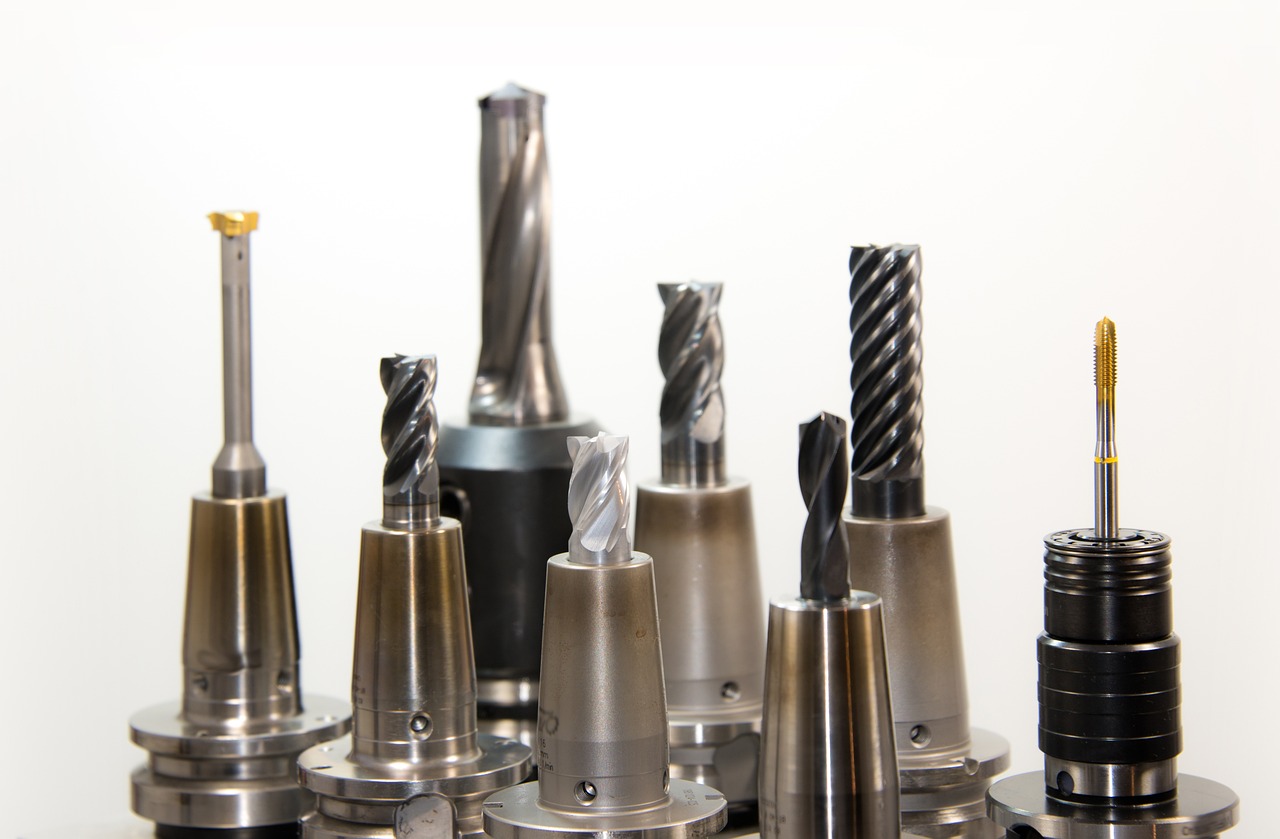
Specialty drill often have a specific use that distinguish them from other type of drills.
Magnetic drill are used to attach to metal beam and drill into the beam to place object into position. Pocket-hole drill are used to create the joint between woodwork that are used in cabinetry. Finally, individuals like jeweler and dentist often use flexible-shaft drill to drill into tight spot.
These specialty drill may not often appear on the shopping list for individuals who wish to acquire only basic tool. However, each of these tool have been created for individuals who have a need to drill into a specific place or material with the drill bit. Regardless of the specific type of drill that is required for an individual’s project, each drill tool that exist on the market has been created in response to a specific problem that need to be solved.
Thus, knowing the specific problem that each type of drill will solve will allow individuals to understand which drill tool is required for which project, and will avoid forcing a drill tool to complete job for which it was not created. Based on the type of work that an individual will perform, the material that will be drilled into, and how often they will use a drill tool, there are various drill that may be best for those individual. For instance, an individual who perform occasional weekend project will only require a few type of drills.
However, a renovation contractor will require a variety of different drill tool and will be familiar with each of the use for each tool. Thus, if an individual’s project allow for workpiece of any type, size, or material, their pleasure in the project will increase if they use the tool that were created for those project. Thus, individuals will never again use their tool that they struggle with, or fight with, as they will have learned that there is a drill that was created for each project.
