
A good wrench feel good in your hand, but sometimes, a good wrench can also ruin a bolt. Box wrenches eliminate this problem with there enclosed design. Box wrenches will deliver the torque that the bolt need without leaving behind the marks that an open-end wrench leave behind.
To make the most of your wrench collections, you should know the varieties of box wrenches that exist today. Wrenches come in many varieties. Choosing the wrong tool for the job will waste your time.
In the worst case scenario, you could strip the bolts further or even hurt yourself by using to much force on a fastener. By knowing the varieties of wrenches, you will complete your projects smoothly and with intact knuckle. While open-end wrenches may be the stars of many a cartoon, it is the box wrench that perform the work.
Each wrench variety offer some compromise for specific benefits. The following text will take a close look at each variety of wrench that is available to any skilled worker. Combination wrenches allow the worker to have both an open and box end on one wrench.
Common Varieties of Box Wrenches to Use
1. Combination Wrenches
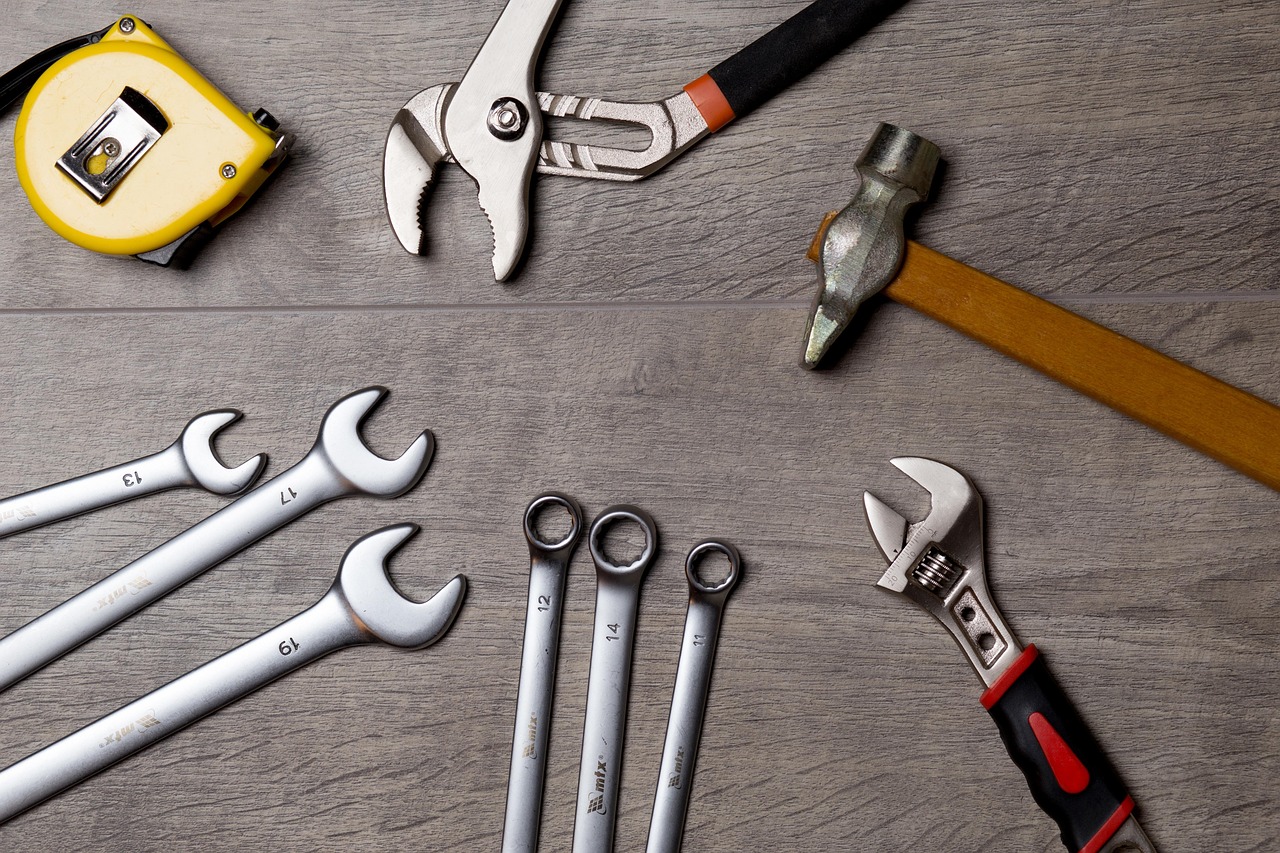
This tool becomes the go-to wrench for many a mechanic due to the ability of the box end to grip a nut securely while the open end allow it to slip onto tubing or around obstructions. Once the box end loosens the nut, the wrench can be flipped to use the open end to finish the job. Combination wrenches come in sizes from 1/4” up to 1”.
Although there are combination wrenches in sizes up to 1”, the biggest that you will encounter in most jobs will be three-quarters of an inch. The only major issue with combination wrenches is that the box end might be too thick to fit into some deep recessed holes. However, these instance are rare.
2. Ratchet Box Wrenches
Ratchet box wrenches feature a small gear in the head of the wrench that will click as the wrench handle is swung back and forth. This allows the wrench to apply force to the bolt without having to continually lift the wrench from the bolt. These wrenches find their use in engine bays, where a full swing of a wrench might not be possible.
The main trade-off with buying a ratchet wrench is that it will be bulkier than a plain wrench. Additionally, over time, the gear in the head can break under the use of these wrenches on the rusted bolt that are common in car engines. However, if you can keep these wrenches clean from the grit in engines, they will last longer than any other tool in your tool drawer.
3. Offset Box Wrenches
Offset box wrenches feature a bend in each handle that allow the handles to drop below the nut that is being loosened. This allows the worker’s knuckles to clear the workpiece. These wrenches are useful for tasks like loosening nuts on brake line or exhaust pipes.
Additionally, the angled heads will be set to two different angle on opposite wrench handles. Thus, only one offset wrench will be needed to complete two different tasks at different heights. This wrench variety is less flexible than others but will prevent the worker from getting skinned knuckles while loosening the bolt.
4. Twelve-Point Box Wrenches
Twelve-point box wrenches have a design that look like a small gear up close. Twelve-point wrenches have twelve slot on the head of the wrench instead of six. This allows for the tool to be dropped onto a bolt in twice the number of positions.
Additionally, the contact point on a twelve-point wrench are further away from the corners of the bolt that are commonly damaged when using a six-point wrench. However, the downside of a twelve-point wrench is that over time and with high torque, the twelve-point will start to damage a bolt head that is already weakened.
5. Six-Point Box Wrenches
Six-point box wrenches have fewer slot than a twelve-point wrench but have a benefit all of there own. Each flat side of the wrench will be in contact with the flats of the bolt that is being loosened, which will evenly distribute the force. This wrench is used by those who work on heavy equipment with rusted bolts. Using a six-point wrench will limit your flexibility in positioning the wrench.
However, if the bolt that you are working on has limited turning space, you can simply move the wrench three degree around the bolt and try again. This will become a second nature to you after doing a few jobs.
6. Flare Nut Wrenches
Flare nut wrenches are used for brake and fuel lines and are in between the designs of open-end and box wrenches. The slot on the wrench allow it to move over the line while the head of the tool will grip five of the six flat on the fitting. This prevents damage to the line that could occur using an open-end wrench. These wrenches come in both metric and SAE sizes as moddern cars use both types of measurement for there components.
While the slot weakens this tool, it has no equal in terms of gripping a flare fitting on brake or fuel lines.
7. Adjustable Wrenches
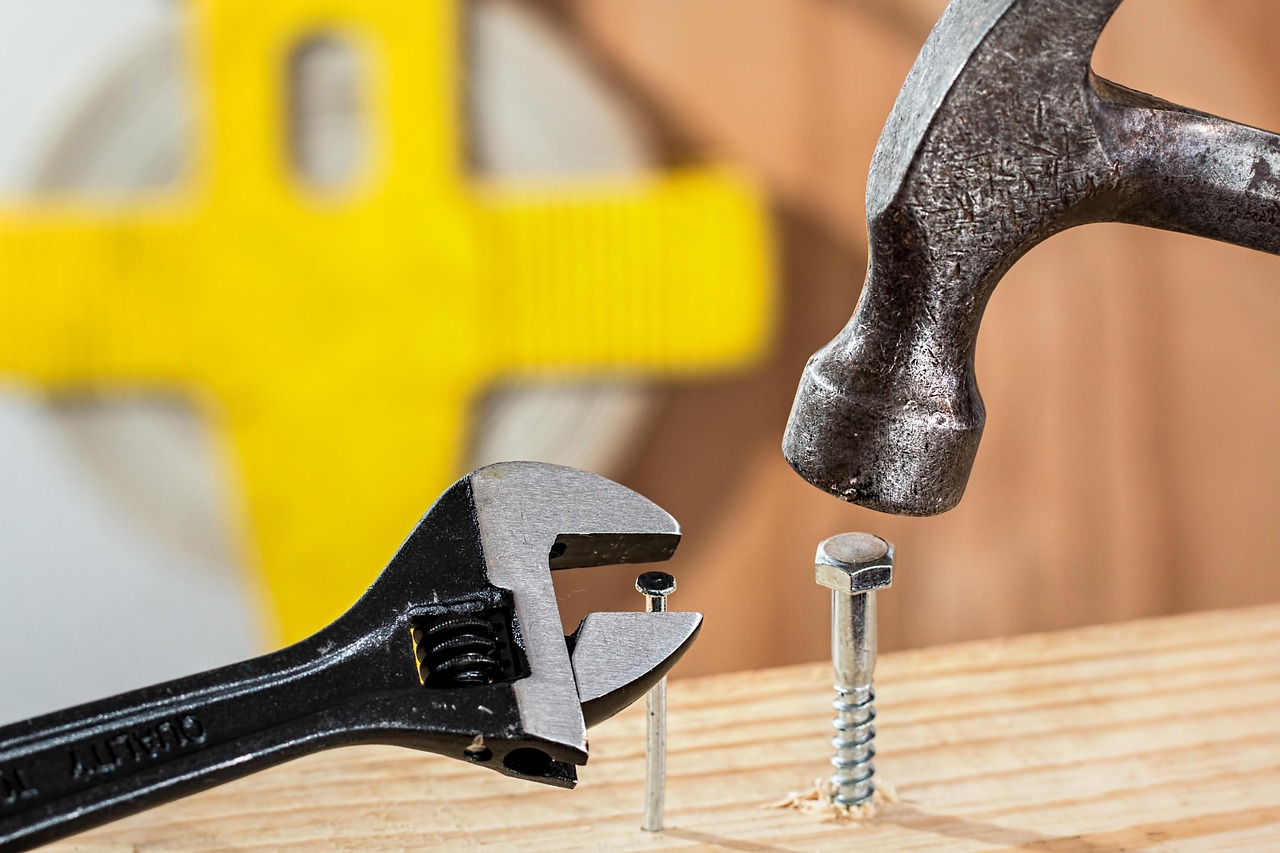
Adjustable wrenches are a strange category of tools since they are called box wrenches. However, they allow workers to adjust the opening of the wrench to the size of the bolt that is being loosened.
This tool is useful in working on vintage equipment with uncommon bolt size. Additionally, while the adjustable wrench seems convenient, the adjustment in the tool add to the weight and flex of the wrench. So stick to using dedicated wrenches on critical application.
However, having one in your toolbox will come in handy on your next long drive when a set of specialty wrenches might be needed.
8. Torque Wrenches
Torque wrenches with box wrench heads allow you to set the amount of torque that you would like to apply to a bolt. Once you set the desired amount of pound-feet, the wrench can be pulled until it reaches the preset torque.
This tool is helpful in tightening the bolts that will be under even pressure but will not want to snap them in place. While this tool takes more time than a ratchet wrench design, it will prevent the worker from snapping a bolt into a softer metal case. Thus, it becomes insurance for critical application.
Each tool has been made to solve a specific problem in the same way. Each tool has a design that will surround the bolt or nut, apply torque to the flats of the bolt or nut, and avoid the complication of using the wrong tool for the job. The best mechanics have a collection of wrenches that suit the different jobs that they will encounter.
The best mechanics will also know the different type of wrenches so that they will have the proper tool before they even reach for there toolbox. Where to start with buying wrenches? Start with a solid combination wrench set.
Then, get a ratcheting model that can come in handy for your daily job. Finally, purchase specialty wrenches as needed for specific project. With the proper wrenches, mechanics can complete there jobs without damaging any of the fastener.
Additionally, they can avoid the frustration that result from acquiring the wrong tool.
