
The twist drill is a tool that is used frequent in workshops. More work is performed with a twist drill than with almost any other tool that is found within a toolbox. Whether you are using a twist drill to bore a hole into a piece of soft pine to create a bookshelf, or if you are using a twist drill to punch through a piece of hardened steel to perform a machine repair, the performance that you derive from your twist drill will depend entirely upon your understanding of the work that each part of the drill is performing.
If you do not understand one part of a twist drill correctly, then your drill will chatter, overheat, or even snap within your workpiece. If you understand each part of a twist drill and the purpose of each of these components, you will be able to understand why one twist drill bit can easily perform a tough job upon your workpiece, while another twist drill struggle with the same job. Knowledge of the anatomy of a twist drill bit will be useful for each time that you reach for your twist drill bits.
A twist drill bit may appear to be a relatively simple cutting tool. However, each part of a drill bit has a specific job to perform. We will describe each of the listed components, in the order in which the drills will encounter these components within the workpiece.
Understanding each of these components will allow for the development of confidence in a machinist regarding the use of twist drills.
Key Components of a Twist Drill Bit
1. The Drill Bit Point
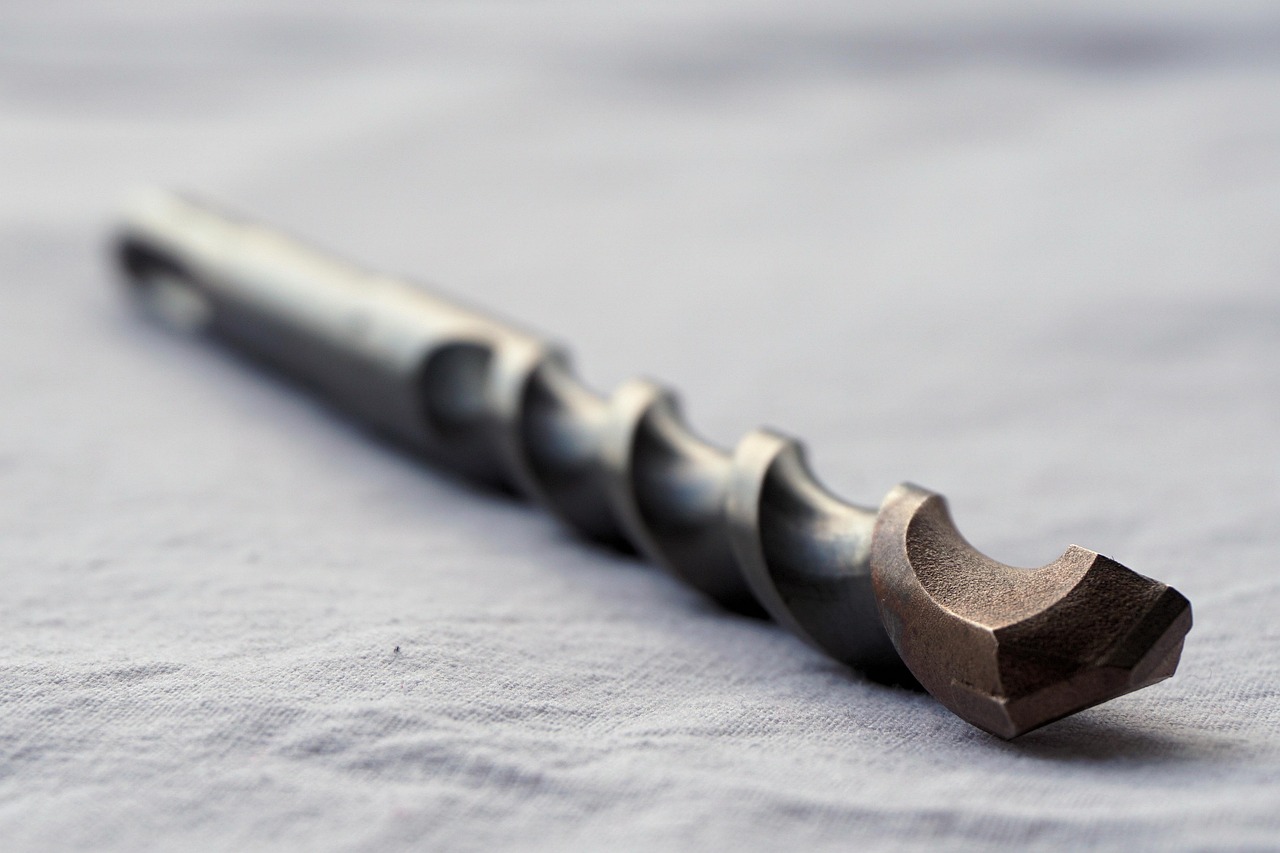
The point of the drill bit is the business end of the drill bit, and the first part of the drill bit that will encounter the workpiece material. The point is comprised of the chisel edge and the two cutting lips of the drill bit.
For a jobber drill bit, the point angle will be 118 degrees. This 118 degree angle is suitable for removing material from workpieces of aluminum, mild steel, and plastics. For steeper point angle of around 135 degrees, drill bits will be suitable for cutting harder metals.
For softer metals, drill bits with a 90-degree point will perform best, as this point will provide an aggressive bite into the workpiece rather than allowing the drill bit to skate on the surface of the workpiece.
2. The Chisel Edge
The chisel edge is located at the center of the drill bit’s point. However, the chisel edge does not perform the cutting action of the drill bit.
Instead, the chisel edge performs the action of displacing the workpiece material through a process known as extrusion. Twist drills with a thinned web or split point will find it easier to extrude material than drills with thicker chisel edges. For this same reason, if a drill bit does not have a properly formed point, it will be struggling with the workpiece from the very beginning of the drilling operation.
3. The Cutting Lips and Relief Angle
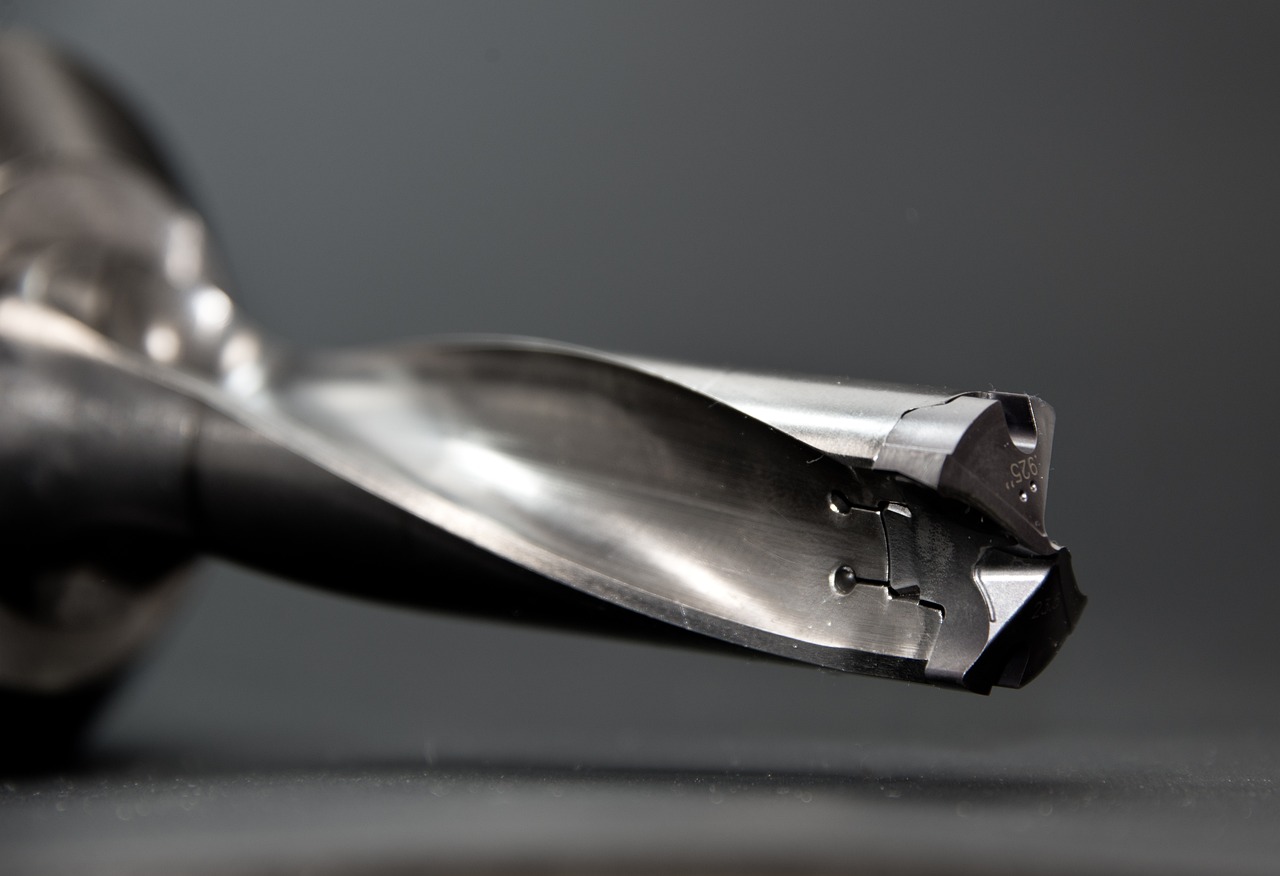
The lips of a drill bit are the two razor-like edges of the drill bit. These two lips is responsible for the shearing of the workpiece metal into a continuous ribbon of removed material. The relief angle is the slight tilt of the lips that are located behind each lip.
If the relief angle is too shallow, the heel of the cutting lip will rub against the workpiece material. This rubbing will create heat that can ruin the cutting edge of the drill bit. If the relief angle is too deep, the lip will be weak and may chip while cutting into the workpiece. Factory-made drill bits will have the correct relief angle for most workpiece materials. However, after you perform a few sharpenings with a twist drill bit with a hand sharpening tool, you will understand why some drill bits has longer lives than others.
4. The Flutes
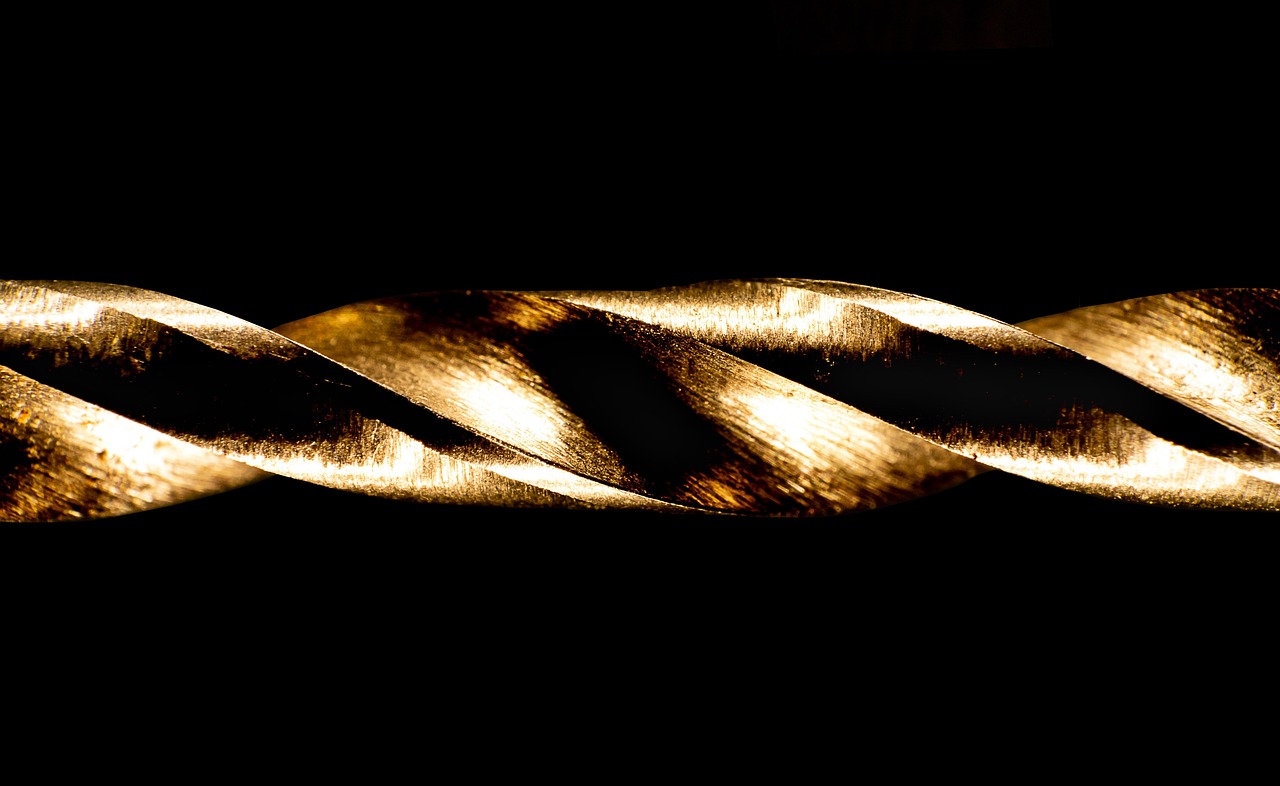
The flutes are the helical grooves in the body of the drill bit.
While many people think of the flutes of a drill bit as being the channels that allow for chips to exit the drill bit, the flutes actually perform three different jobs. The flutes will evacuate chips from the cutting area of the drill bit. The flutes will allow coolant to reach the cutting area of the drill bit.
Finally, the rake angle of the flutes will allow the cutting lips to more efficiently slice the workpiece material. For most work, a helix angle of 30 degrees is used for the flutes. Angles of 45 degrees will cause chips to exit deeper holes or softer workpieces made of materials like aluminum. However, 45 degree helix angles will weaken the drill bit. If a drill bit has long stringy chips within the flutes, the helix or flute polish of the drill bit is the cause of these chips.
5. The Margin
The margin of a drill bit is the narrow strip of metal along the outer edge of each flute.
The margin is the only part of the drill bit that will come in contact with the wall of the workpiece hole. The margin of the drill bit will keep the drill bit centered within the workpiece, and it will provide a small amount of guidance for the drill bit as it drills into the workpiece. The margin will be ground to a slight relief to ensure it does not rub against the freshly cut workpiece material. Drill bits that have a margin that rubs too hard may seize within the workpiece. The margin must be perfectly cylindrical in shape. If your drill bit starts to squeal within the workpiece, your drill bit margin may need to be sharpened.
6. Body Clearance
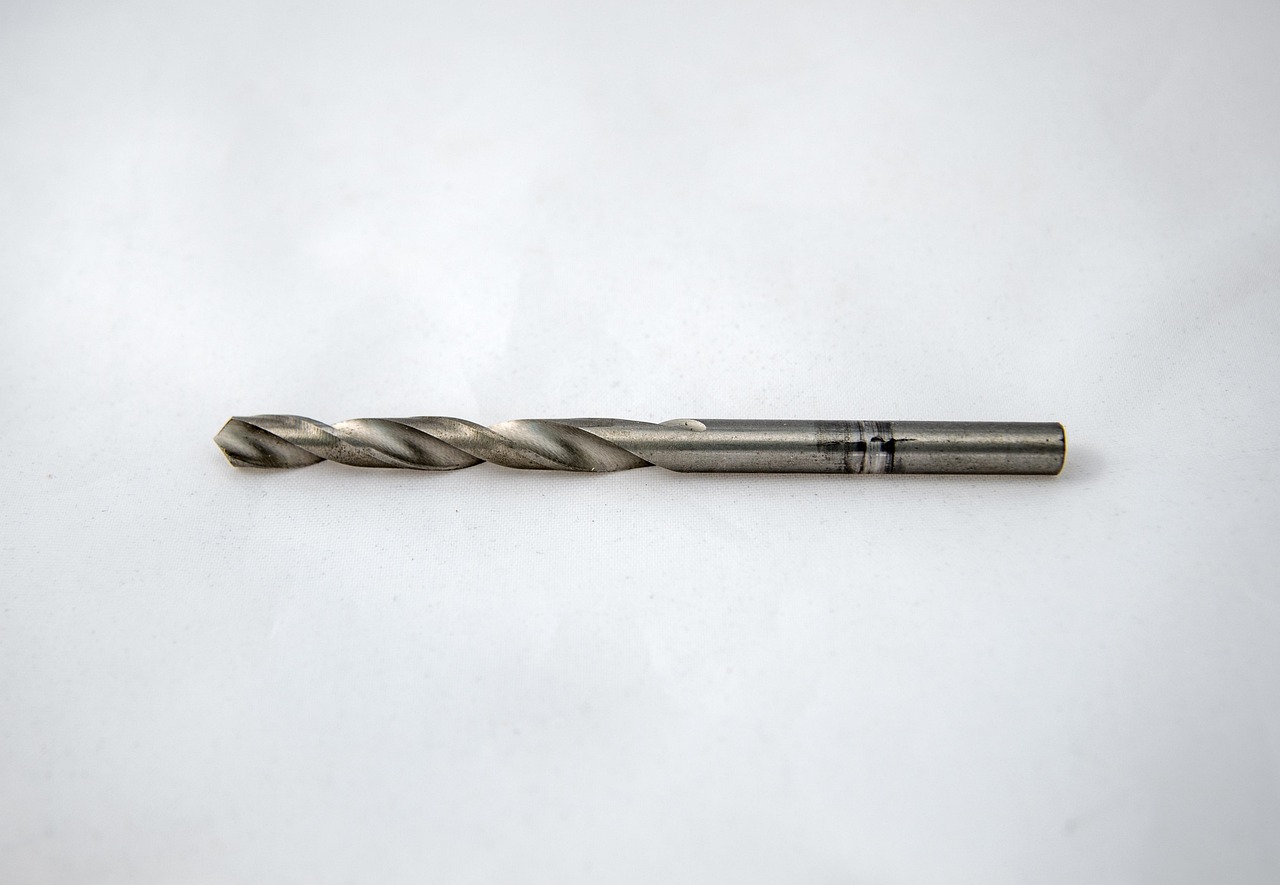
The body clearance of the drill bit is also referred to as the body diameter reduction of the tool. This component of the drill bit is the taper that is located behind the margin of the drill bit. The body clearance prevents the remainder of the drill bit from rubbing against the freshly cut hole in the workpiece.
If the drill bit do rub against the freshly cut workpiece, friction will be created between the tool and the workpiece. High-quality drill bits will have a body clearance of only a few thousandths of an inch. Without this clearance, the drill bit will act as a brake drum within the workpiece. This action may lead to the destruction of both the drill bit and the workpiece.
7. The Web
The web of a drill bit is the thick central area of the tool that connects the drill bit flutes. The web is the backbone of the drill bit.
The thicker the web, the more rigidity that is provided to the twist drill bit. The thickness of the web of a drill bit will help it to remain steady as it begins to break through the surface of the workpiece. An overly thick web, however, will increase the length of the chisel edge. The longer the chisel edge of a drill bit, the stronger the thrust force that must be provided to the drill bit to perform its cutting function. Many precision drill bits will have a thinned web or split-point design to reduce the force required to rotate the drill bit. For deep holes made in tough metal alloys, the web of the drill bit will impact the ability of that tool to remain centered within the workpiece.
8. The Shank
The shank of a drill bit is the portion of the drill bit that inserts into the drill bit holder. The shank of the drill bit will transmit the rotational force from the drill bit holder to the cutting area of the drill bit. For straight shanks, the drill bit will rely upon the hold of the drill bit holder.
For hex-shaped shanks, additional strength will be provided to prevent the drill bit from spinning within cordless drills with loose jaws around the shank. For tapered shanks, the shank will sit more firmly within drill presses or milling machines, as these tools will exert more force with the tool than a table or corded drill. The length and the diameter of a drill bit will affect the performance of that drill bit.
However, the ratio between the length of the flute of the drill bit to the length of the drill bit will have the most impact upon performance. A short and stout drill bit will have more rigidity than a drill bit with a long shaft of the same diameter. For those who must reach deep into a workpiece, it may be tempting to use the longest drill bit available. However, a longer drill bit will be more likely to break within the workpiece. Use the shortest drill bit that will allow for the chips to exit the workpiece. This will benefit your workpiece as well as your wrist.
9. Material and Coating
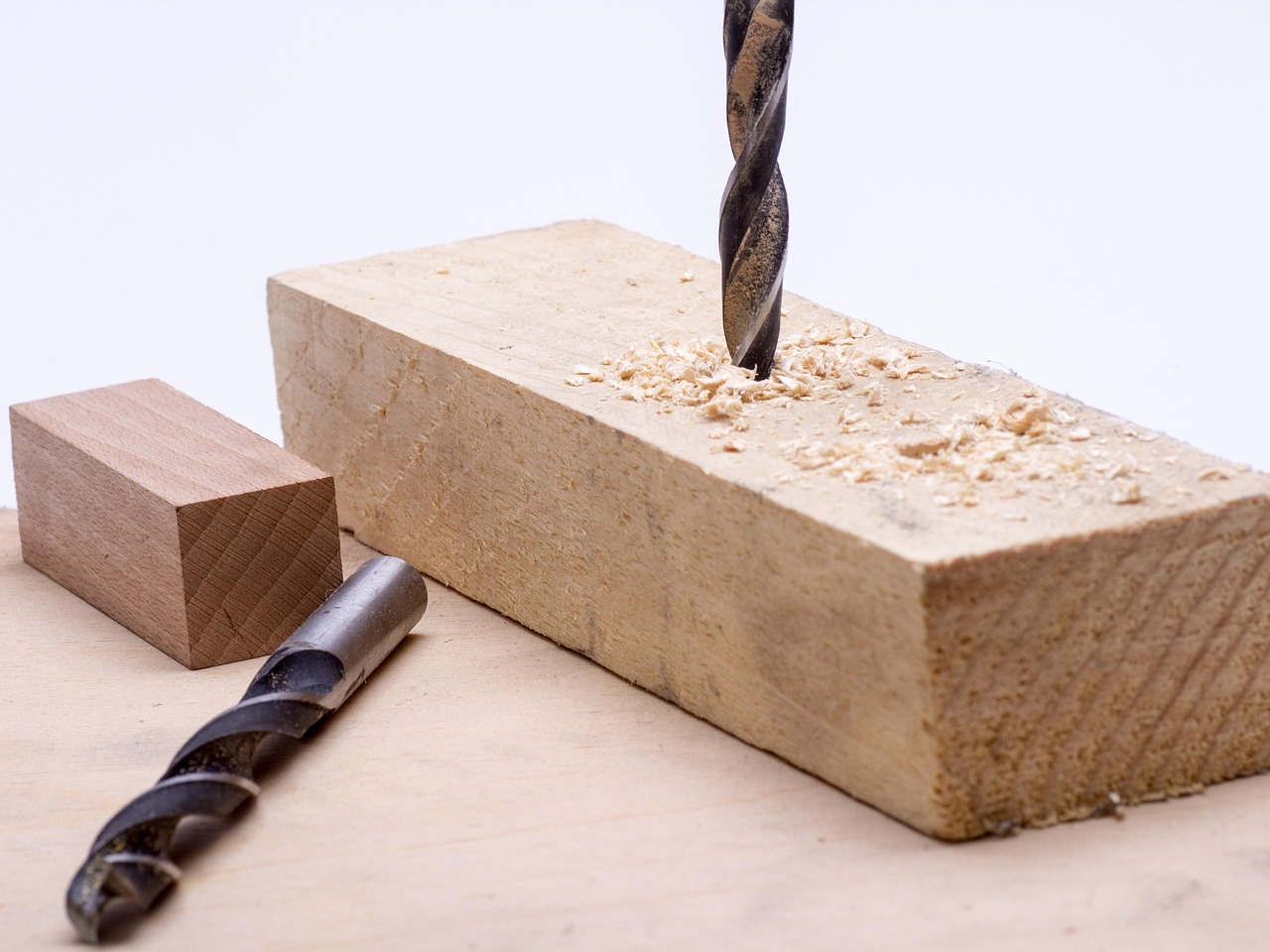
Finally, there is the material of the drill bit and the coating that may be applied to the cutting area of that drill bit. While these two components are not considered to be parts of the drill bit in the same way that the other components are, knowledge of their anatomy and use is still important. The most common drill bit materials are high-speed steel.
This material will handle accidental overheating of the drill bit better than carbide materials. For applications where higher temperatures are created, such as cutting into stainless steel, cobalt drill bit alloys will maintain their strength. Various coatings can be applied to the drill bit to reduce friction between the cutting edge of the drill bit and the workpiece material. These coatings will signal to the machinist when it is time to sharpen the drill bit. A gold-colored drill bit with a coating of titanium nitride may be used to cut aluminum into clean curls.
