
When a circuit breaker trips while you are saw wood, your work is immediatey done. You may stand idle while the saw’s blade spins down, while wood dust fill the air around the saw. A circuit breaker that repeatedly trips on a table saw is more than an annoyance.
A circuit breaker that trips on a table saw can ruin a project. A circuit breaker that continually trips on a table saw without being addressed can indicate a fire hazard in the shop. Many woodworkers will encounter the problems of a circuit breaker that continually trips on their table saw at least one time.
A table saw draws a significant amount of electrical current when it begins to turn or when it encounters a knot in the wood that it must push against. Household electrical circuits are often not able to provide that much current to a table saw. However, the cause of the tripped circuit breaker is easy to fix.
The reasons that a table saw may continually trip a circuit breaker can be categorized in the order of complexity in fixing each problem. By following these solutions, most saw owner will have corrected the problem before lunch. The first problem to rule out is whether the electrical circuit that provides electricity to the saw is overloaded.
Common Reasons Your Table Saw Trips Breakers
1. Overloaded Electrical Circuits
The number one reason that circuit breakers trip is due to overloaded circuits. Table saw motors are usually 15 amps, but they draw 30 amps for a split second when they are starting. If other electrical devices are on the same circuit as the saw, such as lights, a shop vacuum, or a dust collection device, the circuit breaker will turn off the circuit to the saw.
The solution is to provide the saw with its own dedicated electrical circuit. This could be accomplished by providing the saw with its own dedicated electrical outlet, or more likely by installing a dedicated electrical line from the electrical panel in the shop to the table saw. Until this dedicated line is installed, unplug all other devices from the same outlet as the saw and attempt to use the saw.
If the circuit breaker does not trip in this fashion, then it is clear what the cause of the problem is.
2. Damaged Power Cords
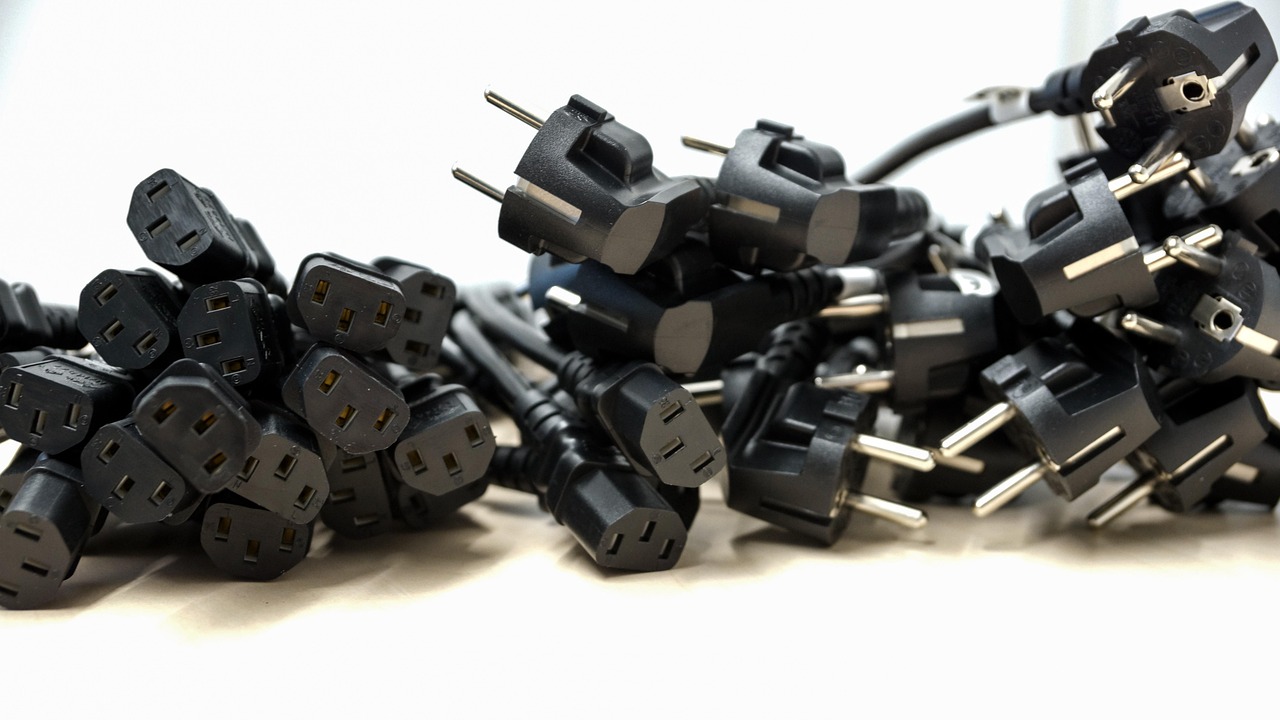
The next reason to investigate why a saw may continually trip a circuit breaker is whether the saw’s power cord is damaged. Over time, the power cord may have developed cuts, scorch marks, or soft spots in the outer jacket of the cord.
These damaged spots can create a resistance in the cord that creates heat. This heat can cause the circuit breaker to think that there is a dangerous electrical condition, and the circuit breaker will trip. Inspect the entire length of the saw’s power cord for any damage.
If damage is located along the power cord, replace the power cord with a new power cord of the same or greater amperage. This is a cheap safety item that can restore the saws ability to start smooth. The third most likely cause of a circuit breaker that continually trips on a table saw can be related to the saw’s blade.
3. Dull or Dirty Saw Blades
If the saw’s blade is dull, if the blade is covered in pitch that has set into the blade, or if the blade is warped, the motor must work harder to push the blade through the wood. This extra effort from the motor can create an increase in the amount of amps that the motor draws. Remove the blade from the saw and turn the saw’s arbor by hand.
The arbor should turn smoothly and encounter no resistance. If the saw’s blade is covered in pitch, use a blade cleaner to clean the blade and the flange washers that mount to the saw. This will help to reduce the amount of amperage that the motor draws.
If the saw’s arbor does not turn smoothly, this indicates a failing motor that lead to the next reason for the continual tripping of the circuit breaker.
4. Bad Motor Bearings
The next reason for a circuit breaker that continually shuts off the saw is due to bad motor bearings. If the saw’s bearings are bad, the motor will make a growling noise and may even become hotter than normal.
The bearings may seize up in such a way that the motor draws more amperage to overcome the friction in the bearings. This excessive amperage can cause the circuit breaker to eventually trip. To check the motor bearings, remove the motor’s cover and rotate the motor by hand.
If the motor’s shaft feels notchy or if the motor is warm to the touch, the saw’s motor bearings need to be replaced. Most contractor saw motors use relatively inexpensive standard ball bearings that are easy to purchase and install in place of the old bearings. If not replaced soon, the motor’s windings will begin to fail.
5. Motor Overheating
Overheating is a problem that can occur due to extended use of the saw. If a cabinet saw is used for forty-five minutes of sawing, the motor’s internal temperatures will climb. The motor’s motor windings will heat up to a certain temperature, and the resistance within those windings will increase.
The increased resistance within the motor windings will cause the motor to draw more current. The circuit breaker will sense this increased current and the circuit breaker will trip. The solution is to implement cooldown breaks every twenty minutes while sawing.
Point a box fan at the saw motor, especially in shops that are warm or filled with dust. Periodically
