
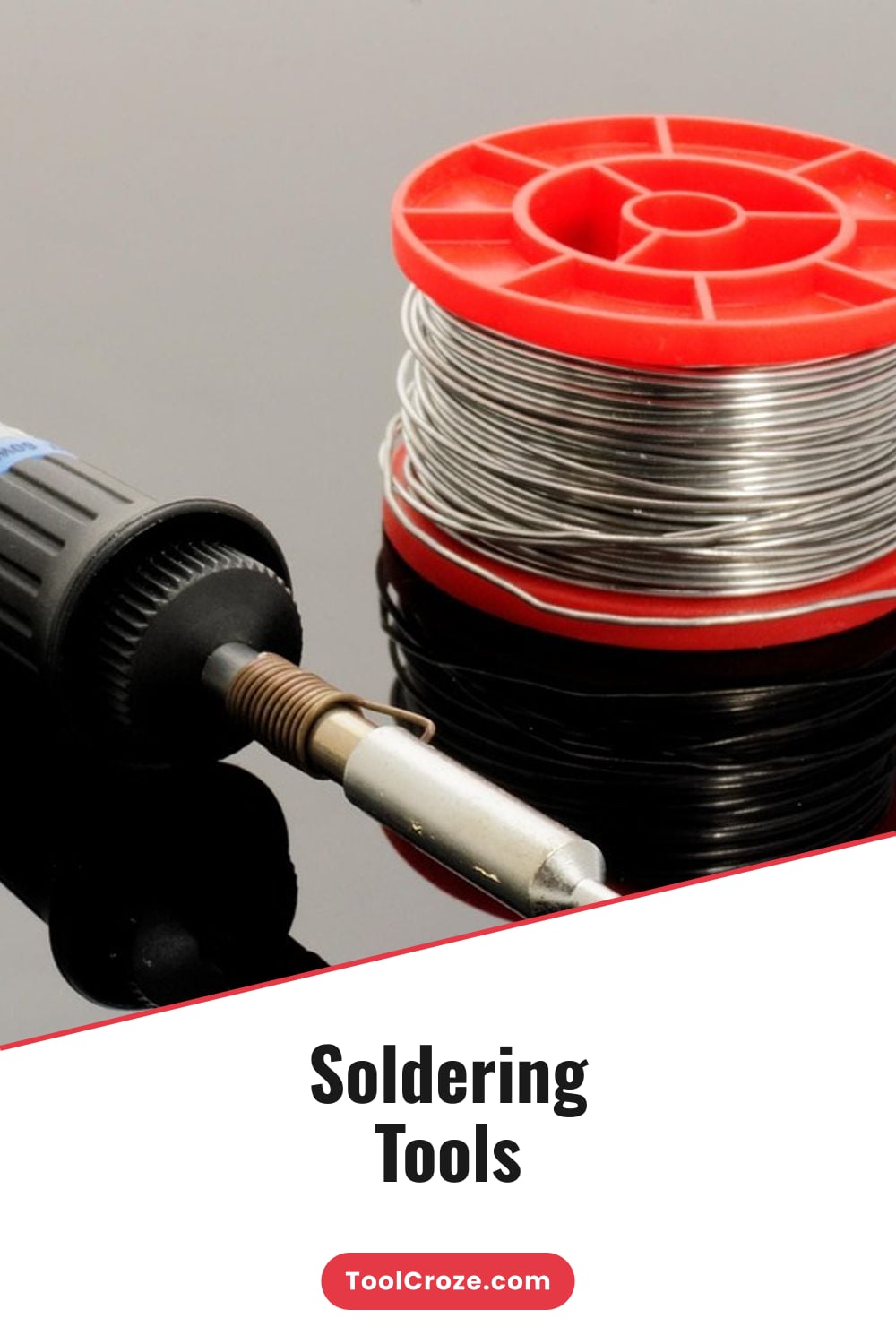
Soldering is a skill that will determine if a group of wire becomes a messy pile or becomes a clean and reliable electronic device. When a person create a perfect joint while soldering, they will look at all the cheap gadgets differentally in the future. The difference between success with soldering and having an cold solder joint that fails after six months of use is due to the tools use to solder the components.
A good tool for soldering will make the process easier for the person who does the soldering. However, a good tool will remove the variables that make the person become frustrating with the entire task. A person who is using a good soldering tool can focus on perfecting the soldering technique instead of the tools they are utilizing.
No matter what kind of project a person is working on, whether it is vintage radios, guitar pedals, or drones, the tools a person picks will determine the skill with which they can perform the work. The following tools will be required for every soldering project, from the most essential to those that are specialized for specific task. The soldering iron is the most important tool for soldering.
Essential Tools Needed For Every Soldering Project
1. Soldering Iron
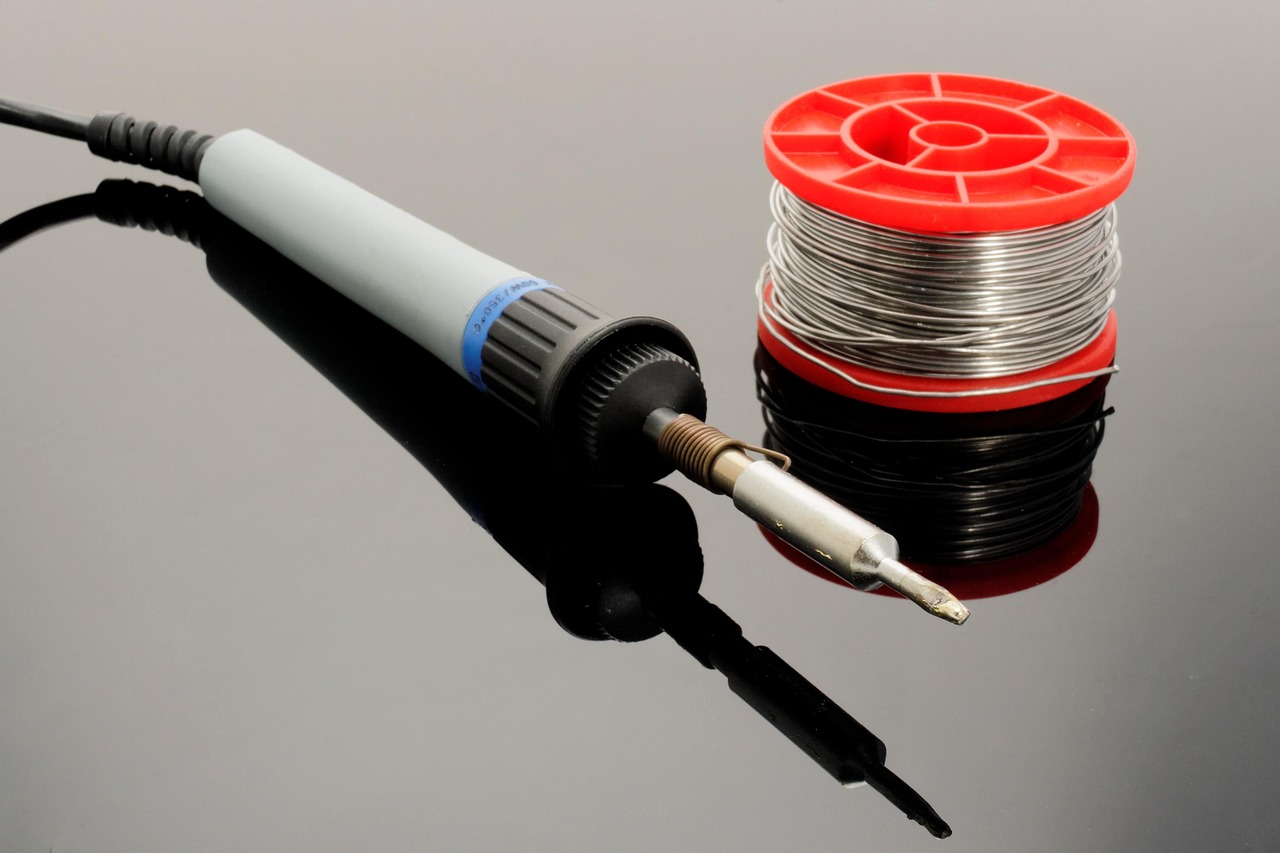
A person cannot perform soldering without heat, and the soldering iron will provide that heat to the spot where the heat is needed. Moddern soldering irons use temperature control to allow for more even heat than the old-fashioned models. These irons will hold the set temperature even when the soldering iron touches a large ground plane.
The ground plane will try to take the heat away from the soldering iron, but a good soldering iron will not change temperature. A soldering iron with at least 60 watt of power is required, as is a tip that is of the correct size for the work that needs to be performed. Using a too-small tip will make it difficult to solder heavy wires, while a too-large tip could damage delicate parts.
The soldering iron alone is not sufficient for soldering projects. A tool is required to clean the soldering iron.
2. Brass Sponge
The brass sponge is placed next to every soldering iron station for a specific reason.
Using a sponge to wipe the tip of the soldering iron will remove the oxidation and solder that has adhered to the tip of the soldering iron. A wet sponge will cool the soldering iron as it removes the oxidation and solder from the tip. A brass sponge does not cool the soldering iron.
The soldering irons will remain hot to the touch, and the solder will come out of the tip correctly. If the tip is not clean before soldering, the solder will form a bead on the tip of the soldering iron as if it is water on a greasy pan. If the tip is properly clean, the solder will flow correctly.
Keeping the tip of the soldering iron shiny is a skill that separates those who learn how to solder from those who can solder but struggle with the challenges that will arise during there projects. There are two categories of solder, and newcomers to the craft should know the difference.
3. Lead Based Solder
Lead-based solder contains a rosin core in the center of the solder and melts at a lower temperature.
This type of solder is easy to use. Professional solderers have a spool of 60/40 tin-lead solder that does not have to meet environmental regulation because of the lead content. Lead-free solder require high temperatures and exhibits more difficulty while being soldered with poor techniques.
However, lead-free solder is required for commercial products or products that adhere to the RoHS regulations. Regardless of the type of solder a person decides to use, the flux core in the solder will clean the metal surfaces that will be soldered. The solder will then be able to adhere correctly to the metal.
Without the flux, even the best soldering iron will not accomplish a good solder joint. Flux is another tool that should be in the workshop, even if the solder contains the flux. Flux can come in a small jar or a pen to apply extra flux to specific area that are challenging to clean.
4. Flux
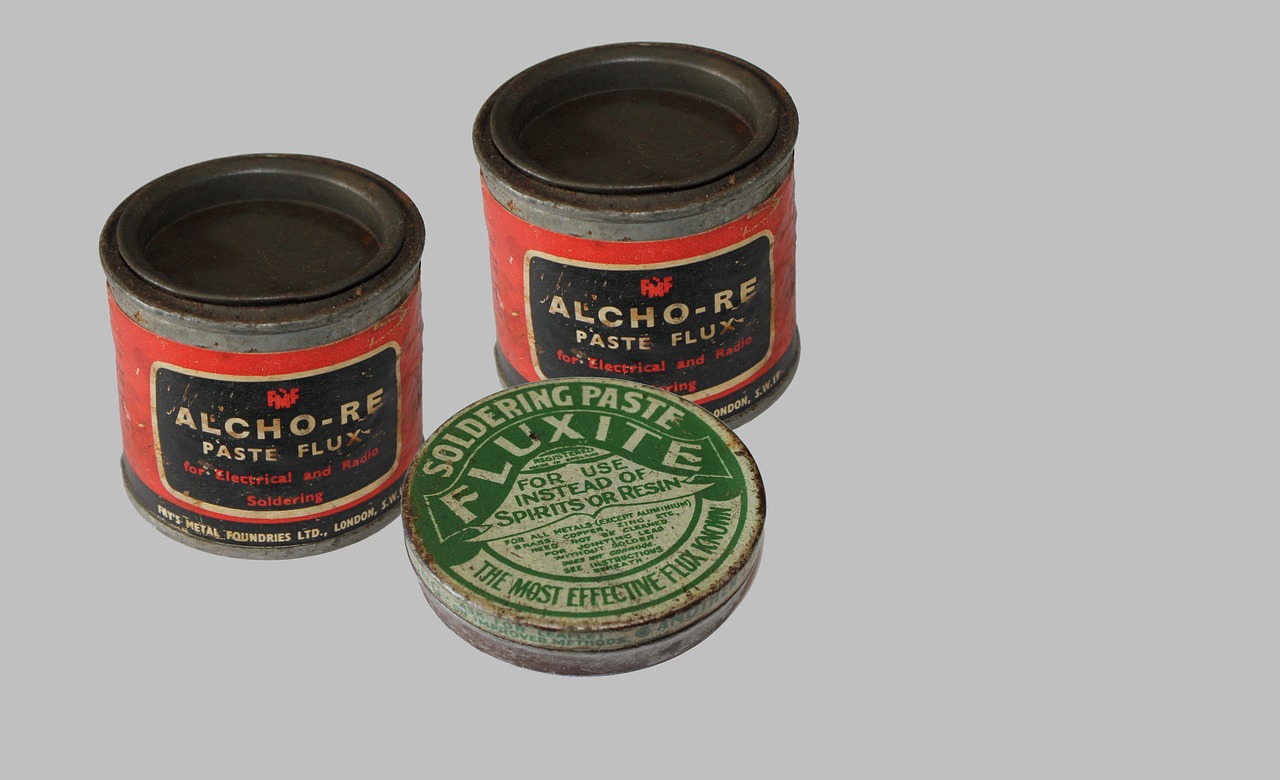
When a person is soldering components that have tarnished leads or those that have been sitting in a garage for years, applying flux will help the soldering process. If a person applies flux to specific areas prior to soldering, areas that are stubborn to solder will solder correctly on the first try. Additionally, flux will help the solder wick into the strands of the wire that must be soldered.
The flux will not adhere to the wire when a person solderes with acidic flux, so the flux must be cleaned afterwards.
5. Solder Sucker
A solder sucker, also known as a desoldering pump, will be helpful for fixing mistake during the soldering process. A solder sucker works best for through-hole parts.
To use a solder sucker, the person heats the part that is to be desoldered and then presses on the plunger to remove the solder.
6. Desoldering Braids
For surface-mount parts, desoldering braids work best. Desoldering braids are copper and will soak up the solder when heated to the same temperature as the part being desoldered.
Having both tools will make it so that one tool is better for a specific situation.
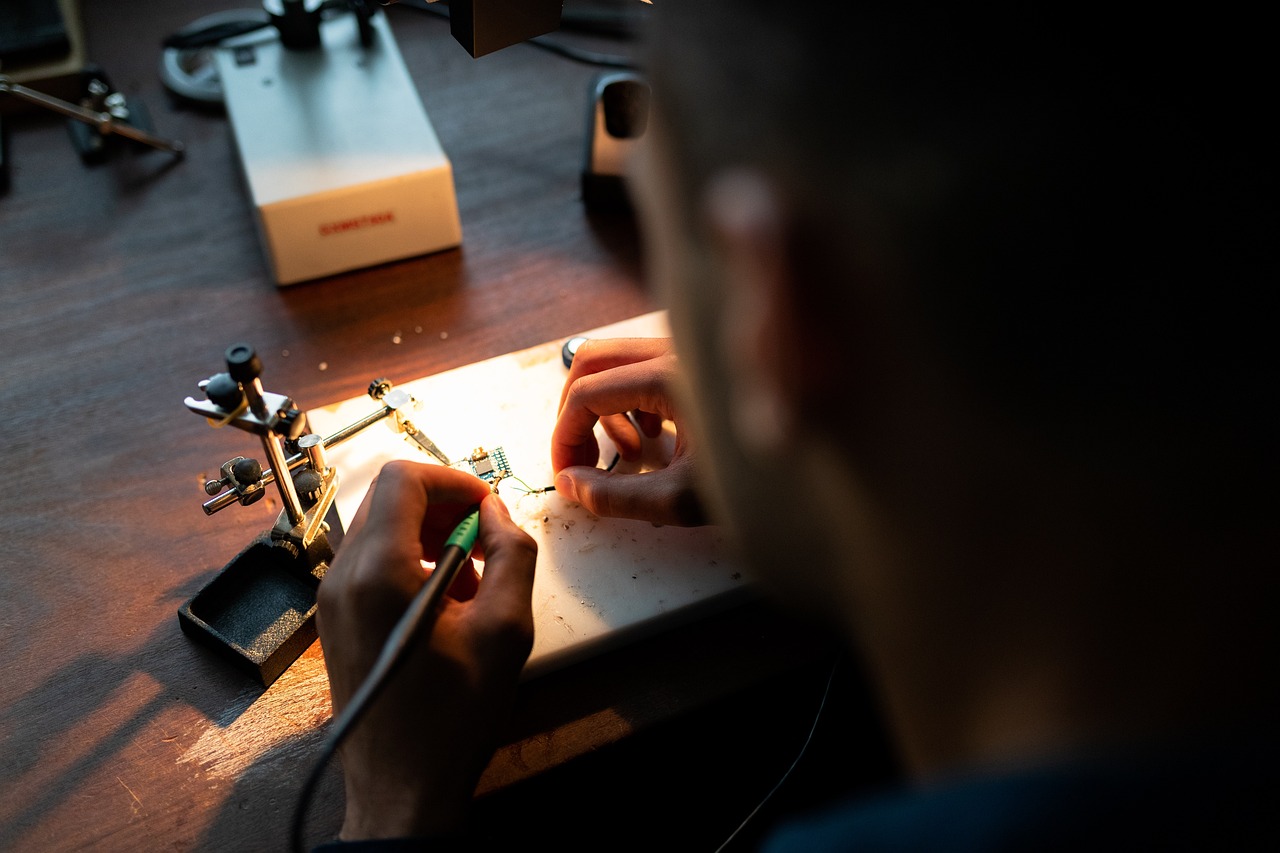
7. Helping Hands
Helping hands with alligator clips will aid a person who must hold three different objects at once. The best helping hands have built-in magnifying glasses and adjustable arms that stay in a specific position so that the person can focus on the part being soldered.
Without helping hands to hold a part, a person will create a cold solder joint. If a part is shifted while the solder is cooling, it will create a joint that may look good but will crack several month later. Once a person becomes used to soldering with helping hands, they will remember the frustrations of soldering without them.
8. Fume Extractor
A fume extractor is another tool that is used to protect the health of the solderer. When soldering, smoke is released from the soldering iron. This smoke contains rosin and lead if the solder contains lead.
A fume extractor will have a carbon filter that will pull the smoke away from the face and lungs of the person who is soldering. Using a fume extractor
