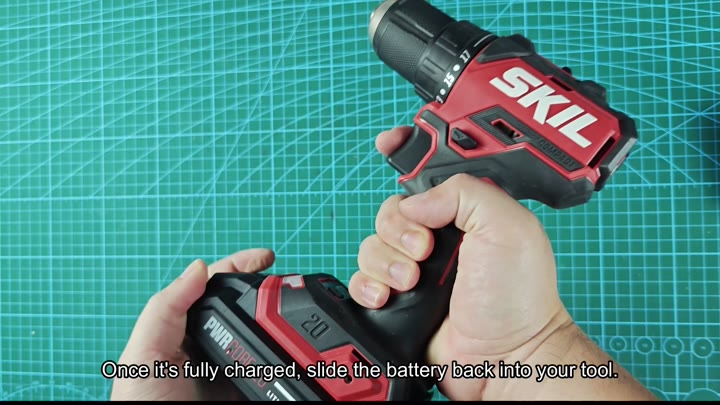
When you recharge your Skill Powercore 20V battery, there is a right way. And some small details can make the process smoother. Make sure that the battery is set up for charging correctly so it gets recharged properly. Checking out the battery beforehand will save you time when you plug it back in.
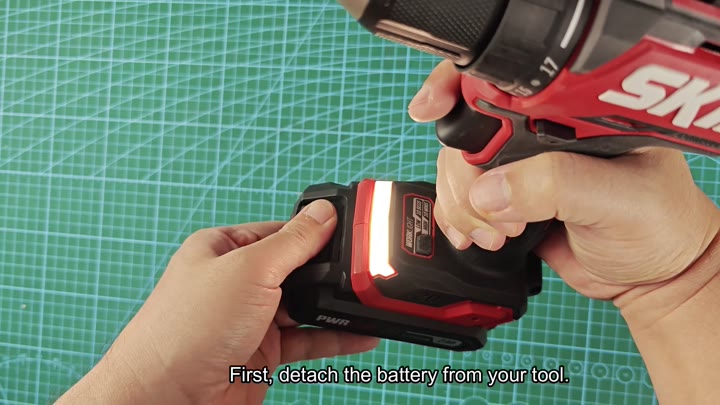
Now take the pack off the tool. Pull it loose gently; you don’t want to pull the trigger by accident. Unhook the battery and see if the LEDs is lit. That’s a good habit because then you know not to waste time. Hit that little button on the battery side where all the LEDs are, and let them show you their stuff.
Understanding Charge Times by Battery Size
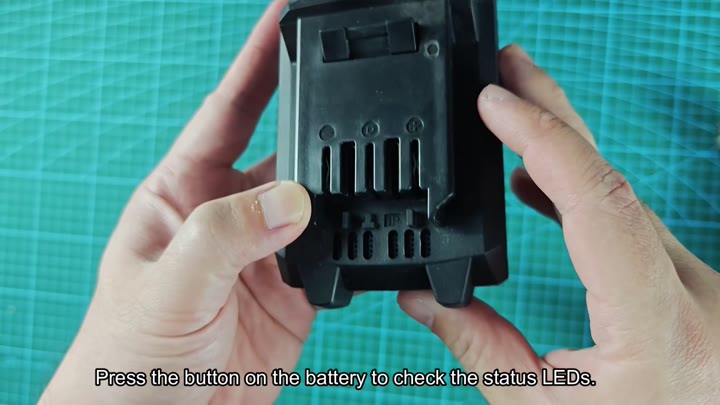
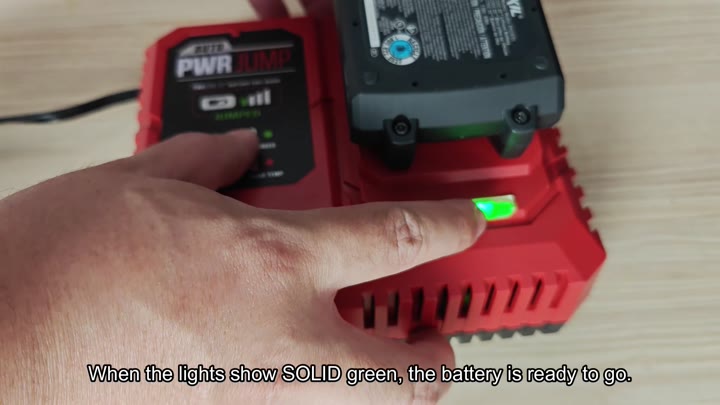
Once you see a solid green on the lights, it’s go time.
When you first get it, and the battery is totally drained, the LEDs may not turn on right away. That’s confusing for some people. Give it time… like a second or two and let the system register its state. Sometimes the pack take a minute to recognize itself. Don’t try to make it work when it’s acting up and/or feeling hot.
Avoiding this issue helps prevent problems.
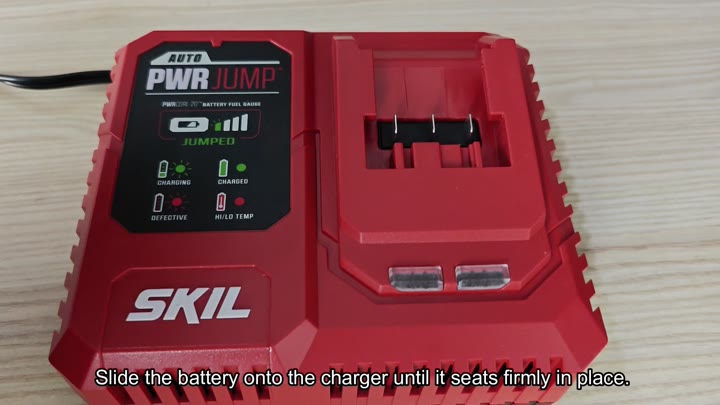
Now install the battery on the charger. Push it back on and make sure that it is seated properly. It must have a solid connection to allow electricity to pass through. If there is any play with the battery, you will see an error state. You should of feel the battery click into place.
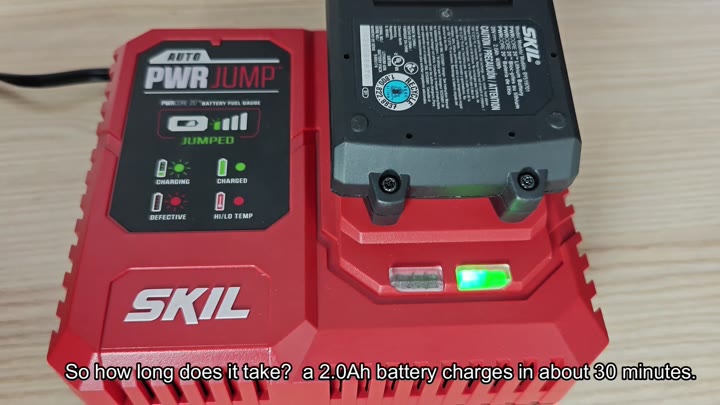
The charger screen will show you what’s going on. Green text stating “JUMPED” means the charger knows it’s got your pack.
Battery size determine charge time. Timed multiple charges are accurate. One size does not fit all. Various sizes will charge at various rates with the standard charger. Small packs charge much quicker than large packs.
A 2.0 Ah cell charges in roughly 30 minutes.
The 2.0 Ah cell will charge up in ~30 minutes, which is great if you’re going to be topping off batteries periodically throughout the day. These would work well for light household tasks where you can use them and then get them charging again quickly so that you can continue working.
The 2.5 Ah battery should take around 40 minutes, not unreasonable if your job isn’t too strenuous.
The extra ten minutes provide a bit more runtime.
An additional ten minutes of wait time
It takes longer to charge larger batteries. For instance, it will take 50 minutes to completely recharge a 4.0 Ah pack. That’s pretty standard for tool batteries used with heavier duty tools. At least you can begin charging them during other work tasks.
The 5.0 Ah will take about 60 minutes. It’s also the highest capacity available in this line of voltages. A longer charge is good for longer runtimes.
There are also lights on the charger that tell you how far along it is. When it’s ready to go, they’ll all be lit up solidly green. Even when it appears to be full, don’t pull it out yet. It’s not until they’re all solid green again that it’s finished and its chemical balance has been fixed. If it starts flashing, then it hasn’t charged just yet.
Let the system do its job without interference.
Avoid interfering with it. Let the system do its thing.
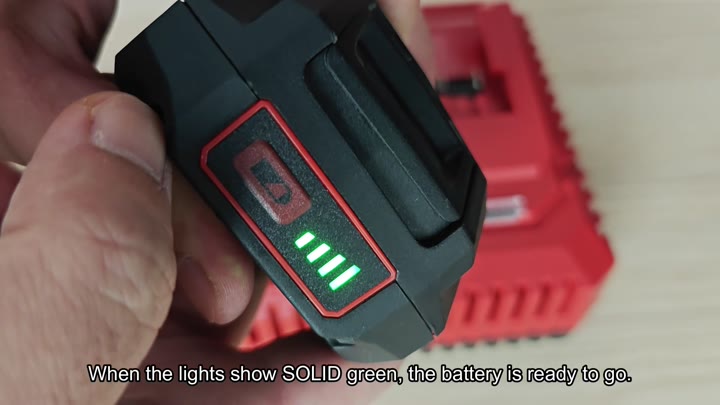
After it’s charged, remove the battery and check those LED lights again for good measure. Full means four green bars that are all lit up. That tells you the tool has a full charge. And it’s easy to believe the tools because you can see it. Don’t go guessing when it comes to your batteries. Trust what the manufacturer gives you as indicators (and those are clear).
It makes planning work much easier.
That makes it so much more easy to plan.
Lastly, reconnect the battery to the tool. Simply slide it into place and lock it into position. You’re done; your tool will run at its best now. Pull the trigger and make sure it’s operational. It will deliver power smoothly and with force. You will have no more interruptions in your workflow.
Depending on use, charging times will differ based off model. For simplicitys sake, stick with the regular charger. Third party chargers may act differently. These have yet to be tested. Best to go with the recommended charger. Keep it simple and do as directed. The process is straightforward if you follow the steps.