
person may experience a situation where the Ryobi 40V chainsaw does not work when the person intends to perform yard works. The person may press the trigger on the 40V chainsaw, yet the 40V chainsaw does not emit a loudly noise or it makes a faint click. In such a situation, a person may feel that the Ryobi 40V chainsaw is an expensive tool that does not work when it is needed.
Such a situation is frustrating when the Ryobi 40V chainsaw are supposed to provide power and convenience for the homeowner yet, when it does not work, those who know where to look for the problem with the tool can easily recognize the cause of the failure. Ryobi 40V chainsaws may fail in a few different ways. However, even the newest Ryobi 40V chainsaw owner can recognize most of the failure codes, and even without the use of a professional technician, the Ryobi 40V chainsaw can be fixed.
As with any tool that homeowners or weekend warriors may use in the yard, there are a few specific problems that many people may encounter with their Ryobi 40V chainsaw. By using the steps that are described in the following paragraphs, a person will be able to get the Ryobi 40V chainsaw back to running in a short amount of time, and the person will have learned more about how the Ryobi 40V chainsaw works. The very first step in fixing the Ryobi 40V chainsaw is to rule out the battery as one of the potential cause of the failure of the tool.
Common Reasons Your Ryobi Chainsaw Stopped Working
1. Battery Issues and Contact Points
If the battery is not fully charged or is not properly placed into the Ryobi 40V chainsaw, the Ryobi 40V saw will not perform as it should. The Ryobi 40V chainsaw uses batteries that contains lithium-ion technology. These types of batteries are used to supply the Ryobi 40V chainsaw with the torque that it requires to perform yard work.
Additionally, the battery also requires that the metal contact points are kept clean of dirt and corrosion. To check the battery, the person should remove the battery from the Ryobi 40V chainsaw and inspect the points of contact on both the battery and the Ryobi 40V saw. If the person finds any issues with the contacts, the person should wipe those contacts with a dry cloth to remove the dirt or corrosion.
Another issue with the Ryobi 40V chainsaw is if the battery that is being used actualy does not have the proper charge level. It is possible for Ryobi 40V chainsaw batteries to contain weak cell within the battery that make it seem as if the battery has the proper charge level (as indicated on the battery), yet the battery cannot provide the proper amount of amperage to the saw’s motor. If the person finds that the battery’s indicator is fully charged, the person should attempt to use a different battery.
Swapping batteries takes thirty seconds, which is a small time commitment for a saw that will save the Ryobi 40V chainsaw owner a trip to the service center. Additionally, if a Ryobi 40V saw motor appears to have failed, yet the battery swop fixed the problem, the person will understand why the Ryobi 40V chainsaw motor seemed to fail; due to the battery. A third step that should be performed is to inspect the saw’s chain brake.
2. Chain Brake Engagement
The saw’s chain brake is a safety mechanism that can remain in the engaged position without the owner knowing. The Ryobi 40V saw includes an inertia-style chain brake that can become tripped if the saw tool is bumped or stored in an odd angle. To inspect the chain brake, the person should look to the lever on the saw that is located near the top handle.
The chain brake will be in the engaged position if the lever is in the forward position. To release the chain brake, the person should pull the lever toward the saw’s operator until it makes a distinct click. Following this adjustment of the brake, the person should attempt to turn on the Ryobi 40V saw again.
This step is the most basic of the fixes to the Ryobi 40V saw, yet many people who own the Ryobi 40V saw who are more experienced may spend twenty minutes attempting to fix the saw before they remember to inspect the chain brake. Yet this small correction to the saw is important in that it prevents the chainsaw’s very sharp cutting chain from traveling too quick in the case of a kickback event. The design of the chain brake is intentional and as it was designed to work.
3. Cutting Chain Tension
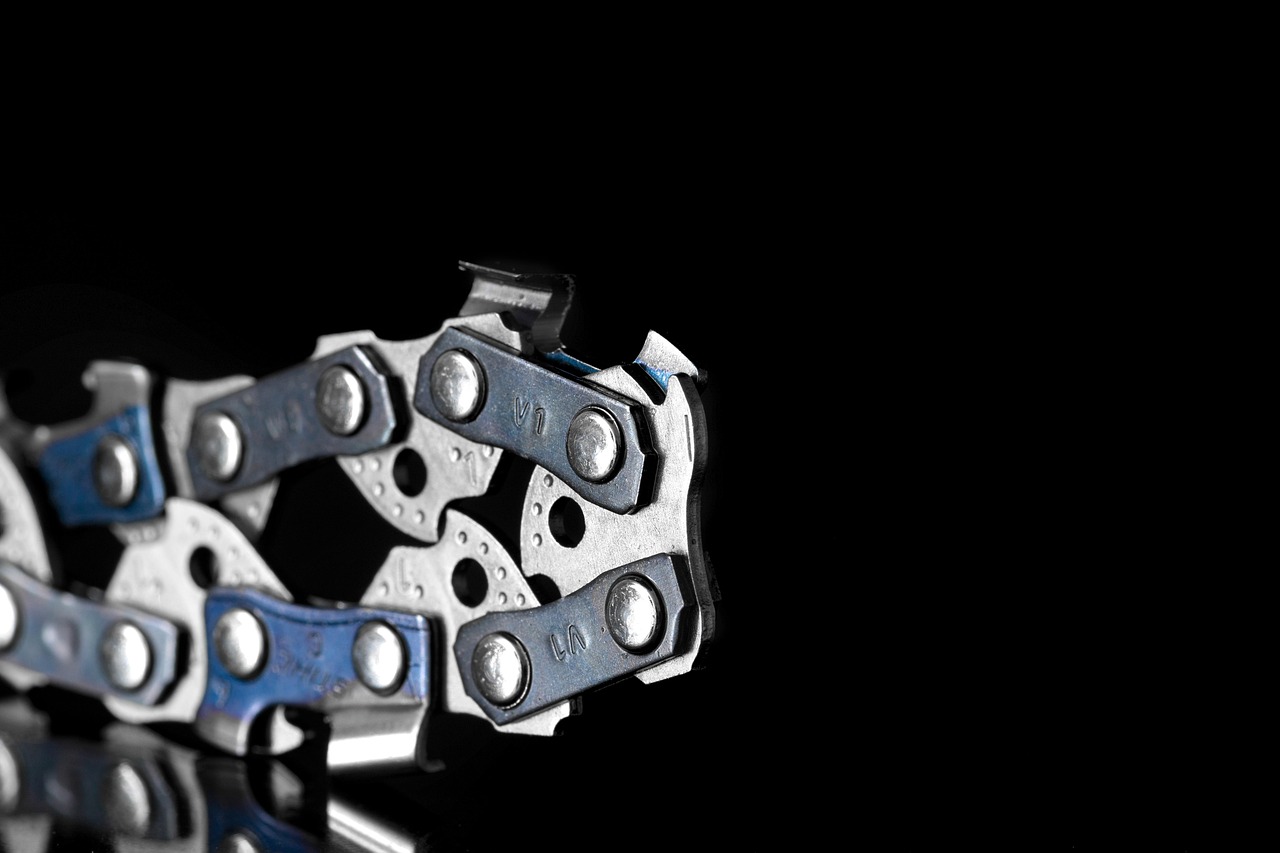
The next issue with the Ryobi 40V chainsaw could be related to the tension of the saw’s cutting chain. If the saw’s cutting chain is too loose, it will cause the saw to trip its overload protection switch that shuts the saw motor off. To adjust the saw’s chain tension, the user should loosen the saw’s bar nuts.
A screw on the saw’s bar will allow the user to adjust the tension of the saw’s cutting chain so that it makes contact with the bar. After adjusting the saw’s chain tension, the bar nuts should be retightened. The saw owner should be able to pull the saw’s cutting chain around the bar with some effort.
4. Dull or Worn Cutting Chain
Additionally, the cutting chain can become dull over time with use in performing yard work. When the cutting chain’s teeth are dull, the motor has to work harder to perform the cutting. Additionally, the motor will begin to heat up from the excessive effort the motor must perform to move the chain; it can even cause the saw’s thermal protection switch to become activated.
If the Ryobi 40V saw is making fine sawdust with its cutting chain instead of thick logs of wood, then the cutting chain needs to be sharpened or replace. Using a sharp cutting chain will reduce the strain on the Ryobi 40V saw’s 40V system. The next issue with the Ryobi 40V saw is if the saw’s bar is damaged.
5. Damaged Saw Bar
The bar’s cutting grooves may become worn or roughened with regular use of the saw. To inspect the saw’s bar, the person should remove the bar from the saw. Additionally, if the saw’s bar is worn only on one side, the person should flip it over so that the saw can use the other side of the bar.
Files can also be used to remove any rough spot that may be created on the bar due to use of the saw. Finally, if the bar is visibly bent or if the saw’s nose sprocket is damaged, the bar will create a drag on the saw that the 40V battery cannot overcome. This issue with the Ryobi 40V chainsaw is important because people often blame the saw motor for the issue.
Yet the saw’s 40V brushless motor is a very robust motor; it will shut itself off before the motor’s electronics burn out. Thus, the motor will shut off if there is a bind on the saw chain. Such a bind may be caused by any of the issues that were mentioned in this paragraph.
6. Blocked Air Intake Slots
A fourth potential cause of the failure of a Ryobi 40V chainsaw is if the air intake slots on the saw are blocked with sawdust or leaves. Overheating of the saw motors can lead to damage of the tools, especially cordless saws that are using Ryobi’s batteries. The air intake slots are on the saw near the rear handle.
These slots allow the motor and motor controller to cool. If the saw’s air intake slots are blocked, it will cause the saw motor to overheat, which will also activate the saw’s thermal protection switch that turns the motor off. To clean the air intake slots, a person can use compressed air or a soft brush to remove the debris.
Additionally, the person should also remove the chain and bar to remove debris from the drive sprocket. This maintenance step only takes five minutes. Yet it will allow the saw to avoid the same issues that are often blamed on a failure of the batteries.
7. Faulty Trigger Switch
If the Ryobi 40V chainsaw still does not start up after following these steps and inspections, then the trigger switch for the saw may be the issue. The trigger switch is one of the most common failures for the Ryobi 40V saws. The person can inspect the switch by removing the saw’s battery.
Then, the person should press the trigger and listen for a click. If there is no click, then the switch has failed. Additionally, the person can repair the saw switch by opening up the saw (which requires a few Torx screws).
Inside the saw, the user can look for broken wires or corrosion of the switch terminals. If found, the replacement switch for the Ryobi 40V chainsaw is inexpensive and straightforward to replace. Thus, this fix is one of the more advanced fixes to the Ryobi 40V saw.
8. Motor Controller Board Failure
Yet it is still within the capabilities of most saw owners to fix the problem themselves with the purchase of one inexpensive replacement part. The final issue with the Ryobi 40V saw is if the motor controller board fails. This component of the saw is what allows the battery to send the power to the motor.
This motor controller board component can fail as a result of water exposure, overheating of the tool, or the age of the tool. Some of the signs of a failing motor controller board include the saw starting up for a few seconds before dying, or the trigger switch does not work when the battery shows that it have power. The only way to fix the motor controller board is to purchase a new one or to send the saw in for service.
Ryobi made these components modular so that a saw manufacturer could purchase a replacement motor controller board for the saw for less money than purchasing a new saw. Finally, a person should also consider one last cause of the failure of the Ryobi 40V chainsaw: improper storage. These types of saws can be damaged if they are not properly stored.
9. Improper Storage Practices
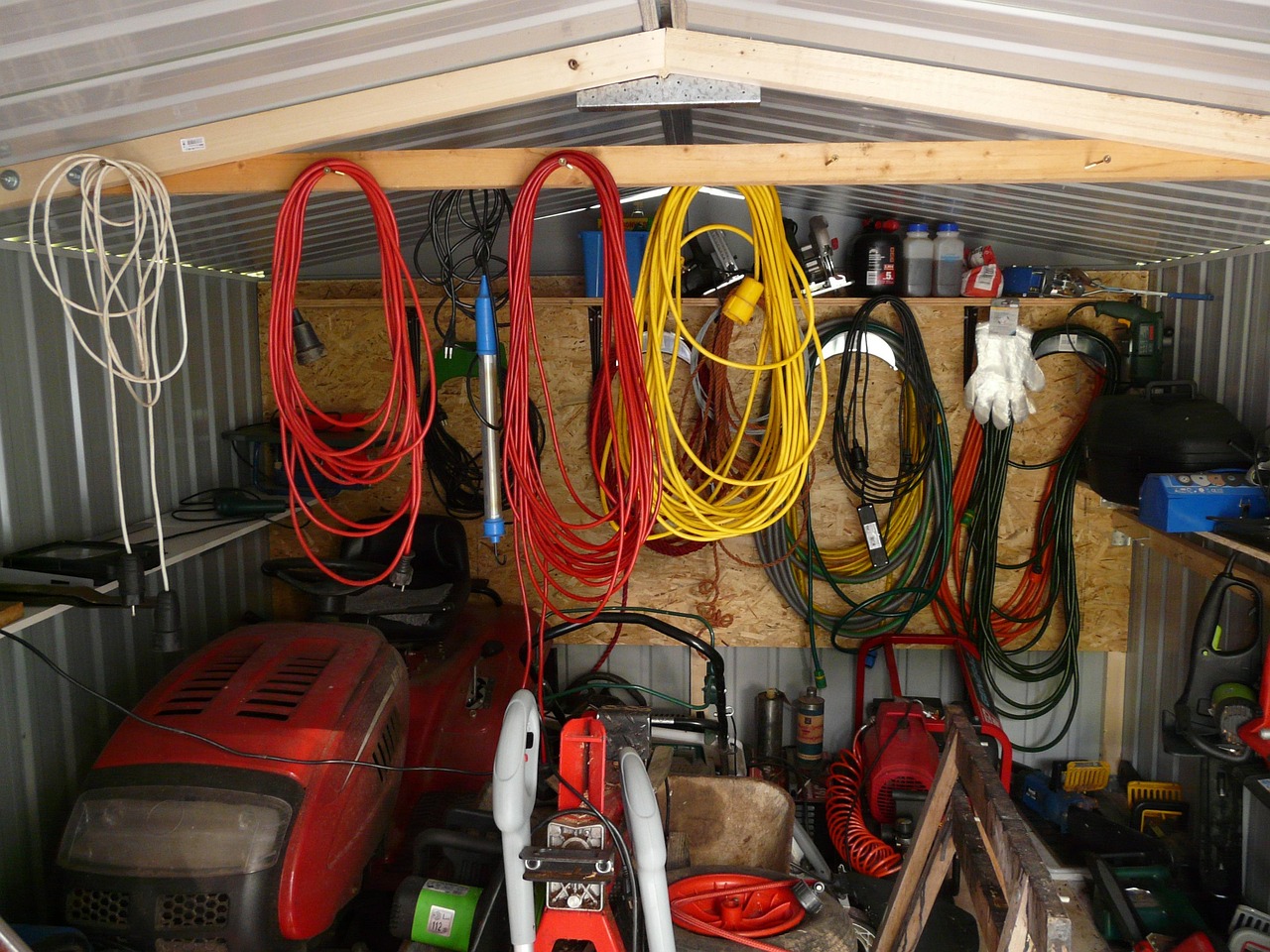
For instance, the Ryobi 40V saw should be run dry before storage for the winter so that the chain oil does not dry on the saw bar. Additionally, the battery should be set to around 50% charge when stored for the winter. Finally, the saw should stored in a dry location that does not experience large changes in temperature.
By following these steps in order, a saw owner will most likely find that their Ryobi 40V saw was not actually broken. Instead, it was simply waiting for the saw owner to tend to the saw. Thus, once the Ryobi 40V saw is running again, the sound of the saw will remind the saw owner of the reason for the purchase of this saw model.
