
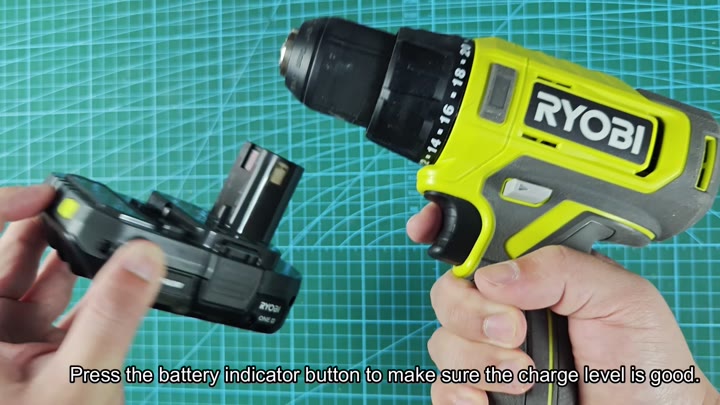
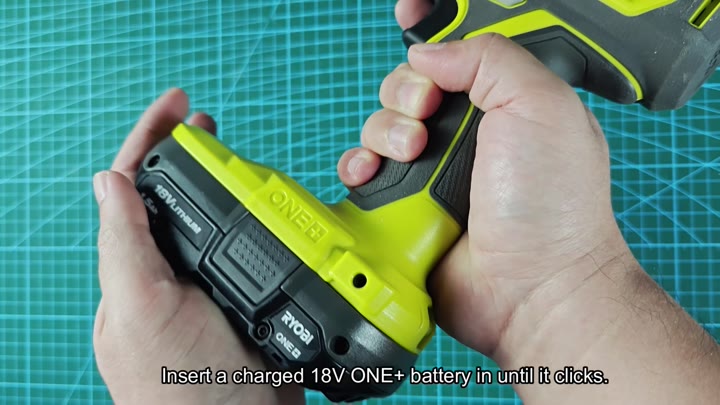
The 18V ONE+ battery slides in and clicks securely onto drill. Before beginning any task, make sure you have enough charge so your battery doesn’t go out halfway through a project. To check the battery’s charge, simply push indicator button located on the pack, and if you see a glowing green, then you are good to go.
Next comes the controls. On body of the tool, you’ll find forward-reverse toggle and the two-speed selector. The selector let you set your drilling speed to avoid unnecessary wear and tear on your fastener or material.
Testing on Hard Materials
There’s also a mode selector that lets you adjust torque clutch settings or turn them off to use it as just a drill.
Getting familiar with these features early will make using the tool easier.
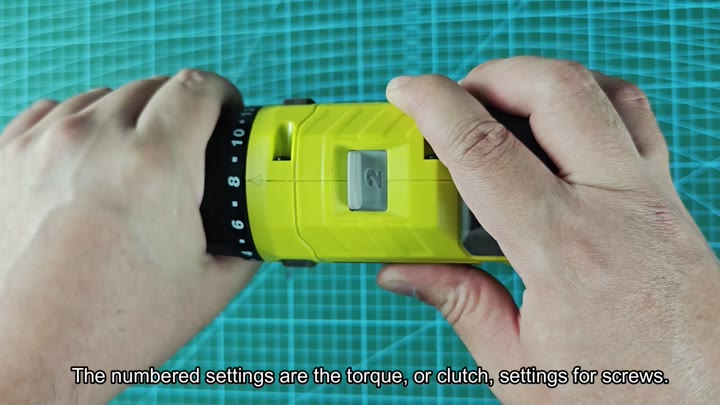
The first challenge is to drive in some screws. The numbers on the collar are torque settings. Lower settings is better because they make it less likely that you will strip a screw head. Set it to forward and start driving in a screw into a test panel. When it hits that proper amount of resistance, it’ll release the clutch.
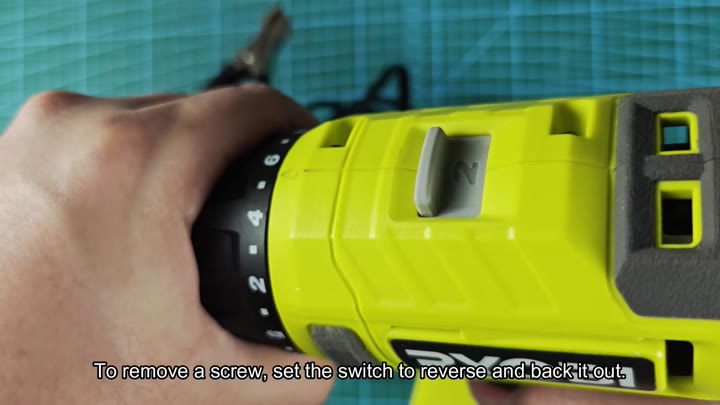
Flip it around and unscrew same screw. Set the switch to reverse, and you back the screw off easy with no change in settings or tool. It is fast and clean to remove so you do not need a different tool.
This is a simple way to save some time during a disassembly job.
Next you drill some wood
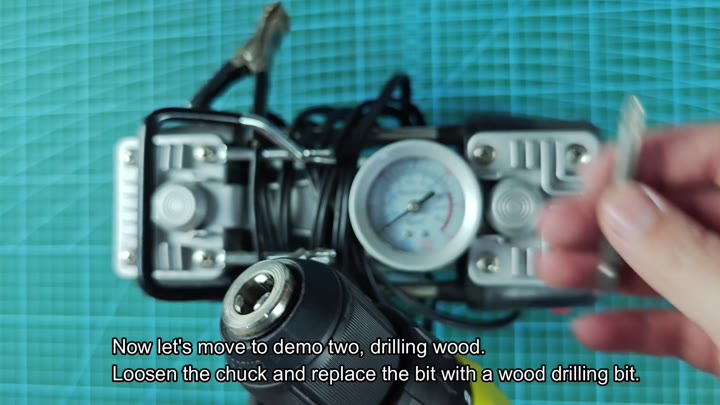
You are switching out bits for your wood drill again. Remember to tighten the chuck anti-clockwise, then lock it down tight. This is important because it makes everything precise and safe.
Putting in the drill mode engage the full power of the machine without any clutch so you can bore out a hole with maximum torque.
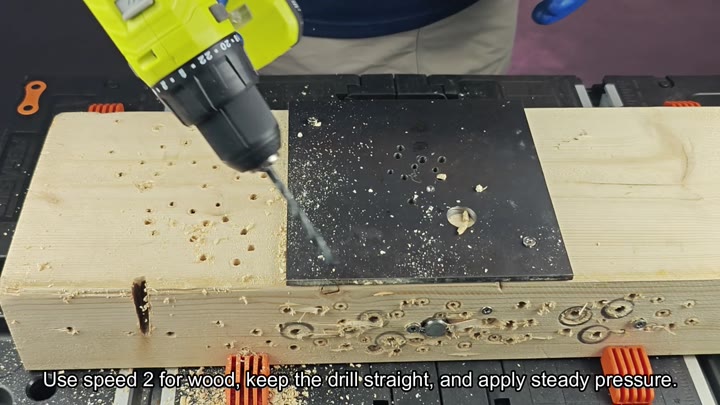
For this job, you choose speed 2 as it balances power and control. By maintaining a straight hand position on drill and using consistent force, you create neat holes in wooden object. Using the two-speed system ensures that the drill is matched to the job needs.
Finally, you test drilling into concrete. Because this model (PCL206) has no hammer function at all, it can’t pound its way through masonry as dedicated rotary hammers can.
Nevertheless, you go ahead and put on a masonry bit and try it out in regular drill mode. Yes, it will bore a hole through the wall but slowly. It is noticebly slow.
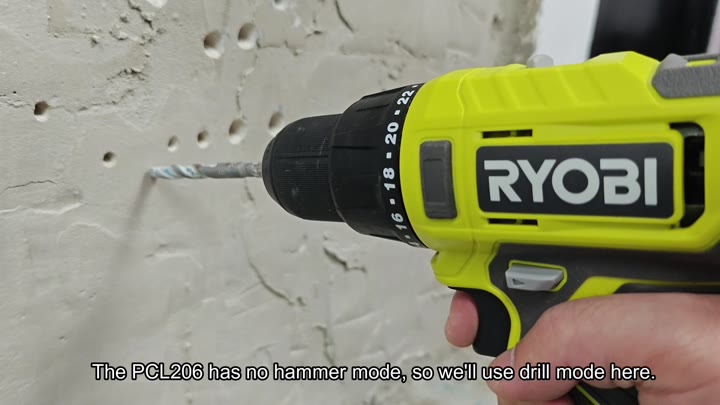
Patience is essential when drilling concrete without hammer action. It will take a while as it just uses rotation of the bit to grind its way through the concrete. It also takes considerably more effort then with a true hammer drill. This brings us back to having specialized tools for the tough masonry jobs.
Drilling concrete without hammer action require patience.
The key with any drill is learning how to use it correctly; in this case, knowing which mode to operate it in for what application. Use clutch control for screws, direct drive for wood, and realize that it is not going to do a very good job at masonry applications.
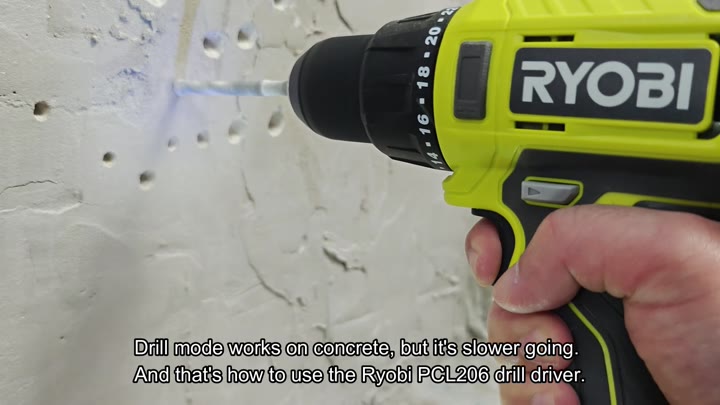
These tests will tell you specifically where your drill excels and where it doesn’t so you know its limitations and won’t get frustrated out on the jobsite. You should of practiced more with different materials.
