
An orbital sander is a workshop tool that is intended to provide smooth sanding finishes without create swirl marks in the wood and without causing difficulties in its operation. However, if an orbital sander begins to vibrate, if it creates swirl marks on sandable hardwood, or if any of the other problems noted in this article begin to occur with the tool, the frustration levels of the woodworker will quickly decline. These common problems with orbital sander are encountered by almost all woodworkers during the life of their tool.
However, if these problems can be recognized early in their development, the necessary actions to fix those problems can be taken to avoid frustration. Ridgid orbital sanders are some of the most common sanders in workshops due to the manufacturers’ commitment to provide a tool that offers the best balance of power, weight and price among its competitors. However, the simple design of Ridgid sanders is also the cause of several of these problems.
Each of these problems range from the frustrating to the potentially-damaging of workpieces if ignored. However, if recognized early, each problem has a specific cause, has a simple means of diagnosis, and has a fix to restore its function to near-new condition (at minimal cost). The most common problem with orbital sanders is in the tool’s ability to effectively collect the dusts created during sanding operations.
Common Problems With Ridgid Orbital Sanders
1. Poor Dust Collection

This problem occurs for a specific reason. If the hook-and-loop pad becomes clogged with wood particles, or if the dust port lose its suction ability to remove the generated dust, then the sander will begin to collect the sanding powder on its working surface. In addition, the pad’s sandpaper will load up with dust after only a few minutes of operation.
This problem is caused by the internal fan that removes the dust particles becoming blocked, or by the seal between the sander’s dust canister becoming worn. To fix this problem, the dust port can be blown out using compressed air. However, if the suction is still not restored after this effort, the felt pad that seals the sander’s dust chute will need to be replaced.
In most cases, replacing the sander’s bag with a shop-vac dust adapter will fix the problem. In addition to improved suction, the abrasive sandpaper will last longer. After performing this fix, the wood surfaces that are sanded will have fewer scratches, will generate less heat with operation of the sander, and will require less sanding with hand sandpaper before staining the wood.
2. Excessive Vibration
The next most common problem with orbital sanders is the vibration that travels up the woodworker’s forearms. Vibration is a problem that will force a woodworker to take a break in the middle of a project when they use the sander for long periods of time. After using the sander for around thirty minutes of continuous operation, the sander may begin to shake strong enough to make the woodworker’s hands and arms numb.
This problem is almost always caused by a sanding pad that has lost its balance. The pad’s small metal weights can become loose, or the rubber dampers between the motor and the pad may have hardened over time. To fix this problem, the sander can be operated without any sandpaper.
If the vibration is still strong enough to make the woodworker’s arms numb, then the hook-and-loop pad will need to be replaced. In addition to the pad, the three eccentric bearings inside the sander should also be inspected. Applying a small drop of lithium grease to the bearings will extend the sander’s life by another year or two.
3. Swirl Marks
This fix takes only twenty minutes to complete. Random orbit sanders are designed to create a smooth orbit with the pad through the use of a tiny eccentric orbit that is created within the sander. If the eccentric orbit becomes worn or damaged, the sander will create swirl marks in the sanding process that become visible only after the wood is stained.
This problem is the result of either a worn drive bearing or a stretched rubber O-ring between the motor shaft and the sanding pad. To fix this problem, the woodworker should listen for a change in the sander’s sound. When the sound changes, the sander should be stopped immediately.
A woodworker can replace the eccentric shaft bearing using only a few sockets and some hand strength. Replacing the O-ring with one of the appropriate durometer will restore the tool’s ability to create the popular sanding patterns. If this fix is skipped, the woodworker will need to sand the swirl marks with a 400 grit sandpaper.
4. Motor Sparking
When the motor of a sander begins to spark with each use, it is a sign that the motor is near the end of its life. Ridgid orbital sanders are known to have motors that are among the most durable available in the market. Still, the carbon-based brushes within the motor will wear with time.
As the sander reaches the end of its life, the sander will struggle to maintain its speed when it is pressed against a section of wood. Eventually, the sander may begin to emit blue sparks from the motor. Replacing the motor’s brushes will take the woodworker only ten minutes of their time.
The cost of the new brushes will be less than the cost of a single disc of sandpaper. In addition to the replacement of the brushes, the carbon dust around the motor commutator should also be blown out with compressed air. If the sander is maintained in this way, it will operate at full power, will generate less heat, and the life of the sander’s bearings and sanding pad will be extended.
5. Uneven Sanding Pad Wear
The Ridgid orbital sander will be able to be used daily for another two to three years before it need to be replaced. If the sanding pad wears differently on each side of the pad, this could indicate that the sander was being leaned into one edge more than the others. Over a long period of time with this issue, the bearings will become permanently set in this angle.
They will never be able to sand any surface to be perfectly flat with the wood planer. To avoid this problem, the woodworker should maintain a straight wrist when operating the sander. This problem can be avoided by operating the sander as if the weight of the tool is meant to do the work.
In addition to the replacement of the pad with a new one, the eccentric bearings should be replaced. If the sander continues to be operated with a bent sanding pad, the problem will be transferred to the next pad that is replaced. A fresh pad will feel as if it is almost weightless in the woodworker’s hand, and the sanding will be even and flat to a degree that no other sander will achieve.
6. Damaged Power Cord
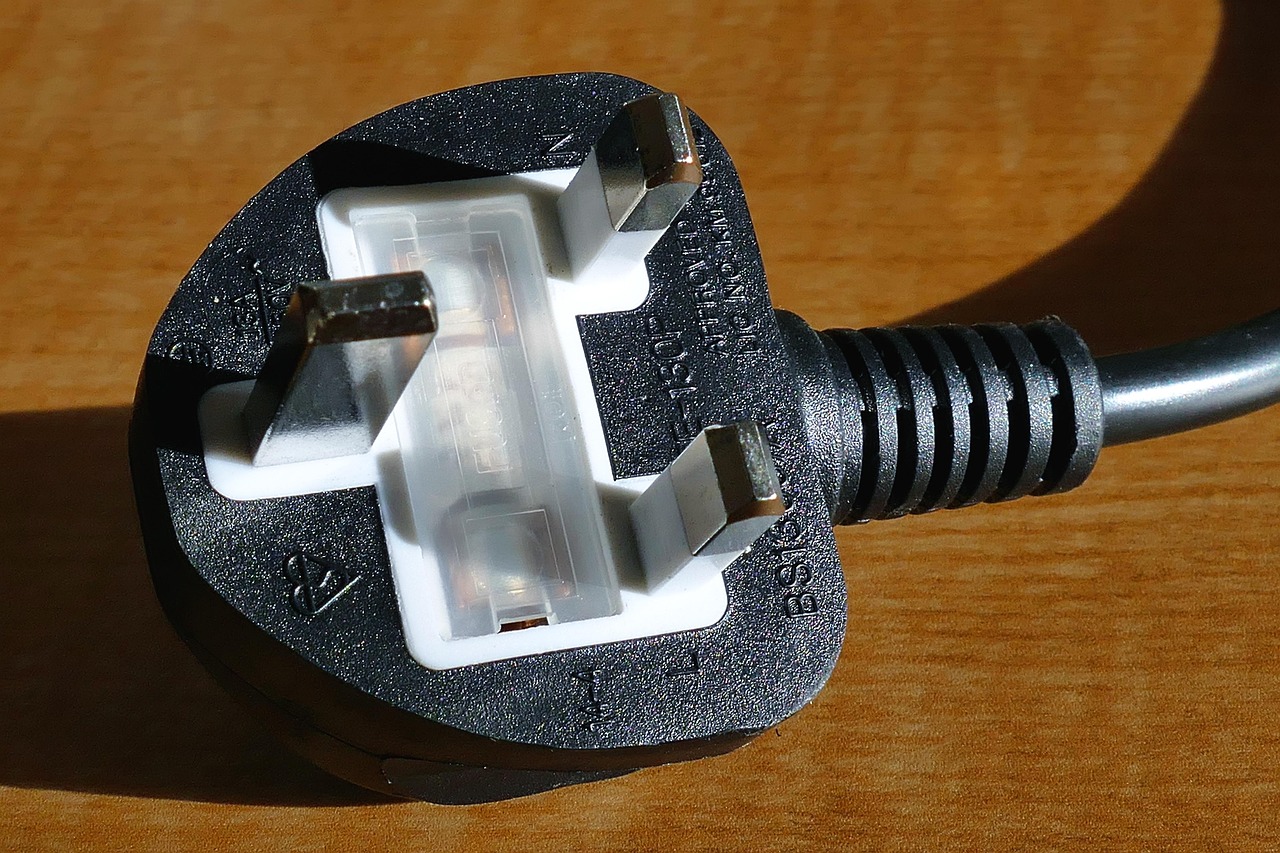
The strain reliefs on the power cord of a sander will crack over time after the sander is flexed repeatedly. The rubber boot of the strain relief will split, exposing the wires that flex at the point of the sander’s housing. Eventually, these wires will break within the insulation of the cord.
The solution to this problem is relatively simple: use a new strain relief grommet and a short length of new power cord. When the new cord is inserted into the sander, an overhand knot can be made within the sander’s housing to allow for future tugging on the sander by the woodworker. This five-dollar fix will prevent the woodworker from having to visit the repair shop to fix the sander, or to purchase a new one.
7. Tool Overheating
When a Ridgid orbital sander overheats during operation, it will force the woodworker to set the sander down every fifteen minutes. The most common causes of overheating of the sander is either clogged vents or a failing bearing. Ridgid sanders will overheat to the point of discomfort for the woodworker.
The motor will begin to emit a smell of burnt insulation. The vents should be cleared with a shop vacuum and a wooden skewer every few weeks. If the sander still overheats after this effort, the rear motor bearing may be seizing.
Placing a single bearing onto the armature shaft will lower the sander’s temperature of operation, and will allow it to operate for its full time rating. The overheating of a sander is problematic because the heat is what will melt the plastic gears that control the orbital sander. This destroys the life of the sander.
8. Unresponsive Speed Controls
Variable speed controls for orbital sanders may not respond smoothly to the woodworker. The electronic dial can become worn on Ridgid models due to the dust that enters the potentiometer. The solution to the problem of the worn dial is to perform a quick cleaning of the dial with a shot of electrical contact cleaner.
If the dial is still gritty after this effort, the speed board should be replaced. Setting the speed control to 4000 orbits per minute will allow the sander to effectively polish the sanding surface without burning the finish, or creating heat haze on cherry or maple wood.
9. Seized Orbiting Pad
The final and most serious problem with orbital sanders is the pad ceasing to orbit. Instead, the sander will vibrate in a tight, angry circle. One of the two main bearings for the sander has seized. If this problem is allowed to continue, the sander will chew up the gear train and become an expensive paperweight.
However, the replacement of both the upper and the lower bearings, as well as the drive shaft, will be less expensive than purchasing a new Ridgid orbital sander. The repair will require patience and the use of pullers of the appropriate sizes to remove the seized components. Once these bearings are replaced, the sander will return to the feeling of smooth operation that it had while new.
Many woodworkers who have performed this repair will tell you that their sander now operates smoother than when they first purchased it. Each of the problems with Ridgid orbital sanders shares one common theme regarding their development. Each of these problems will develop gradually if the woodworker pays attention to the sound that the sander makes while in operation, the way that the sander feels during operation, and the behavior of the dust that the tool creates.
By recognizing these problems early in their development, a weekend of frustration will be replaced with a ten-minute tune-up to restore the sander to its original performance. Thus, another reason that Ridgid orbital sanders are constructed in a way that can be serviced as opposed to being discarded is that many woodshop owners continue to use their Ridgid orbital sanders after ten years of purchase. You should keep a small kit on your shelf that contains spare brushes, a backup pad, and a set of bearings.
When the next symptom appears, you will already know which part of your mental manual you need to open. This is what separates the woodworkers who fight with their tools from the woodworkers who finish their projects on time with a smile.
