
Electricity is a force that require respect from those that use it. Electricity becomes dangerous in the case that electricity no longer cooperate with the individuals in question. For instance, an individual may be using a circular saw to cut a pieces of lumber, but if the circuit breaker for the outlet trips, the saw will stop working.
In some instances, a person may smell ozone in the air after a circuit breaker trips. Power tools transform electrical current into mechanical energy in order to allow individuals to complete tasks within the home. Because of this function of power tools, however, they also present a hazard to those that operate them if they dont follow the rules regarding electrical safety.
Ignoring the safety rules for power tools can lead to various types of injuries to those individuals, from mild electric shocks to more serious burn injuries. Most electrical accidents can be avoided if individuals understands the various types of electrical accidents and how to avoid each of these potential problems. This paper will provide information that will allow the reader to understand each of these potential electrical accidents, the ways in which the accidents can be avoided, and the importance of adhering to each of these safety rules to ensure the safety of individuals in the workplace, especially those who will be in contact with the tools for long periods of time.
Essential Electrical Safety Rules for Power Tools
1. Inspect Power Tool Cords
Before using any power tool, inspect the cord that is attached to the tool. Any damage to the cord could result in the tool creating an accident for its user. People often subject tools to various types of damage, such as being stepped on, run over, or yanked from there electrical outlets.
Furthermore, the cords are subjected to damage at specific area of the tool, such as where the cord enters the tool case, and where the cord and plug meet. If the individual finds the cord damaged in any way, they should either purchase a replacement cord for the tool or purchase a new tool altogether. Replacing the cord take minimal time, but using a damaged cord can lead to short circuits that weld metal tools to an individual’s skin.
2. Avoid Modifying Three-Prong Plugs
Another rule that should be followed is that an individual should never modify the three-prong plug on a tool in order to allow it to be plugged into a two-prong outlet. Manufacturers implement the grounding pin on the three-prong plug in order to provide an area for electrical current to travel to the earth, instead of passing through an individual using the tool. While using adapters to remove the ground pin may allow an individual to complete a task on time today, it removes the area of protection that was provided to that individual.
3. Use Correct Extension Cord Gauge
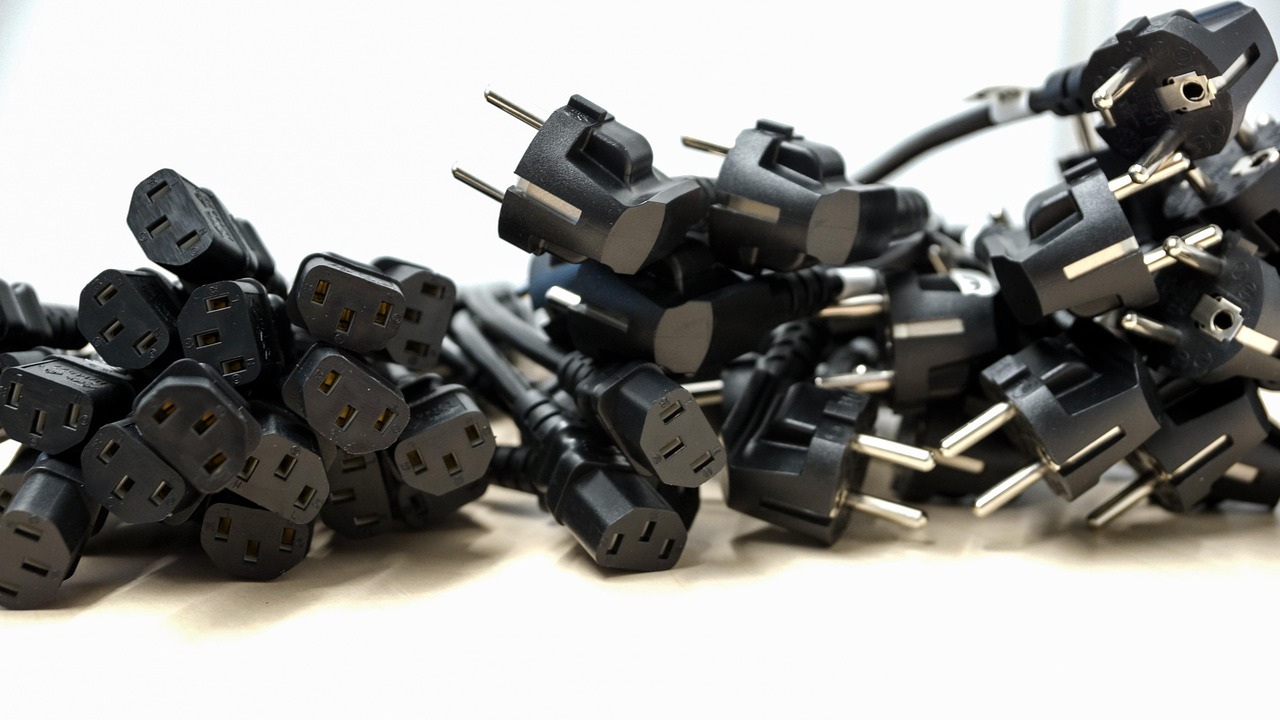
The same is true of daisy-chaining extension cords together. Furthermore, the same rule apply for the use of an extension cord for which the amperage is lower than the tool’s amperage specification. For instance, a 12-gauge extension cord may be able to handle the amperage of a miter saw, but a 16-gauge cord may not be able to handle that amount of amperage.
Using the incorrect gauge extension cord can lead to heat in the extension cord, cause circuit breaker trips, or even lead to electrical injuries to the individual.
4. Utilize Ground-Fault Circuit Interrupters (GFCIs)
Another important electrical component to understand is the function of ground-fault circuit interrupters (GFCIs). These outlets are important to use for any tasks perform near water or outdoors.
GFCIs monitor the amount of electrical current flowing out of the tool and the amount returning to the tool. Should the GFCI detect that a portion of the current take a shortcut through an individual or through a puddle of water, the outlet will immediately trip. Many moddern power tools and outlets contain GFCIs.
Furthermore, every GFCI should be tested every single month. The individual should press the test button on the GFCI, and the reset button should pop. Should the reset button fail to pop, or if the outlet remain live, the individual must immediately replace the GFCI.
A broken GFCI can allow for dangerous situations for the individual using the power tool.
5. Maintain Dry Hands and Surfaces

Another rule is that an individual should keep their hands dry, and should have their feet placed on a dry surface if possible. Moisture is an excellent conductor of electricity.
Furthermore, experienced individuals with power tools always carry a clean rag with them to wipe at the hands and the palms of their own hands. An individual may find this habit to be fussy for the majority of their tasks. However, if they ever attempt to use a power tool with damp hands, the individual may feel a tingle in their hands.
Furthermore, the same rule applies for bare feet. An individual should not stand on bare feet on a wet surface, but wearing rubber boots or placing dry plywood under their feet may prevent the individual from en route to the hospital with an electrical shock.
6. Unplug Tools Before Changing Accessories
Another safety rule is that an individual must unplug their power tool prior to changing any accessories on the tool.
Accidents occur each and every day due to this reason alone. For example, another individual or even a child may accidentally bump the tool while the tool is still plugged into an outlet. Furthermore, individuals should use the same hand to unplug the power tool as the hand that will be used to install the accessory.
Furthermore, for cordless power tools, the individual must remove the battery and set it aside before changing accessories on the tool. Many common lithium-ion batteries can still deliver electrical current even when the tool is turned off.
7. Match Voltage and Amperage
An individual should also check the voltage and amperage of each tool that they own, as well as each extension cord that they own.
For instance, if an individual manufactures a piece of furniture that requires a table saw to cut a piece of lumber to size, a 120 volt, 15 amp table saw will require a 120 volt, 15 amp extension cord. Should the extension cord have less amperage than the tool can generate, heat will build up in the extension cord and the tool. The build up of heat will cause the tool to lose power in its cutting bit, generate additional heat in the bit’s insulation, and over time, the insulation will become brittle.
Brittle insulation lead to potential electrical failures. For these reasons, the voltage and amperage of a tool must match the extension cord that is used with that tool.
8. Store Tools in Dry Locations

Another rule is that an individual should store their power tools indoors in a location that is protected from the weather.
Moisture can enter the tools, whether from condensation inside the tool case or from moisture in the garage. A tool that may be functioning properly on a Friday may experience a ground fault by Monday. Furthermore, in the event that a tool becomes wet, the individual should open the tool, blow it dry with compressed air, and allow it to sit in a dry location for at least 24 hours before being plugged in again.
By taking this step in dry conditions will prevent sparks when the tool is first plugged in.
9. Opt for Double-Insulated Tools
An individual should use double-insulated tools, if available. Tools that use double-insulated materials has the square-within-a-square symbol on the tool.
Furthermore, these types of tools do not require the use of a grounding pin for the tool to be safe. Instead, the tools use layers of plastic to provide insulation for the tool’s motor. Thus, if one of the insulations fail, the other layer will prevent the electrical current from traveling through the tool to the individual’s remaining hands.
While using these types of tools does not eliminate the need for other safety protocols, it does provide some individuals with peace of mind when operating on a ladder, for instance.
10. Implement Inspection Procedures
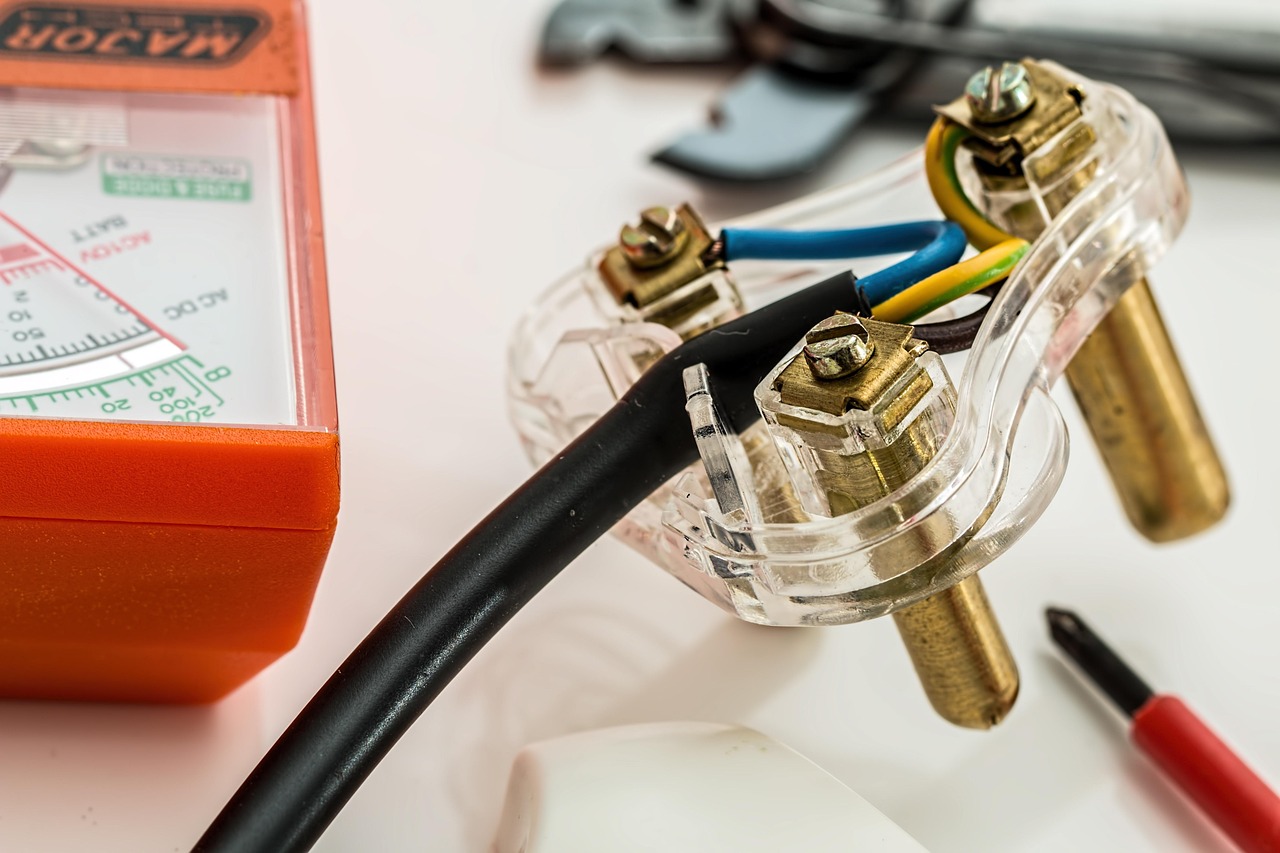
Finally, an individual should treat each power tool as if it is alive until they have performed a safety inspection on that tool. For example, there are lockout-tagout procedures for tools in industry that can be followed at home.
For instance, wrapping tape around the plug of the power tool will allow an individual to write the date of the last inspection of the power tool. This colored tape will allow other individuals at the job site to remember that they should not borrow that tool from the individual who owns the tool without performing their own inspection of the tool. By following these rules for the safety of power tools, an individual will reduce their chance of receiving dangerous electric shocks.
Furthermore, the tools will be able to accomplish their tasks, the individual will be able to complete their projects, and the individual will be safe in the return to the individual’s home at the end of the day.
