
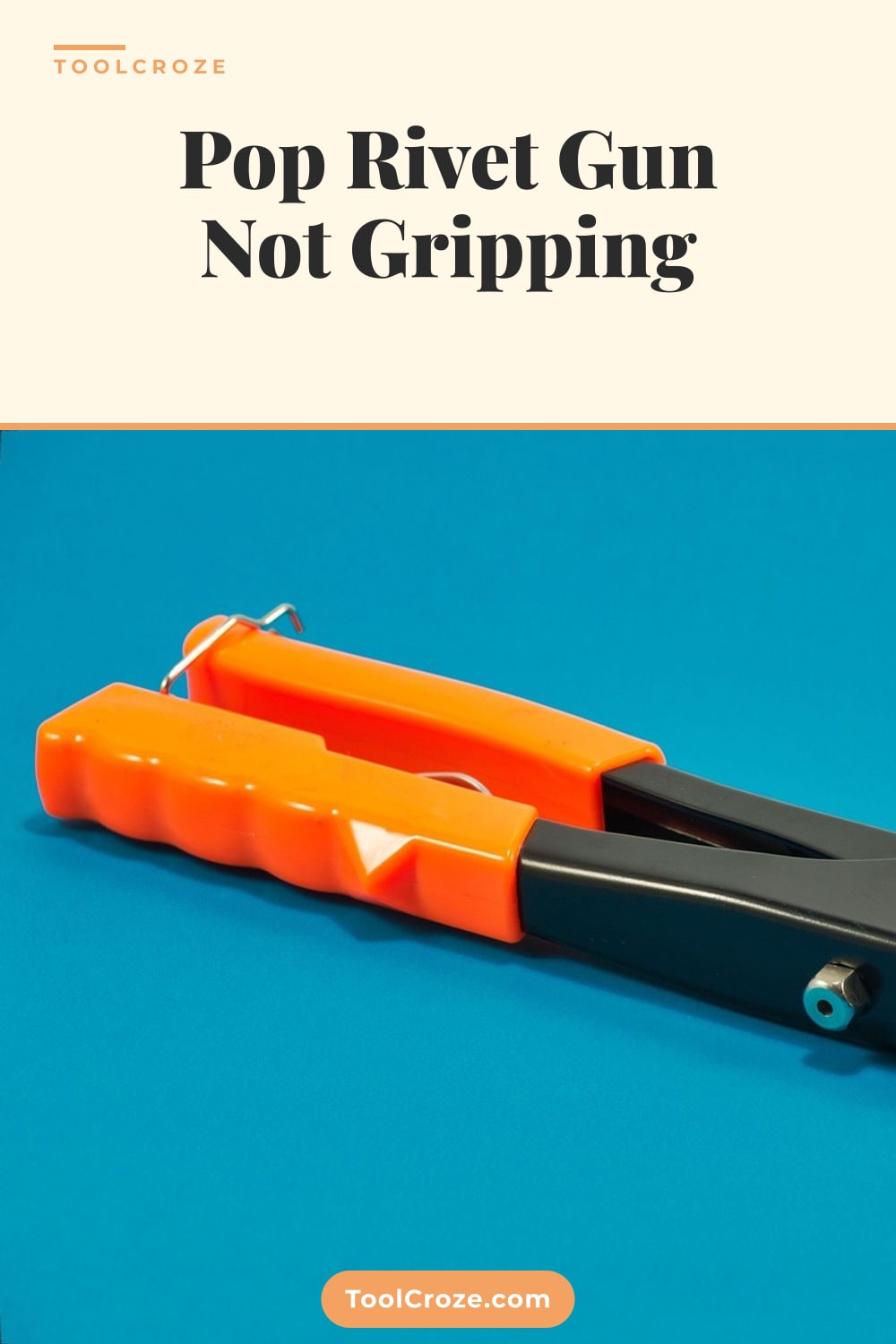
A pop rivet gun is a relatively simple tool to use. However, if youve experienced a situation in which your pop rivet gun refuse to grip the rivet, you may be wondering what caused such a problem. The good news is that the causes of this problem is limited.
Additionally, the solutions to these problems are easy to implement. By following the fixes listed in this article, you will have your rivet gun back to its best in no time. If your pop rivet gun does not grip the rivet, start by inspecting the jaw of the gun.
Common Reasons Your Pop Rivet Gun Fails
1. Worn or Damaged Jaws
Rivet guns has jaws made of a type of steel that becomes rounded or even develops chips after a few thousand use of the tool. These worn jaws will not be able to grip the rivet as well as they should. Try to disengage the gun from the rivet by inserting a fresh rivet into the gun but dont place the rivet into the material.
If the mandrel begin to spin within the gun while the gun clicks, then you know the jaws needs to be replaced. Replacement jaw sets are relatively inexpensive and generally just slide out of the gun when you remove the retaining collar. Additionally, remove any aluminum shaving that may be inside the rivet gun as they will cause the same wear as well.
Replacing the jaws will fix the issue and remind anyone that owns such a tool of the cost benefit of purchasing a spare set.
2. Incorrect Rivet Size
The second thing to check is the size of the rivet that is being used with the gun. Using the wrong size of rivet with a gun will not allow for proper gripping of the rivet.
For instance, a pop rivet gun with an opening size of 1/8-inch will not grip proper with a rivet with a mandrel size of 3/16-inch. Additionally, due to the quality control of some brand of rivets, there may be slight difference in size between mandrels. For this reason, it may be necessary to check the size of the mandrels that are coming out of the rivet by using drill bits of various size or calipers.
If the size of the mandrel appear to be slightly incorrect, simply replace the rivets with a different brand. Rivets that are properly sized will fix the problem of the gun refusing to grip the rivet. Another possible cause of a pop rivet gun not gripping the rivets is if the gun has not been properly lubricated.
3. Lack of Proper Lubrication
Many people who own such tools will not clean the gun until it stops properly function. Over time, the dried lubricant and paint that builds up on the tool will prevent the gun from properly gripping the rivet. To fix this problem, disassemble the gun according to the tool’s manual.
Remove any dried lubricant and paint using a nylon brush and a light solvent. Applying a thin film of lithium grease on the tool will allow it to properly grip the number of rivets that may be used. Additionally, using this lubricant will prevent it from collecting any metal chip.
Always use light oils rather than heavy oils because heavy oils will work to collect any metal chips that may form within the tool. By following this maintenance protocol, the tool can continue to perform its task for many years. Additionally, pay attention to how the tool is being held when performing the riveting task.
4. Improper Tool Angle and Grip
If the gun is even slightly tilted in relation to the material that is being riveted, the jaws of the gun will not be able to properly grip the rivet for a split second. This will mostly occur with riveting task that use harder metals or thicker materials. For those situations, simply ensure that the tool is square to the material.
Additionally, if the material permits, use one’s free hand to support the back side of the tool. Gripping the tool while also pulling the trigger will result in fewer missed rivet. Another possible problem is that the tool uses the wrong type of nosepiece for the size of the rivet.
5. Wrong Nosepiece Size
Each size of rivet will require its own dedicated nosepiece. For example, rivets of a 3/16-inch diameter should not be placed into a gun with a 1/8-inch nosepiece as this will allow for the mandrel to shift within the material. Additionally, using these types of incorrectly sized nosepiece will cause those edges of the nosepiece to wear with time.
Thus, this issue will be permanent in the long term. Make sure that the correct size of nosepiece is inserted into the gun and that it match the size of the rivet that is to be used in the project. The nosepieces come in a set with the gun and can be purchased separately in the same size if misplaced.
6. Tool End of Life
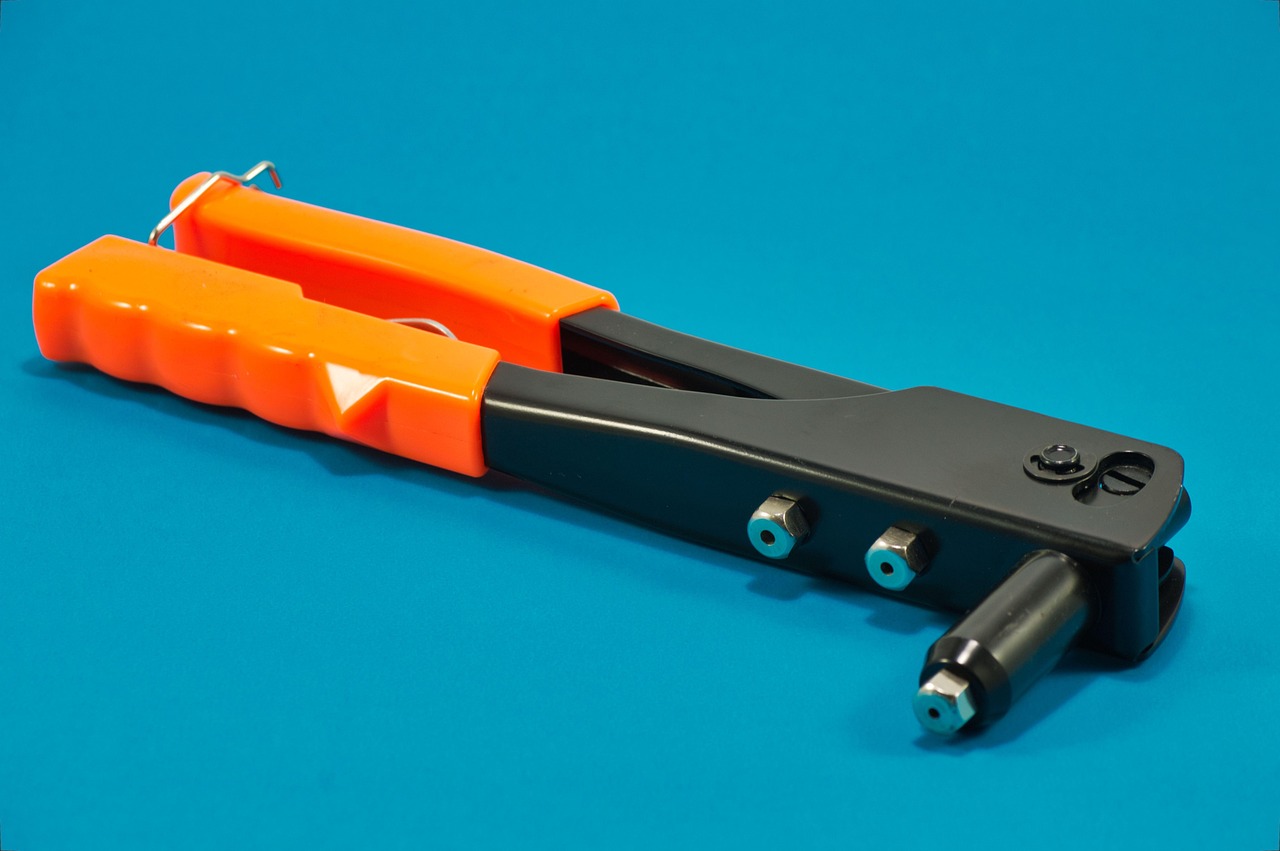
Another problem that may be causing issues with your rivet gun is that the gun itself is nearing the end of its life. Many budget rivet guns are manufactured with plastic component that wear with time. More specifically, those plastic components will wear with extensive use of the pop rivet gun.
For these situations, if you find that the gun is not properly gripping the rivets, it may be a good idea to either purchase a new economy gun or upgrade to a forged steel model that will last for many years. This is true because the forged steel model will reduce the fatigue of the user and allow the gun to better perform its task.
7. Incompatible Rivet Material
An additional problem is if the material of the rivets has changed. For instance, using rivets with steel mandrels instead of aluminum will require more strength to properly grip the rivet. Thus, if someone has switched from aluminum rivets to rivets made of monel or stainless steel, the gun will not be able to provide the strength necessary to grip these types of rivet. To avoid this issue, ensure the type of rivet match the strength of the tool.
A hand riveter that is used for occasional use of stainless steel will not be able to compete with high volume of stainless steel riveting. In these situations, either slow down the process or purchase an automatic model or pneumatic model riveter. Additionally, knowing the limits of your tool will save frustration and allow proper management of rivet supply.
8. Rust and Environmental Exposure
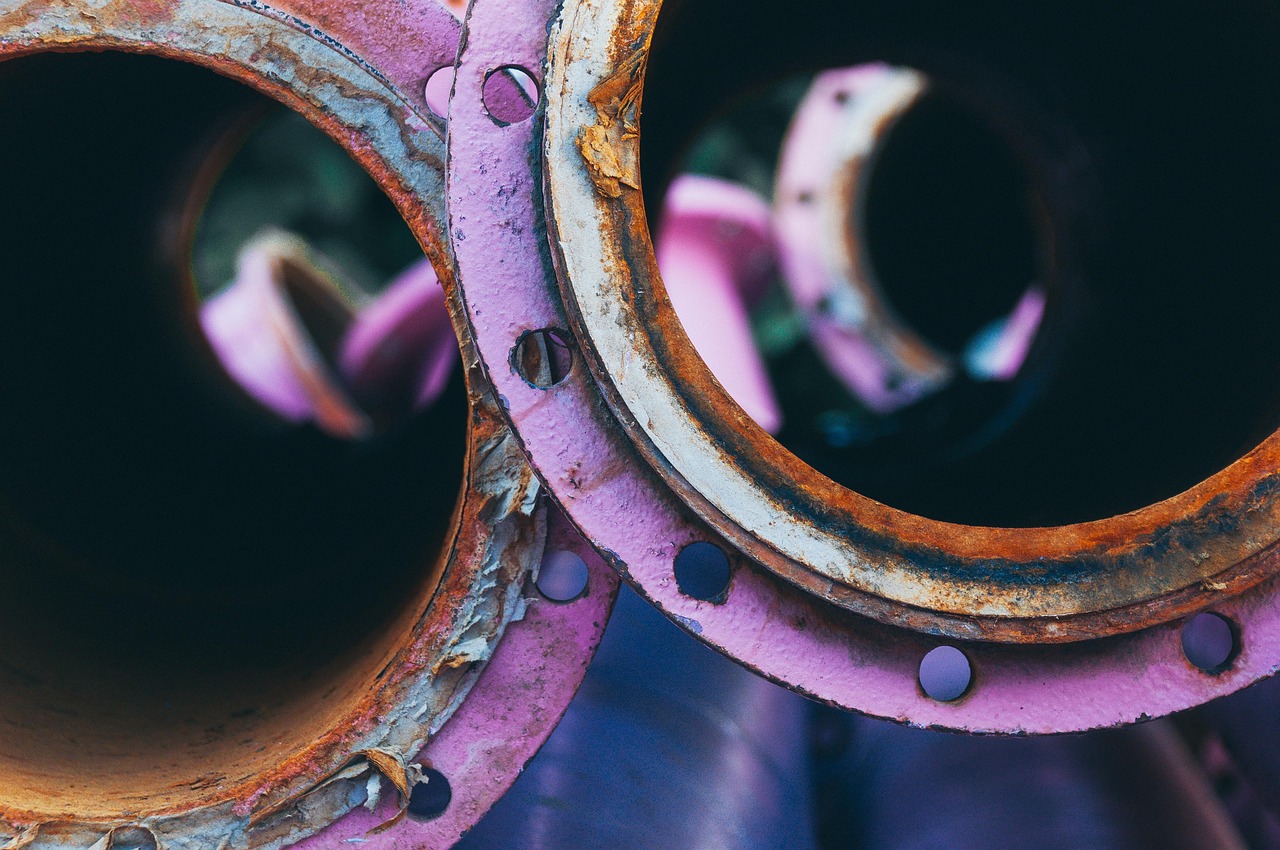
Another issue is if the rivet gun has been left in a damp location in the shed or the truck. Any type of exposure to the elements will result in the tool developing rust on the jaws and the sleeve. This rust will create high spot on the tool that will interfere with the proper gripping of the rivets.
For this issue, simply pass a dry rag through the guns nose prior to beginning any project. Additionally, if the tool has been sitting idle for a while, a drop of light machine oil will help prevent rusting and poor gripping of the rivet. This routine will take no more than ten seconds and will eliminate any frustrating situation caused by poor gripping of the rivet.
By following these fixes, your pop rivet gun will once again be able to properly grip the rivets that are needed for any metal project. The tool may seem complicated, but there is a simple fix to each of the problems that have arisen. By purchasing a maintenance kit that includes the spare part and a brush, you can ensure that the tool will continue to last for many years.
The next time your rivet gun refuses to work, you will be prepared to fix the problem. This is the point of purchasing the right tool for the job.
