
A leaking faucet at two in the morning remind one that plumbing problems dont wait for any person to show up. While it may be easy to ignore the sound that a leaking faucet makes for a period of time, there is always the potential that the person will end up standing in a puddle caused by their own procrastination. If one has the correct tool on hand for common plumbing problems, then those small repair jobs can be avoided from becoming expensive disasters.
In many ways, the difference between frustration and quiet competence is only a matter of possessing the correct instrument for a given problem. The tools that can be included in a home kit are tools that are not too flashy and that have many of the same functions that the professionals perform in the trade. These tools are the same item that professional plumbers employ in their work, as well as the tools that individuals that perform plumbing job for fun on the weekends should have in their kit.
Each of these tools has a specific job that it performs, a reason for which it belongs to the kit, and the quirks that an individual should know of the tool before purchasing it.
Essential Tools for Your Plumber Tool Kit
1. Adjustable Wrench
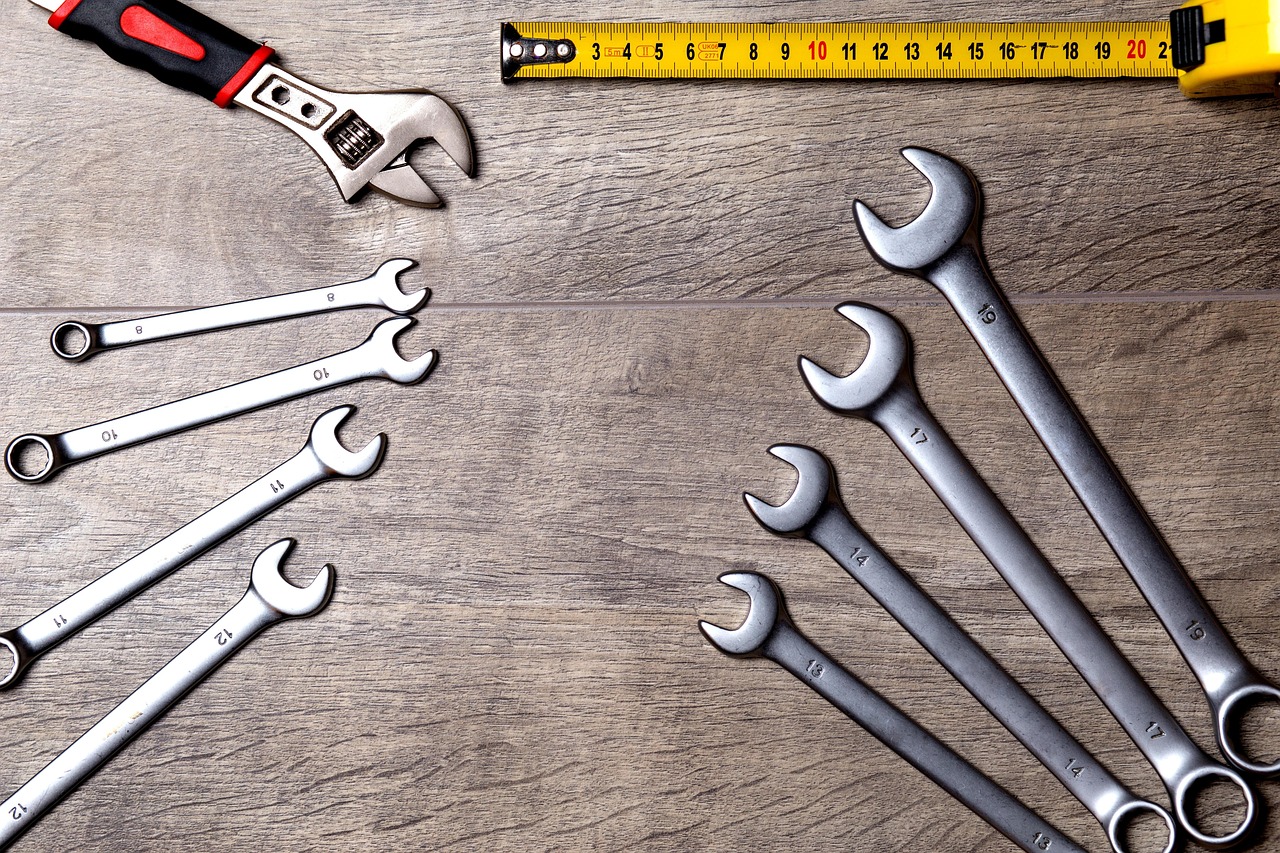
The adjustable wrench is the tool that should be included in any kit due to its ability to take up almost any tightening job that may come up; its movable jaw can take up any size of nut or fitting that is required in the job site. Professionals use tools like adjustable wrenches in jobs involving supply lines, compression fittings, and shutoff valves.
The best adjustable wrench will have a comfortable handle and easy movement of the adjustable jaw; cheap adjustable wrenches may round off the fittings that are to be used with the tool. Two different size of adjustable wrenches are most useful in a kit: an eight inch and a twelve inch. These two sizes will allow a person to accomplish the majority of plumbing jobs.
2. Pipe Wrench
Pipe wrenches are the next tools that can be purchased. Pipe wrenches come in various sizes, but each tool is created for a specific job site. The teeth on the jaws of a pipe wrench are created to allow the tool to grip onto iron plumbing pipes, and will provide the leverage that is required to loosen water shutoff valves that may have remained in their same position for decades.
Do not use a pipe wrench on polished brass or chrome fittings; the teeth can leave marks on those metals. Pipe wrenches are best used on galvanized or black iron plumbing pipes. A fourteen inch and an eighteen inch pipe wrench are the two sizes that will cover the majority of plumbing jobs at a residence.
The downside to these tools is the weight of the tool; they are not to be carried up ladders very often. However, they can be invaluable at the job site.
3. Basin Wrench
The basin wrench is another tool that was created in a high school shop class, but performs a vital function for plumbing professionals.
The basin wrench is created in such a way that it can reach behind the sinks in a restroom or kitchen sink to loosen or tighten the nuts that hold the faucets in place. The nuts are often in tight spots where other wrenches will not reach. A basin wrench will allow for the adjustment of those nuts from underneath the sink.
Once a person has used a basin wrench, they will never use pliers to attempt to loosen those nuts.
4. Tubing Cutter
A quality tubing cutter is a tool that will allow for clean cuts on plumbing copper pipes or plastic pipes. Quality tubing cutters will score the plumbing pipe with the wheel of the tool and hold it in place with the rollers.
Cheap tubing cutters will leave a ragged edge to the cut pipes. Purchasing a tubing cutter that has a built-in reamer will save time and frustrations with plumbing jobs. Additionally, a ratcheting version of a tubing cutter can be useful for those larger pipes or tight spots where a straight cut is required.
5. Drain Snake
The hand auger, or drain snake is a tool that will help to avoid calling a plumber for issues with plumbing drains. The drain snake comes in lengths of twenty-five feet and includes the sturdy handle necessary to remove any clogs from kitchen or bathroom sinks. Care should be taken to slowly feed the snake into the drain to avoid compacting any clogs; instead, the snake will hook onto the clog.
Periodic oiling and cleaning of the drain snake will allow it to stand up to the various plumbing jobs it may encounter over the years.
6. Plumber’s Putty and Teflon Tape
Although plumber’s putty and Teflon tape may not appear to be tools, they are essential items to have in the kit to perform any number of plumbing jobs. Teflon tape, also known as thread seal tape, allows for the gaps between plumbing threads to be filled.
Additionally, plumber’s putty is used for sink strainers and drains in the bathtub. The Teflon tape should be wound in the same direction as the threads on the plumbing component; otherwise, it may unravel from the component. These two items are inexpensive and inexpensive, but may cause more problems for a plumber if used incorrectly (for instance using plumber’s putty on plumbing threads).
7. Allen Wrenches
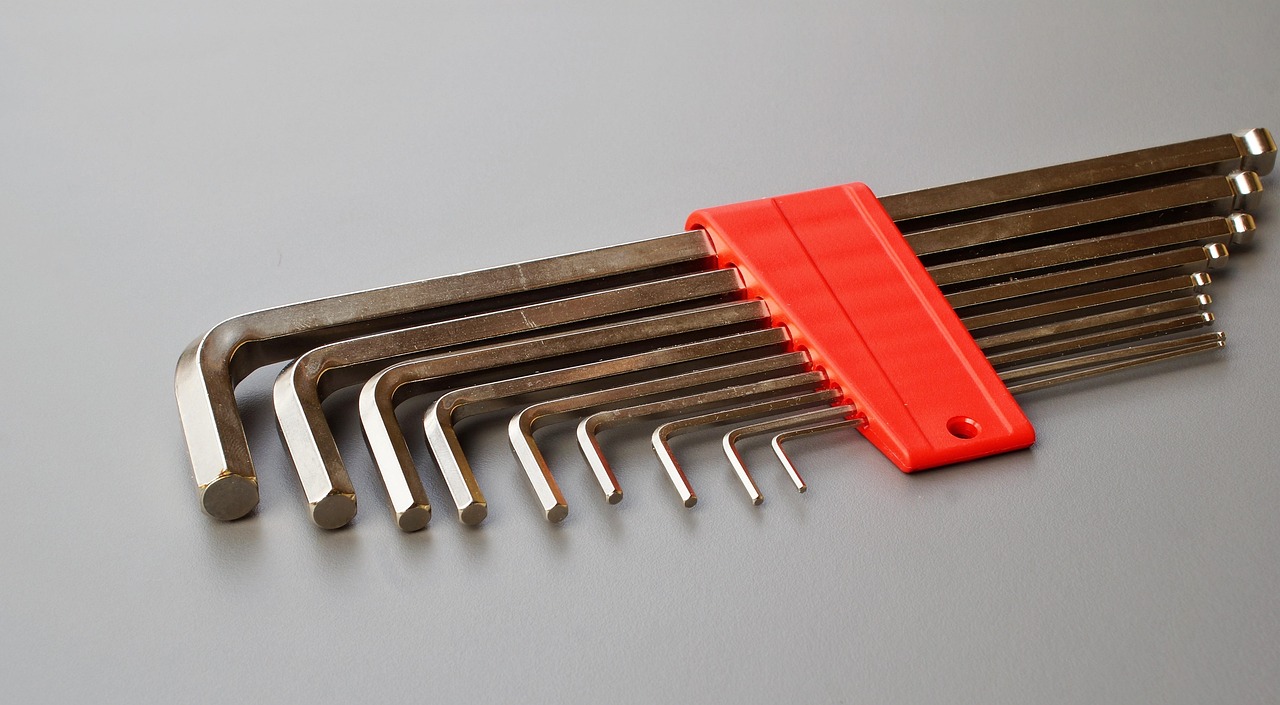
A set of Allen wrenches, also known as hex keys, are used for various plumbing components that use small set screws. For instance, faucets, shower heads, and garbage disposals use these set screws to maintain an even and clean looking plumbing component. These plumbing fixtures often use the Allen wrenches because otherwise they would not be able to gain access to the necessary screw to adjust the plumbing fixtures.
The Allen wrench set comes in both standard and metric sizes; plumbing components often use both sizes. The folding multi tool size of these Allen wrenches are compact and helpful in a kit, as opposed to losing each individual Allen wrench to the bottom of a toolbox.
8. Pipe Deburring Tool
A pipe deburring tool is a small tool that can make a difference between good plumbing and sloppy plumbing jobs.
Most tubing cutters will leave a sharp edge along the cut copper pipe. This sharp edge can scratch the rubber caps on copper tubing connectors or create a turbulent water supply from those outlets. Using a pipe deburring tool will allow a person to remove this sharp edge to avoid these issues.
A tubing cutter that includes a folding deburring tool is acceptable, but purchasing a dedicated deburring tool will save money and effort over time.
9. Channel Lock Pliers
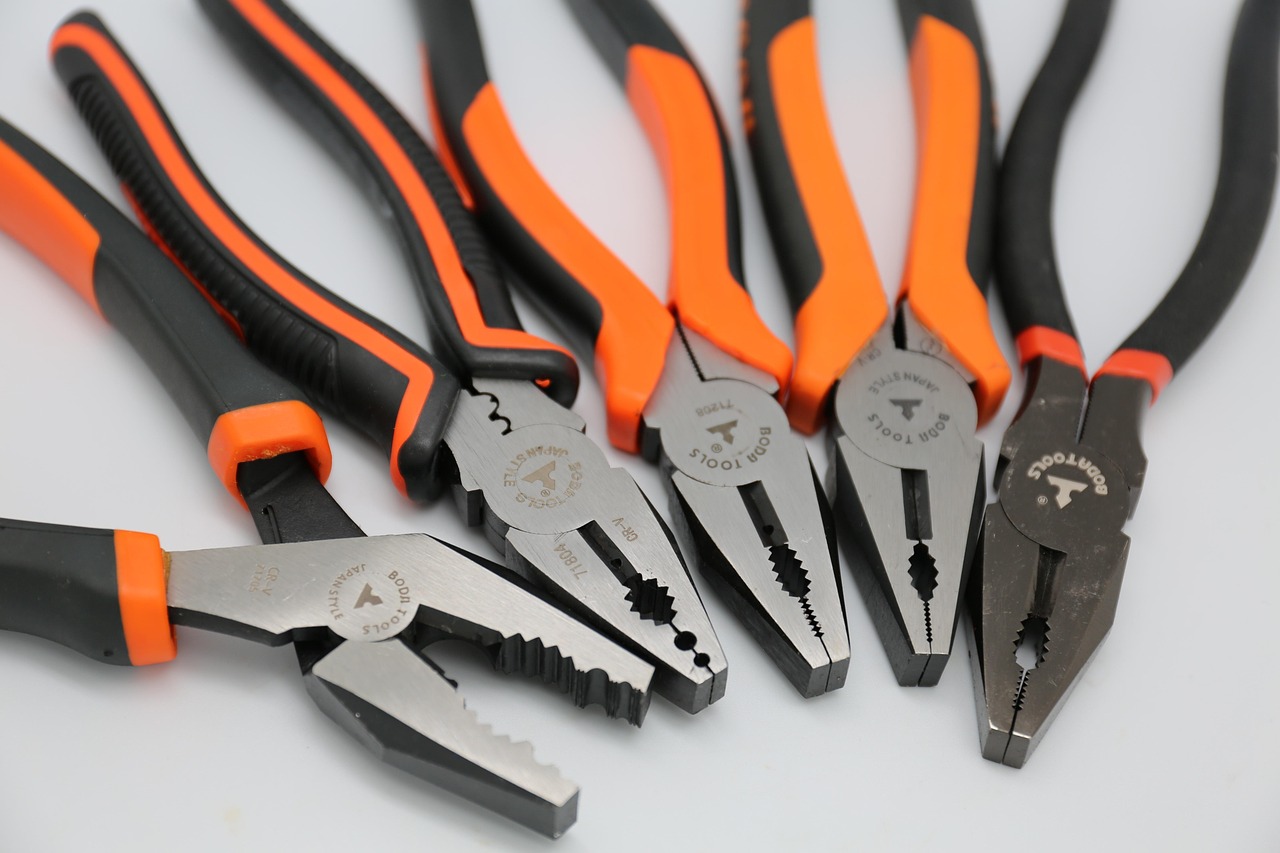
Another tool that can be purchased is a channel lock plier. A channel lock pliers has an adjustable jaw and provides leverage to grip odd-shaped plumbing components.
This tool is useful for removing shower heads, loosening packing nuts, or gripping small plumbing pipes. The serrations on the jaws may damage chrome components, so professionals often cover these jaws in electrical tape before using them on bathroom and kitchen fixtures. Other tools to own are ten inch and twelve inch channel lock pliers; these sizes will be the most useful for many jobs.
10. Pressure Test Gauge
Perhaps the most overlooked but useful tool in a plumbing kit is the pressure test gauge. Professionals and amateurs alike can use a pressure test gauge to test whether a plumbing job is complete. A pressure test gauge can be screwed onto a hose bib or laundry outlet.
The gauge will reveal whether the plumbing system holds pressure, or if there are any leaks in the system. A gauge with a pressure range of zero to two hundred psi is all that is needed for residential plumbing jobs. A quick five minute observation of the gauge will allow a plumber to feel confident that the job is complete.
11. Essential Kit Accessories
Beyond the plumbing tools, additional items are needed for any kit. Such items may include a pencil, a notepad, and a headlamp. These tools are used in the dark and tight spots in the home that may not allow a plumber to hold a flashlight in one hand and work with the other.
A headlamp allows for both hands to be free. Additionally, the notepad allows for plumbing diagrams to be drawn, as well as to write what plumbing components and parts will need to be purchased for the jobs. A plumber tool kit doesnt need to contain every plumbing tool that may ever be invented.
However, having the correct tool for each job will allow for a plumber to focus on the job at hand, instead of the plumbing tool kit struggling against the problems of the tools themselves. Each plumber should start with the most basic tools, learn their jobs, and only purchase specialized tools when needed for specific jobs. In the event of a burst pipe or a dripping faucet at the dinner table, there will be confidence in the plumber and his tool kit.
This feeling of confidence is what makes each tool worthwhile in a plumber tool kit.
