
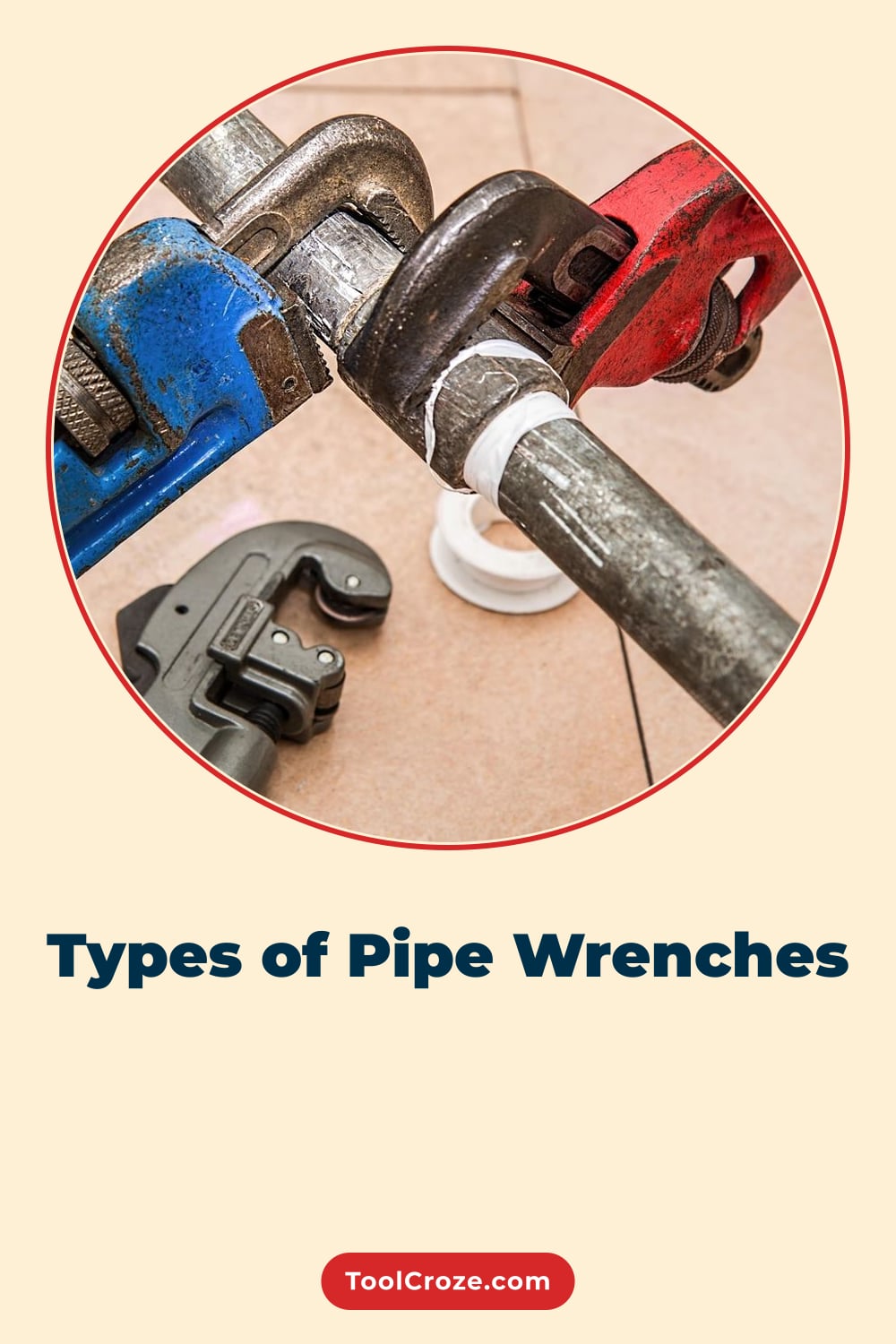
Pipe wrenches are simple tools that has a variety of designs. However, when you have to choose the correct pipe wrench for the job, pipe wrenches can quickly become complicated. Using the wrong size of pipe wrench or the wrong style of pipe wrench can result in a variety of problem for the individual who is using the tool.
These problems may range from having to repair the problem at the hardware store to having to bruise your knuckles on the handle of the wrench. Plumbers use pipe wrenches. HVAC technicians use pipe wrenches.
People who do DIY work use pipe wrenches dozens of times every week. However, most individuals do not give much thought to the variety of pipe wrench design that are available or why each type of pipe wrench was designed in the way that it was. There are difference between the various types of pipe wrenches.
The pipe wrench that is used to tighten fittings on polished chrome supply lines can damage cast iron waste pipes very quick. A pipe wrench that is effective in using leverage in a large basement may not be effective in a small and tight utility closet. Understanding the varieties of pipe wrenches can significantly improve the individuals ability to use the correct tool for a specific job site.
The following information will describe the varieties of pipe wrenches that are used in the trade. The information will cover the most common types of pipe wrenches first and then discuss the more specialized pipe wrenches that are used for particularly difficult jobs. Each type of pipe wrench have a specific function for which it is to be used.
Common Varieties of Pipe Wrenches to Use
1. Straight Pipe Wrench
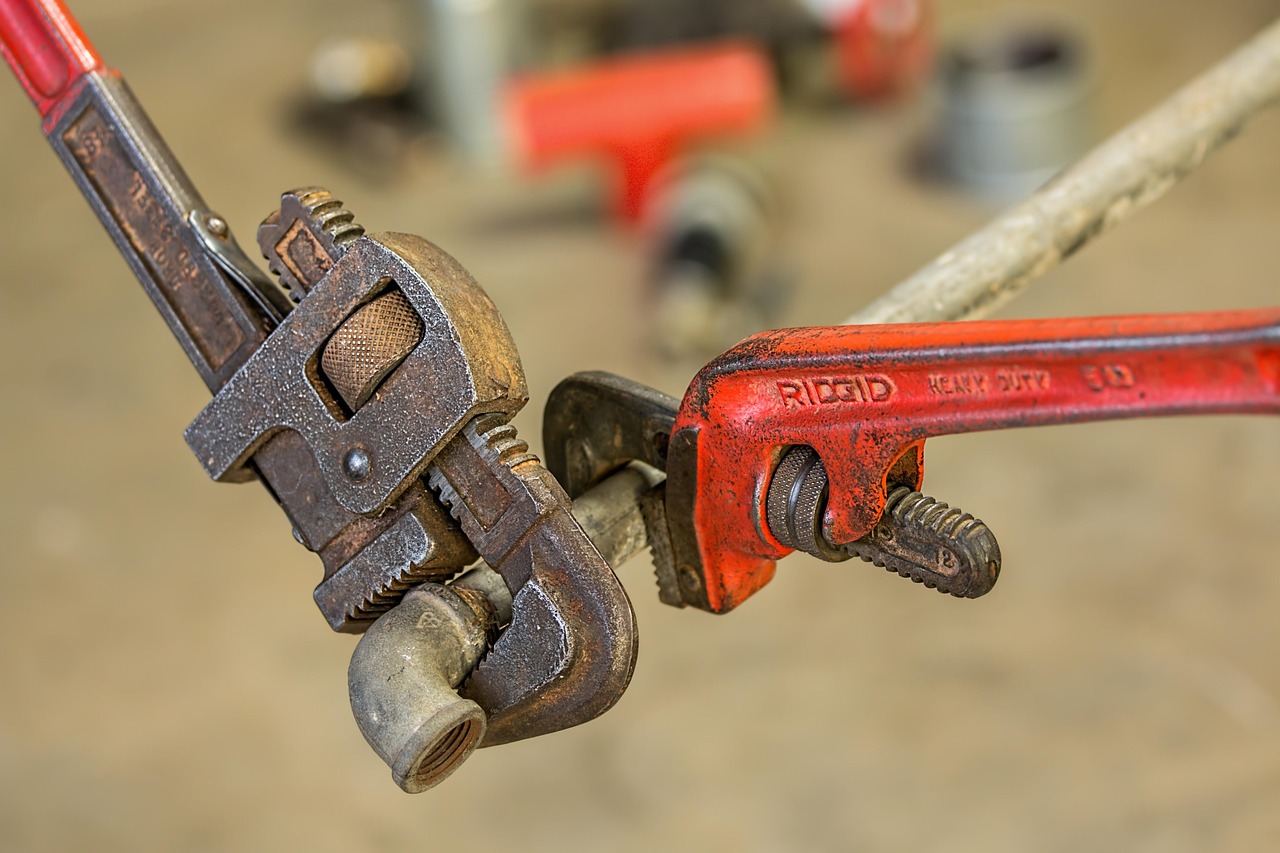
The straight pipe wrench is the most common type of pipe wrench. The straight pipe wrench features a long handle and a spring-loaded jaw. Many straight pipe wrenches feature a knurled nut that allows individuals to adjust the jaws quick.
The straight pipe wrench can take grip on pipes that are half an inch in diameter or pipes that are several inch in diameter. As the individuals apply more force when using a straight pipe wrench, the teeth of the pipe wrench will bite more securely into the pipe. This feature is the reason that the straight pipe wrench is so common among those in the trade.
Straight pipe wrenches come in a variety of lengths. For tasks that require less force, individuals can purchase straight pipe wrenches that are ten inches in length. For tasks that require more force, those in the trade can purchase straight pipe wrenches that are forty-eight inches in length.
The straight pipe wrench can be used for a variety of tasks. The straight pipe wrench can take hold of galvanized steel pipes, black iron pipes, and even PVC pipe adapters. However, the teeth of a straight pipe wrench can damage chrome and brass fittings.
The only options to avoid damaging chrome or brass fittings are to place scraps of leather between the jaws of the pipe wrench or to accept that the damage will be done to those types of metals. For those who perform more general tasks, the straight pipe wrench is the type of pipe wrench that each individual should purchase and own.
2. Offset Pipe Wrench
The offset pipe wrench is another tool that is used in the trade.
The offset pipe wrench may also be called a hawkbill. The jaw of the offset pipe wrench is at a 90-degree angle to the handle of the tool. This feature allow the offset pipe wrench to be used in tight spaces where a straight pipe wrench might not be able to effectively turn the pipe.
The odd angle of the offset pipe wrench can be helpful when attempting to loosen a coupling that is stuck against a floor joist or in a cabinet. The offset pipe wrench may not be the most common tool that is seen in a toolbox, but the offset pipe wrench is a tool that each individual should own. Offset pipe wrenches are helpful for those who are completing retrofit jobs on older building.
The older buildings often feature pipes that were installed without considering whether access would ever be a problem for the buildings maintenance personnel. The offset pipe wrench allows those individuals to effectively gain access to the required pipe fittings for maintenance. The offset pipe wrench has the disadvantage of having slightly less leverage than a straight pipe wrench of the same length.
However, once an individual has used an offset pipe wrench in a tight location, they will find it to be a necessary tool for those situations.
3. Chain Wrench
The chain wrench uses a different method to grip onto a pipe than do other pipe wrenches. Instead of using two jaws, the chain wrench uses a length of heavy chain.
This chain allows for the tool to be used on pipes of different diameter, with odd shapes, or for any surface that might be too large for the jaws of a pipe wrench. Oil-field workers use chain wrenches. Many municipal workers who service water mains use a chain wrench.
The chain wrench is often useful in the case of polished pipes or any pipes with a coated surface. The chain will not leave deep scratches on those types of pipes. However, the disadvantage of a chain wrench is that the tool is slow to position.
The chain wrench also requires more space to use than many other types of pipe wrenches. The chain wrench is not used for everyday tasks, but can be the best tool to use for tasks where an individual must loosen a six-inch coupling.
4. Aluminum Pipe Wrench
The aluminum pipe wrench is used for delicate tasks.
The aluminum pipe wrench is made of a lighter metal alloy than other models of pipe wrenches. These tools are also manufactured with smoother teeth on the tool. This type of pipe wrench tool will be lighter in weight in comparison to a steel pipe wrench.
This is helpful for tasks that require the worker to reach overhead or to crawl on their knees in attics all day. The disadvantage to the aluminum pipe wrench is that because of its lighter weight, it will offer less torque to the pipe than that of a steel pipe wrench. Therefore, this pipe wrench is not the best model for stuck fittings on large main pipes.
However, it is a good tool for use in finished plumbing jobs, refrigeration lines, and where there is a need to not damage the more expensive plumbing fixtures. These pipe wrenches are often seen in the toolbox of professionals who work with plumbing and refrigeration systems, and many use an aluminum pipe wrench for supply stops and chrome-plated nipples.
5. Compound Leverage Wrench
The compound leverage wrench is also called a cheater or a multiplier pipe wrench.
These pipe wrenches feature a second handle that allows the pipe wrench to double or even triple the leverage of the handle when there is a lot of resistance in the joint. This pipe wrench tool was created for instances when the joint of the pipe has become stuck over many decades. The compound leverage pipe wrench allow individuals to provide more torque to difficult pipe fittings.
However, the disadvantage to this tool is that it is also heavier and more complex. These pipe wrenches are considered to be specialty items. These items are not used as often as the other pipe wrenches.
However, if an individual must move a valve that is one hundred years old in their house plumbing system, they will be glad that they own a compound leverage pipe wrench.
6. Basin Wrench
Another tool that features different parts from other types of pipe wrenches is the basin wrench. The basin wrench feature a long and slender shaft with a pivoting jaw at the end of the handle.
The basin wrench is used to reach behind the sinks and the lavatories to loosen or tighten the faucet nuts. The narrow shaft of the basin wrench and the pivoting head of the tool allow individuals to turn the knobs in the dark and awkward area between the sink and the wall. The basin wrench may not be discovered until an individual attempts to change a kitchen faucet.
However, once they own one of these tools, they will discover that it is a very useful tool. The disadvantage of a basin wrench is that because of its specialized shape, it will sit idle in the toolbox the majority of the time. However, there will be instances when an individual will need to use this tool to complete a task successfully.
7. Strap Wrench
The final tool that will be discussed in this article is the strap wrench. Instead of using teeth or a chain to grip onto a pipe, the strap wrench uses a strap made of fabric or rubber. The strap can be wrapped around a pipe or fitting.
When the strap wrench is pulled, the strap will grip onto the pipe without leaving any marks on that pipe. The strap wrench is the only safe tool to use on chrome, polished brass, plastic, or any surface in which maintaining the appearance of the item is important. Professionals in the plumbing field use strap wrenches on water heaters, bidets, and other high-end plumbing fixtures.
The disadvantage of the strap wrench is the limited torque that can be provided when using this tool. This means that individuals must use other methods to loosen stubborn fittings when they use the strap wrench. However, in the case of final plumbing assembly or delicate disassembly work, the strap wrench is a tool that will prevent the destruction of valuable plumbing parts.
In order to complete plumbing tasks effectively, an individual must match the tool to the material that is being worked on and the amount of force that will be required for the task. An individual should have a straight pipe wrench and an offset pipe wrench in their main tool kit. A basin wrench is a tool that should be in their tool kit for work on sinks, and those who want to work on more refined plumbing projects can purchase aluminum pipe wrenches or strap wrenches.
Their tool kit does not need to have a variety of pipe wrenches; however, their collection of pipe wrenches should feature the types of tools that are described in this article. When the individual uses the correct pipe wrench for a specific job and the tool seats perfectly into the pipe that is being treated, using the tool will be easier. This feeling of competence is what motivates those in the trades to use their tools every year.
The right pipe wrench does more than loosen a pipe, but it turns frustration into satisfaction.
