
When looking at the NOCO Genius 5 charger, you can figure out what is going on with it based off where and in what color an LED indicator light is illuminated. To see how the charger would behave in a typical situation, you plugged it into a regular old lead-acid battery.
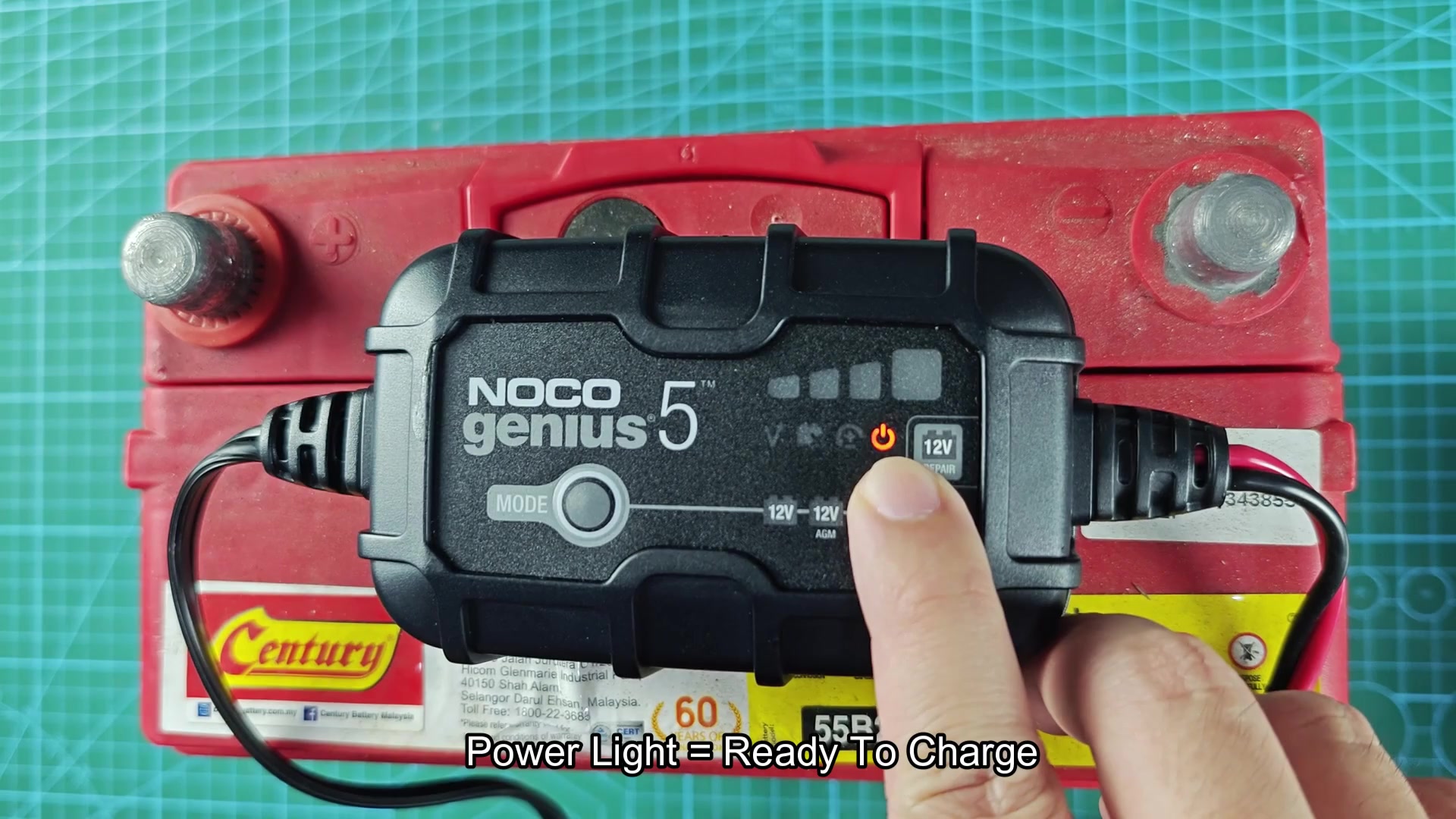
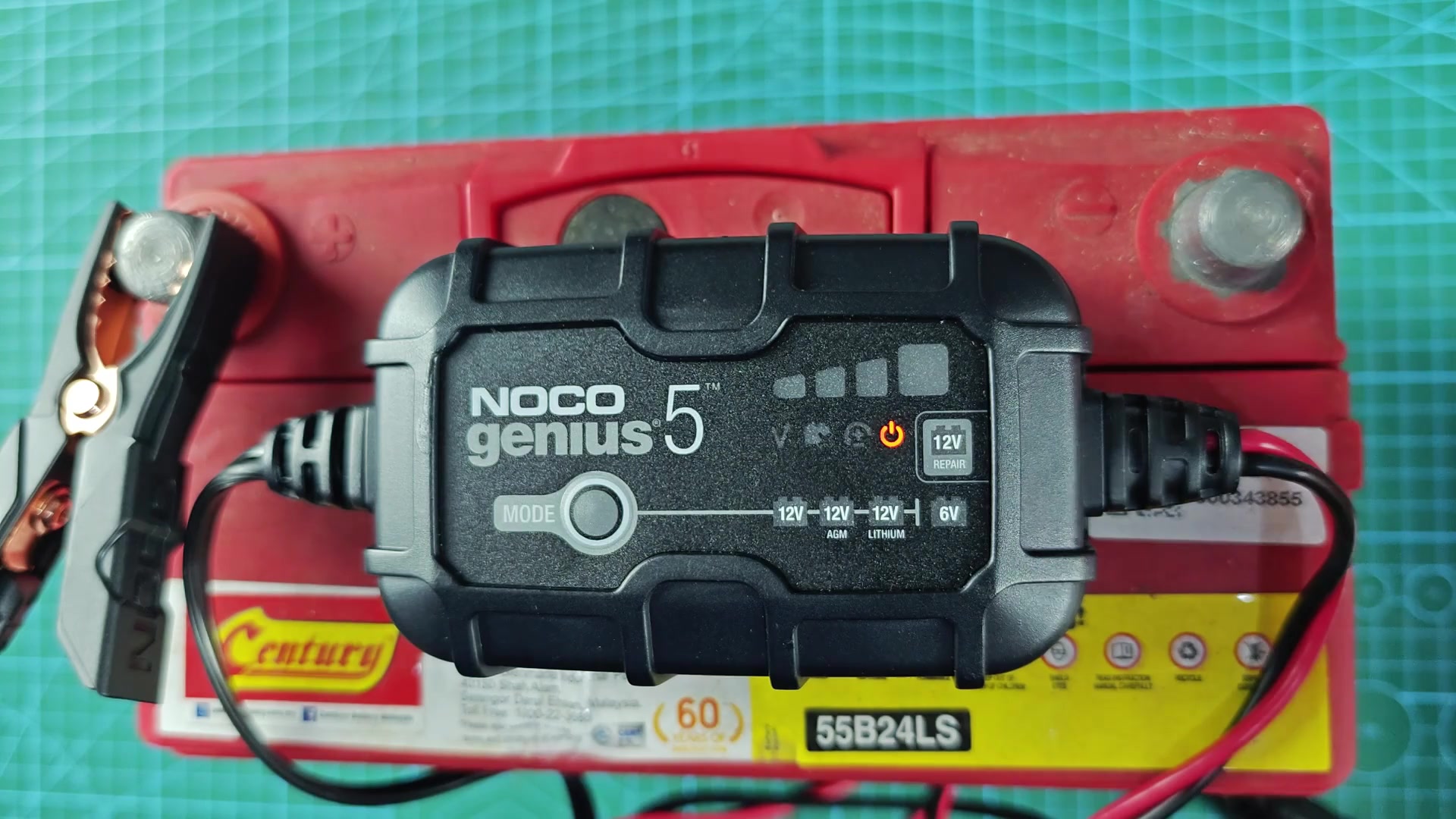
Immediately, the orange power indicator light was on and remained steady; this told you that there was power coming into the unit. On the right-hand side of the panel, it also showed a “12V”, signifying it was set to default charging mode. This meant the system were ready for a standard charge cycle.
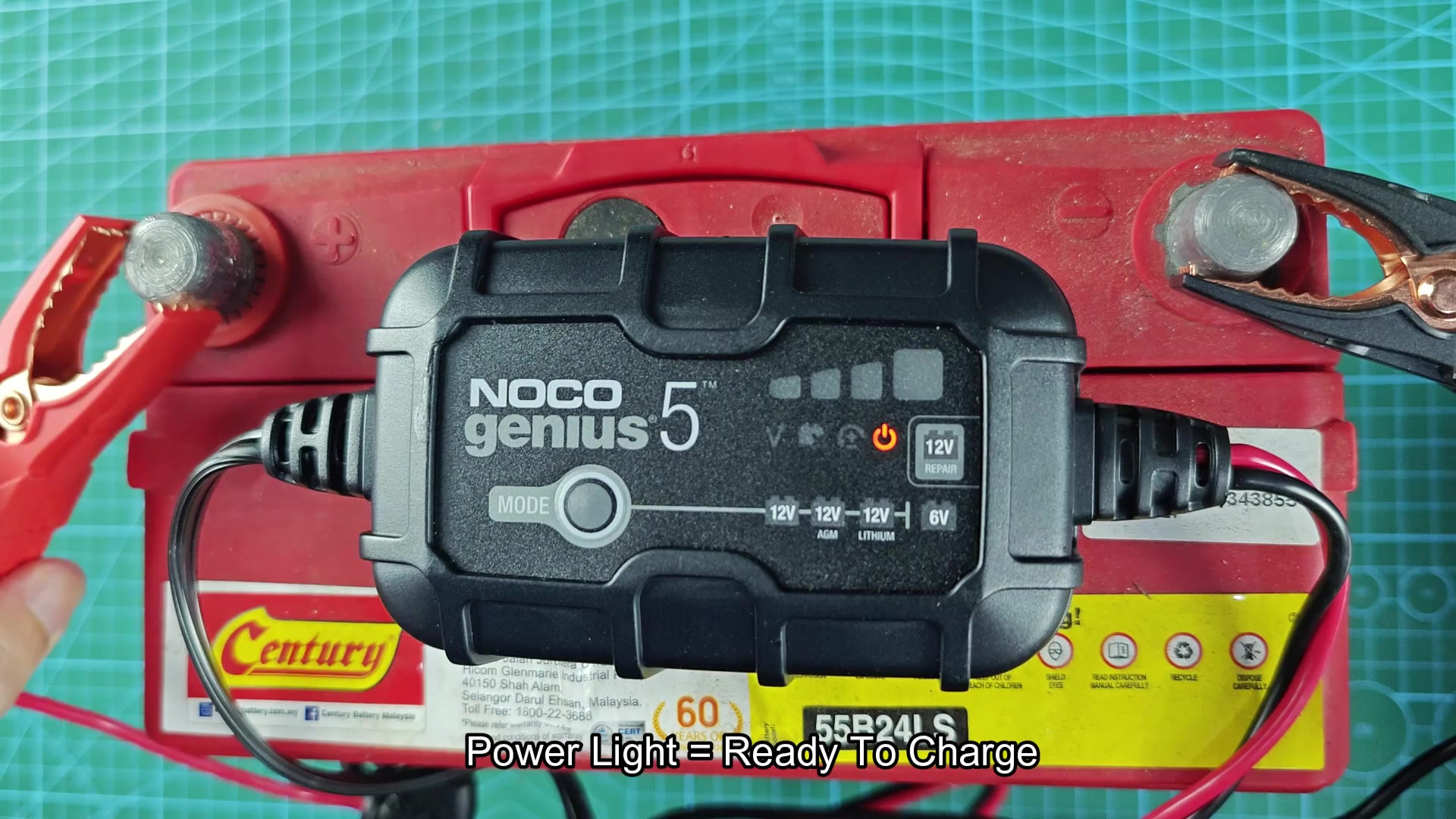
After you wrapped the clamps around battery posts (red = positive, black = negative) you ensured they were securely fastened and the charger immediately went into its first stage of assesment. A red light flashed quickly to show it was assessing the battery’s voltage. Since that red light was all you saw, you knew it passed its test and was charging without any issues. Next, you watched to see if more lights comes on or if it stayed that simple.
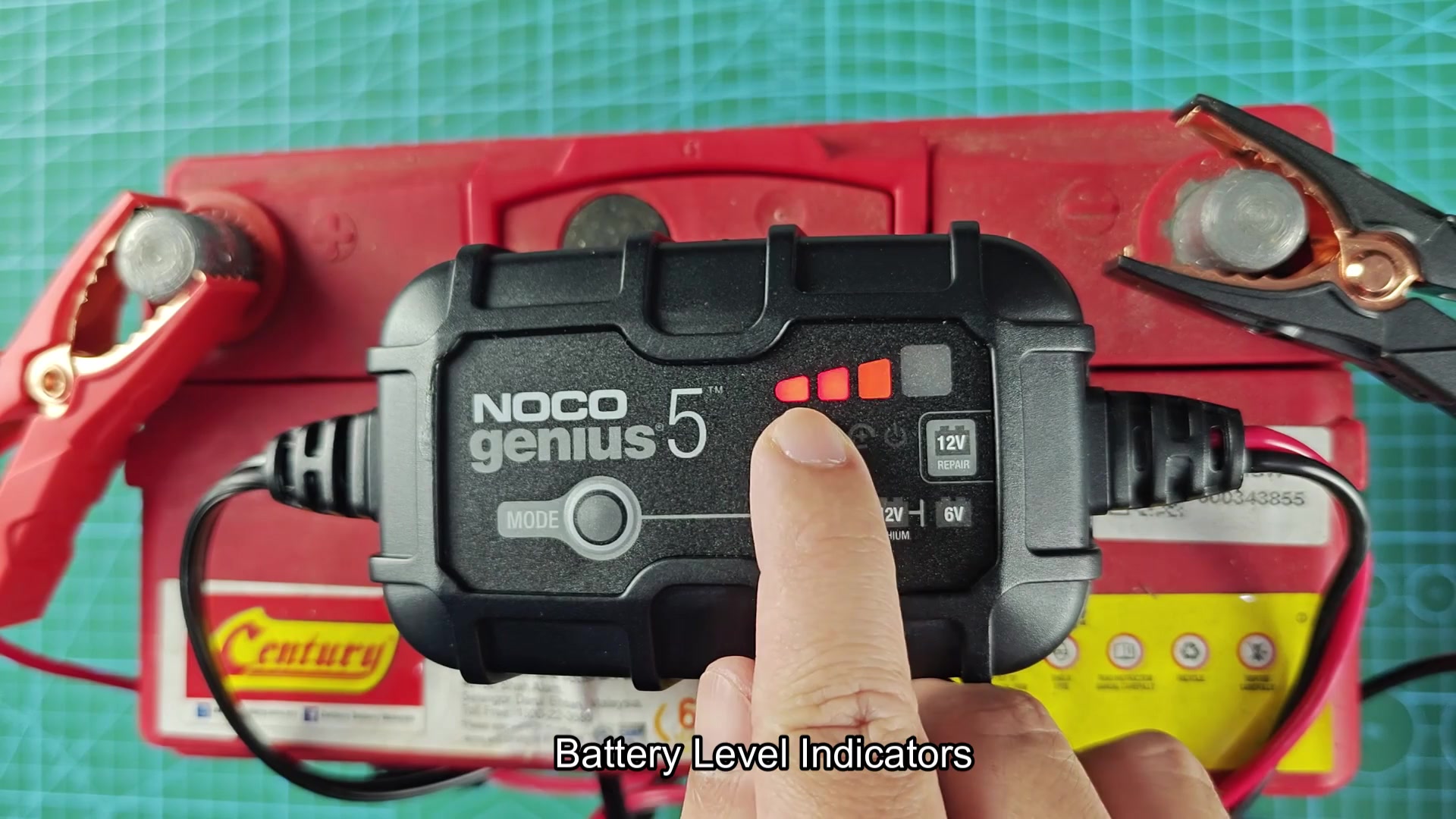
As it charged, there were different levels that would update status bar. There were multiple light that would light up in order to indicate what stage the charge was at. Three bars showed the remaining battery life, two turned red, one was orange, and the top one turned green… Which made it easy to see how much it had charged. This helped me track better than just trying to guess when it’s done by watching the clock.
Advanced Mode Selection and Repair
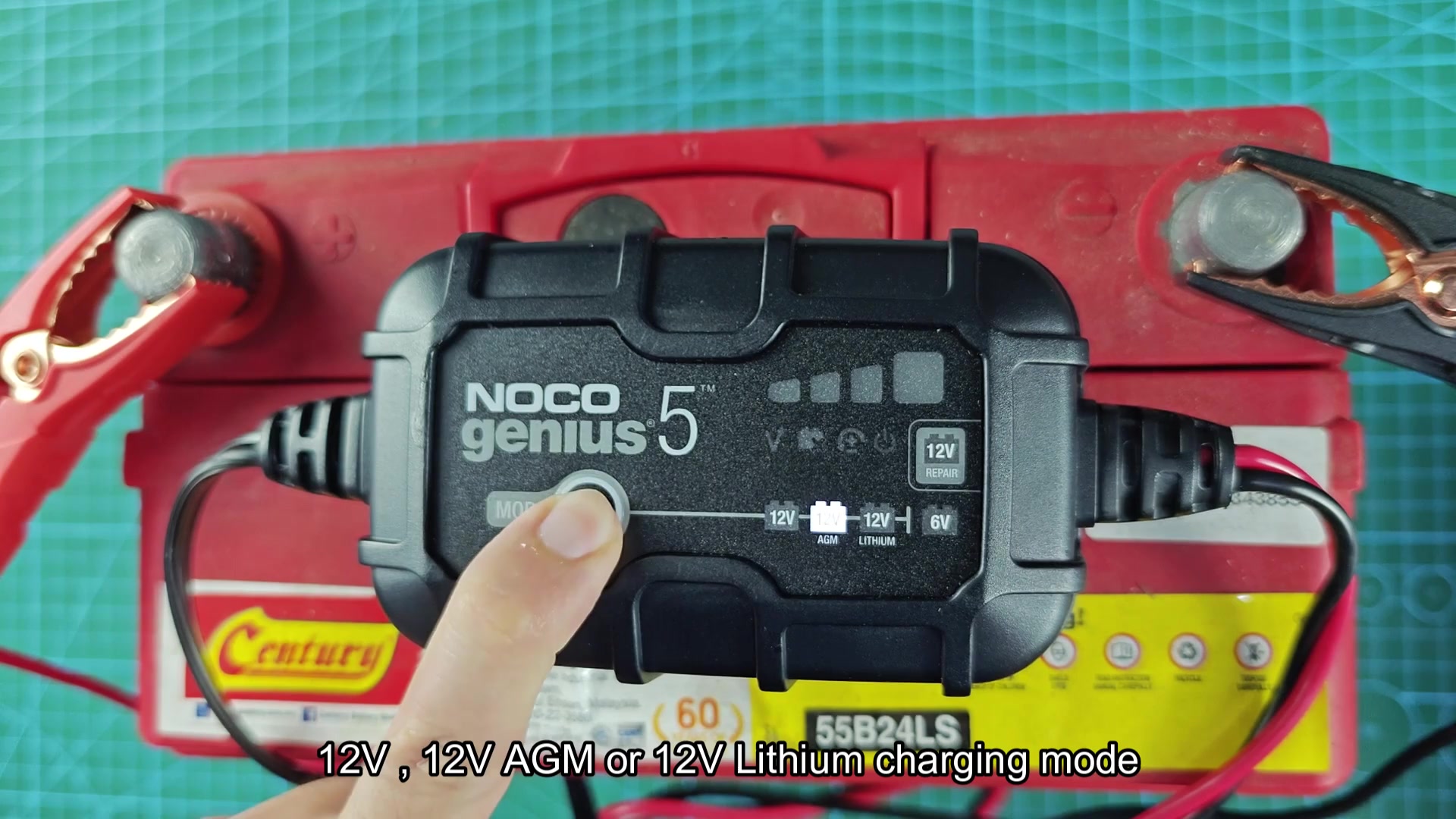
Pushing the button labeled “MODE” took you down a familiar path as you tested out mode selection feature. You cycled through them all and were happy to see blue LED light up underneath “12V LITHIUM” when it was highlighted. This indicated the charger would adjust to match the type of battery chemistry it was working with (standard lead-acid, AGM and other lithium varieties).
It protected different battery structures and changed its output based on selected mode. That meant you didn’t have to lug around multiple chargers for every project, but still had the versatility in one box.
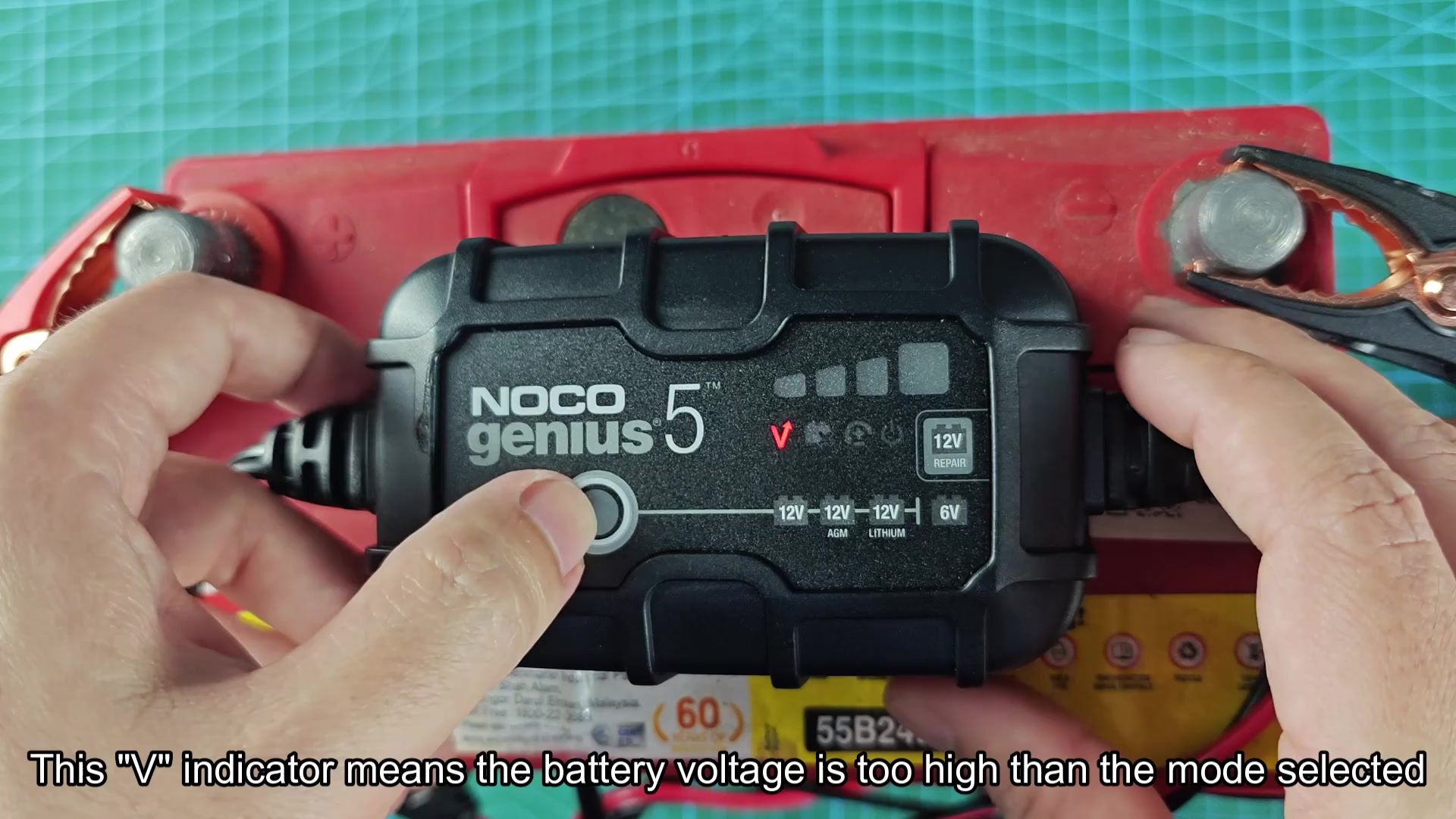
Now, when you connected the charger to your smaller six-volt battery and let it detect the voltage, a red “V” warning indicator appeared near status lights almost instantly. This said the battery voltage being detected was too high for the selected mode. You had it set to 6V, but it detected a different voltage instead. It knew something was wrong and wouldn’t let anything fry the internal electronics until you changed the setting to the correct one.
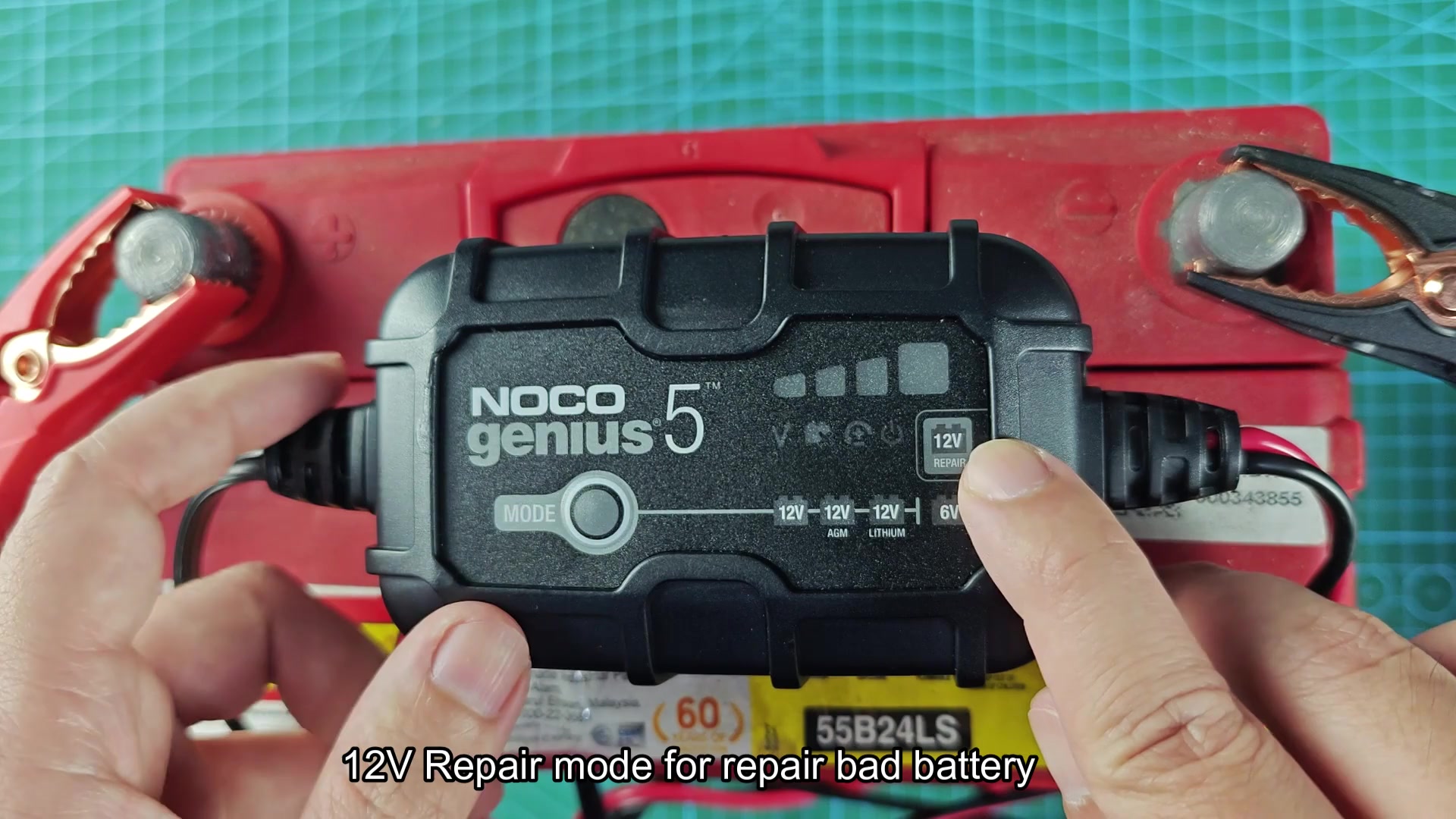
You had an older battery that couldn’t seem to hold a charge. You gave it a try with the repair function. You’re looking at the red “12V REPAIR” section where the light is lit solid now. This is because it uses a special process to restore sulfated lead-acid battery plates. It breaks down the crystal buildup that keeps them from being charged properly after sitting unused for a long time. The usual set of LEDs on the bars atop the device changed to indicate they were working through the repair cycle instead of a straight-up charge.
In your hurry to quickly test the connection of the clamps, you made a classic mistake, you flipped the clamps around. This safety feature instantly recognized that you had accidental reversed the positive and negative connections. The red reverse-polarity warning icon lit up on the front face. The unit prevented possible short circuits that could damage both the charger and the battery. It would not deliver any current until you corrected the error yourself.
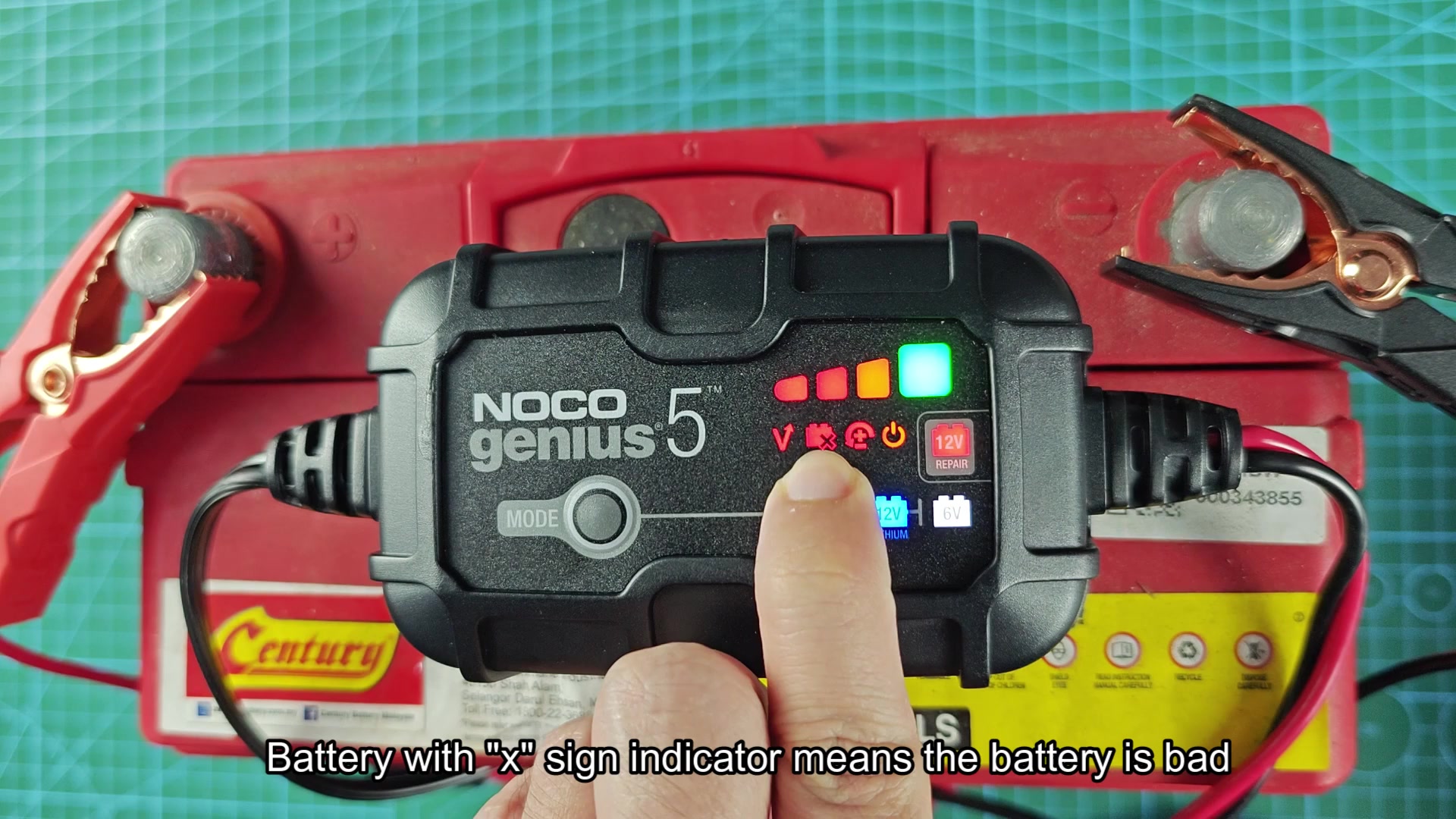
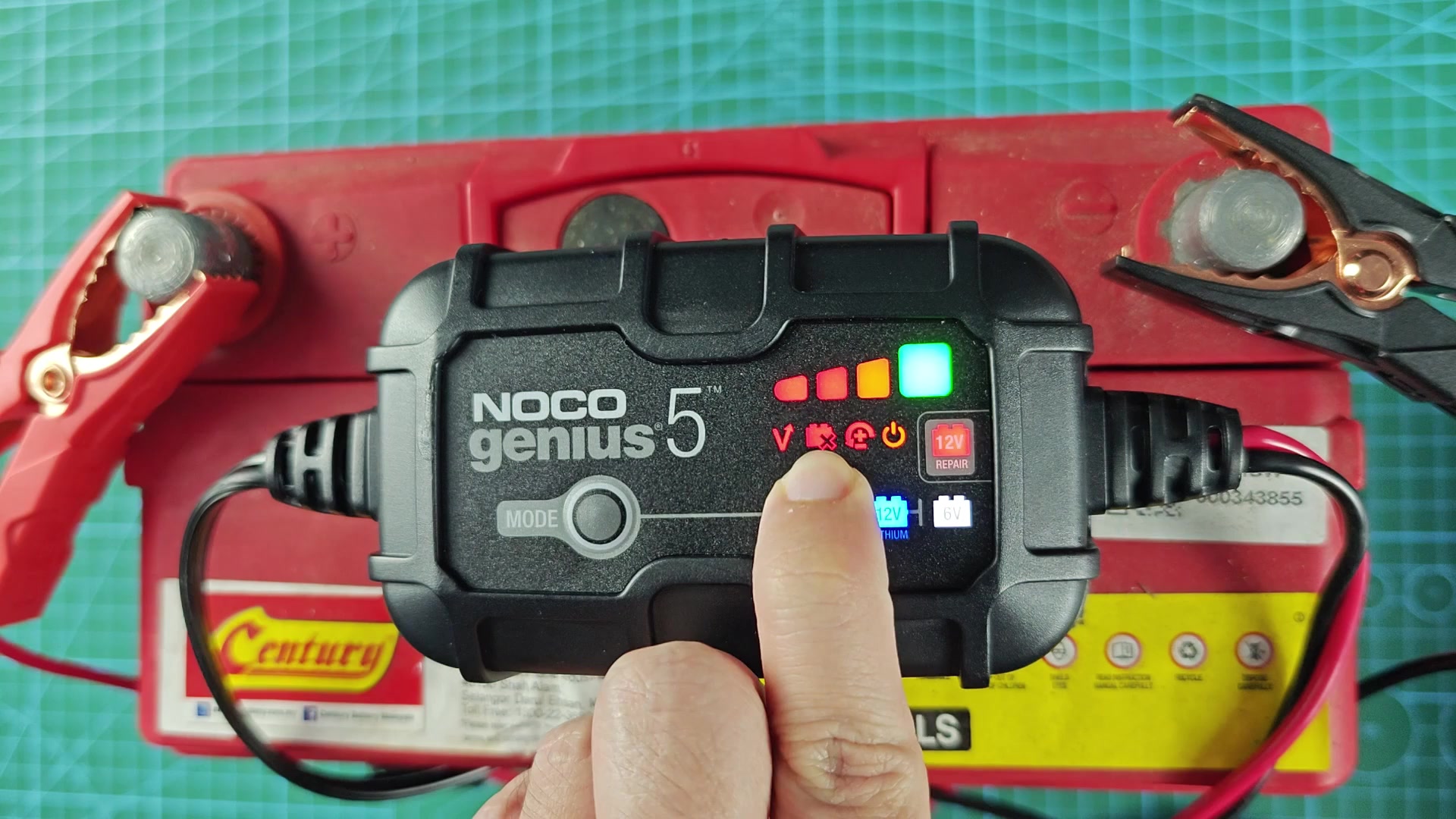
Then you encountered a dead battery that showed no response after an hour of charging attempts. You saw the little red battery icon with an “X” on it, and a bunch of other colored LEDs all lit up in the indicator row. These conditions told the charger’s diagnostic algorithms that your battery had already died and was way beyond help. Either its capacity was totally shot, or internal resistance was too high. Time to pitch the old battery.
Same story on one of the other units that failed, but you noticed the same set of warning indicators appearing there too. This consistent signaling allowed quick detection of troublesome batteries, as it wasn’t necessary to use any additional test equipment.
Seeing those color charge bars on the charger and those red warning icons (such as the crossed-out battery icon) let you know immediately when a battery was really toast. This saved you some effort in reviving hopeless cases. On several tests, the visual indication was correct.
In your time with several batteries, you tried all the possible codes for lights on this thing. It had an entire language of indicators that went beyond just on-off signals to identify errors and other conditions. You learned what those mean, which made a dizzying set of flashing lights read as clear instructions about what was happening and what to do next.
Even though there’s so much information crammed onto such a tiny screen, it’s designed in a way that makes sense. It should of been easier to use but it works moddernly.
