
Nail guns has changed the way that builders, woodworkers, and even people who undertake significant DIY projects complete there tasks. Before nail guns were invented, individuals had to spend many hour using a hammer to press nails into the wood that they were working with. With nail guns, however, the same tasks can be completed in just a few second with the simple activation of a nail gun that fires nails in a characteristic popping sound.
There are, however, many different varieties of nail gun available on the market. For individuals who is overwhelmed by the variety of available nail guns, it is possible for the selection of the wrong type of nail gun to result in wasted time, ruined project, and even injury. Understanding the varieties of nail guns is, therefore, essential for performing each project with the correct tool.
The differences between nail guns include the type of power source that is used, the mechanisms that are used to fire the nails from the nail gun, and the type of materials that is generally used with each type of nail gun. Each type of nail gun has been developed to solve certain problem that are encountered during the use of other types of nail guns. Consequently, each type of nail gun has limitations that are created as a result of the design of that tool.
After gaining an understanding of each type of nail gun, the decision of which tool is to be used will become more apparent to an individual. The following list will discuss the types of nail guns, which is arranged according to the types of projects with which each type of nail gun is generally use. Pneumatic nail guns are the standard among professional.
Different Types of Nail Guns to Use
1. Pneumatic Nail Guns
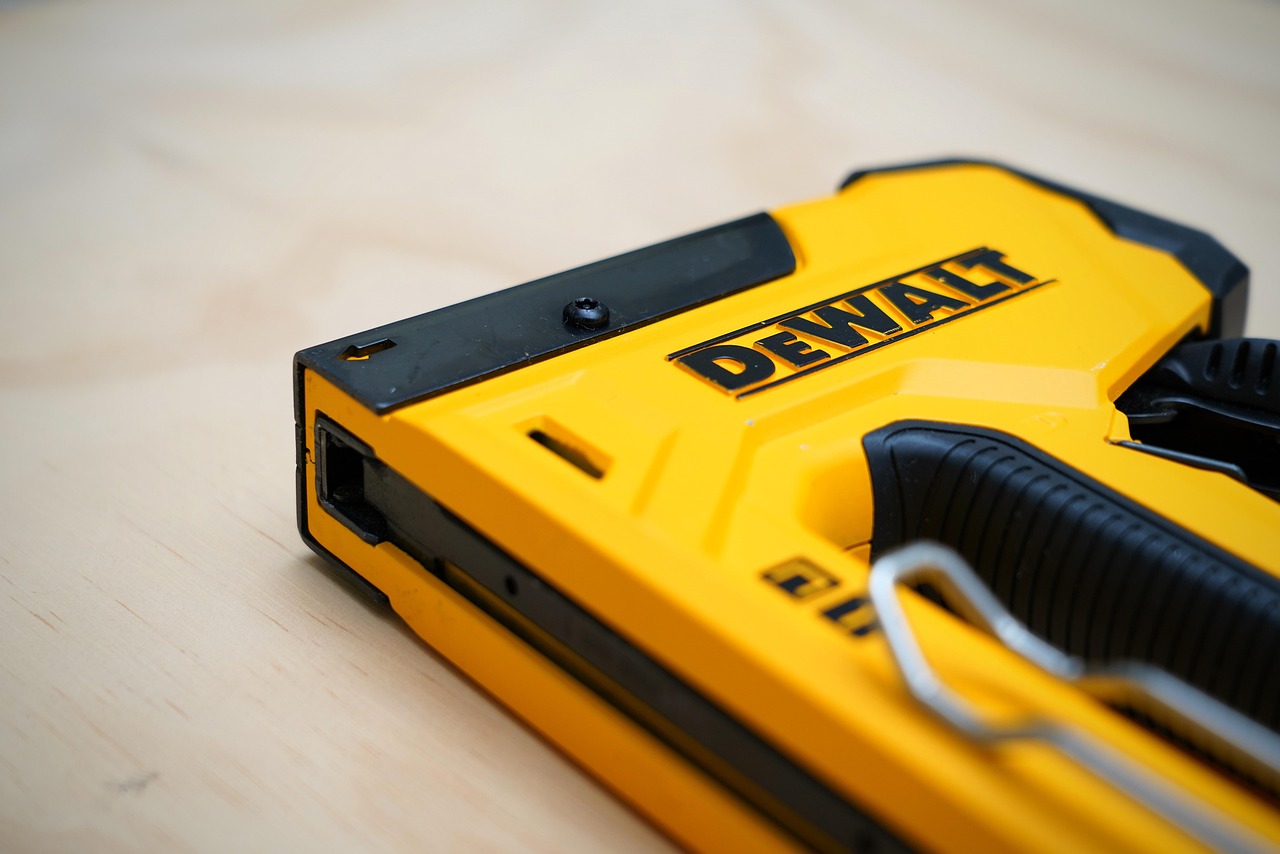
Pneumatic nail guns work with an air compressor to power the nail gun; the air compressor creates the air that propels the nails into the wood. Framing crew prefer pneumatic nail guns because pneumatic nail guns can take sixteen penny nails and insert them into pressure-treated lumber all day long without overheating or losing power. Pneumatic nail guns are relatively lightweight with the air hose; pneumatic nail guns have a relatively predictable recoil with the operator.
The cons of pneumatic nail guns, however, are that an individual must carry an air compressor and air hose; these accessories limit the mobility of the individual with the pneumatic nail gun. Consequently, pneumatic nail guns are used in situations where speed and reliability are the most important feature; they are, therefore, the first type of nail gun that an individual should learn to operate with proficiency.
2. Cordless Framing Nail Guns
Cordless framing nail guns have freed builders from the use of the air compressor and air hose that are require with pneumatic nail guns.
Cordless framing guns use a battery to power the framing gun; the fuel cell or internal flywheel creates the power needed to fire the heavy framing nails. While early models of cordless framing nail guns were bulky with short fuel cells and limited battery life, current cordless framing nail guns can fire hundreds of shot on a single charge. These nail guns are helpful when installing sheathing on second stories of structures or in areas where the air hose from the pneumatic nail gun is inconvenient to move.
However, cordless framing nail guns are heavier and cost roughly double than pneumatic nail guns. Thus, contractors and weekend warriors who care more for convenience than the purchase price of the tool are likely to purchase cordless framing nail guns. Finish nail guns are generally used for lighter tasks with importance.
3. Finish Nail Guns
Finish nail guns are relatively thin tools that fire 15 and 16 gauge nails in lengths between one inch and 2.5 inches. The small size of the nails creates a small hole in the wood that allow for the easy application of paint. Trim carpenters use finish nail guns to attach baseboards, door casings and crown molding.
Finish nail guns are easily maneuvered into tight spots in the wood and generally do not split the delicate wood. Because finish nail guns have relatively low holding power, however, they should not be used for structural framing application. Thus, finish nail guns are located in the middle ground between the other types of guns; finish nail guns are the second most important tool for most individuals to own.
4. Brad Nail Guns
Brad nail guns are similar to finish nail guns but perform a slightly lighter task. Brad nails are 18 gauge and nearly as thin as wire. Brad nails are used to attach delicate trim, paneling, or small moldings.
The holes created by brad nails are so small that they are generally filled in with paint or putty. Woodworkers build cabinets or picture frames with brad nails so as to minimize the damage that the nails could do to thin pieces of wood. The disadvantage of brad nails is that they do not have much holding strength.
Thus, brad nail guns are used for finish details in woodwork projects rather than for strength-demanding projects. Pin nail guns are even more delicate than brad nail guns. Pin nail guns fire 23 gauge pins that do not have heads to them; they are nearly invisible when driven into the wood.
5. Pin Nail Guns
Cabinetmakers use pin nail guns to secure delicate veneers, decorative pieces, mitered corner. Pin nails are thin and can bend during use so the tool is best used on softwoods. Pin nail guns should never be used for structural projects or projects that are to be exposed to the outdoors.
The advantage of pin nail guns is that multiple pins can be driven into one spot without splitting the wood or making a noticeable mark on the wood. Thus, pin nail guns are a specialist tool that is useful in specific situation when an object is too fragile to be fastened with another type of nail gun. Roofing nail guns are built for installing asphalt shingles and felt on roofs.
6. Roofing Nail Guns
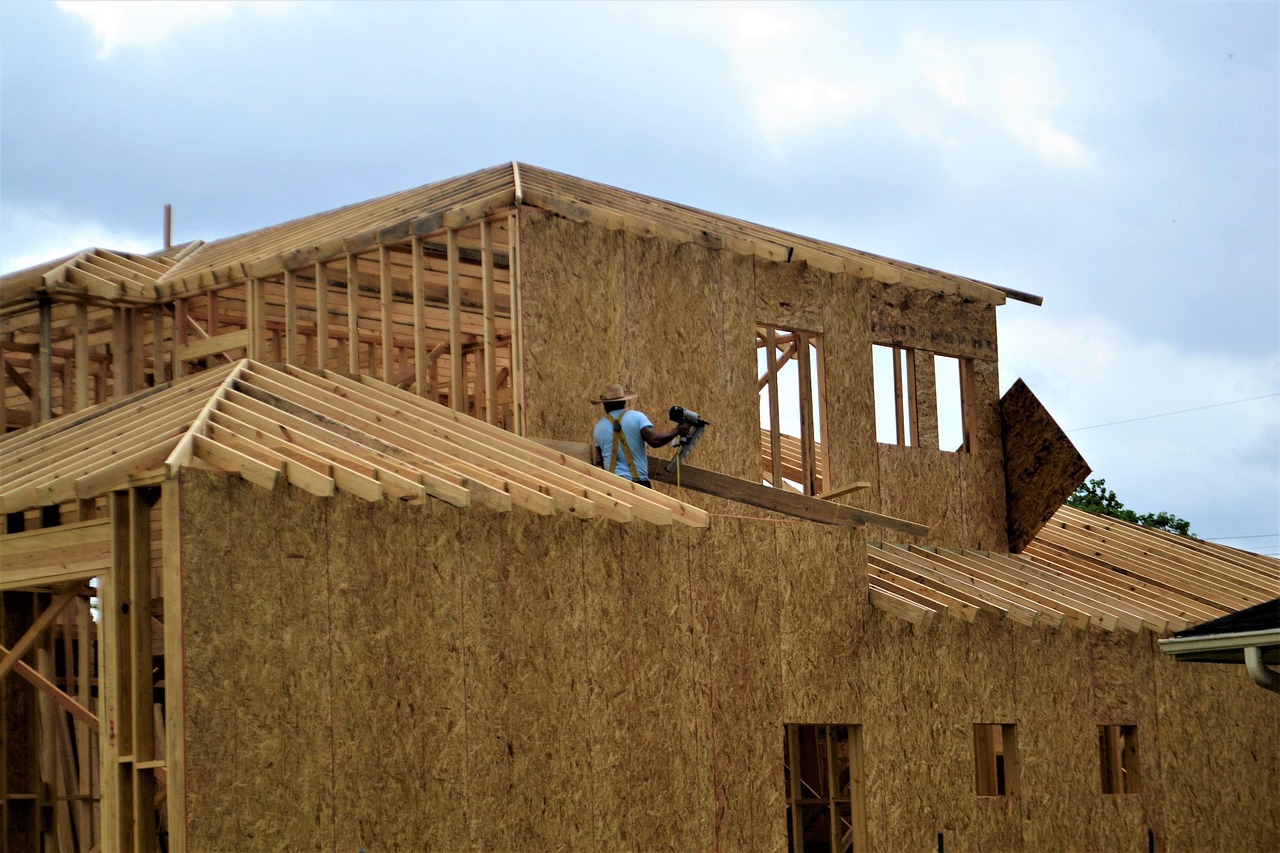
Roofing nail guns accept nails that are short with wide heads so that they can properly secure the shingles from being lifted by the wind. Additionally, roofing nail guns are surprisingly lightweight with the power that they exhibit. Roofing nail guns have large magazines with the nails so that roofers can remain on the roof for longer periods of time between reloading.
Most roofing nail guns also have a depth of drive adjustment and a shingle alignment guide so that those who use those tools can exhibit high performance with minimal effort. Since roofing tasks take place in the hot sun for many hour, the manufacturers of roofing nail guns ensure that the tools exhibit a good balance. While framing nail guns would work for roofing tasks, it would be slow and tiring; roofing nail guns are designed to exhibit the balance between comfort and performance with minimal fatigue over long periods.
7. Flooring Nail Guns
Flooring nail guns are used for installing hardwood floors without damaging the hardwood. Floor nails have L-shaped or T-shaped cleats that insert into hardwood floors; they are designed not to protrude through the hardwood. Both pneumatic and cordless version of flooring nail guns are available.
While the flooring nail guns are relatively inexpensive, one must take care in their use so as not to split the valuable hardwood. However, with proper adjustment of the nail gun, one person can lay hundreds of square feet of hardwood flooring in a day. Flooring nail guns have a steeper learning curve than other nail guns but the benefits of using a flooring nail gun can be seen in the results of installing hardwood flooring with ease.
8. Staple Guns
Finally, staple guns must also be discussed on this list; staples guns do not use nails but they are still important tools in the woodworker’s workshop. Many staple guns, both pneumatic and cordless, can fire both narrow crown staples and brad nails. Staples guns are useful for attaching items like insulation, vapor barriers, roofing felt and vinyl flooring underlayment.
The staple guns use a broader leg than nails to allow for greater strength in the items they attach. Consequently, many workshops purchase both staple guns and nail guns to complete different task efficiently; understanding the operation of nail guns prepares individuals to use staple guns because the two tools is similar. Each type of nail gun was created in response to a need that was found with another type of nail gun.
Consequently, using the appropriate type of nail gun for a project will allow an individual to complete that project with more efficiency and with less fatigue at the end of the day. Thus, an individual does not need to purchase three or four type of nail guns; however, purchasing different models of nail guns will make it easier to find the proper one for a project. Each tool will exhibit different benefits to a professional woodworker.
Consequently, when an individual purchases a nail gun, they should consider the projects that will be performed with that tool. Matching the type of nail gun, the size of the nails that are used, and the power source of the tool to the requirements and constraints of the projects that will be performed will allow the tool to become an extension of the individual’s body and the satisfaction that they feel when using the tool will be the highest of any tool.
