
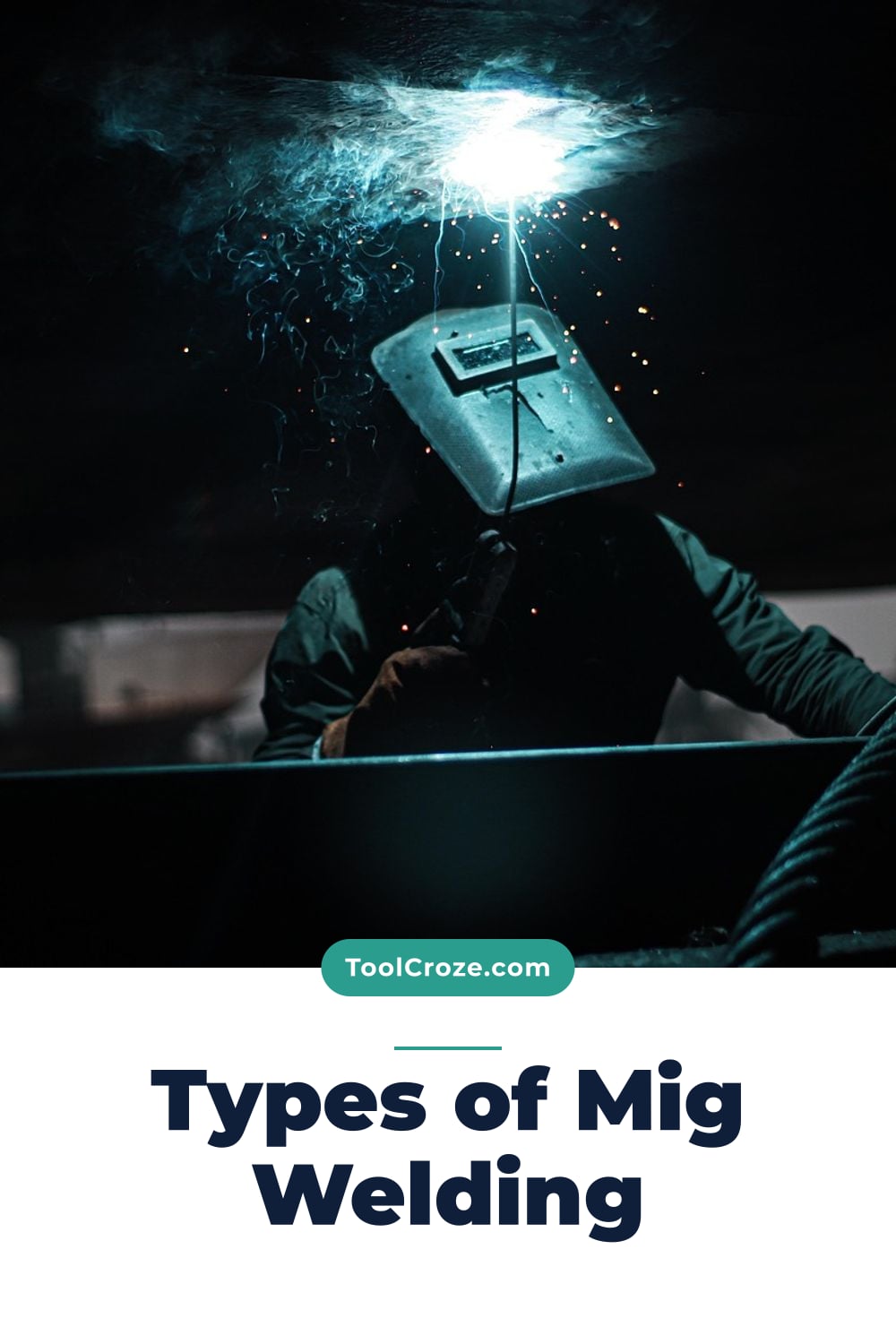
MIG welding is one of the most versatile form in which metal can be joined. MIG welding is used very frequently in welding shop and on the job sites in which welders work. During the MIG welding process, the welding machine that feeds the welding rod also supply the shielding gas that protects the weld pool from oxidizing.
This process allows for welders to lay down weld bead without having to continually stop the welding process to change welding rods. However, there are various ways to perform MIG welding to achieve different results and to weld different types of metals. For instance, welders can alter the type of wire that they use, the type of shielding gas that they use, and the type of welding mode or transfer mode that they use when they weld to alter the results of the welding process.
By understanding these different types of MIG welding, welders can avoid burning through thin metal, and they can avoid creating ugly weld joints in the thick metal plates. Weldders can use various types of welding modes when they weld. Welding mode is dependent upon the type of metal that they are welding, the thickness of the metal, the position of the weld, and the amount of grinding that they are prepared to perform after welding.
Common Types of MIG Welding Methods
1. Short Circuit Welding
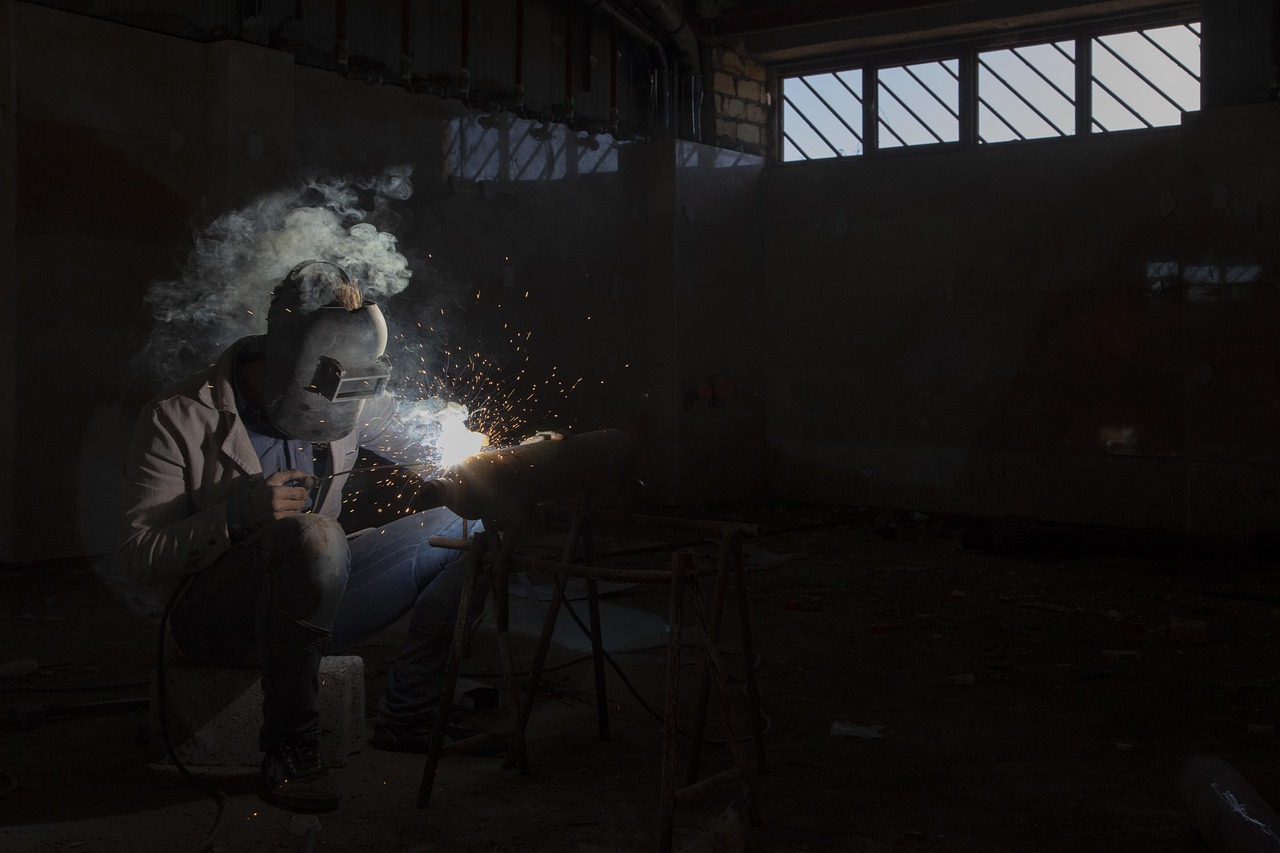
For instance, short circuit modes will cause the metal to spray across the welding arc in a much tighter stream than the other modes. Other welding modes will create a short circuit so that welders who are just beginning to learn how to weld in an overhead position can learn to weld without dripping metal onto their boot. Other modes are in the middle of these two modes and provide the benefits of both types of modes.
By seeing how the weld modes function while the welder is holding the gun, welders will gain more confidence in their welding skills. Short-circuit welding is often the first welding technique that welders learn. There are various reasons why short-circuit MIG welding is the first welding mode that new welders learn.
For instance, short-circuit welding causes the wire to create a short circuit with the workpiece metal, which melt the wire. Because short-circuit welding creates less heat than other welding modes, thin metals as thin as 24 gauge can be welded with short-circuit welding. Auto body welding shops use short-circuit welding the most due to the thin metals that is often found on automobiles.
Furthermore, because short-circuit welding allows metals to freeze rapidly, welders can weld in vertical and even overhead position without difficulty. However, short-circuit welding does burn through metals at a relatively rapid rate, which can be an issue during long welding jobs. Furthermore, the cracking sound that is made when welding with short-circuit welding modes can become fatiguing after long period of welding.
2. Globular Welding
Globular welding is the next welding mode in the range of welding modes. Globular welding modes generate welds that are heated to a higher temperature than short-circuit welding modes. During the welding process, the wire melts into droplets of metal that fall across the welding arc due to the influence of gravity.
Because metal droplets are falling across the welding arc, welds made with globular welding modes tend to create more spatter than short-circuit welding. As a result, more grinding will be required to prepare the weld. While globular welding modes are not the preferred welding modes for welders, globular welding can be beneficially use to weld thicker metals in a flat welding position.
3. Spray Welding
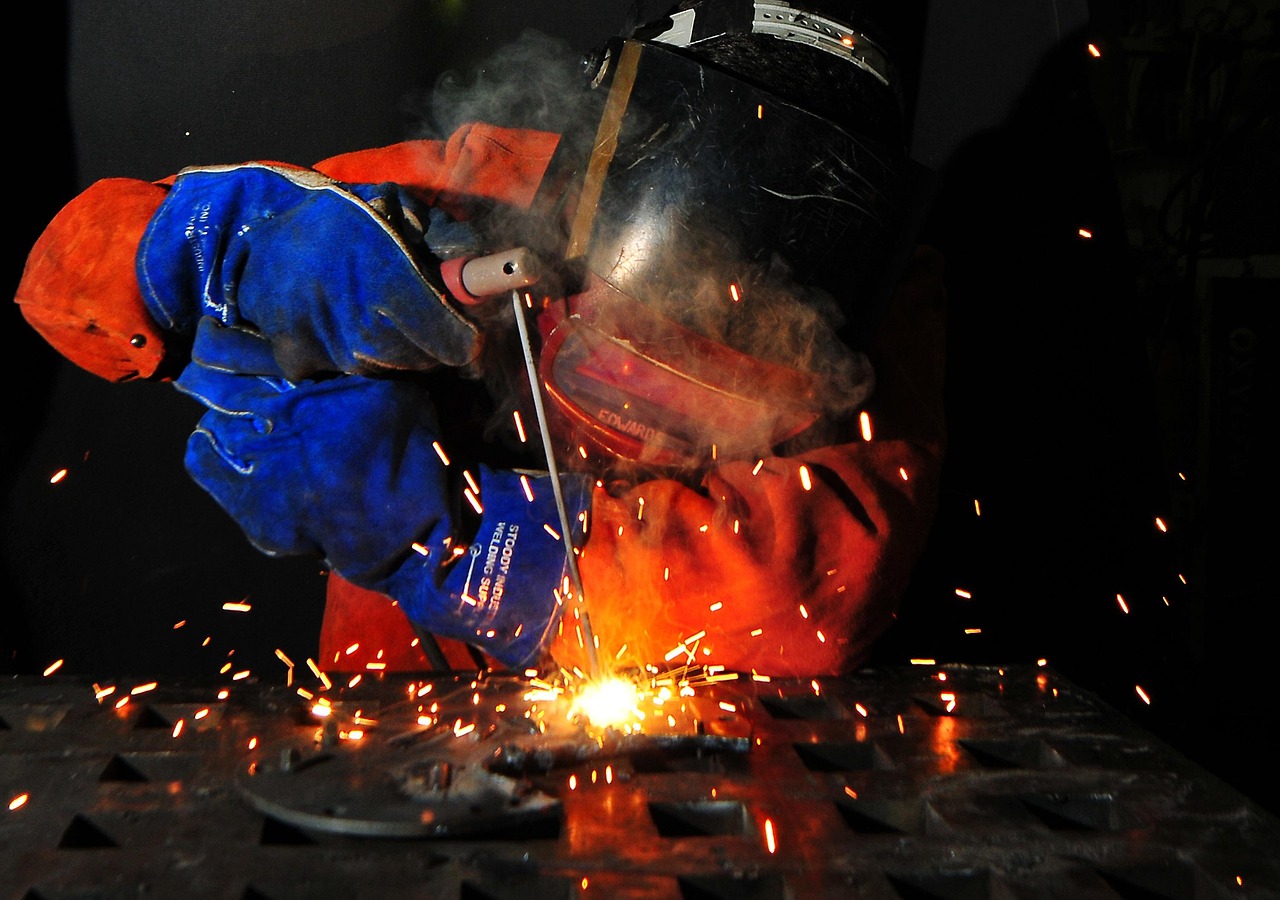
Globular welding modes do not require the high level of current that are required by spray welding modes. Spray welding modes have a reputation for being one of the smoothest welding processes. Spray welding modes require that the voltage and the wire speed reach certain levels.
At these levels, the welding arc forms a fountain of droplets of molten metal. Spray welding modes create a weld pool that appears as if it is liquid, the welding arc produces a hissing sound, and spray welding modes create minimal spatter. Metal fabricators who must weld thick metals of three-sixteenths of an inch and thicker often use spray welding modes.
Furthermore, spray welding modes can be used on metals of any thickness. However, spray welding modes require high amounts of current and produce a great deal of heat. Excessive heat can cause thin metals to warp during welding, and thin metals can even burn away when exposed to such high levels of heat.
Furthermore, spray welding modes often cannot be used in welding positions other than flat metals since the weld pool freeze less rapidly. Overall, however, spray welding modes allow the welder to weld in a flat position, on thick metals, and where an excellent appearance of the weld is required. Pulsed spray welding was developed as a way to find a balance between spray welding modes and short-circuit welding modes.
4. Pulsed Spray Welding
Pulsed spray welding modes rapidly switch between high currents and low currents. During the high current phase, welders experience spray welding modes; during the low current phase, the weld pool has time to cool. Pulsed spray welding modes generate less heat than spray welding modes but still produce welds with low amounts of spatter and excellent weld appearance.
Pulsed spray welding modes allow welders to weld aluminum without the issues of burn through metals that plagued welding shops with traditional welding modes. Furthermore, pulsed spray welding can be used on metals like stainless steel if the welders want a weld with minimal amount of metal oxide. However, pulsed spray welding modes come at a high cost since true pulsed welding mode welders will pay a premium price for welding guns with pulsed spray welding modes.
Furthermore, pulsed spray welding modes require welders to have an understanding of the different settings for the welding machines. However, once welders gain experience using pulsed spray welding modes, they can weld a variety of different metals with that same welding machine. Flux-cored arc welding, or FCAW for short, is slightly different than MIG welding.
5. Flux Cored Arc Welding (FCAW)
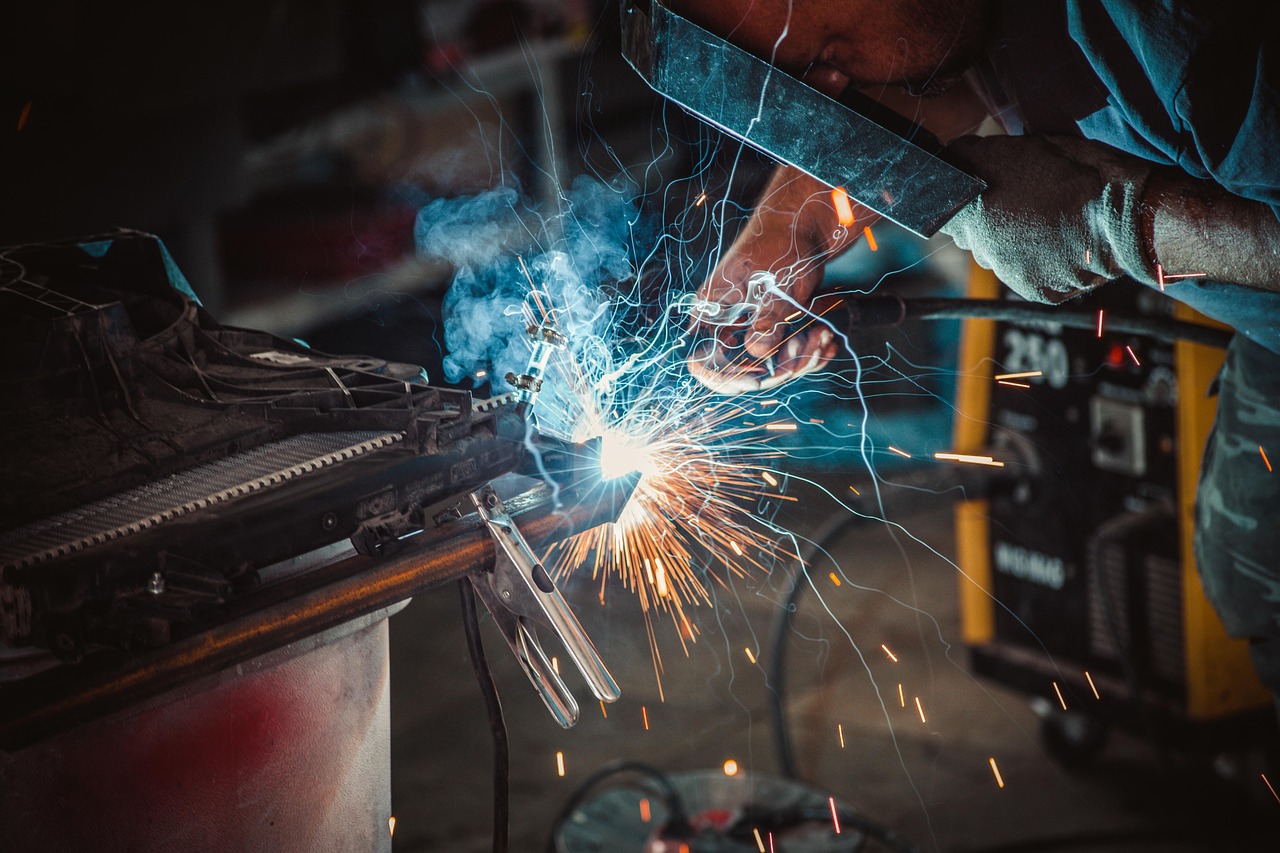
However, many welders use the same welding equipment to perform flux-cored arc welding. Instead of using solid welding wire and shielding gas, flux-cored arc welding uses welding wire that contains flux within its metal sheath. This flux allows welders to weld outside in the wind since the flux acts as its own shield for the weld pool of metal.
Self-shielded welding wires are popular for constructing sites since welders dont want to move gas tanks up scaffolding to weld metal structure. However, dual-shield welding wire also allows welders to use an external shielding gas to create even cleaner welds on thick metals. Flux welding modes produce slag on the weld that protects the weld from oxidizing while it is cooling, but it also means that welders must clean the weld of the slag.
For these reasons, though, flux welding modes can be extremely effective if welders are welding thick metals in non-ideal condition.
6. Aluminum Welding
Aluminum wire presents specific challenges to welders when compared to the welding characteristics of steel metals. Aluminum wire is a softer metal than steel metals and will often feed poorly through the liners on welding guns.
Furthermore, aluminum wire can become entangled in the drive rolls on welding guns. For these reasons, welders often switch to a spool gun for welding aluminum metals. Argon gas is the shielding gas that is used for welding aluminum metals, although welders can also mix argon gas with some helium to allow for faster travel speed on thicker metals of aluminum.
Because aluminum metals conduct heat very rapidly, welders must use higher amperage and travel speeds when welding aluminum metals than they would use on metals of the same thickness of steel. Still, once welders become used to the specific challenges of welding aluminum metal, they can weld metals like boat hulls, trailer metal, and even architectural metals that would otherwise require TIG welding guns.
7. Stainless Steel Welding
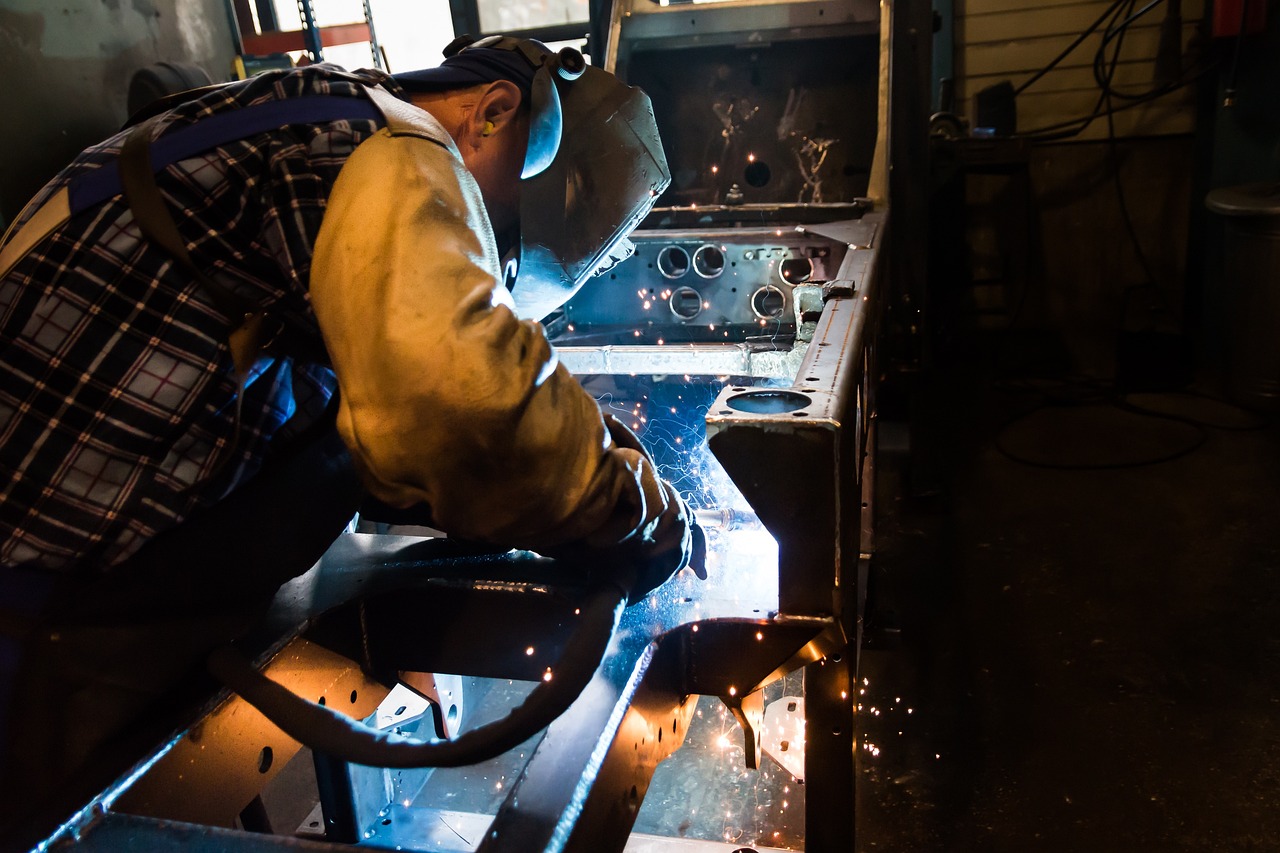
Stainless welding metals with MIG welding guns requires welders to pay close attention to the metals chemistry and the type of gas that they use.
For instance, if welders use the wrong type of filler metal when welding stainless steel metals, the weld will destroy the corrosion resistance of the stainless steel metal even if the weld looks good. Metals like 304 stainless steel will use the ER308L filler metal but 316L stainless steel metals will require the welder to use 316L wire. Furthermore, tri-mix gas, which is a specific balance of argon, helium, and carbon dioxide gases will produce excellent results when welding stainless steel metals.
Welders who are just beginning to learn MIG welding may attempt to use the cheaper pure carbon dioxide gas but will often find their welds discolor the stainless steel metal. However, welders who take the few extra minutes to find the proper type of wire and gas for the metal that they are welding will save themselves time later when metal inspectors pass their welds without having to reweld any portions. Each of these welding methods has a different feeling when welders use the welding machines.
For instance, short-circuit welding modes can create a lively conversation in the welder since the weld contains many “pops” and “pauses” in the welding process. Spray welding modes create a hypnotic hiss that welders can become absorbed in during their welding jobs. Pulsed welding modes create a ripple in the weld that welders can feel and hear.
By learning to recognize each of these sounds made by the metals during welding, welders can advance their welding skills to craft beautiful welds. When a person turns on a welding machine, they should first take a moment to consider the type of metal that they will be welding. If they take a few minutes to consider which welding mode, wire, and gas will best suit the job that they have, they will save themselves time later in the job when they will not have to spend time grinding welds or rewelding portions of the metal.
Furthermore, the best welders are not those with the most expensive welding machines. Instead, the best welders are those with an understanding of which type of MIG welding technique to use when each type of metal requires a specific welding approach.
