
Laminate flooring can make a person feel like an expert in the field of flooring for a short period of time. A person may look at the wood grain options for laminate flooring in the showroom, but when a person begins to work with the underlayment and the planks of laminate flooring, they may discover that they are not skilled with make the laminate flooring lock into the subfloor. Laminate flooring expertise is found not in the laminate flooring products but in the tools that is needed to properly install laminate flooring.
By skipping necessary tools for installation, a person will spend twice as much time fixing the laminate flooring that was installed. A good set of tools will make laminate flooring installation both faster and look more better when the installation is complete. The longevity of laminate flooring can last for fifteen year or it can fail and have gaps in the planks after only three years of installation.
The difference in laminate flooring longevity is the result of not respecting the demands of the laminate flooring material. The tools that are required for laminate flooring installation include:
Essential Tools For Installing Laminate Flooring
1. Tapping Block and Pull Bar
A quality tapping block and a pull bar are the first tools that a person should purchase for laminate flooring installation. The tapping block and the pull bar work together to seat laminate flooring planks without damaging the delicate edge of the planks.
A cheap tapping block will dent the planks that are tapped with it. Additionally, the pull bar is helpful for the installation of the last row of laminate flooring as there is very little room to swing a mallet in the final row. The extra ten dollars for these two tools will save a person from the regrettable situation of gaps in the laminate flooring after it has been installed.
2. Underlayment Cutter
The underlayment cutter is another tool that is needed for laminate flooring installation. Many individuals will purchase a pair of scissors for this tool, however, the underlayment is very dense and tough. Scissors will damage the underlayment and create gaps between the underlayment and the laminate flooring.
3. Rolling Cutter
The rolling cutter will allow a person to cleanly cut the underlayment and create tight joint between the planks of laminate flooring. While this tool might seem unnecessary when installing laminate flooring, the installation of a second room will reveal the benefits of purchasing this specific tool. Another good tool for laminate flooring installation is the laminate floor cutter.
The laminate floor cutter, which is a guillotine-style chopper, is beneficial for cutting laminate flooring and eliminating the dust and noise that other cutting tools create. A circular saw can also be used to cut laminate flooring but will create dust particles in the work area. Additionally, a manual laminate flooring saw is helpful for cutting planks in the house since it does not require the use of a respirator or ear protection.
However, a manual cutter will struggle with cutting thicker planks of laminate flooring. The manual laminate flooring saw is helpful for making straight cuts but may not have the strength to cut intricate angle in the flooring; a saw will still be needed for those areas. A decent set of spacers is another tool for laminate flooring installation.
4. Spacers
The laminate flooring must be installed with an expansion gap around the perimeter of the installed floor; the expansion gap should be between eight and ten millimeters, depending on the climate in which the flooring will be installed. If the gap is not maintained with good quality spacers, one side of the laminate flooring installation may buckle while the other side has no gap between the flooring and the wall. Additionally, laminate flooring experiences expansion or contraction based on changes in the temperature of the area.
Good quality spacers will allow laminate flooring to expand and contract without damaging the flooring. While the spacers are very cheap and easily purchased, skipping buying these tools will result in laminate flooring repairs later on. Another tool that can be purchased is a moisture meter.
5. Moisture Meter
While laminate flooring is more durable than hardwood flooring, laminate flooring can fail if it is installed on damp concrete. A person will want to check the moisture of the subfloor in a few spots. If laminate flooring is installed on damp subfloors, it may lift like bread dough six weeks after it is installed.
The moisture meter tool is small and can be purchased for a very low price; even casual DIYers should own this tool. Once a person purchases laminate flooring and installs it on subfloors that experience moisture issues, it is impossible to ignore the importance of moisture meter. A speed square and a pencil are two of the other tools that is needed for laminate flooring installation.
6. Speed Square and Pencil
The speed square will be used to cut notches around pipes, vents, and the door frames in the installation area. The pencil is used to mark laminate flooring; laminate flooring markings are very dark and the markings cannot be erased once they are placed on the flooring. These two items are a low-tech means of cutting laminate flooring in such a way that the installation looks good and does not require filler strips to be purchased to even complete the installation.
7. Rubber Mallet
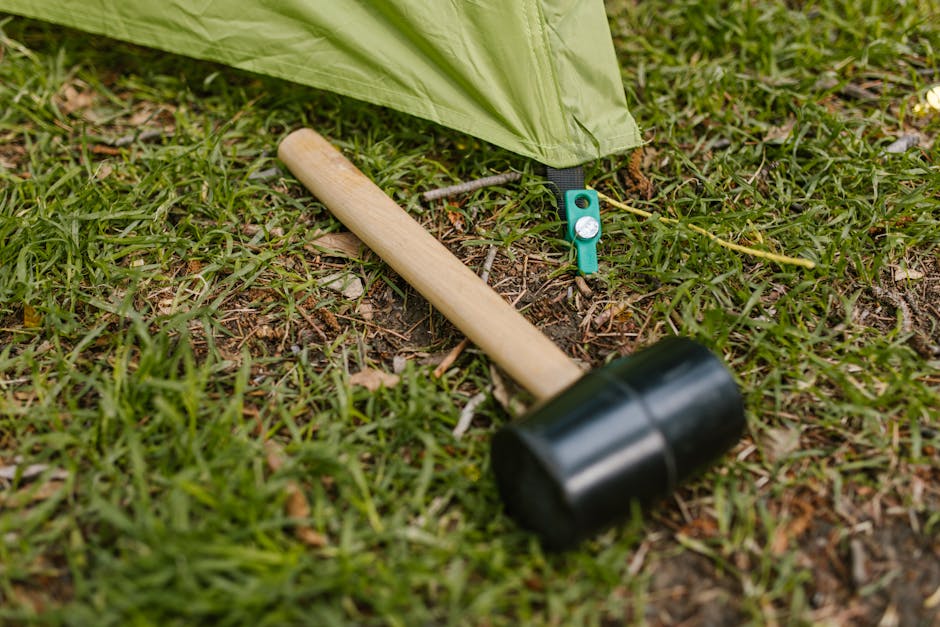
A rubber mallet is a tool that can be purchased for laminate flooring installation. A rubber mallet will help to avoid the damage that a regular hammer can cause to laminate flooring; the rubber mallet does not bounce as sharply as a regular hammer and will not crack the corners of laminate flooring. The rubber mallet also has a handle with a comfortable grip and enough weight to push the laminate flooring into place.
Additionally, the rubber mallet has interchangeable heads so it can be used as a tapping block (firm head) to push the laminate flooring into place or as a floor mallet (soft head) to not damage the laminate flooring. An undercut saw is a tool that will save a person from frustration in the flooring installation process. The undercut saw will allow a person to trim the base of the door casing and trim the laminate flooring so it rests flush against the casing without the need to remove the casing.
8. Undercut Saw
If a person chooses to remove the casing, it may turn a one-day flooring installation into a week-long task to install the laminate flooring around the casing. Additionally, the undercut saw makes it possible for a person to install the laminate flooring in the area without breaking down the casing. Once a person uses an undercut saw to install laminate flooring, they will understand how useful it is for flooring installation.
Furthermore, the undercut saw has a gentle learning curve and will save a person and their contractor a lot of time during installation. A good pair of knee pads and a utility knife is the last group of tools to purchase. A person will spend many hours in a kneeling position installing laminate flooring.
9. Knee Pads and Utility Knife
Quality knee pads will prevent a person from getting pain in their knees after several hours of installation. Additionally, laminate flooring installation will require a utility knife to cut the underlayment, to shave the edges of a laminate plank that is stuck to the floor, and to remove the laminate flooring packaging. While these two tools will not tap the laminate flooring or cut laminate flooring planks, they will protect a person’s body and installation results.
While purchasing the tools will not make a person an expert in laminate flooring installation right away, the tools will ensure that any mistakes get made during the installation process. Additionally, laminate flooring will last for a long time with proper maintenance. The satisfaction that a person will feel in having completed a good installation will provide the incentive for a person to purchase these tools.
A person is not just installing laminate flooring but creating a floor that a family will use for many years.
