
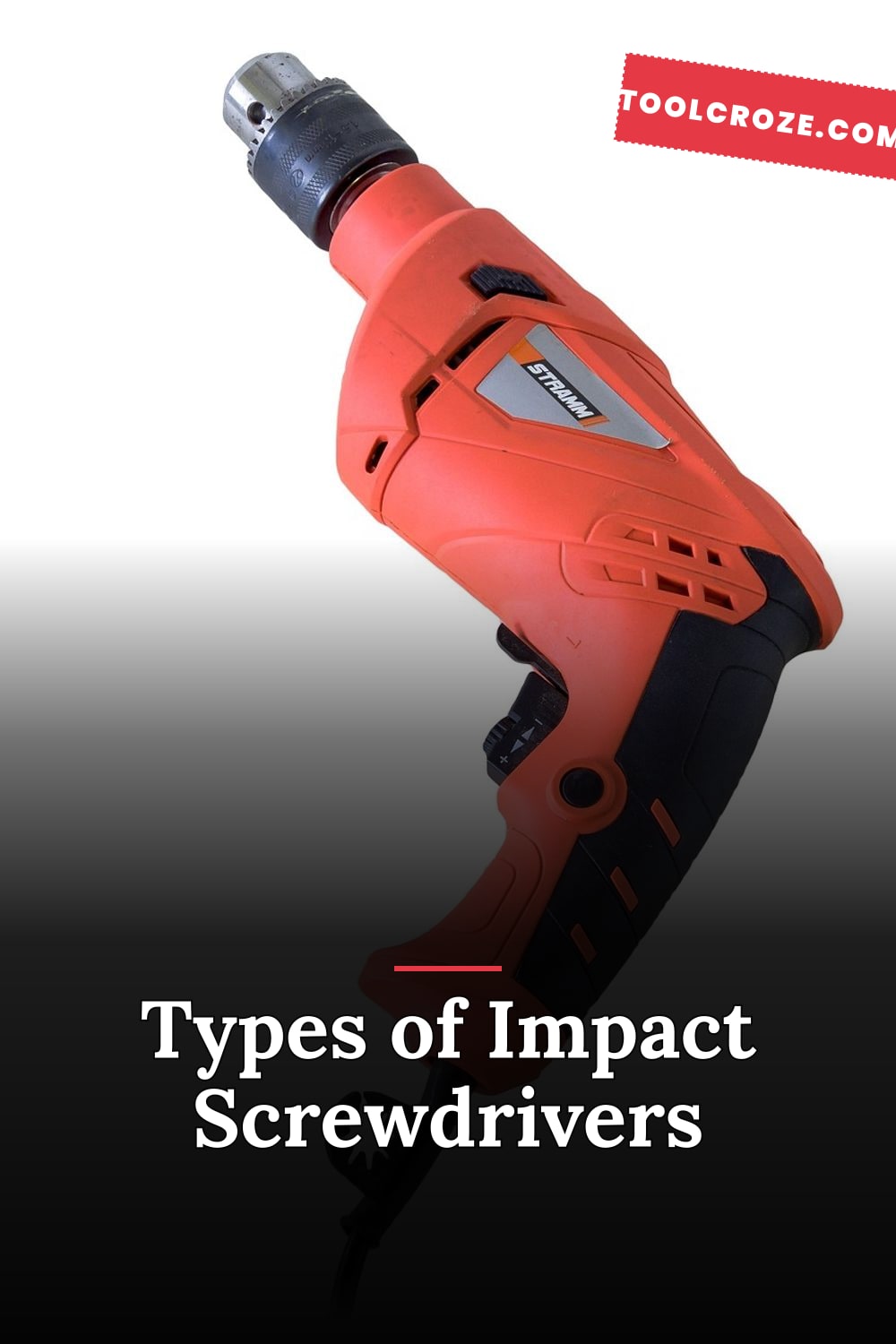
Impact screwdrivers are essential tools that many peoples has in their toolbox. When removing a screw that has been in a fixed position for a long time, the screw may become stuck due to rust, paint, or even the passage of time. In these situations, someone can use an impact screwdriver to loosen the screw.
An impact screwdriver turns the downward force into rotational torque that sudden loosens the screw without stripping the screw head or damaging the material around the screw. People who work in the field such as mechanics, woodworkers, or those restoring antique items often use an impact screwdriver because the tool can provide enough power to loosen the screw in tight area of an item. These tools are also used in situations where a drill could potentially damage the item being worked on, but where the impact screwdriver must still reach into the area to loosen the screw.
Not all impact screwdrivers are alike, however. The design of the tool, the drive mechanism, and the type of blow that it delivers with its impact driver will change how the tool feels to the person using it and how effective it can complete the job that it is asked to do. It is, therefore, helpful for someone to understand the different varieties of impact screwdrivers so that they can select an appropriate tool for the job they have to do.
Different Types of Impact Screwdrivers to Know
1. Manual Impact Screwdrivers
Manual impact screwdrivers rely upon the strength of the users muscles and an impact driver’s cleverly designed internal mechanism to loosen rusted screws. To use a manual impact screwdriver, the user must position the bit into the screw head, press hard on the bit, and strike the handle of the manual impact screwdriver with a hammer. The manual impact screwdriver’s spring-loaded cam inside the tool will rotate the driver tip a few degrees with every striking of the screwdriver.
This creates the sudden jolt that shears at the rust that is holding the screw to the material it is fix into. Manual impact screwdrivers are used into many generations as they dont rely on batteries to operate and they do not require an air hose to provide power to the tool. Because manual impact screwdrivers are very simple in their design, few parts will break on the tool.
Manual impact screwdrivers are often used to perform work on antique items or old vehicles because they do not produce sparks and allow people to feel the amount of force the screw will take. With manual impact screwdrivers, however, the muscles of the persons arm will become tired and they may need to practice using the tool to avoid denting the handle of the tool with their strike.
2. Electric Impact Drivers
Electric impact drivers provide convenience to users as they are cordless.
Electric impact drivers use a battery to power the motor that creates thousands of hammering blow per minute. The motor inside the electric impact driver’s impacts an anvil to deliver the rotational shock that loosens the screw. The electric impact driver will loosen the screw in areas that may be awkward or for people who want to avoid using manual effort to hold the tool in place in overhead positions.
Electric impact drivers are often used in tasks that require a large amount of production work. Examples of such work include installing deck screws, assembling furniture, or removing interior screws on a house or vehicle. The disadvantages to electric impact drivers are that the motor housing is often bulky and the tool must be charged to continue working.
3. Pneumatic Impact Screwdrivers
Pneumatic impact screwdrivers are used where raw power is the most important aspect of the job. A pneumatic impact screwdriver will be hooked up to an air compressor. Impact screwdrivers of this type provide massive torque in a compact size and often weigh less than electric-powered models.
The air motor that is inside the pneumatic impact screwdriver will spin a hammer that will strike a fastener to loosen it. Professional mechanics who require alot of power for their work and who do not mind the heat created by the tool when in use use these tools. The air motor will not heat up during long period of use.
The power of the pneumatic impact screwdriver can also be controlled using a regulator on the air compressor. The main disadvantage to pneumatic impact screwdrivers is the air hose that connects the tool to the air compressor. The user will lose mobility if they move more than twenty feet from the air compressor.
Additionally, the pneumatic impact screwdriver will produce constant noise and an oil mist in the air line. Another type of impact driver is the corded electric impact screwdriver. This tool is often not considered when people think of impact screwdrivers.
4. Corded Electric Impact Screwdrivers
The advantage to a corded electric impact screwdriver is that it will not run out of power. It can work for longer periods than electric-powered tools that are run on batteries. Corded electric impact screwdrivers are often used in a fixed workshop or shop for endurance work.
The work site may have a power outlet to which the worker can plug in the corded electric impact screwdriver. The advantage is that a worker will not have to deal with a power cord in tight areas, such as an engine bay. Additionally, the consistent power and the lack of tired muscles from using the corded electric impact screwdriver will allow the worker to strip fewer screw.
Corded electric impact screwdrivers are often heavier than cordless impact screwdrivers. This is one of the reasons why mobile workers dont use corded electric impact screwdrivers as often. A ratcheting impact screwdriver includes a feature that allows the tool to function both as an impact driver and as a normal screwdriver.
5. Ratcheting Impact Screwdrivers
A ratcheting impact screwdriver has a switch that allows the user to select forward, reverse, or lock. The tool can be used as a normal ratchet driver to loosen a screw that is currently not set into place. Once the screw is loosened, the user can strike the end of the ratchet impact screwdriver with a hammer to extract the screw.
Electricians and HVAC technicians often use this tool. These trades need a tool that can handle both loosely set screws and those with corroded bolts. A ratcheting impact screwdriver allows people to complete their tasks without having to change tools.
The internal parts of a ratcheting impact screwdriver are more complex than manual models so they cost more money. Additionally, the ratchet parts will need to be occasionally cleaned to ensure that the tool continues to efficient turn the screw without breaking or the ratchet parts will become stuck. Precision impact drivers are small impact drivers that are used for tasks that require a lot of finesse.
6. Precision Impact Drivers
Watchmakers, jewelers, and those who work in the repair of electronics use these miniature tools. The precision impact drivers are shaped like a pen. A small hammer can be used to tap the precision impact driver to loosen the screw.
The bits of precision impact drivers are made smaller than 1/16 of an inch in diameter. These tools show the many ways in which impact screwdrivers are used, from brute strength to precision tasks. Impact screwdrivers come in different types to solve specific problems.
Manual impact screwdrivers are best for those who only have to use the tool occasionally. Cordless electric impact screwdrivers are common among workers at job sites. Pneumatic impact screwdrivers are used in professional auto repair shops where air compressors are present in the shop.
Corded electric impact screwdrivers are used in a workshop where the worker does not have to move from their work site for long periods. Finally, those who require a certain type of functionality from their screwdriver use ratcheting and precision impact screwdrivers for specific tasks. The most important skill with an impact screwdriver is to recognize which type of impact screwdriver is appropriate for the screw and the situation.
Using a large pneumatic impact screwdriver on a small brass screw on an antique radio will damage the screw head. Using a precision impact screwdriver, however, will not damage a large carriage bolt. Before using an impact screwdriver, one should consider the size of the screw’s head, the material around the screw, the amount of clearance to extract the screw, and for how long they will need to use the tool.
If the correct impact screwdriver is used for the task, the tool will feel as though it is an extension of the worker’s hand. A worker who has to deal with a screw that will not move should first consider the nature of the job. They should consider if the job requires raw power, finesse, mobility, or endurance.
Once they have determined the nature of the job, they can select the correct type of impact screwdriver. Understanding the different types of impact screwdrivers will allow a worker to finish the job they have to do and to move on to their next task.
