
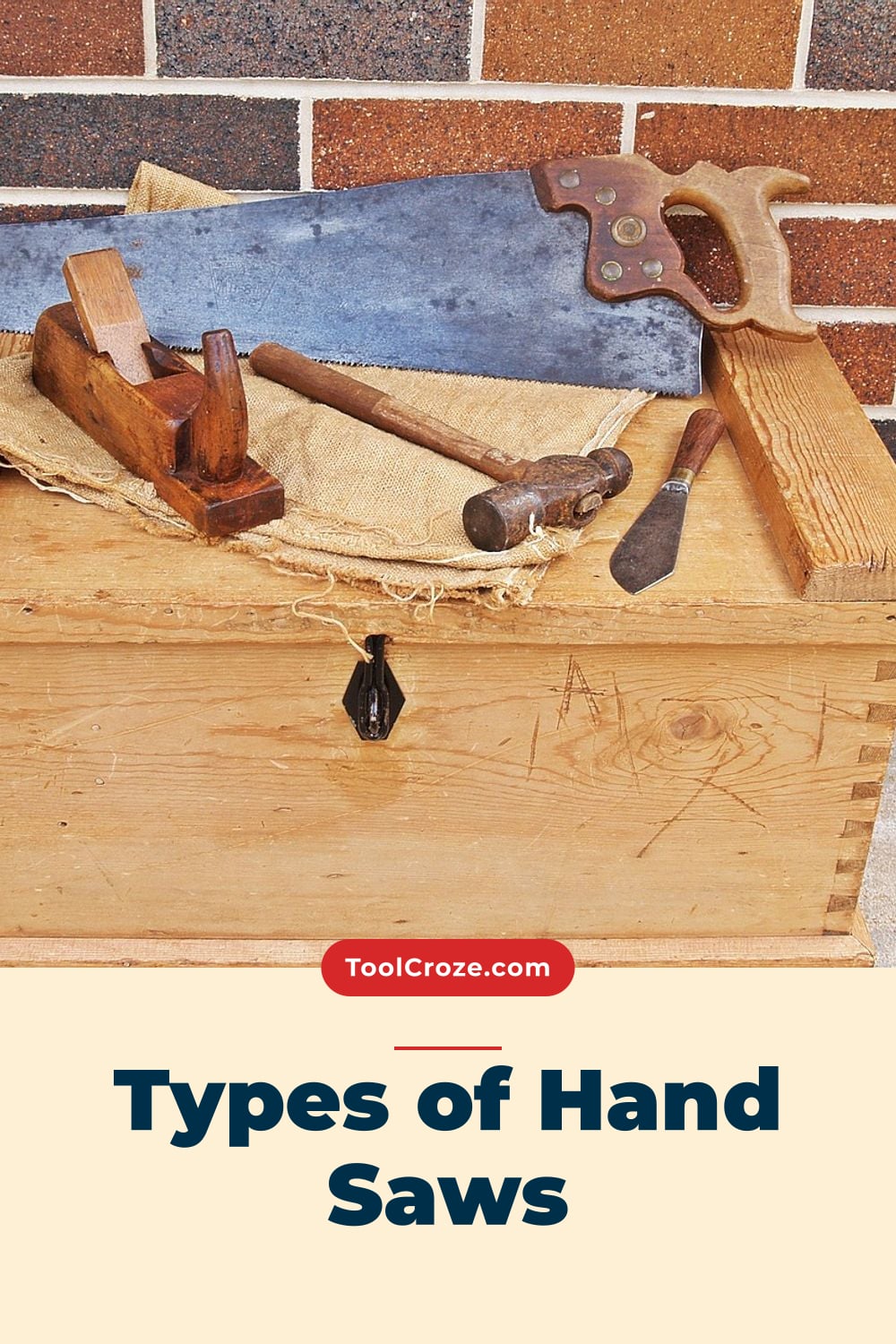
A hand saw can feel as if it is alive when a person holds such a tool in there palms. Furthermore, when a person draws the tool across a piece of wood, they will hear the sound of the saw moving through the wood. It is for these reasons that many woodcraftsmen continue to use hand saws rather than power tools.
However, it can be difficult for a person to choose the correct hand saw for the job that they are completing. There are a variety of differences between hand saws beyond their size or the number of teeth that are present on their blade. Each saw has subtle differences in the geometry of its blade, the handle of the tool, and the types of jobs for which each saw was designed.
A person who selects the wrong saw will struggle to cut the wood. However, if a person chooses the correct saw for the task, the saw will effortless move through the wood. One of the most important secrets to using hand saws correctly is learning which saw to use for which cut.
Some saws are designed to allow for the rapid cutting of wood stocks, while other saws are created to allow woodcraftsmen to make precise cuts in the wood. Additionally, there are various saws that were designed to solve a specific problem in woodwork that a person may not have even considered before they began to work on their project. If a person knows the different types of hand saws, they will save themselves money, time, and frustrations.
The following paragraphs will detail what a person needs to know about each of these saws.
Common Types of Hand Saws to Know
1. Japanese Pull Saw (Ryoba)
The Japanese pull saw, also known as the ryoba saw, is a saw that can change the way that a person thinks about cutting wood once they have tried the saw. Most wood saws require a person to push the saw through the wood.
However, the Japanese pull saw requires the person to pull the saw towards themself. Because a person pulls the saw, a person can use a thinner saw blade that can be less than one millimeter in thickness. Additionally, ryoba saws have fine teeth on one side of the saw that are used for crosscutting, while the other side features teeth for ripping the wood.
These saws are used for cutting pieces of wood that are thin and delicate. The thin blade of these saws can wander if they are being pulled at high rates of speed. Additionally, if anything happens to the blade of a ryoba saw, the cost of replacing the saw blade can be higher than with other types of saw blade.
However, ryoba saws require less effort to cut through hardwood than other saw types.
2. Classic Hand Saw
A classic hand saw is the type that most people think of when they hear the term hand saw. These saws are some of the most common tools that are found within a workshop.
These saws are designed such that a person performs the cutting motion during the push stroke with the saw. The blades on these saws come in a variety of different shapes and teeth counts. Some saws have straight teeth that are filed to act as chisels to cut along the grain of the wood.
Others have sharpened teeth that allow them to cut the fibers of the wood to separate them from the rest of the plank. A good classic hand saw will have a pistol-grip handle that allows the person to use the strength of their entire arm. These saws can be used for a variety of different tasks.
While the learning curve for these saws is steeper than other saws, such as ryoba saws, the results will be very good if a person learns to properly use these hand saws.
3. Backsaw
The backsaw is used for tasks that require precision when using hand saws. A backsaw features a heavy spine made out of steel or brass that runs along the blade of the saw.
This spine keeps the blade from flexing or bowing out of alignment during use. This saw is used to make precise cuts in the wood because the blade does not flex. These saws are used for making the joints that is required for furniture.
Most woodworkers will own at least two backsaws to accommodate for their different types of projects. The teeth on a backsaw are filed for crosscutting because these saws are never used for ripping the wood. If a person finds themselves struggling with specific joints in their wood projects, a backsaw will significantly help that person.
A major limitation of the backsaw is that the spine on the blade prevents it from being used to cut deeper into the wood than the height of the blade. A backsaw is a specialist tool that can complete its designed tasks very effectively.
4. Coping Saw
A coping saw is a saw that features a thin, flexible blade that is contained within a U-shaped frame.
The blade can be rotated within the frame of the saw to allow for cutting of intricate designs within the wood that cannot be cut with other saw types. Coping saws are used primarily in the woodworking process to cope molding so that one piece can be fitted to another. The blades on coping saws are disposable and relatively cheap so that if a person breaks the blade while learning how to use the saw properly, they will not spend much money replacing the saw blade.
Additionally, the tension of the blade within the coping saw is important to control how the saw will cut the wood. If the tension on the coping saw is too loose, the blade will wander. However, if the tension is too tight, the blade may snap on the wood.
If a person masters using a coping saw, it can be a very calm activity using the saw. Although it may seem like a small saw, a coping saw will be of great use to a woodworker in tasks that require the saw to make specific types of cuts.
5. Hacksaw
A hacksaw is a saw that is used the most for metal tasks and works as the counterpart for metal to the woodworking saws.
A hacksaw features a thin, fine-toothed blade that is placed within a saw frame that accepts a range of saw blades with different numbers of teeth depending on the metal that will be cut. The saw is used in both the push and pull stroke of the saw. Hacksaws are seen as helpful tools for cutting steel pipes, aluminum angles, and even hardened steel bolts.
The secret to using a hacksaw is the blade that is used. For soft metals, a person will use a blade with 14 teeth per inch. For medium steel, 18 teeth per inch are used.
For thin tubing or sheet metal, 24 or 32 teeth per inch are used. If the hacksaw is moved too fast, the blade will overheat and become dull. However, if a person saws at too slow of a rate, they will tire out quickly using the saw.
Although it is not a glamorous saw, a hacksaw will be of great use for those who need to cut a bolt flush or any other metal piece that requires specific sawing actions.
6. Frame Saw (Bow Saw)
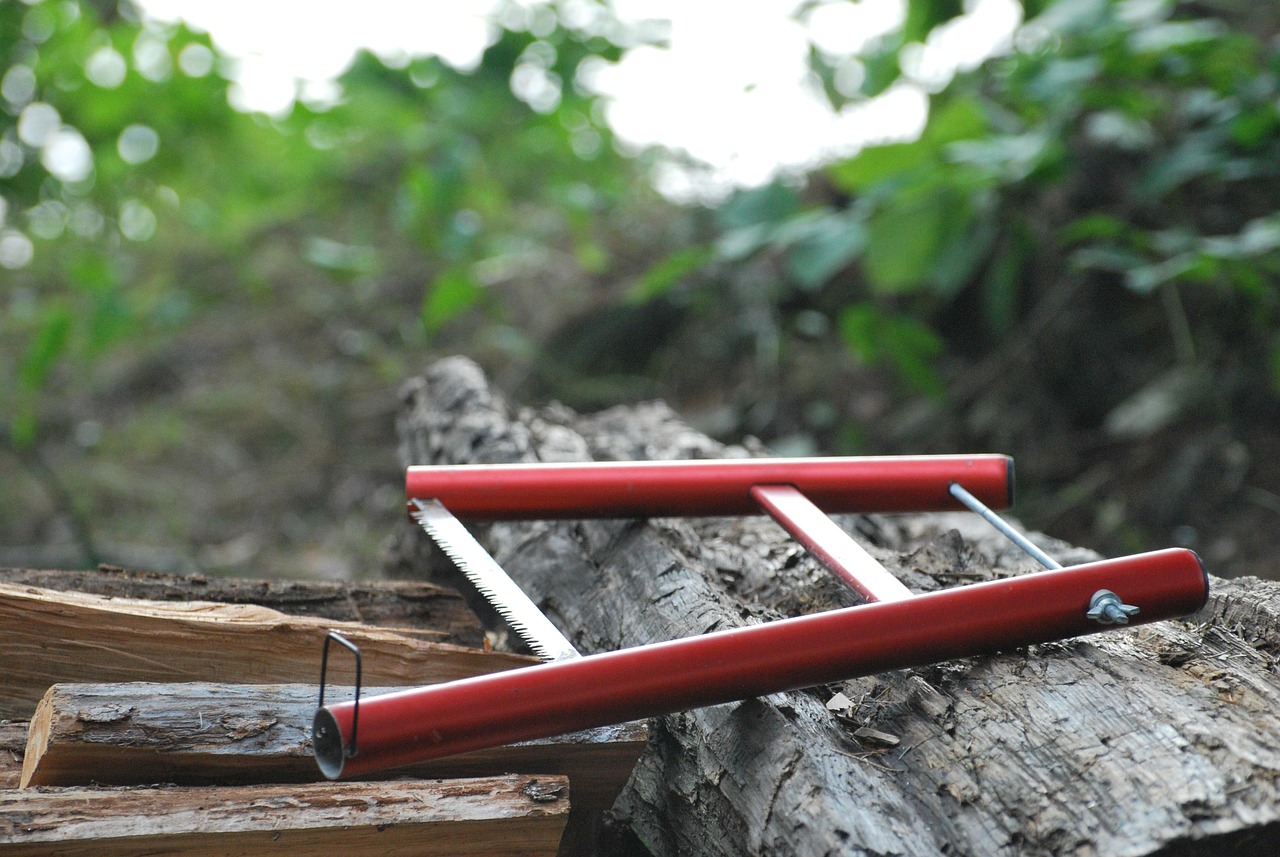
A frame saw, also called a bow saw, is a saw that provides a traditional feeling to those who work within a workshop today. A frame saw features a long blade that is strung between two handles.
The tension on the blade holds the thin blade straight even if it is very thin in measurement. These saws were traditionally used for cutting logs into wood boards in the forest. Today, they are lighter in weight and have blades that can be used for different types of wood.
A major feature of a frame saw is that it removes the wood material at a very high rate. The open frame saw allows a person to cut deeply into the wood. For any workshop saw collection, a frame saw will be a favorite saw for those who choose to build a timber bench.
The frame saws are liked because they allow a person to saw at a high rate and produce a great many shavings.
7. Flush-cut Saw
A flush-cut saw is a saw that is used for specific tasks and that many woodcraftsmen will discover only after they need the saw for a specific task. The teeth on a flush-cut saw are filed so that one side of the saw is flat.
This flat side of the saw allows the person to trim a dowel, tenon, or plug flush to the project workpiece without the saw blade scratching the workpiece. The blade on a flush-cut saw is thin enough to allow it to be bent to rest against the workpiece. These saws are a tool that people will wish that they had owned much sooner in their careers.
Flush-cut saws are not made for cutting heavy stocks of wood because of the saw’s purpose to leave the workpiece looking clean and unblemished. If a person works in the production of cabinetry or furniture, a flush-cut saw will save them time and effort in sanding and will prevent any small scratches on the finished product.
8. Keyhole Saw (Compass Saw)
A keyhole saw, also called a compass saw, features a thin and pointed saw that is used to cut holes in the middle of a piece of wood.
The blade of the saw features a point that allows for the blade to be pushed through a starter hole that is cut into the wood. The saw is another tool that is used by electricians, plumbers, and drywallers. However, woodcraftsmen use it for making cutouts in speakers, installing locks in wooden objects, and creating decorative wood fretwork.
The handle of the saw is usually straight because a person has to push on the saw to make it move forward and it does not flex. Although it may not be a beautiful saw, a keyhole saw will be of great use for those who must make specific types of cuts with their wood projects. Having several good hand saws is better than having one mediocre one that can be used for any project.
Owning different types of hand saws allows a person to approach every project differently. Using the correct hand saw will allow a person to slow down in a way that is helpful to that individual; a person can hear the wood, feel the cut, and make decisions based off those two aspects of using a saw. Whether using a delicate Japanese saw to cut through a cherry board or a strong frame saw to break down an oak beam, a person will find that using the appropriate tool for a project allows that project to become a productive process for that individual.
A person should select one type of saw to own based on the types of projects that a person performs the most; learn how to properly use that saw; and then add more saws to their collection as they gain skills and undertake more projects of increasing complexity. A person’s hands, ears, and finished pieces will all benefit from using the correct types of hand saws for any project.
