
Hand files is essential tools in any workshop. Hand files are important tools because they offer precision. When a person selects a piece of metal or wood that is difficult to cut or smooth, power tools may not offer the level of precision that is required for that task.
A good hand file will remove material from the object in the desired way, smooth the edges, and create any shape that a person may need on the object that is difficult to work with. However, there is many types of files available from which to select the correct tool for a given job. If a person understands each type of file, then they can make an educated decision as to which tool will provide the best results for that specific project.
The way in which a person select a file will make or break a project. Depending on what type of file a person selects, it will have specific features that allow that file to perform specific tasks. Each type of file has been designed over the centuries to perform particular jobs in metal and woodworking.
Once a person understands each type of file and what they are able to do, they will gain a level of confidence in their skills and their knowledge of the tool. The article will describe the varieties of files from the most general use files to the most specific files that is used in specific trades. Files comes in many different shapes, sizes, and features that allow them to perform specific jobs.
Common Types of Hand Files to Know
1. Flat Files
Flat files have a rectangular cross-section to their tool, and they look like their name suggest. Most good models will have the edges of the tool slightly rounded. Flat files will have teeth that cover the broad faces of the tool that can remove metal, wood, or plastic from an object.
Flat files can level high spot on metal tools, flat files can true edges, and flat files are perfect for creating flat surfaces for tools such as knives or engine parts. The rounded edges on flat files will prevent the tool from cutting any grooves into the object that the file is smoothing out. A person will use a flat file more than any other type of file.
A flat file will be used to remove any burrs from the edges of wood sawn from a log, to fit dovetails, or to clean up metal welded to another metal part. A 10-inch bastard-cut flat file will remove metal quickly from an object. An 8-inch second-cut flat file will remove metal more slow but with greater precision.
Because flat files are not able to reach into tight corners or objects that have an concave shape, they are not the files that is required for those specific jobs.
2. Round Files
Round files, also called rat-tail files, will have a gradual taper to their tool. Round files will have a circular cross-section that is covered in cutting teeth for the removal of metal, wood, or plastic.
Round files will be used to enlarge the diameter of holes in metal parts, round files will be used to smooth the inside curve of metal parts, or round files will be used to smooth out any concave radii that a bandsaw or drill may have cut. The gradual taper on these files will allow them to file small notches or large openings in metal objects. Woodworkers will use round files to shape the inside of spoon-fed bowls or carved wooden columns.
Metalworkers will use round files to deburr metal pipes or the saw chain of a chainsaw. The teeth on these files are spiraled so that the file will cut on the forward stroke of the tool and clear debris removed from the metal workpiece on the return stroke of the saw. These files comes in coarse and fine versions and should be stocked in a toolkit in these versions.
A half-round file will have one flat side and one curved side. This allows a person to work on both the outside of metal workpieces and the inside of concave metal workpieces. A half-round file is useful for smoothing the inside of metal tubing, moldings, or the throat of hand planes.
3. Half-Round Files
The flat side can be used for the same tasks as a standard flat file. Instrument makers and jewelry craftsmen who work with both concave and convex metal workpieces will use a half-round file. Because the radius of the curved side of a half-round file is relatively large, it will not fit into workpieces that have sharp internal corner.
It is important for a person to know the radius of any concave workpiece they are creating so that the proper half-round file is selected for the project.
4. Triangular Files
A three-square or triangular file will have three sides of equal length that meet at sharp angles. These files are used to reach into corners that have acute angles.
Machinists can use these files to sharpen the saw teeth on saws, to restore the profile of screw heads, and to clean V-shaped grooves in dies and molds. Each of the three faces has teeth on them but some files will have a smooth face on one of them. A triangular file will have the ability to create or maintain precise angles on metal workpieces.
Youll see these files in any tool chest that is used to store tools for saws or chisels. A coarse triangular file will be used to restore the angles on metal tools followed by a fine double-cut triangular file. Triangular files will take longer to remove metal than flat files so they will only be used for detail work.
5. Square Files
A square file will have teeth on all four side of the tool. These files will maintain the thickness of the object throughout the area that is filed by the tool. These files will be used to enlarge square holes, enlarge rectangular holes, file keyways into metal workpieces, or file the inside corners of mortises in wooden parts.
The four sides of a square file will maintain right angles that may be needed for specific metal or wooden workpieces that cannot be created by round files. Watchmakers and gunsmiths will use small square files to file tiny metal components of watches and guns. Large square files will restore the square profile of a chisel tang or file the inside of a router template.
The teeth of a square file will load up with metal debris more quickly than other types of files. Before using a square file a person will need to clear the debris from the teeth using a file card.
6. Needle Files
A needle file is a miniature version of a file tool.
Needle files comes in sets of five or more different types of files. A needle file is only around 5 inches in length and has a delicate handle. The main use of a needle file is for intricate work on small metal parts or wooden artifacts as well as for model makers or craftsmen who work with jewelry.
A typical set will have a round, flat, half-round, triangular, and square needle file. These files will work well for filing the metal teeth of a miniature gear or the wooden teeth of a locket or scale model locomotive. A needle file will take longer than other files to remove metal.
However, it will not damage the workpiece and will allow a person to create better results on a project. A rasp-cut file has cutting points that stand out from its metal body. Rasps will cut into a workpiece in a way that is different from a standard file tool.
7. Rasps
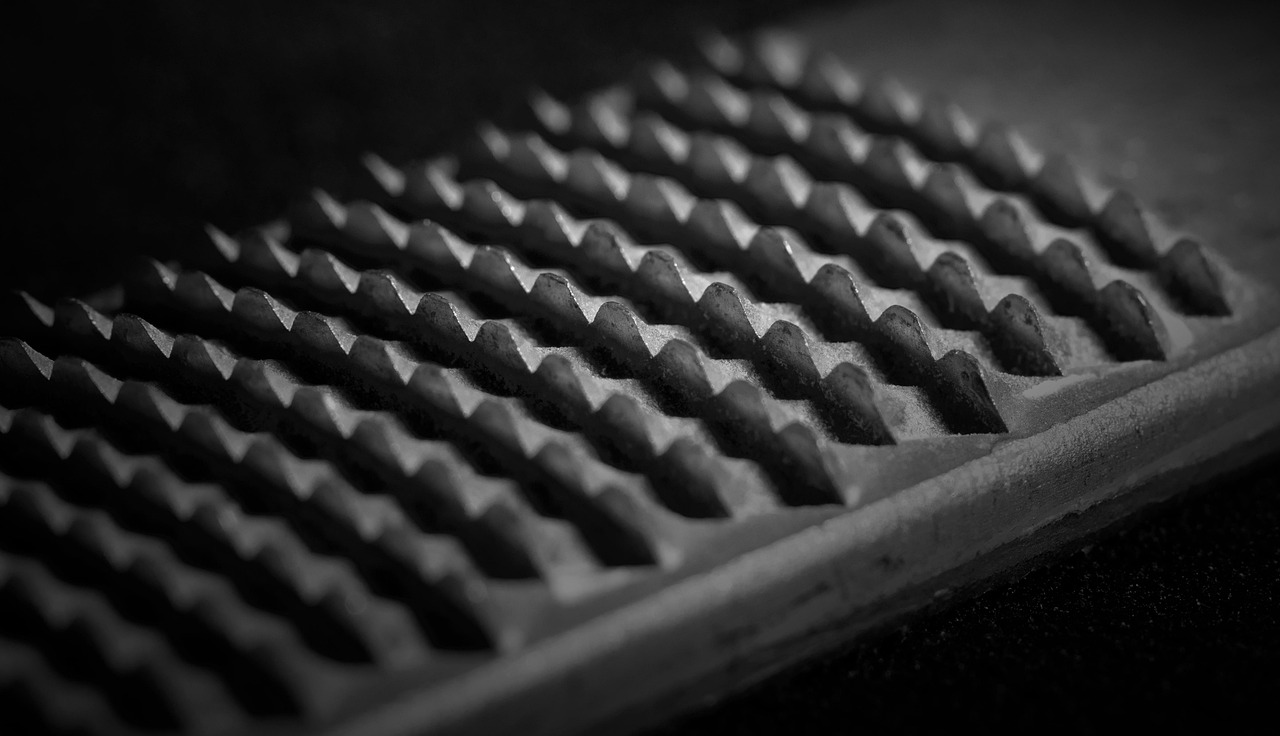
These files will work well on soft metal, wooden, or plastic parts because a standard file will quickly become clogged when used on these materials. Coarse rasps will remove metal quickly from an object but may leave a textured surface that can later be sanded smooth. A sculptor, farrier, and boat builder will use a rasp to shape wooden planks, chair legs, or metal horse hooves.
A cabinetmaker will use a rasp to file the edges of wooden parts that will later be sanded smooth. Because of the relatively rough finish that a rasp will leave on a workpiece, rasps will rarely be the last tool used on a metal part. However, rasps will be used in the filing of wooden or composite objects.
8. Diamond Files
Files that is coated in diamonds use the industrial diamond particles that are bonded to the metal tool instead of the cutting teeth of a file. These tools work through abrasion instead of slicing. These files will be used on metal parts that are difficult to file with a steel file such as hardened steel, ceramics, glass, or carbide.
Because the diamonds do not have gulles that can become clogged with metal debris, a diamond file can work in places where a conventional file would become ruined in a few minutes. A jewelry artist will use these files to shape other precious stone or metals in jewelry settings. A knife maker will use a diamond file to shape the spine of a blade due to the high hardness of the metal of the knife.
Because of the benefits of a diamond file to metal that is difficult to file, they are a relatively high cost tool. However, the purchase of these files eliminates the time and frustration that goes into filing with a diamond file. Files that have a slight bend to the tool are also called riffler files.
9. Riffler Files
These files will bend at each end of the tool. The curves of a riffler file will let a person reach into metal workpieces that have hollow area or corners so that they can file those areas without removing the object. A riffler file may be of many shapes but three of the most useful are the half-round, crossing, and lozenge.
A violin maker may use a riffler file to hollow out the inside of a violin scroll or to smooth the recurve on the violin soundboard. These files will cut on the push stroke of the tool as well as the pull stroke. This lets a person to control the riffler when using it in awkward positions.
The small size of a riffler file will take some patience to use but will not allow a person to remove too much metal from a metal part at once. This is one of the benefits of a riffler file when used on irreplaceable metal artifacts. The right file does not mean having every kind of file possible in a shop, but rather having the right file for the job that each kind of file performs best.
A modest collection of files can include each of a flat file, half-round file, round file, triangular file, and needle files, and will handle ninety percent of the tasks that a person encounters in a shop. Adding a rasp file for woodworking tasks and a diamond file for working with hard materials, however, ensures that a person will rarely ever be stuck without the appropriate tool for a task. The next time a person picks up a piece of stock that a person intends to file, a person should take a moment before a person reaches for a file to consider the shape that a person desires to create in the stock, the amount of material that needs to be removed, and the kind of finish that is desired.
By considering these variables, a person can find the right file for the job every time. Within a world filled with power tools and CNC machines, the hand file remains one of the most essential tools, and arguably, the smartest solution to any filing task.
