
Hammer drills can turn a dificult task into a routine task. When a person is trying to sink a concrete anchor or mount a shelf onto a brick wall, for example, a regular drill will not cut through the material. But a hammer drill will have a rapid back-and-forth motion that will allow the drill bit to cut into the materials without harming the wrist or motors of the drill.
Understanding the different types of hammer drills will allow a person to choose the correct tool for the job, instead of ending up spending hours struggling with the wrong tool altogether. The technology of hammer drills has undergone many changes since manufacturers produced the first models in the 1930s. Today, there is a variety of hammer drills that range from lightweight models that can be held in one hand to massive models that are often seen on construction sites. Each type of hammer drill is designed to provide solutions to specific problems that may arise during use of the tool.
By understanding the different categories of hammer drills, each with different features and abilities to perform certain tasks, a person can better ensure that each tool added to there toolbox is the correct one to use for their specific projects. Hammer drills often come in two main categories within the industry: rotary hammers and SDS bits. Rotary hammer drills use a piston that strikes the back of the drill bit thousands of times per minute.
Different Types Of Hammer Drills To Use
1. Rotary Hammers

Professionals often use these drills to drill into reinforced concrete or stone, and a separate mechanism from the drill produces the hammering action, the rotation of the chuck does not provide the hammering action. Many rotary hammers accept SDS-Plus bits or SDS-Max bits, both of which lock in place without the use of a key. A person will use a rotary hammer drill if they is installing a door into a wall of concrete blocks, installing conduits into a foundation of a building, or removing old tiled countertops from a countertop.
Rotary hammers are often very heavy, typically weighing between six and fifteen pounds. Consequently, they are not the tools that people will often use for hanging pictures on a drywall wall. The piston system of these drills also tend to run cooler than rotary drills that are less expensive, which is beneficial for professionals who must drill fifty hole in the middle of lunch.
2. SDS-Plus Bits
SDS-Plus bits are often used for most residential projects, such as drilling into bricks or poured concrete for the installation of countertops. These bits have a slotted bit that allows for these bits to float within the chuck of the rotary hammer drill. This floating bit allows for better transfer of energy from the drill to the bit, and reduces the vibration that the user feels.
SDS-Plus bits weigh between five and eight pounds, and allow for bits that are up to one and one-eighth inches in diameter. Professionals tend to prefer these bits because they allow for a contractor to use one tool all day without getting tired. For individuals who perform occasional projects that require reinforced concrete or masonry drilling, such as installing cabinets into brick walls or mounting televisions to concrete walls, an SDS-Plus bit rotary hammer drill is a popular tool that can be purchased.
3. SDS-Max Bits
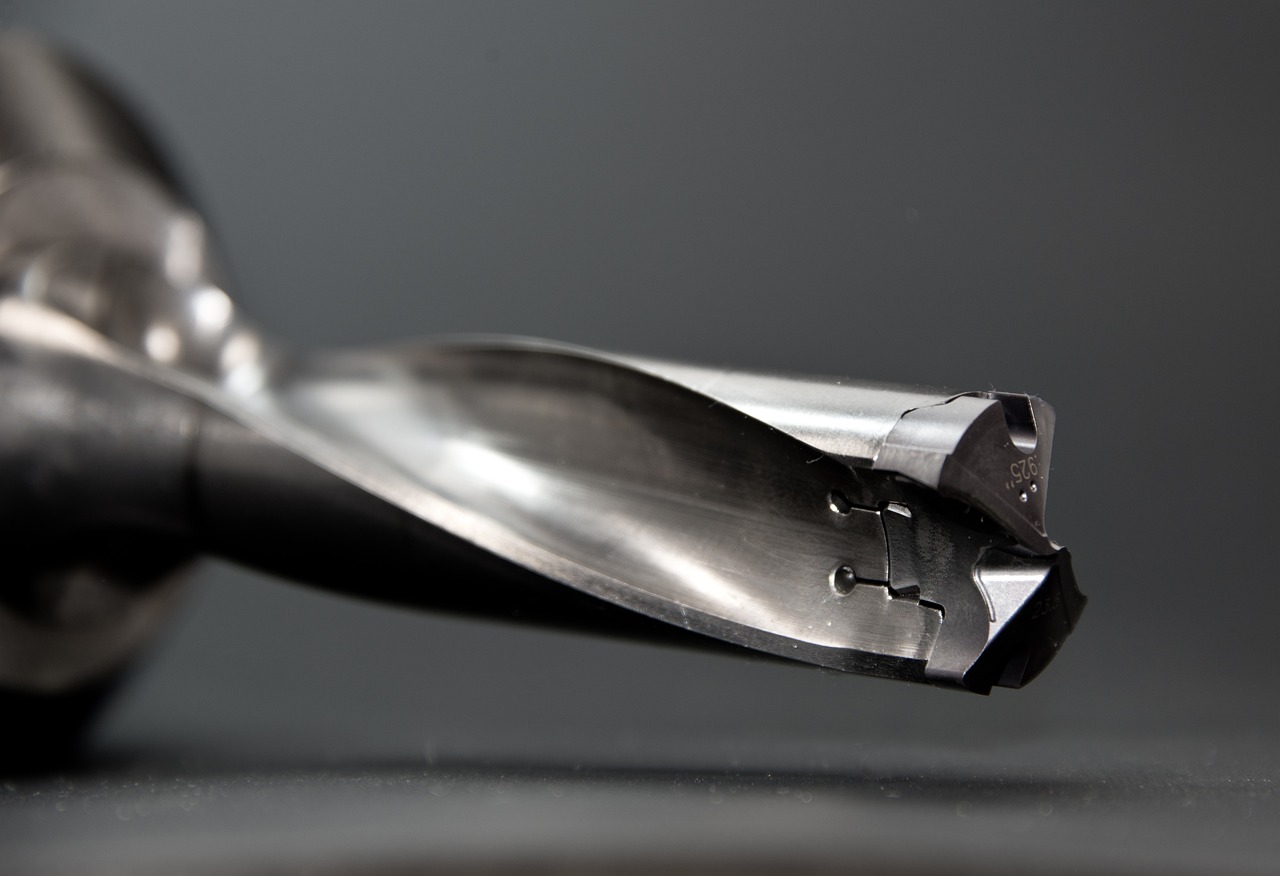
Such bits allow for the use of the drill for both drilling and chisel modes. However, the bit will begin to labor if it is attempting to drill into materials that are larger than the bit can handle; at this stage, a different type of drill should of been used. SDS-Max bits have the same features as the SDS-Plus bits, but with larger shanks that allow for more impact energy to be released from the drill.
These drill bits are often used in commercial construction sites in locations where two-inch holes need to be drilled into one-foot thick concrete walls. The trade-off for purchasing an SDS-Max drill bit is the massive weight of the tool. SDS-Max bits can weigh between ten and eighteen pounds, and require the user to have a strong stance when using them.
The additional weight of an SDS-Max drill bits helps to reduce the vibration of the bit that is created during drilling activities. Consequently, professionals who have to drill large amounts of reinforced concrete can work longer with an SDS-Max drill than they can with the lighter models of drill bits. However, the weight can also be a negative feature for individuals who have to move between jobs throughout the day.
4. Cordless Hammer Drills
Manufacturers have developed cordless hammer drills as a means of eliminating the need for extension cords for hammer drills. The cordless hammer drills use lithium-ion batteries to power their motors, and the batteries are powerful enough to drill half-inch hole into reinforced cement for many hours at a time. The models use a brushless motor to extract as much power as possible from the batteries that power the drills.
Most cordless models appear to be the same as regular drills, but they have a switch that allows the user to turn on the hammer feature when required by the job. The cordless hammers are most useful for remodeling jobs where electrical outlets are few and far between, or for projects where the worker must move between locations. However, cordless drills often have less power than corded drills, and the battery life is limited.
Consequently, a homeowner who purchases a cordless hammer drill will likely need to purchase a second battery to power the drill during demanding jobs. However, the freedom from cords is a benefit that most homeowners will appreciate. Hammer drill drivers are another type of drill bit that is present in the category of hammer drills.
5. Hammer Drill Drivers
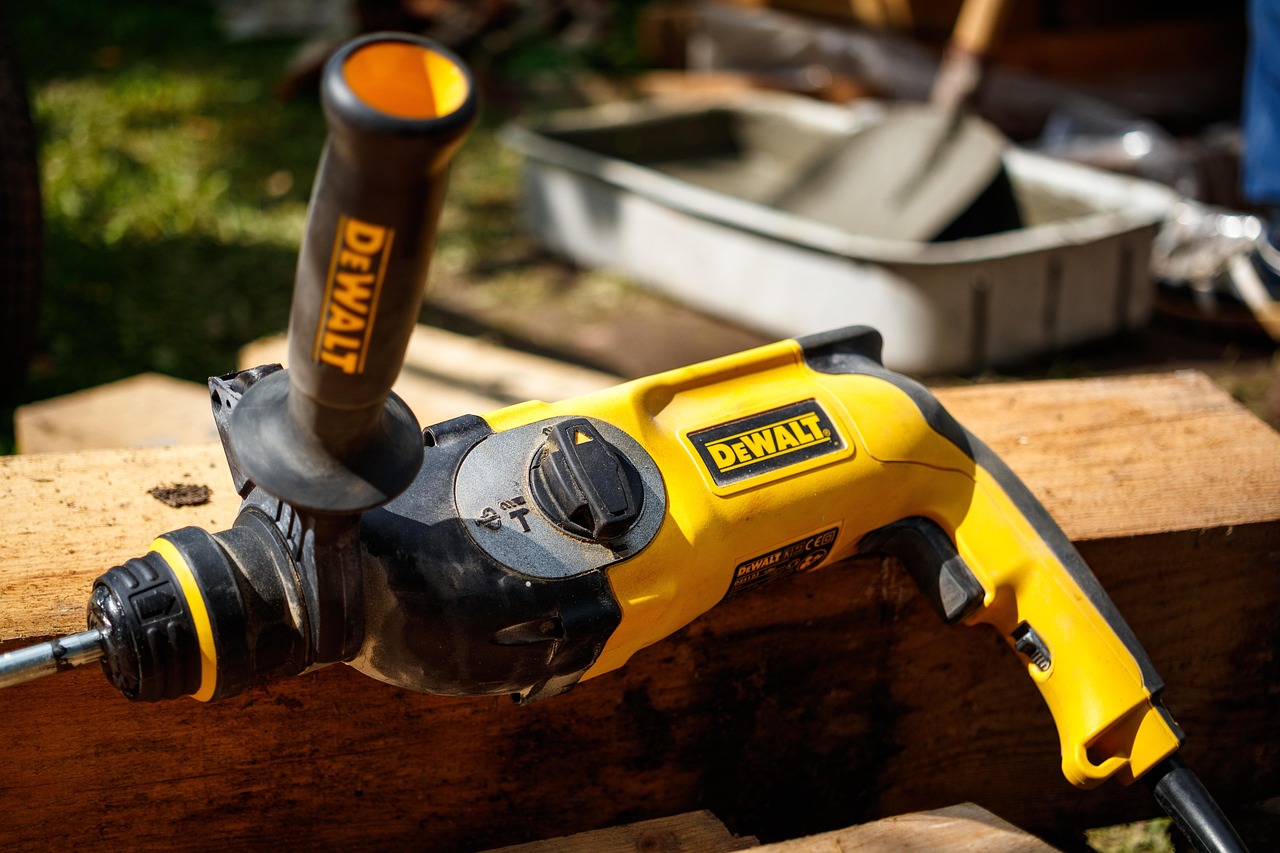
These models are similar to ordinary drills, but have a built-in hammer mechanism. Consequently, if the user flips the switch on the drill on, the chuck will rapidly move forward and backward while rotating. These tools are used for smaller jobs in masonry, brick walls, or for poured cement, and are limited to drilling holes up to three-eighths of an inch in diameter.
If an individual already owns a cordless drill, purchasing a hammer drill driver is a benefit because the additional cost is low and the tool can be used for a variety of projects. For instance, a hammer drill driver would be helpful in installing kitchen cabinets onto a brick wall, mounting a television to poured cement, or securing ledgers for a deck onto poured cement. However, a potential drawback to hammer drivers is that the shared motor and gearbox was not built for the long hours drilling into masonry.
6. Specialty Hammer Drills
Other types of hammer drills include models with built-in vacuums (to reduce the amount of concrete dust that enters the lungs), right-angle drills for tight spaces, and demolition drills that remove the rotation of the drill bit (to focus on hammering the drill bit into the object). Creators made these types of specialty tools to eliminate the frustration that some individuals experience with using a standard drill in a specific situation. For instance, using a drill with a built-in vacuum will eliminate the amount of dust that enters the lungs during a project; the right-angle drill will allow for drilling into tight spaces; and the demolition drill will allow for the chipping of masonry or tile.
7. Pneumatic Drills
Pneumatic drills use compressed air to function instead of electricity. Consequently, pneumatic drills are often located in industrial sites, quarries, or on the crews who drill into cement roads where there is no power but an air compressor is present. The air motor for the drill bit allows it to rotate, while another air motor creates the hammering motion of the drill.
Because there are no electrical components of pneumatic drills, these tools are used in wet environments or environments with sparks that could potentially start fires. Because pneumatic drills are loud, require a great deal of air power, and have such high power in their drills, homeowners do not use them. However, in the appropriate environment, pneumatic drills do not overheat or lose power.
Consequently, in environments with cement and sparks, they may be the best type of drill bit for the worker. For everyone else in the country, however, the convenience of electric or battery powered drills are the better alternative. A person can decide which drill to purchase by considering the types of projects that they will perform the most.
For instance, a person who intends to perform occasional projects in the home does not need to purchase the same drill as those that perform heavy construction work. An understanding of the features of each drill will allow a person to understand what type of drill will best benefit them. When a person faces a project that involves needing to drill into a piece of concrete, for instance, they will already understand the benefits of each type of drill.
Consequently, they will understand which drill will make the job of drilling a concrete wall easy, and which drill will make that same task into a wrestling match. That knowledge is more valuable to a person than the tool itself; the satisfaction of successfully drilling into a wall of cement is a satisfying feeling when compared to the frustration of attempting to drill into the material but the drill bit does not engage with the material.
