
A hammer drill may seem unneccessary until the moment in which a person has to use a hammer drill for a specific task. For instance, a person may experience one moment in which they are struggling to push a drill into the concrete, but in the next moment, they can feel the hammer drill’s chattering noise as it readily sinks into the concrete. Such a difference in functions is made possible due to the fact that a hammer drill models machinery that hammers while the drill is also spinning.
By understanding the various parts of the tool, a person can gain confidence in there ability to use the tool effective. This article will describe each part of the tool to allow a person to understand how each part performs its function, why each function is necessary, and how the different parts of the tool work together to accomplish its ultimate purpose. A person can gain the most value from a hammer drill if they begin to understand the tool as opposed to simply purchasing the tool and using it without consideration for why the tool operate the way that it does.
A person will begin to understand the various reasons that a hammer drill feels good in their hands, but also why it may become problematic during use with certain materials. The following article will discuss the different parts of a hammer drill so that a person understands each component and what each component does for the tool overall. The motor is located at the heart of the tool.
Important Parts of a Hammer Drill
1. The Motor
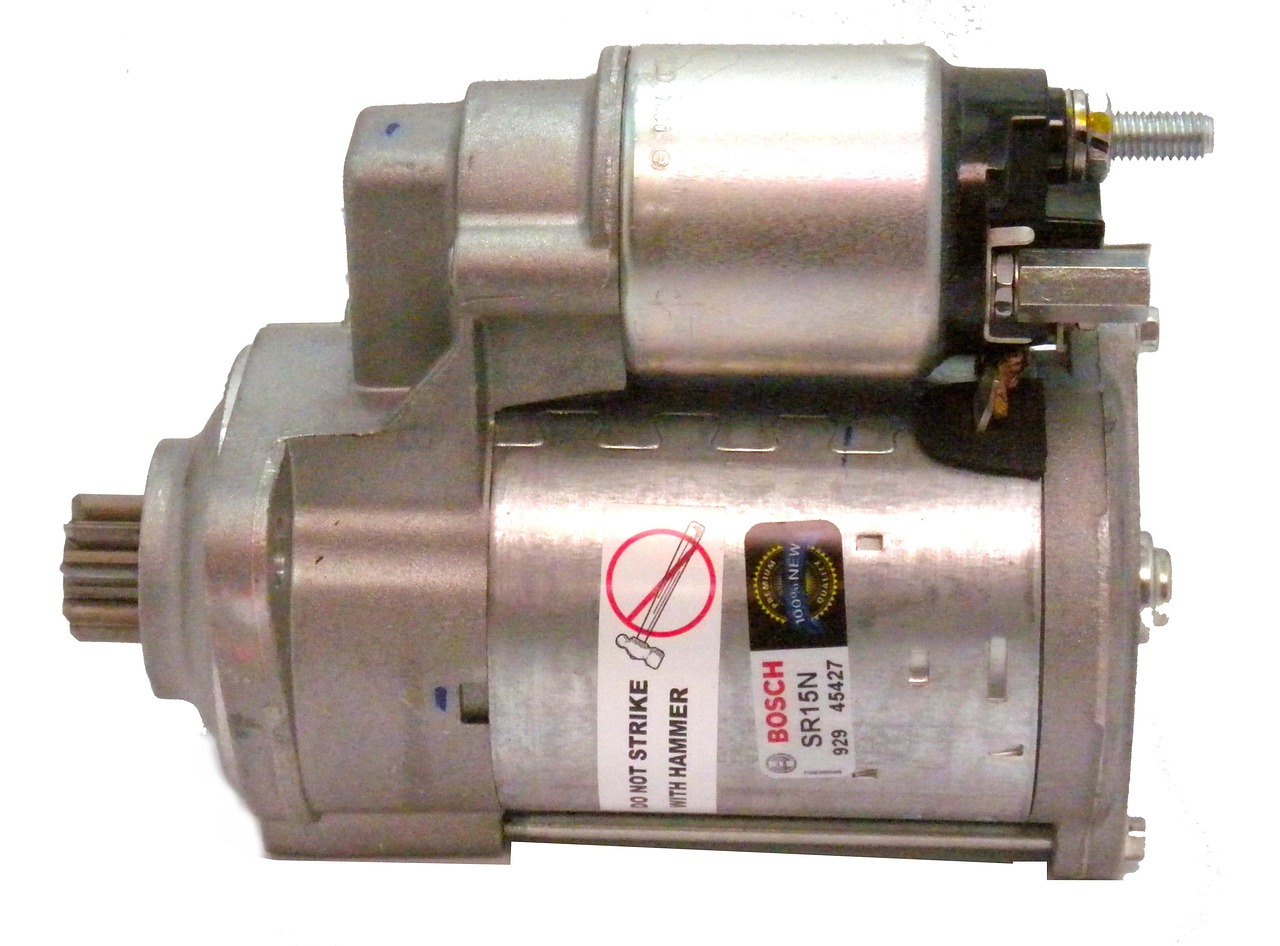
This motor receives the electrical energy from the power outlet and transforms that energy into rotational energy that can be utilized throughout the hammer drill. Most hammer drills has a universal motor. One reason that the manufacturer utilizes such a motor is that it can handle the amount of torque that is required for hammering actions as well as drilling actions.
Additionally, a person will feel the motor’s vibrations in their hands the moment that they pull the trigger of the hammer drill. The size of the motor and the number of windings within the motor will determine how long the motor can be used before it overheats. Thus, those that use a hammer drill regularly will look for models with specifications regarding the duty cycle of the motor.
Additionally, those that use a hammer drill may notice that a cheap motor will stall with heavy loads (such as thick concrete), while a well-designed motor will handle the task.
2. The Gearbox
The gearbox is located right behind the motor. This component contains a series of metal gears that work to reduce the high rate of the motor’s rotation to the slower rate that the drill’s chuck requires to effectively complete tasks.
Additionally, the gearbox contains a cam that is responsible for the hammering function of the tool. When a person shifts the tool into hammer mode, those gears within the gearbox begin to vibrate up and down dozens of times per second. Each vibration of these gears creates the metallic chattering noise that a hammer drill creates.
Thus, the gearbox has a specific function within the tool, and the tool would not have the same function without this component of the tool.
3. The Chuck
The chuck is the part of the hammer drill that a person most often touch. This component of the tool grips the drill bit, and it allows the hammer drill to transmit the bit into the task.
Most hammer drills have a keyless chuck, which allows for a person to more easy tighten the drill bit by hand. Other heavy-duty hammer drills have a keyed chuck. The drill bit must remain tight to the chuck; otherwise, the drill bit will slip and potentially create a ruined hole.
Typically, the chuck allows for the drill bit to move in and out a small fraction of a turn; otherwise, the drill bit may become stuck during the task, or the hammering function may work against the drill bit itself. SDS-plus shanks or SDS-max shanks are often found on the largest and most powerful hammer drills. These features use a slotted barrel that replaces the chuck to secure the drill bit.
Additionally, the slot within the slotted barrel allow for the drill bit to move in and out within the tool, which reduces the amount of damage that could result to the rest of the drill if the bit became stuck against the chuck. Additionally, drill bits have a slightly loose fit within this slot. Those that have held a small rotary hammer will understand why the manufacturer implemented the SDS shank into these tools; rotary hammers can create vibrations that is noticeable at the wrists after hours of use.
4. The Piston and Striker Assembly
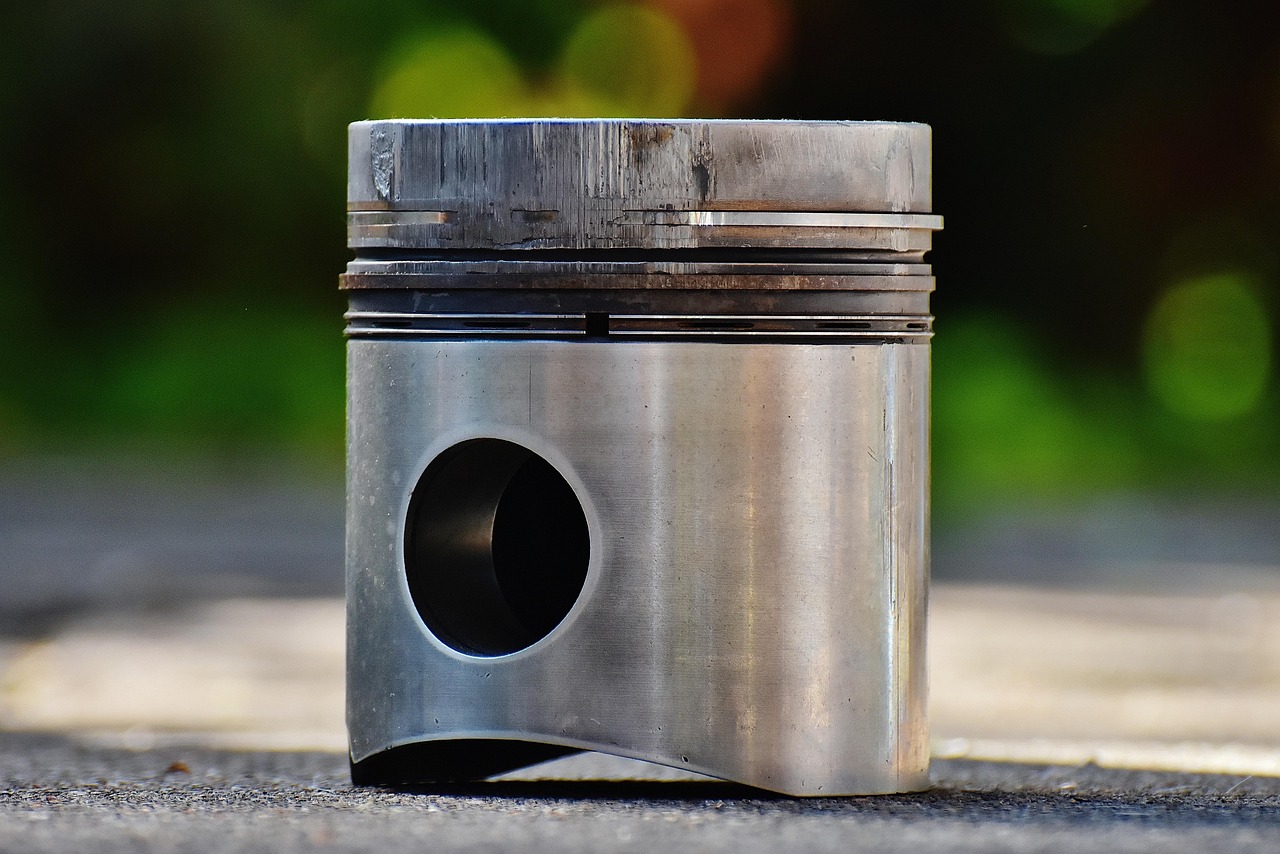
The piston and striker assembly is contained within the front of the hammer drill. When a person shifts the tool to hammer mode, a cam within the tool spins the piston, which forces air to push the striker against the drill bit. Each of these impacts contain a force that is measured in joules; the more joules that the hammer drill creates with its piston and striker assembly, the more progress the drill bit will make through concrete that contain rebar.
The issue with increasing the force of the hammer drill is that the tool will vibrate excessively; thus, manufacturers incorporate counterweights and rubber dampers into the piston and striker assembly. Thus, the piston does not ever make contact with the drill bit. Only the air within the tool and the striker that moves in front of the piston perform all of the work that is required of the hammer drill.
5. The Clutch
The clutch is located between the gearbox and the chuck. Its primary function is to permit the drill bit to slip if it becomes stuck; it is essentially a torque limiter for the tool. When the drill bit becomes stuck, the tool will make a clicking sound and the trigger will feel soft to the touch.
This clicking sound is not a defect in the tool; it is a feature that allows the tool to protect the drill bit and the persons wrists from excessive force. Some drills has adjustable clutches so that a person can customize how much force is required before the clutch begins to slip. The clutch is not used during normal use of the drill bit; it is used only in the case that the bit encounters a piece of metal.
6. The Handle
The handle of the tool may seem like an unimportant feature to the hammer drill; however, it is essential during extended use of the tool. One of the primary features of hammer drills is a rear handle with rubberized grips to absorb any vibration from the tool. Additionally, many hammer drills contain a side handle that can be rotated and locked to any desired angle.
This side handle is helpful when drilling into the floor or when drilling overhead. Additionally, manufacturers incorporate rubber into the hammer drill between the motor and the handle. In most cases, those that use a tool with good handles will experience less fatigue to their wrists after using the tool throughout the day.
7. The Switch
The switch for the drill is located under a persons finger. The switch controls the motor of the hammer drill. Most drill bits have a trigger that increases the speed of the drill bit, and most advanced models contain a dial that controls the maximum speed of the drill bit.
Additionally, some of the most advanced models have a pulse mode that allows the drill bit to find the first bite in glossy tile. Additionally, if the motor begins to overheat, the drill will either pulse or turn off so as to not burn out the motor’s motor windings.
8. The Depth Stop Rod
The depth stop rod is a tool that looks like a bar that is positioned alongside the hammer drill. However, the drill bit will not go farther into the material than the depth stop rod allows the tool to travel. This depth stop rod is helpful for installing numerous anchors of the same depth into a specific piece of material. A depth stop rod allows a person to make a mark on the material; setting the depth stop rod to that mark will ensure that all drill bits go the same distance into the material.
Without this component, a person will have to either guess the proper depth, or make marks on the material that will require measuring of each hole. The best depth stops are both easy to adjust and lock in place while the tool is in use.
9. Cooling Vents and Vacuum Ports
Cooling vents are created along the hammer drill. Hammer drills tend to create a significant amount of dust during operation. This dust can enter into the motor of the hammer drill if the drill is not designed to prevent the accumulation of such debris. Thus, the cooling vents allow air to pass through the drill bit and clear the dust from the motor.
Additionally, some drills have additional ports for attaching a vacuum to the drill to remove the dust from the motor and the drills work site. The vacuum port will extend the life of the drill bit and the tool itself.
When all of the components are combined and each performs its task, a person will be amazed at the life of the hammer drill. Additionally, each component is created and arranged in a manner that allows a person to understand the way that each tool is utilized. Thus, when a person picks up a hammer drill that has been thoroughly read about, the person will understand how each part works to perform the best function for the hammer drill. Each component has a job and performs that job so that a person can complete their job with the hammer drill.
