
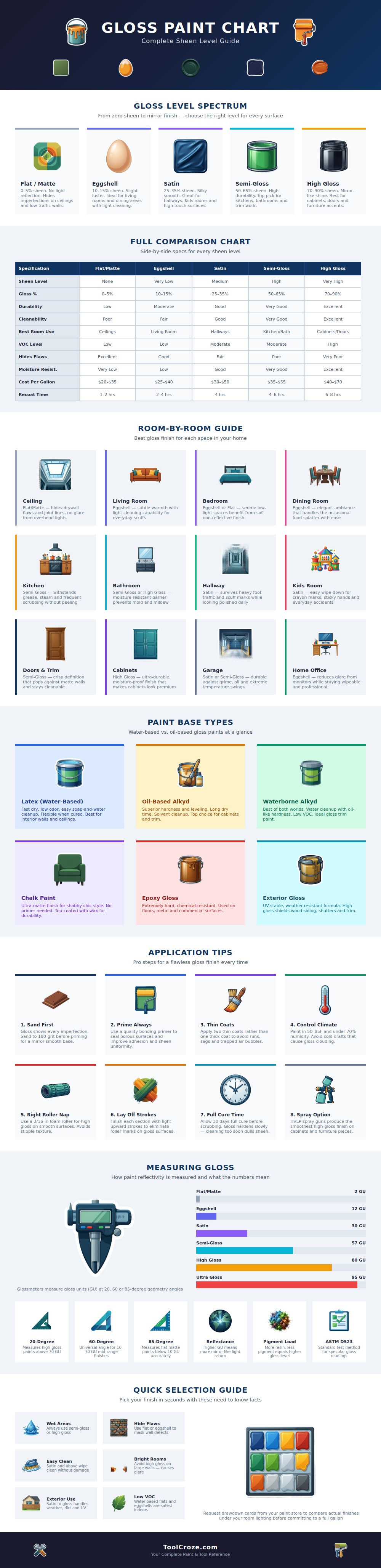
Color aside, there are two things that matter most about paint: The way it looks (and feels) on your walls and the way it holds up over time. But do you realy need a shiny surface? Turns out, a little bit goes a long way when it comes to gloss levels. A high-gloss kitchen wall will look like a disco ball; a matte ceiling might never show a crack. Choosing the right sheen help you know what to expect at home.
Use a flat or matte paint for ceilings and other low-traffic surfaces. Matte means it have no sheen; it absorbs light rather than reflects it, which can help conceal bumps in the ceiling (and any drywall flaws you might of missed when prepping). Flat paint also hides flaws on uneven wall. In addition, it’s typically lower in volatile organic compounds, and it is cheaper. The downside? Well, it doesn’t wipe clean. So don’t apply it to anything that will get greasy or have kids leaning against it.
How to Choose the Right Paint Shine
Use eggshell or satin paint for bedrooms, dining areas, and living rooms. The mid-range sheen create an inviting look that isn’t over the top flashiness. Eggshell is slightly shinier and can be wiped clean as necessary. Satin offers even more protection for kids’ room or high-traffic hallways. For most homeowners this strikes a nice balance between maintenance and looks. It will protect against accidental scuff marks but doesn’t reflect so much light that any imperfections in your walls are glaringly obvious. It suit day-to-day life quite nicely.
Use semi-gloss to high gloss for cabinets, trim, bathrooms, and kitchens to handle moisture, steam, and lots of cleaning. The high gloss/high sheen will resist water (a hard surface) and wipe off easy. It’s also used on cabinets because they takes a beating over time. High gloss is bold and durable on cabinet fronts where as semi gloss works well on trim/doors because it pops off the wall due to its flatter surfaces. The downside is that it shows all imperfections like scratches and dents…so make sure you prep the surface realy well before painting. That’s also good information for you on your project.
For DIYers, latex is a good choice because it’s water based, dries quickly and cleans up with soap and water. Oil-based alkyd is harder, but slower drying and need solvent for cleanup. Waterborne alkyd combines both: It’s got the durability of an oil, yet cleans up easy and has little odor. Use appropriate base and the finish will last as long as the gloss level allows.
The finished product depends on how it’s applied. Because gloss exaggerates the texture, sand surfaces to a smooth grit before priming. Always apply multiple thin coats instead of one thick application (no bubbles or runs). For high-gloss applications, use a foam roller, which prevents stipple marks from cheap nap rollers. To control conditions, paint in moderately humid, temperature-controlled rooms; cold drafts will cloud the finish. Give it lots of time to cure, as long 30 days to fully harden, prior to scrubbing on any surface. Rushing equals dull spots so patience pays off here.
Scientifically speaking, gloss refers to the gloss units of a finish at a given angle, so even though a “satin” may appear differently across brands, it’s all in reference to the Gloss Units Chart above. So, while these glosses are relative, they also gives you an objective way to compare them. More gloss means less pigment and more resin, which makes it look like a shiny mirror. It is a tiny difference in chemistry but hugely impactful visualy.
Unless you’re painting a single wall, don’t just order any paint off the shelf! Ask for sample cards and test out the finish in your own rooms’ light. The same paint that looked great in the store may reveal itself as glaring or distracting after you’ve put it on your wall. Let functionality dictate what finish you choose; pick the sheen that suits the space’s mood and traffic level, and apply it with care. When you let function drive your selection, your house will appear professional and cohesively.
