
The construction or mechanical field have plenty of fasteners, but the correct use of these fasteners may make all the difference in the quality of your work or the product that you make. If an engineer use a loose screw, it can have devastating results.
A loose screw is also the reason behind a collapsed bookshelf. With all these fasteners, one can get quite overwhelmed when trying to identify what type of fastener to use. Each of these fasteners exists for a reason, with specific strength and weaknesses, and an understanding of these reasons will make choosing the right fastener significantly easier.
The next time you see a bunch of fasteners, take a minute to look at each one. You will see that designers have specifically designed each type for a certain task, meaning that it excels when use in the appropriate scenario, but it will fail if it is outside that designated purpose. So why are fasteners created and design for specific materials?
Wood is very different from metal or concrete and has its challenges, and the same goes for the rest of these materials. Once you understand these challenges and how each fastener rise to meet these challenges, these jam packed fastener aisles will look more like an aisle of smart solutions. Here are some of the major fastener types.
Common Types of Fasteners You Should Know
1. Screws
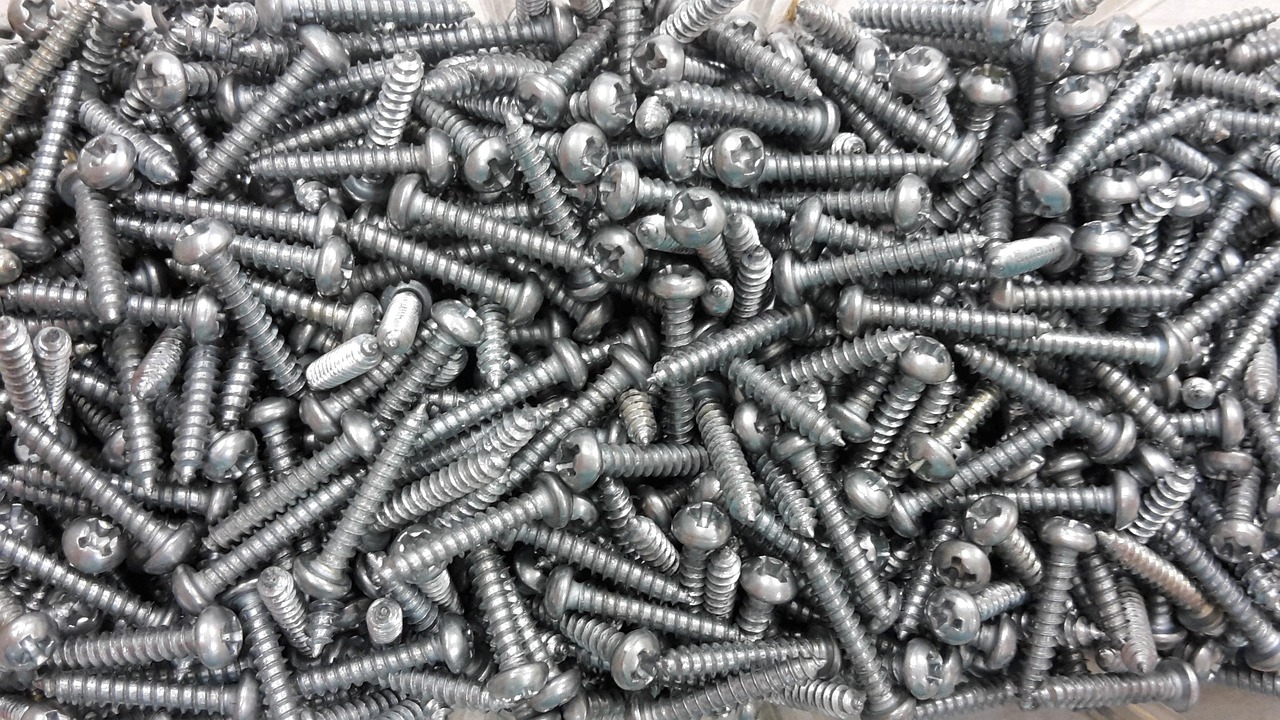
Screws are possibly the most common fasteners. They are incredibly versatile and are used in quite a few tasks. As compared to nails, screws have helical thread that cut into the material and create a mechanical bond that is significantly stronger than what nails produces.
A person can drive screws manually with a screwdriver, or they can be driven with a power tool. Additionally, as they can be removed just as easily as they are installed, they are a convenient option for fastening requirement. Wood screws, sheet-metal screws, and self-tapping screws all operate on this same principle.
Still, each of these types has been designed with different threads or screw pitches to properly connect with its designated material. One of the unique features of screws is how much control they offer. For example, with traditional wood screws, when you turn them, they pull two piece of wood together as they go deeper into the wood.
2. Machine Screws
Machine screws are different but still have their place. They are designed to be thread into nuts or pre-cut holes. If you put a different thread density against a soft piece of pine then a hard piece of oak, your results will be different; this is where a lot of people miss the mark with screws.
They usually think that one screw is just like another.
3. Bolts
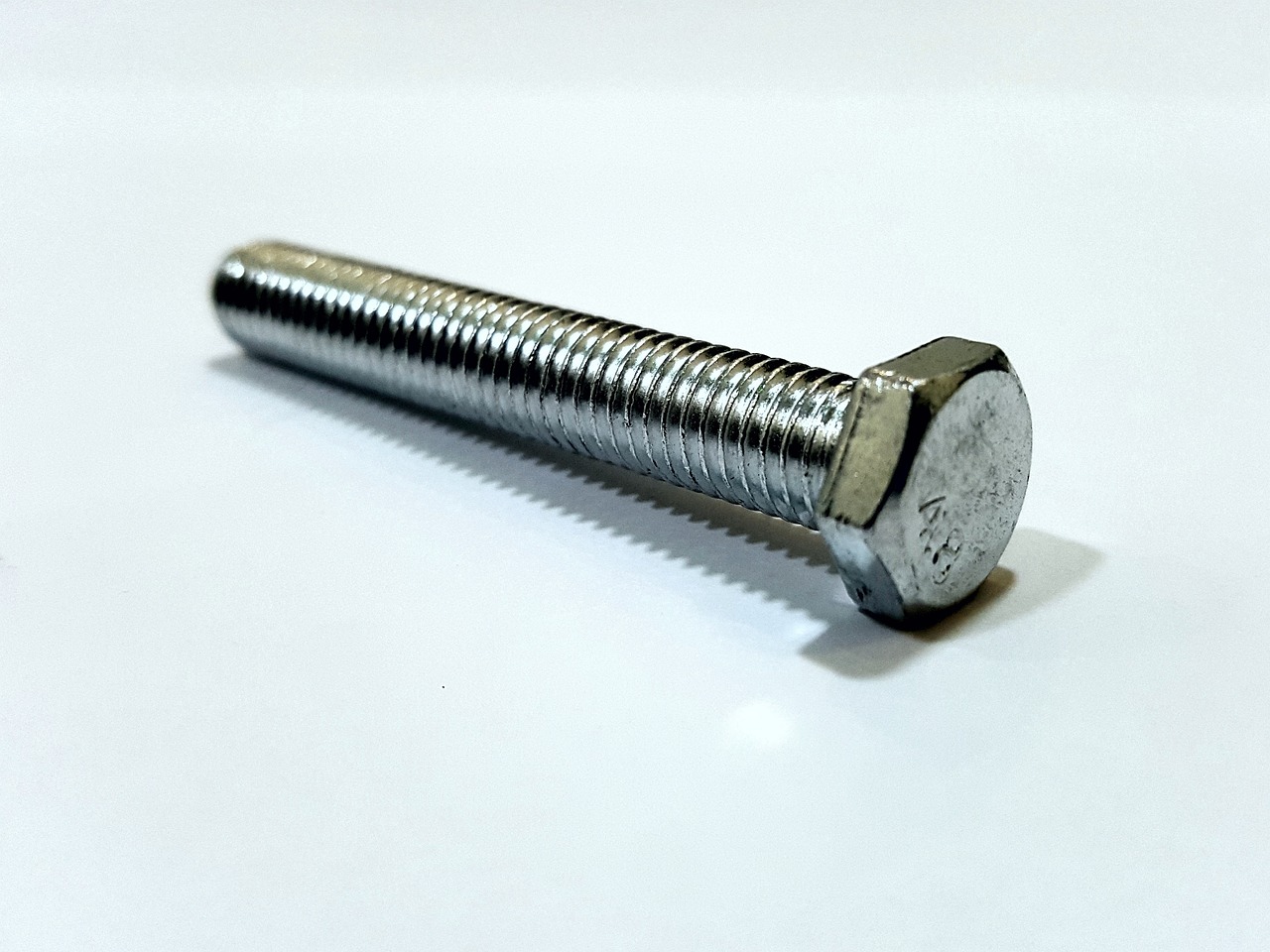
Bolts are also great for structural integrity as they hold very well and can be paired with washers and nuts to provide additional support. Most bolts have unthreaded shafts that are specifically designed to avoid boring holes into the structures they support as much as possible.
Depending on the application, this could be very important. Hex-head bolts are quite common and can be fastened with nuts and washers. Carriage bolts may look similar but have square shoulders as opposed to hex-shaped ones to prevent them from spinning in place when being fastened.
4. Nails
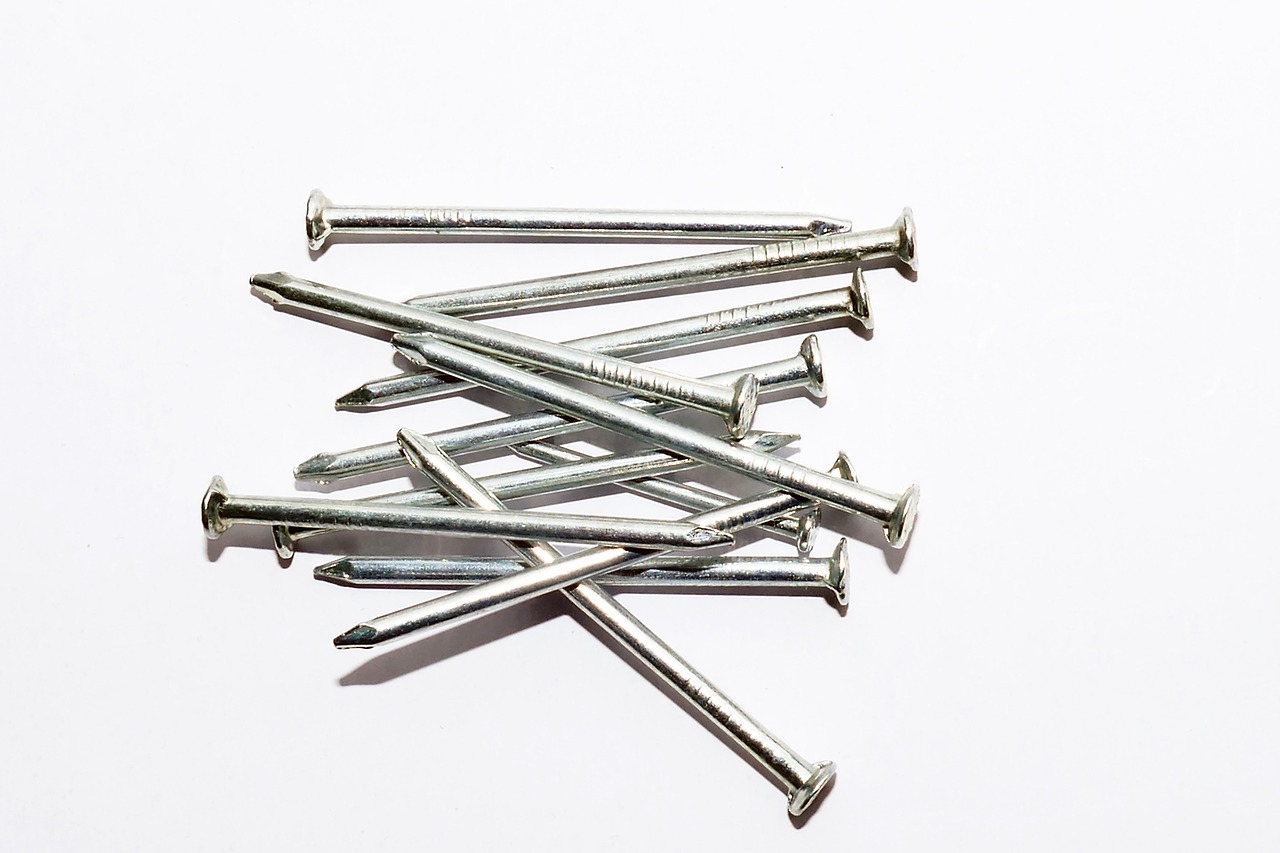
Nails are one of the oldest fastening technologies and ones that remain incredibly useful in specific applications. Nails have smooth shafts that can be hammered into materials with relative ease. The head of the nail keep it from going too far into whatever youre using it on.
This classic design has proven its worth time and time again. However, there are also ring-shank nails which dig into materials, giving them superior holding power. The smooth-shafted classic is great for when you need something quickly but ring-shank nails provides security in the long term.
5. Rivets
Rivets are great for creating permanent fastenings and excellent in situations where there’s a lot of vibration going on that could potentially threaten less durable connections. They can be installed using rivet guns that create a second head on the opposite end without threads or additional hardware. While rivets dont have any moving parts once they are installed, this permanence also means that you can only effectively dismantle them by drilling them out, which means some additional work will need to be done if you want to install them in places where you think you may want to take things apart later on.
6. Washers
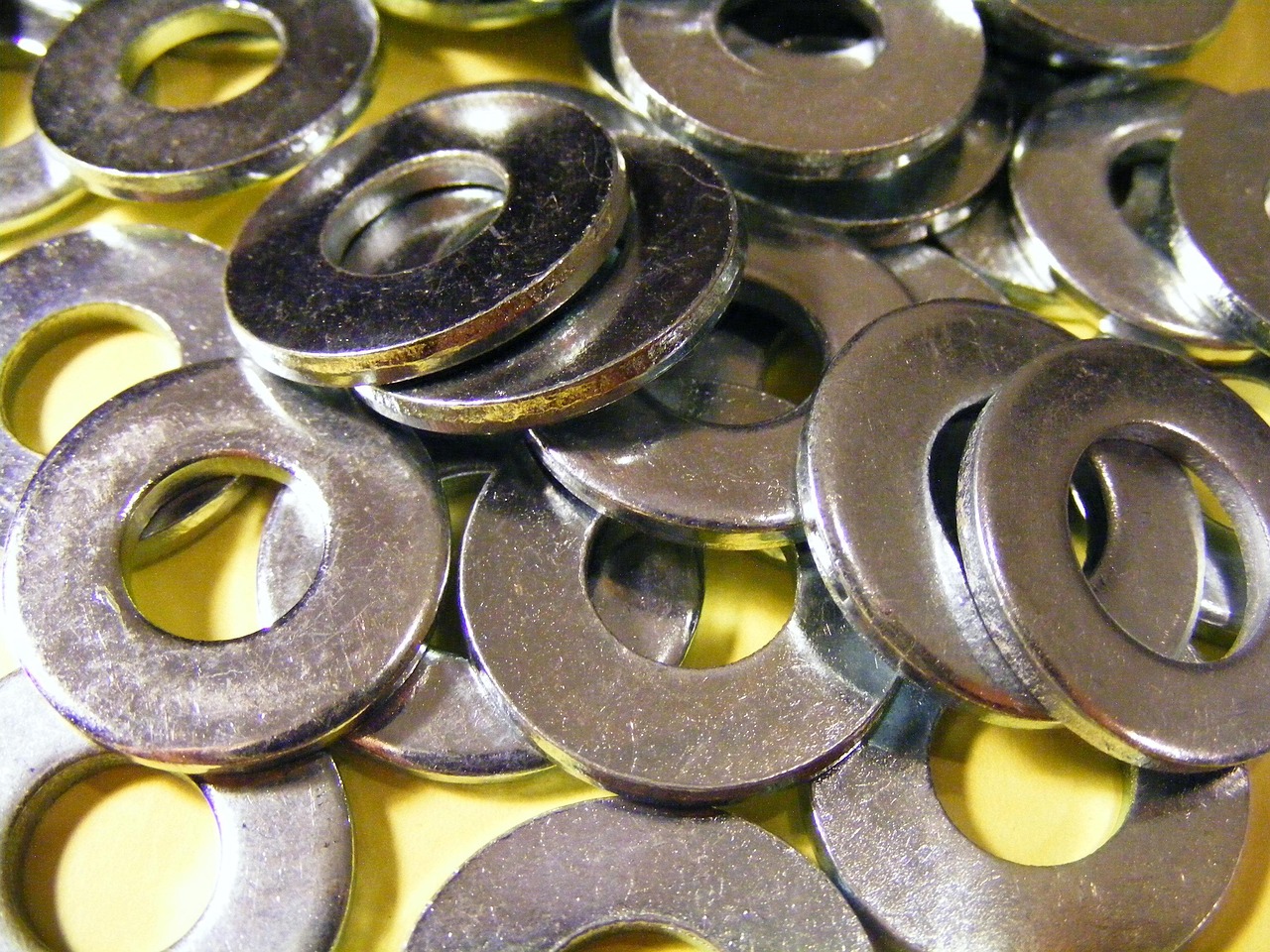
Washers arent always essential but can be very helpful depending on the projects needs. Some come in different shapes and sizes to help distribute loads more evenly. When used alongside bolts, washers work as load distributors, helping provide additional support and strength in most case.
They’re also good for vibration resistance depending on what type you use. Electrical work calls for star washers as well since they help ground connections to ensure electricity flow properly.
7. Concrete Anchors
Concrete anchors are specialized bolts that are great when you need to make sure something stick to concrete correctly.
Whether youre anchoring something up or simply making sure an installation is reliable enough for daily use without risk of damage or accidents, these anchors are effective and reliable. It’s crucial to know what kind of surface you’re working with so you can match the best anchor to it.
8. Cotter Pins and Safety Wires
Cotter pins and safety wires both prevent this from happening by holding things in place or alerting people when there’s been movement based on whether or not wires break or not.
9. Hinges, Hasps, and Hook-and-Eye Fasteners
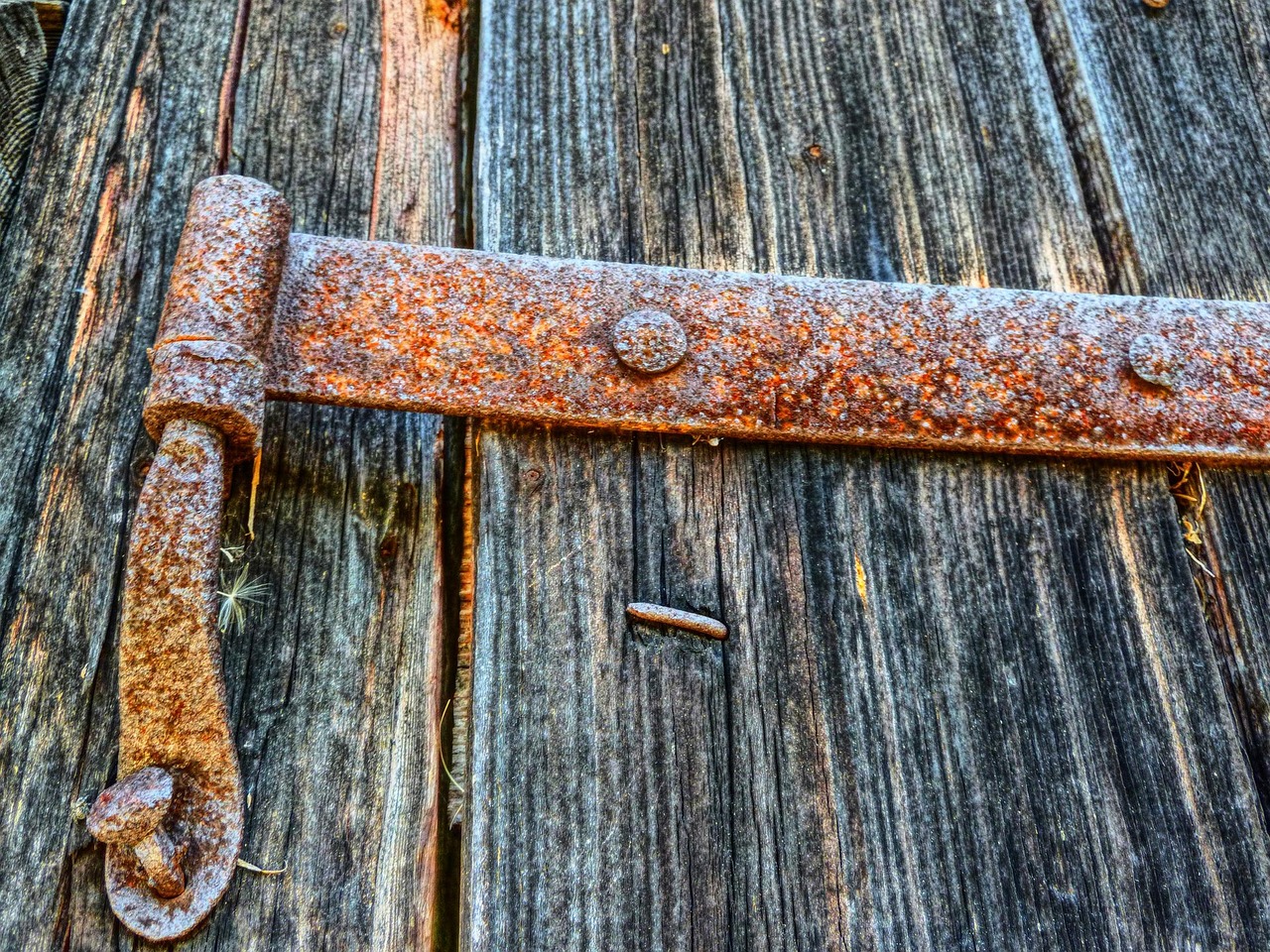
Hinges, hasps, and hook-and-eye fasteners are typically considered hardware rather than fasteners. However, these three types all work towards solving essentially the same problem as far as reliable connections go but also do so with added movements like hinges which allow things to open and close in specific ways when fastened properly. Understanding which fastener is best suited for which job make your job that much easier and guarantees there will be long-lasting results too.
So next time youre struggling to figure out what kind of fastener you need for your project or building needs, make sure you have a good understanding of what types are out there and how each one function so you can secure things properly!
