

Building brickwork reward a person for there patience and for there use of the proper tools. Look at any skilled mason at work laying bricks or building a stone wall, and the end result look effortless and skilled. What is not seen is the careful selection of the tool that are required to build that skillful masterwork.
Without the proper tools, even the most experienced building mason will struggle to build the type of work that they require of themselves in terms of accuracy, speed, and safety. The difference between an amateur mason and a professional building mason is often the set of implements that the professional has focused upon to they craft. Whether building a chimney, a fire pit, or even a veneer project, the proper collection of tools will save a mason time and money.
And even more importantly, prevent costly mistakes. Below is a list of the tool that every building mason should know and understand, the reason for each of those tools, and the way in which one can choose among those tools the version that will endure the work that they will be asked to perform. One of the most important tools for a building mason is the trowel.
Essential Tools for Every Building Mason
1. Brick Trowels
Trowels help control the most important variable in laying bricks (the mortar). Good brick trowels has a triangular blade made of high-carbon steel, and good trowels will have a wooden or plastic handle that allow the mason to comfortabley hold the tool. The triangular shape of the tool allows the mason to scoop mortar from there hawk (tool used to load mortar onto the trowel), spread the mortar onto the bricks, and even cut the mortar to the desired shape with ease.
A trowel should be balanced proper so that even after hundreds of scoops of mortar with the trowel throughout the day, the mason will not suffer from wrist fatigue. Furthermore, the heel of a trowel should be provided in a way that allows for the mason to properly butter the end of the brick without any mortar that does not belong to that particular brick. A level is another of the most important tools for a building mason.
2. Levels
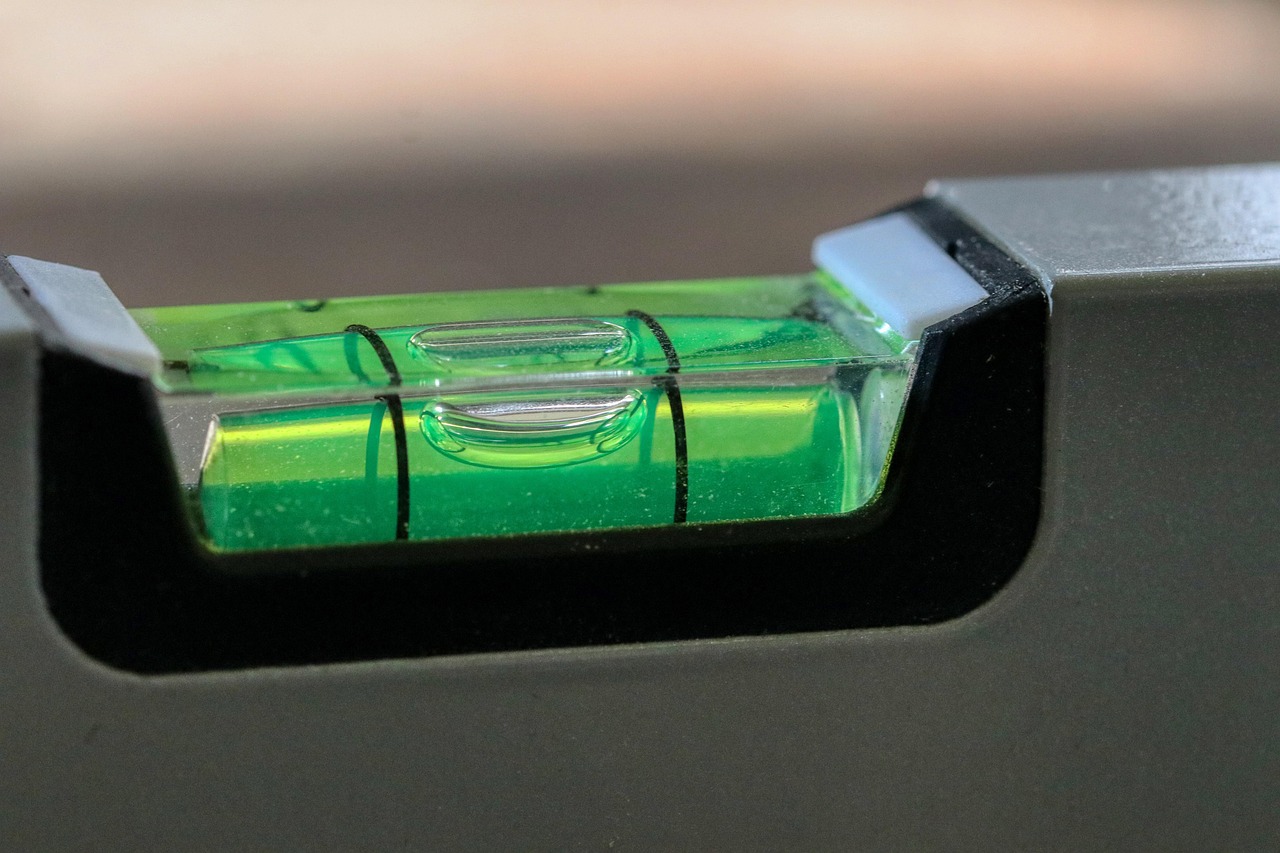
When used incorrect or improperly, a mason’s wall can develop even slight deviations from plumb after eight or more courses of brickwork. A four-foot level will work for most jobs, but a shorter torpedo level will be needed for certain areas of a structure. The best levels will have aluminum construction that feature rubberized ends to the tool to protect against drops on the ground.
Furthermore, there should be a variety of viewing angles of the liquid vials on the level for ease of reading the plumb without turning the tool, and these vials should be replaceable in case of breakage. Furthermore, the level should be accurate to 1/32 inch; any accuracy less than that specification can cause a mason to build a wall that will be straight in appearance throughout the day, but that will begin to sag and create deviations from plumb after the setting of the mortar later that same day. A hammer and chisel will be required for cutting bricks and blocks of concrete.
3. Hammer and Chisel
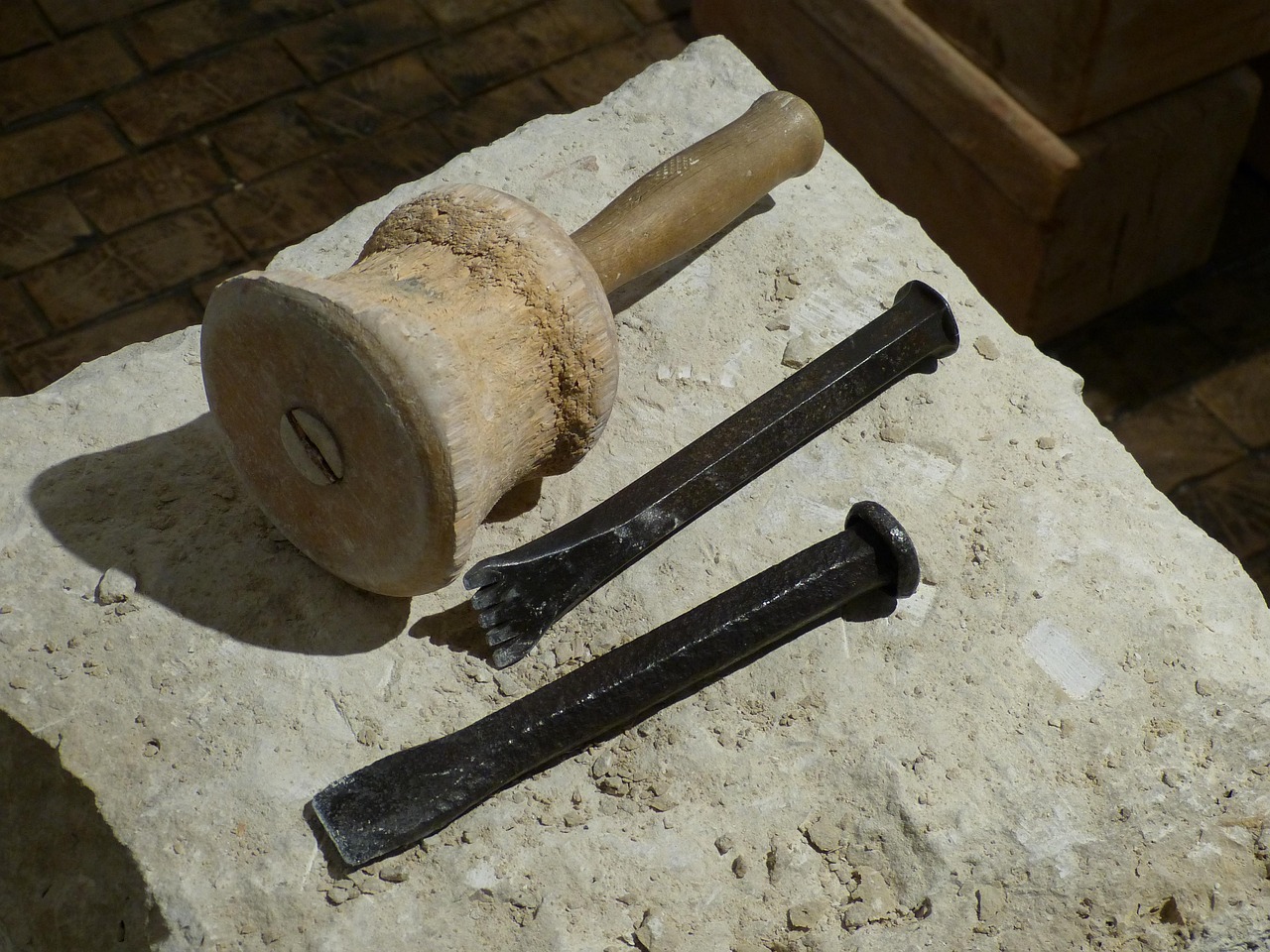
A brick hammer features one square face and one chisel end. Furthermore, the weight of a brick hammer range from 16 to 20 ounces; this amount of weight allows for the mason to deliver force to the brick that will allow it to break without shattering the brick. A masonry chisel and a hand sledge allow for the removal of mortar from mortar joints between bricks; this is often used to remove mortar and then to split pavers apart with the chisel and sledge.
Many new mason will hit the chisel too hard with the sledge to forcefully split the masonry unit apart; this often leads to jagged edges of those pavers that are difficult to reinsert into the mortar joint. Practice splitting pavers with the chisel and sledge on scrap pavers first to master this skill; a clean split of mortar removes the need to clean up mortar with the trowel after splitting masonry bricks apart. Jointers and tuck pointers are tools that allow the mason to shape the mortar joints.
4. Jointers and Tuck Pointers
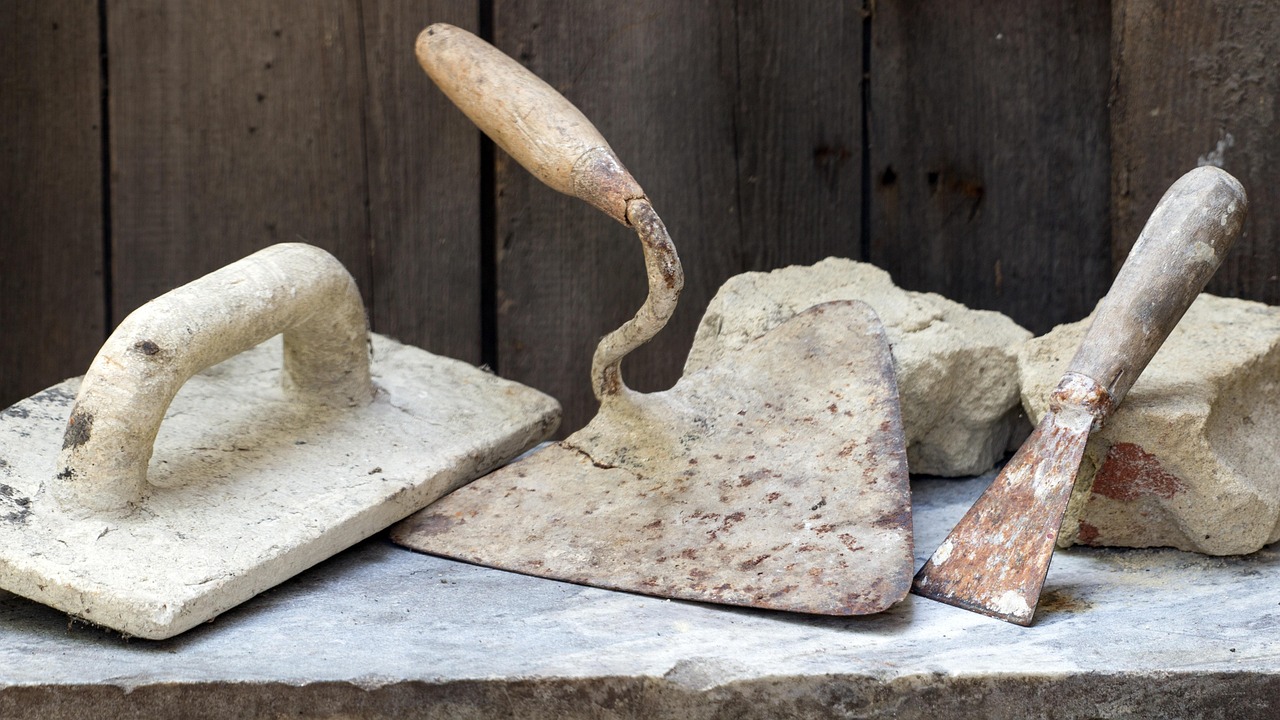
Mortar joints are one of the features of a structure that give it its visual character. After the mortar reaches the consistency of a thumbprint, the mason use a jointer to shape both horizontal and vertical mortar joints to even out the mortar and to improve the chance of the mortar shedding water instead of allowing water to sit on the mortar and potentially be forced into the structure. Different joint may be used for different projects; for exterior walls, a weathered joint is used that sheds water from the wall.
For interior projects, a flush joint will allow the mortar to create a smooth wall that features no visible mortar joint. Furthermore, tuck pointers have narrow blade that allow for the mason to insert the tool into existing mortar joints to replace the mortar without moving any of the existing bricks. Having various width of tuck pointers will save a mason from trying to force the fat tool into the skinny gaps between bricks.
A hawk and mortar board will keep mortar within the mason’s reach to avoid bending there body during the laying of bricks. A hawk is a flat piece of aluminum or magnesium that features a perpendicular handle to the tool. The mason can load the hawk with mortar, and the mason can carry one hand with the hawk and the other with the trowel.
5. Hawk and Mortar Board
However, this tool save a mason hours of potential back strain. For larger projects, a stationary mortar board or a mortar tub on a stand will be used instead. The mortar should be kept to the mason’s waist height for even placement of mortar; if mortar is too stiff to scoop with the hawk, the mason will tire and develop back strain.
Furthermore, having a hawk or mortar board in place will save a mason mortar from waste; any excess mortar can be pushed back into the mortar tub. Safety gear becomes important to a mason when the mason realizes the potential for chipped mortar to fly into the eye or into the body during the work of a mason. Goggles are used to provide eye protection from chips of mortar that may travel toward the eye during the work of splitting bricks.
6. Safety Gear
Furthermore, cut-resistant glove with rubberized areas on the tool will allow for the mason to grip the masonry block without any slipping of the tools from the masons grasp. Finally, a dust mask or respirator will be needed when the mason mixes mortar or uses a saw to cut bricks. Silica is contained within mortar, and silica can lead to lung issues over time; protecting the lung by using a respirator will allow a mason to return to the scaffold throughout the day to continue building.
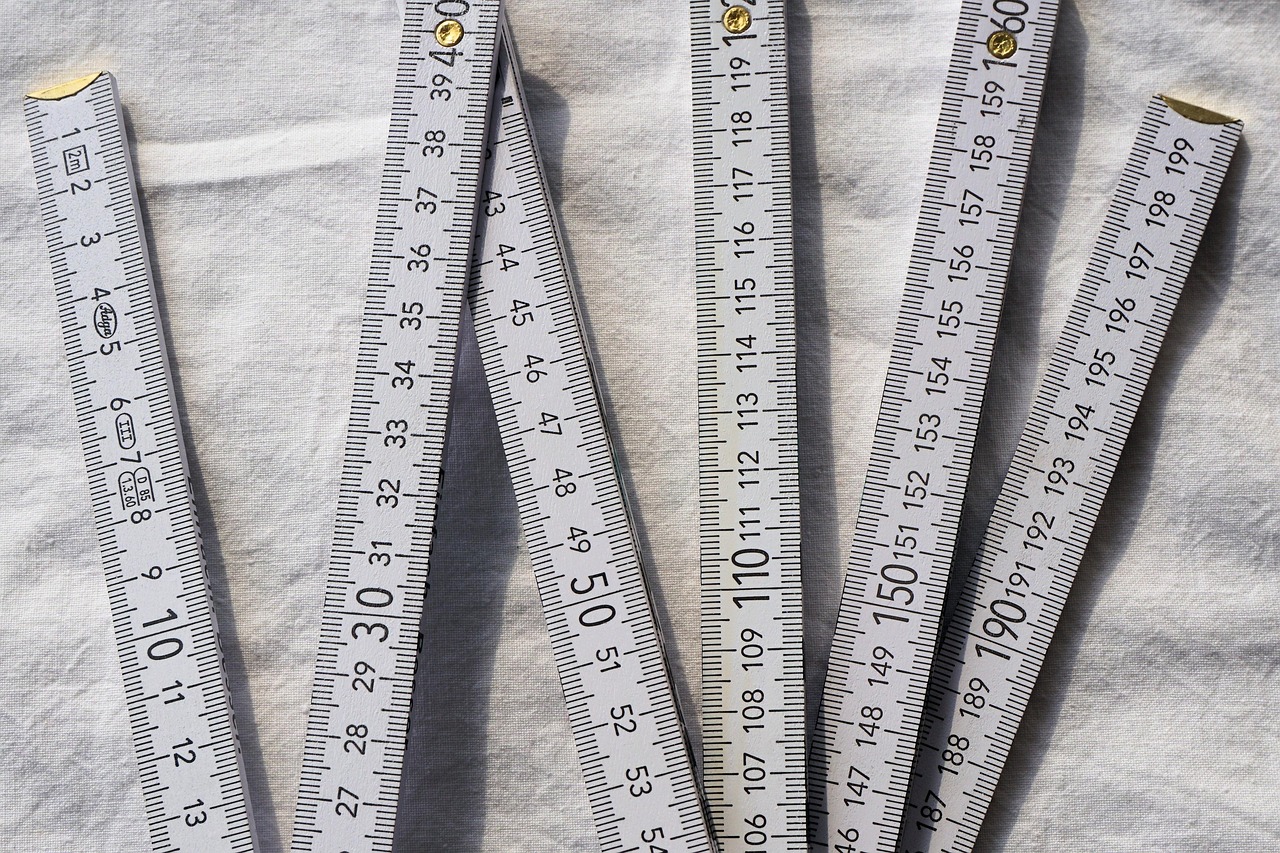
Measuring tool will help a mason to avoid errors throughout the project. A folding wooden rule is preferred to a tape measure; a wooden rule allows the mason to place the dimension of a project directly onto the structure of the masons masonry work; no hook for a tape measure will damage the mortar structure. Furthermore, a chalk line and a keel crayon will be used in conjunction with the folding wooden rule to mark the structure of a masonry project.
7. Measuring Tools
Additionally, a laser level has developed in the past few years to provide affordable option for masons to set plumb and level line for projects of any size. Furthermore, the laser level is helpful for mason that may have to perform measurements alone; they cannot hold a level and perform measurement at the same time. However, the best mason are those that can learn to rely upon a spirit level that is tapped with the masons trowel instead of the laser level.
8. Laser Level
A mixing tool will determine the consistency of the mortar. A hoe with a large head will help the mason to blend sand, cement, and lime until it is ready to be mixed with water. For those that perform masonry work frequently, an electric mortar mixer on wheel will save both time and labor.
9. Mixing Tools
Furthermore, mortar should be mixed to the consistency that cling to the trowel and spreads easily. If too much water is added, mortar will squeeze from under bricks. Too little water will cause mortar to refuse to set into mortar joint between bricks; the experienced mason will develop an understanding of the perfect consistency after hundreds of batch of mortar are mixed by hand.
A few additional tool may be needed for a mason to properly maintain there tools. A stiff wire brush will help to remove dried mortar from trowels and levels. Additionally, a bucket and sponge will help to clean the tool during the work of laying bricks.
10. Tool Maintenance
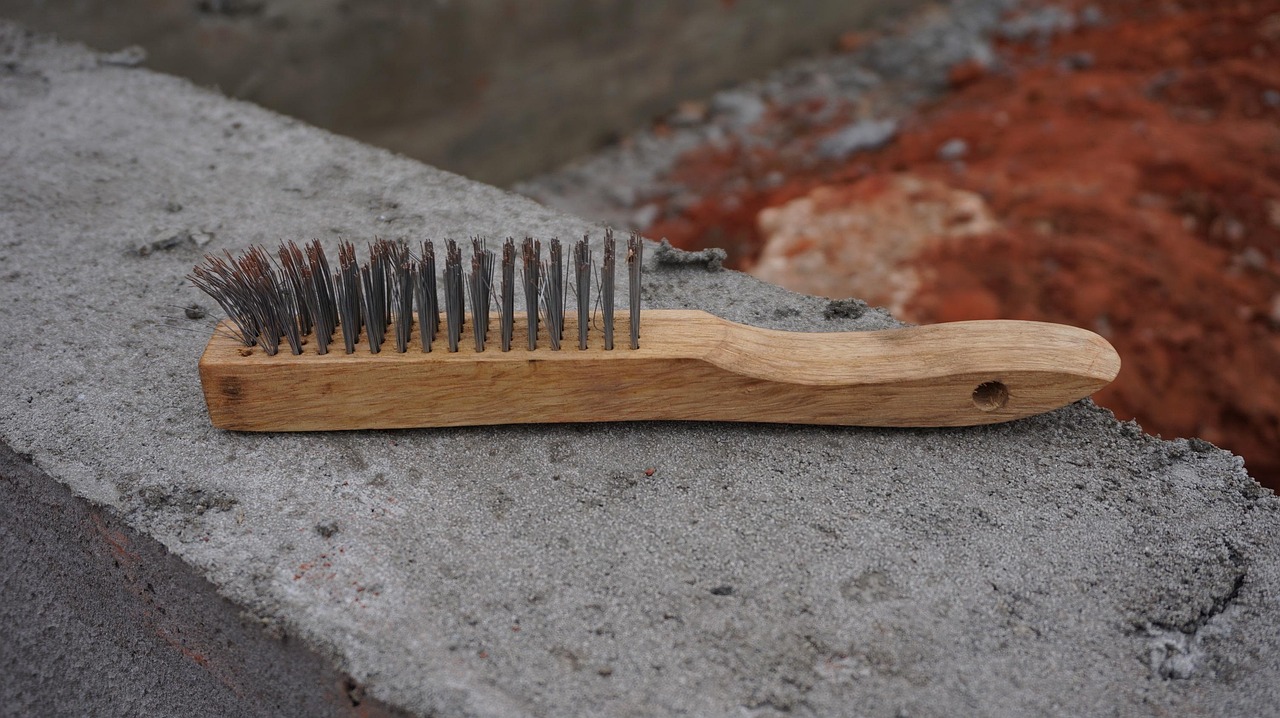
Each of these tool should be washed at the end of each workday; ten minute will be sufficient to ensure that the tool are clean for the next building day. Furthermore, the metal part of the tools should be oiled each day to prevent the tools from rusting with exposure to the elements. As with any other craft, proper tools will allow a mason to complete there project with ease.
However, no amount of the best tool will allow a mason to create the most beautiful masonry without skill and experience in the craft. Thus, having the proper tool will allow for the mason to focus there effort on the work that they do best, master the craft of building bricks and mortar structure. When a mason successfully builds a structure, creates beautiful mortar joint, and builds a structure that lasts over time, they will always thank the individual that started the process of purchasing the proper tool for the craft, and maintaining those tool throughout time.
