
While drywall work may seem simple to someone who is simply observing drywall work, actual drywall work can present difficulties to even the most skilled drywall worker. Should one make the wrong move with the wrong tool, one can find themselves sanding drywall for many hour. The difference between someone who is attempting to perform drywall work at home versus someone who have drywall work experience is in the professional’s having the appropriate tools for each job.
With an understanding of the best tools for drywall work, drywall work can no longer seem like a guessing game for the individual. Tools will make drywall work faster, but there are additional benefits of the right tools. The best drywall tools will make mud fall off of drywall good, and they will make breathing less dust while completing the job.
Professionals dont use the tools they have at their disposal at the job site. Professionals create their kits with the tools that will solve the issues they encounter the most. The tools that will be discussed will provide the biggest improvement in the drywall work environment.
This list of drywall tools starts with those that will provide the most comfort for the worker and ends with the tools that are considered the most important for professionals. The utility knife is a tool that may seem too basic for inclusion in a list of drywall tools. However, this tool is the most used on every drywall job.
The Best Essential Drywall Tools For Professionals
1. Utility Knife
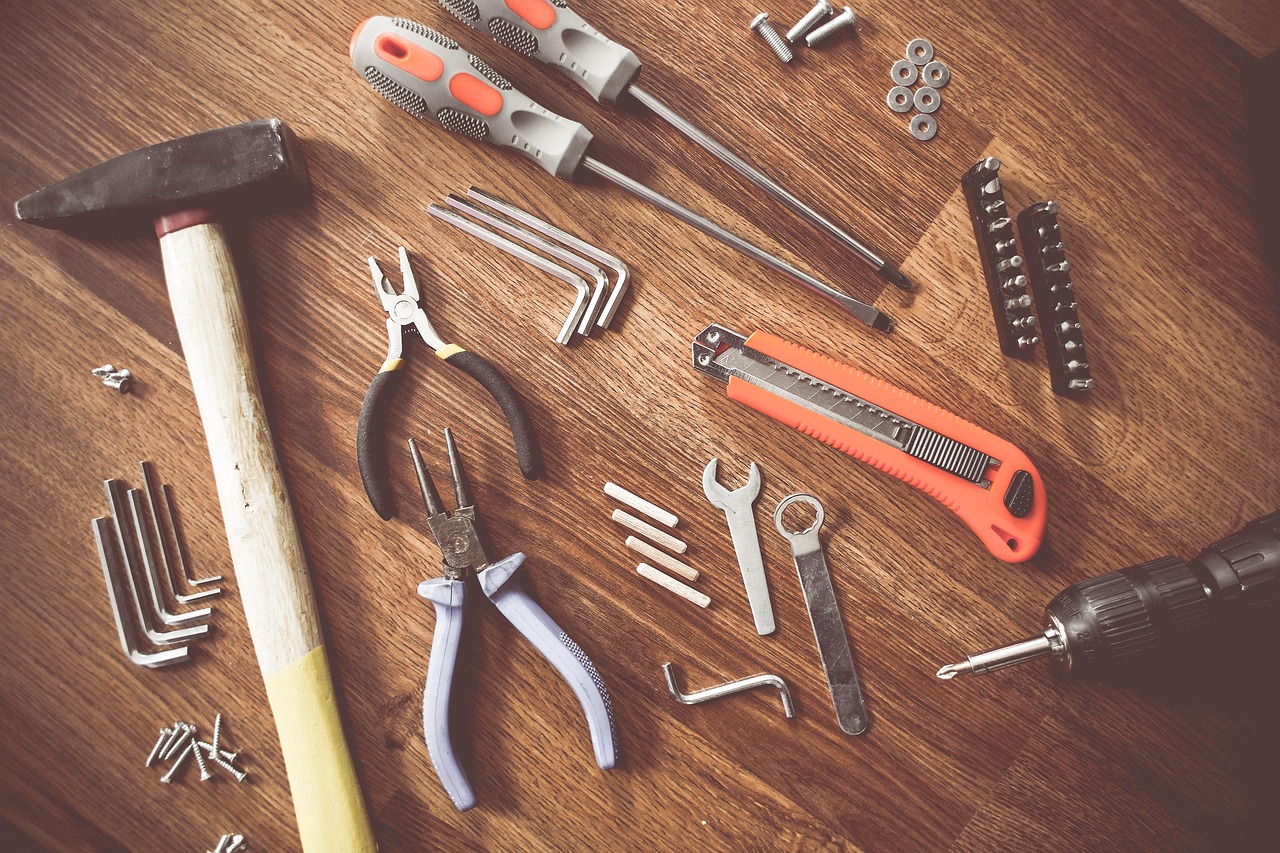
The best utility knives will have a retractable segmented blade that will snap off of the utility knife when the blade becomes dull. These tools will be used to score drywall panels and to cut around electrical boxes. When scoring drywall panels, the utility knife should be scored deep into the drywall panel so that the drywall will break cleanly along the marked line.
This will allow the drywall to not tear the paper facing the drywall. Cheap utility knives will lead to drywall that has ragged edges. Two utility knives should be included in a drywall tool kit because the blade will get gummed up with drywall compound.
2. Drywall Router
The drywall router looks similar to a small plunge saw with a narrow bit. This tool will be used to cut around the outlets and fixtures that is present on the drywall sheets. Instead of cutting with a utility knife, a drywall worker can simply place the drywall sheet against the outlet and use the drywall router to cut the sheet.
This tool will produce a significant amount of dust, but the drywall worker will save time with this tool. Drywall workers may be fearful of this tool because it is common knowledge that if not properly used, it will damage the drywall sheet. However, the bit of the drywall router is narrow enough to be controlled with the drywall router.
3. Taping Knives
Taping knives come in many different sizes. Each size has a specific job that the smaller and larger knives cannot do as efficient. The six-inch knife is used for embedding drywall tape into the first coat of drywall compound.
The ten-inch and twelve-inch knives are used for the final coats of drywall compound. A larger knife is needed for this job because the edges of the compound will need to be feathered to ensure they dissapears into the drywall. The blades must remain flat and free of nicks.
A single dent in a drywall knife’s blade will leave a line into the drywall compound that cannot be removed. Each drywall worker will have a set of knives for each coat to ensure they do not use the beat-up knife for the final coats of drywall compound.
4. Hawk and Trowel
The combination of the hawk and trowel may seem a little old fashioned for drywall compound. However, it is one of the most effective tools out there for those who know how to use the hawk and the trowel. The hawk is a flat piece of metal with a handle under the metal plate. The hawk will hold a workable amount of drywall compound for the worker.
When standing on a ladder or stilts, the worker can use a trowel to transfer the drywall compound from the hawk to the drywall sheet. Using a hawk and trowel gives the worker more control over the drywall compound than using a mud pan. Additionally, using a hawk and trowel will allow the drywall worker to remain closer to the drywall sheet. It will take some practice to learn to load the hawk without dropping the drywall compound on the workers shoes.
5. Sanding Screens and Pole Sanders
Sanding screens and pole sanders will reduce the amount of dust that a drywall worker will breathe into their body. The sandpaper that is traditionally used to sand drywall compound will quickly get clogged into the sandpaper with the drywall compound. Additionally, the drywall sandpaper will produce a significant amount of fine dust. Sanding screens with 120 and 150 grit will cut drywall compound much faster than sandpaper. Additionally, the sanding screens will allow the drywall compound to fall straight down instead of getting loaded up on the sanding screen.
Attach the sanding screen to a pole sander with a swivel head to reach the ceilings of drywall without constantly having to climb up and down the ladder. When sanding drywall with a sanding screen, the worker will be able to feather the seams in the drywall compound. Additionally, the sanding screen will vibrate when it hits a high spot in the drywall compound. Wear a respirator when sanding drywall with sanding screens because the compound will still be made of gypsum.
6. Corner Trowel
A corner trowel may appear to be a specialty tool for drywall compound. However, this tool becomes necessary if attempting to sand the inside corners of drywall panels with a taping knife. The corner trowel has two blades that are set at ninety degrees to each other. Additionally, the corner trowel has a slight curve to the two blades. This tool will let the drywall worker press the compound into both walls at the same time while creating a smooth radius into the inside corner.
Using a corner trowel will prevent the drywall compound from building up in the corner. Additionally, drywall compound that is applied with the corner trowel will not crack or form shadow lines under the paint. The best corner trowels have replaceable blades because the metal edges of the blades take a beating against the metal corner bead. Once the drywall worker becomes comfortable with using a corner trowel, the drywall worker will find that finishing the inside corners of a drywall panel will go from being a time-consuming task to one of the quickest drywall work tasks.
7. Mud Pans and Drywall Compound Drills
For mud pans and drywall compound drills will be found in a drywall worker’s kit. A decent mud pan will have sloped sides to the pan so the drywall compound can be wiped off of the taping knife. Larger drywall compounds will use a drywall compound drill.
For drywall compound drills, a paddle attachment will be used to mix the drywall compound from the bag into a smooth compound. Using a drywall compound mixer will prevent the drywall compound from developing lumps that will cause drywall headaches during the sanding of drywall. When using a drywall compound drill, it is essential to mix the drywall compound in small batches. Additionally, the drywall compound mix will not be allowed to sit in the mixing bowl with the paddle attachment spinning in the air. If the compound gets spun in the air, it will form bubbles in the compound that will pop when the compound dries up.
8. Drywall Lift
For those who are bored of struggling to hold a sheet of drywall with one hand while using the other to drive drywall screws into the drywall studs, a drywall lift is the drywall tool that will help with this task. Drywall lifts are wheeled devices and have a tilting platform that will help drywall compound cradle the drywall sheet. Additionally, drywall lifts will help to cranks the sheet of drywall into place against the drywall ceiling.
One person can hang an entire ceiling with the drywall lift. The trade-off for using a drywall lift is the amount of storage space the drywall lift takes up in the drywall workers shop. For individuals who only have to complete one or two rooms of drywall work every few years, it will take an investment to purchase a drywall lift. For drywall contractors, the drywall lift will pay for itself after the first month of use because it will reduce drywall labor time in half.
9. Stilts
The last tool that will be discussed is the tool that separates drywall professionals from drywall amateurs. This tool is a good set of stilts. Using stilts and walking on stilts will seem ridiculous to many people. However, drywall workers will save time using stilts because they will not have to move the ladder every three feet along the drywall wall. The stilts can be adjusted to work at different heights. Additionally, the best stilts have spring-loaded feet that will absorb the rocking motion of the drywall worker so they will not fall off the stilts. Walking on stilts will force the drywall worker to develop a smooth gait when completing drywall compound work. A smooth gait will prevent drywall compound from sloshing off the workers hawk. Professionals who work with drywall compound will tell you that it will take approximately twenty minutes to learn how to walk on stilts with a smooth gait. After mastering the skill of walking on stilts with a smooth gait, the drywall compound work will continue to save time for the remainder of the workers career. Mastering each of the drywall tools will not guarantee that every drywall job will turn out perfect. However, it will eliminate the frustrations that many people feel while completing drywall work. If you are faced with a drywall job, ensure that you have the right tools for the job. Ensure you understand the use of each tool. With these drywall tools mastered, drywall compound work will no longer seem like a daunting task for the drywall professional.
