
Drywall sanding is the specific step in the drywall process that will separate a decent job from one that turns into a profession-grade project. If you dont perform drywall sanding or if you perform drywall sanding but do a poor job of drywall sanding, you will have to contend with all of the imperfections that your drywall features under the final coat of paint. However, if you take the time to properly sand your drywall, your walls will feel as smooth as glass before the roller touches them.
The tools that you use for sanding drywall has a specific job to perform, and they have a specific purpose for that job with a few quirks that you should know before you purchase or rent any of these drywall sanding tools. If you pick the right tools, you will save yourself the time that you would take up with sanding and you will have time to admire the walls that you have created. Pole sanders can save your neck and your knees.
Essential Tools for Sanding Drywall Walls
1. Pole Sanders
These drywall sanding tools allow you to reach the ceilings and the upper portions of your walls without having to use any ladder or stilts. Most models include a universal head that takes either sanding screens or hook-and-loop paper to the sanding job. The heads of the best pole sanders will include a swivel joint that allows the tool to follow the walls so that the tool does not dig into the drywall.
You will be amazed at the difference that pole sanders make when you go to sand your first ceiling. You will not have to crane your neck and you can keep both of your feet on the ground with the pole sander. However, there will be a tradeoff in that you will have less control over where the sanding head go.
If you use a pole sander too quickly, you may leave some faint swirl marks on the drywall. To avoid this, you should slow down with the pole sander, use light pressure with the tool, and change the sanding paper on the tool often. These tools are good for larger areas of drywall but will still be required to sand the corner of the wall or the areas near the electrical boxes.
2. Hand Sanding Blocks
Hand sanding blocks will always be essential tools for drywall sanding that you will need regardless of the number of sanding tools that you do not use electric power. A foam hand sanding block will provide tactile feedback that will allow you to feel the high spots on the drywall with the compound. This feedback allows for more even sanding areas.
Hand sanding blocks comes in varying densities of foam so that they will be useful for both the corners of the drywall that have gentle curves and the seams of the drywall that are flat. Professionals will have a few hand sanding blocks in their kit so that they can find the one that they need without taking a walk through their tool kits to find it. These hand sanding tools are not only cheap but they are also quiet when being use and provide full control to the sander.
3. Orbital Sanders
Orbital sanders will provide you with a better finish for the middle portions of drywall sanding. Orbital sanders will spin the sanding pad in small circle to minimize the amount of sanding marks that appear on drywall. Look for an orbital sander that offers variable speed and good options for capturing the drywall dust that is produced during the sanding of drywall.
Look for sanding discs that are hooked to a vacuum to the orbital sander to make changing the sandpaper quick. The orbital motion will work well for the even portions of drywall after drywall has been leveled with the trowel. The orbital sander will smooth the ridges that the trowel leave on drywall but will not sand too much drywall.
Do not stop the orbital sander in one area, or it will create hollow spot on drywall that will show under the paint. Most drywall finishers will start with 120 grit sandpaper and move to 150 or 180 grit sandpaper for the last pass of sanding drywall.
4. Drywall Sanding Screens
Drywall sanding screens will perform much better than sandpaper and will last longer when used for drywall sanding projects.
Drywall sanding screens have abrasive material on both sides of the stiff mesh. When one side of the sanding screen is filled with drywall dust, you can simply flip it to the other side. The mesh will allow the dust to fall through the screen rather than create sanding marks on the drywall.
Drywall sanding screens will come in various grits from 80 grit to 220 grit. The lower number of grit will sand the drywall faster for removing the high spots on drywall. The 220 grit sandpaper will leave the drywall with a smooth finish that is ready for the application of drywall primer.
A sanding screen will be held with the rigid frame of a pole sander or a hand block of drywall so that the screen does not dig into the drywall. These screens will cost more than sandpaper, but you will have to buy fewer sheet.
5. Random Orbit Sanders
Random orbit sanders will make more of an impact on drywall sanding for larger remodeling job.
These tools will feature both an orbit and a spin motion in their sanding pad that will work to eliminate the swirl marks that drywall sanders may otherwise leave on drywall. For these jobs, you can use the right sanding pad so that you can sand the drywall very quick with minimal effort. Random orbit sanders will be loud and heavy when used on drywall projects.
Thus, they will not be the best tools for overhead job. Use random orbit sanders in the beginning of drywall sanding for leveling or removing texture from drywall from previous owner. Use a shop vacuum to the random orbit sander to control the amount of drywall dust.
Random orbit sanders have a more aggressive sander head that may create a low spot on the drywall if used improperly. Thus, use care around the drywall with random orbit sanders.
6. Sanding Sponges
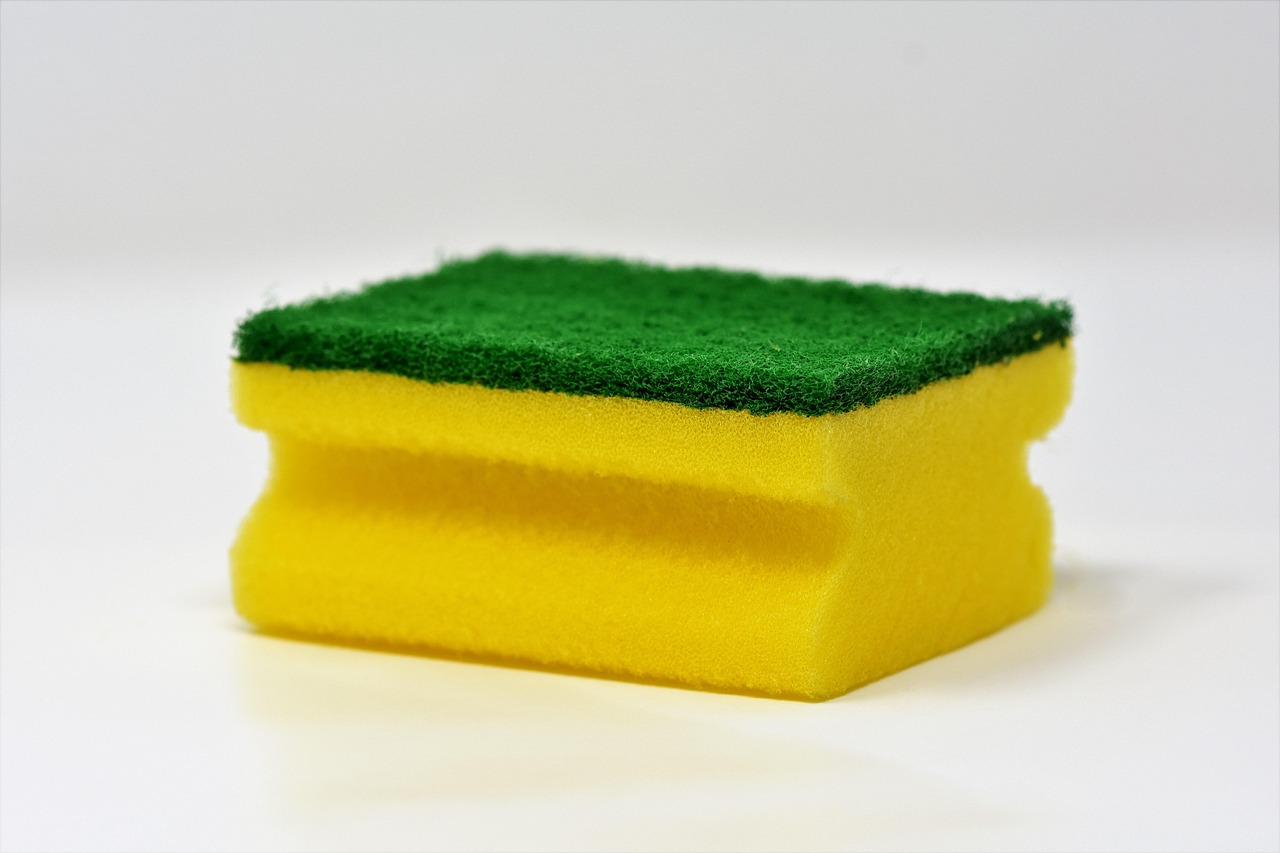
Sanding sponges will deserve a place in every drywall tool kit.
These tools have a flexible spongy head with an abrasive on each side of the sponge. The sponge will allow drywall sponges to reach the corners of the drywall without damaging them. Wet sanding sponges will extend the sanding sponge tool to take care of set compound on the drywall.
If you dampen the sanding sponge, you can achieve a smooth sanding of compound with minimal dust. These tools will be of great use in small rooms with a limited amount of drywall or for drywall touch-ups the day before drywall painting. However, use care when using the tool to avoid softening the edge of the compound with the water in the sponge.
7. Dust Extraction Systems
Dust extraction systems will turn a messy job of drywall sanding into a manageable job. Whether you use a drywall vacuum or shop vacuum with a separator lid, these tool kits will be of great use for drywall sanding. Drywall dust is one of the finest type of dust and will remain in the air in your job site for many hours.
Drywall dust will find their way into the cracks in the drywall and will coat every surface in the room once the sanding is done. A good dust extraction system will help to capture the majority of the drywall dust that is created during the sanding job. Thus, there will be less time to clean up the drywall and fewer trip to the shower to clean up the sanding sawdust.
A vacuum and sander that features a dust shroud will create a drywall sanding job that is nearly free of sawdust. While these tool kits may cost a great deal of money upfront, they are a worthy investment when you are done with your basement drywall sanding project.
8. Detail Sanders
Detail sanders, also known as mouse sanders, will help you sand the spots that are not accessible to the larger drywall sanding tools.
These tools will feature a triangular head with a small pad that vibrates rapidly to sand the high spots without rounding them in the process. Detail sanders will accept either stick-on sanding triangles or hook-and-loop pads. These tools will not be used on the main portions of the drywall.
Due to the size of the sander, it will take a while to sand a large area of drywall with a detail sander. Instead, use the detail sander on the spots where the drywall features a flat plane and a corner. Detail sanders will use 150 or 180 grit sandpaper and will be used in conjunction with a pole sander.
Using a pole sander and a detail sander will allow for both speed and precision in drywall sanding. Finally, a sanding screen on a simple wood block will always come in handy for drywall sanding for the problems that the fancier drywall sanding tools may fail to resolve. In the case of drywall repairs or sanding a nail pop after the first coat of drywall compound, a sanding screen on a wood block will be the best tool for the project.
The wood block will provide firm backing to the sanding screen. Even though drywall sanding tools may be a field for innovation, this most elementary tool has its place in every drywall sanding professional’s toolbox. While drywall sanding does not have to include every tool on the market, there are some that should be included for the results will be the best for your drywall walls.
The best drywall sanding tools will depend on the stages of the drywall process as well as the size of the drywall room that will be treated. A weekend warrior who is treating a single drywall room may do well with a hand sanding block, a pole sander, and drywall sanding screens. However, a professional who is completing a full renovation of a house will need to rent or purchase all of the drywall tools that will be mention in this article.
Regardless of the tools that will be used for drywall sanding, patience is required. You will not be able to eliminate the need to inspect drywall under a bright light. You should use your hand along the drywall.
You should use your eyes to inspect the drywall for any shadow created due to the compound on the drywall. Any shadow indicate that the drywall compound needs to be sanded one more time. The drywall walls will have a single chance to be perfect before the paint touches them.
Thus, if you choose the right tools for drywall sanding, the walls will be flawless long after the sawdust has settled. When choosing drywall sanding tools, you can look at the different stages of drywall compound and the size of the rooms for the best drywall sanding tools for your home improvement project. Finally, the most important tool for drywall sanding does not have to include electricity.
You can create the best drywall sanding jobs with the simplest of all drywall sanding tools. Thus, rather than trying to include every drywall sanding tool under the sun in your tool kit, choose the right drywall sanding tools for your project. You will be amazed at the results that will be created with each of these tools.
