
Repairing drywall may seem like a simple task to the homeowner, but it becomes more difficult once a person starts to gather the tools that will be used for the repair project. A small hole in the wall that was caused by a doorknob, or a crack that exists along a seam in the wall can become difficult to repair if the apropiate tools are not used. Once a person understands which tools will be the most useful for drywall repair, the work will be completed in a faster amount of time, with less difficulty in performing the steps, and with less frustration when learning how to repair drywall.
The following list of tools will be encountered in the order that they are used in the repair work. Each tool performs a specific function that will resolve a problem that will be encountered during the work. The first of the tools that will be used are a utility knife.
Essential Tools Needed For Drywall Repair
1. Utility Knife
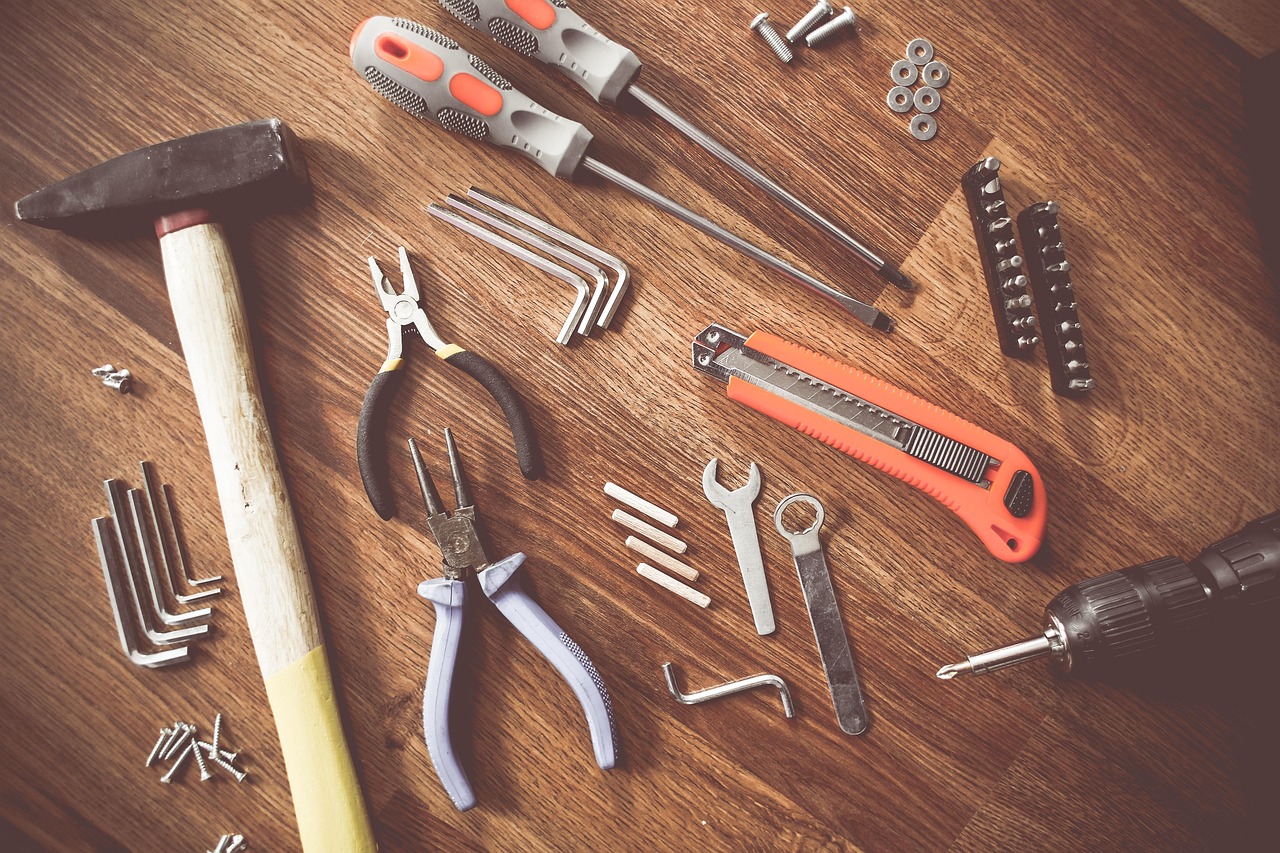
The utility knife will define the quality of the hole that will be cut into the drywall to allow for the repair of the hole. A sharp utility knife will allow the person to score the drywall around the damaged area without tearing the paper face of the drywall. The clean edges will make it easier for the compound to feather out of the drywall.
However, drywall will tend to dull the blades of the utility knife, so the purchase of a pack of extra blades is recommended. Furthermore, the utility knife will also be used to score the patch pieces of drywall that will be used as the repair patch for the damaged area. Following the utility knife is the purchase and use of a keyhole saw.
2. Keyhole Saw
The saw has a pointed tip that can be fed into the center of the hole that was cut with the utility knife. The saw can then be used to saw outward in the shape of a square or a rectangle. The narrow blade of the saw allows the person to cut into the drywall without removing it entirely from the wall.
Furthermore, many keyhole saws allow the person to avoid cutting into electrical or plumbing boxes within the wall. Following the purchase of a keyhole saw, drywall screws and a cordless drill driver will be used to secure the patch to the wall. Drywall screws will perform better than nails, as they will not allow for the patch to vibrate against the drywall.
3. Drywall Screws and Cordless Drill Driver
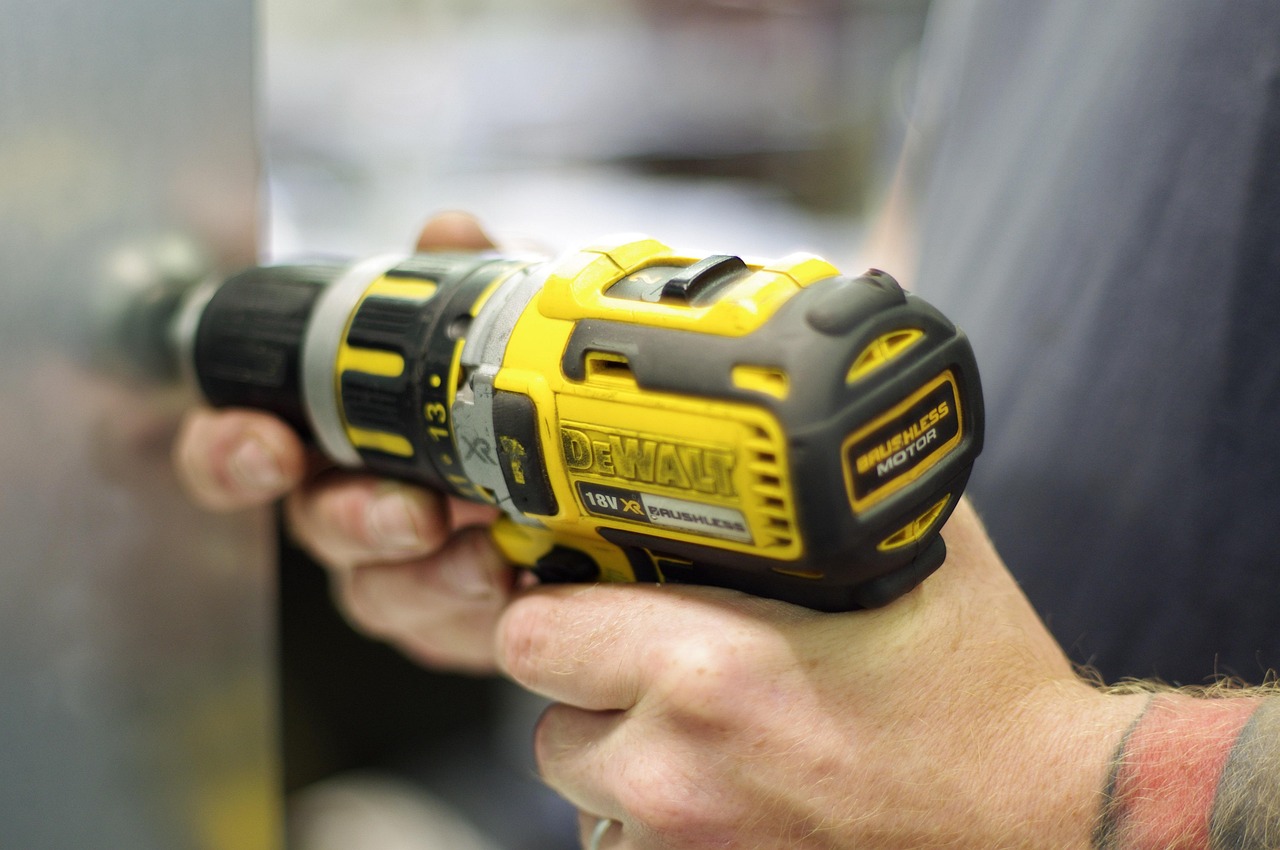
Coarse-thread drywall screws should be used for cutting into ½-inch drywall boards, and fine-thread drywall screws should be used for cutting into thinner drywall ceilings. Furthermore, the drill driver should have a clutch so that the drywall screws can be placed just below the surface of the drywall. The dimple will be filled with compound with the joint compound.
4. Putty Knives
A set of putty knives come in various widths. A 1½-inch narrow putty knife will be used for small dents and screw holes. A 6-inch or 8-inch flexible putty knife will be used for feathering the joint compound over the patch of drywall.
The wider putty knife will help to even out the pressure that is applied to the joint compound so that no ridges will be created by sanding the compound. Furthermore, the stainless steel blades will resist rusting caused by the joint compound. Following the purchase of the putty knives is the purchase of mesh tape.
5. Mesh Tape
Mesh tape has largely replaced the use of paper tape for drywall repair jobs. Self-adhesive mesh tape will allow for the tape to adhere directly to the drywall, without having to apply an initial layer of joint compound. Furthermore, paper tape will create a stronger bond to the drywall along the longer horizontal seams.
Following the purchase of the mesh tape is the purchase of a hawk and a trowel. The hawk is a flat metal tool that has a handle under the hawk; it holds the joint compound next to the work area that is to be patched. The compound can be scooped from the hawk into the trowel.
6. Hawk and Trowel
The trowel has a rigid edge that allows for the compound to be pressed into the joint where the mesh tape was applied. Following the hawk and the trowel comes the purchase of sanding screens that will be mounted onto a pole sander. The sandpaper has an opening that allows the gypsum dust to exit the drywall patch, rather than clogging the sandpaper.
Furthermore, using a pole sander allows the person to avoid ladders while patching drywall, and reduces the strain on the persons shoulders. A person will use 80 grit sandpaper to sand the joint compound to even out the high spots within the patch, and 120 grit sandpaper for smoothing the compound before applying primer to the patched drywall area. The drywall router tool may seem like it will be used in the instance that there is a hole that must be cut into the drywall for the installation of an electrical outlet or a switch.
7. Pole Sander
Furthermore, using a pole sander allows the person to avoid ladders while patching drywall, and reduces the strain on the persons shoulders. A person will use 80 grit sandpaper to sand the joint compound to even out the high spots within the patch, and 120 grit sandpaper for smoothing the compound before applying primer to the patched drywall area. The drywall router tool may seem like it will be used in the instance that there is a hole that must be cut into the drywall for the installation of an electrical outlet or a switch.
8. Drywall Router
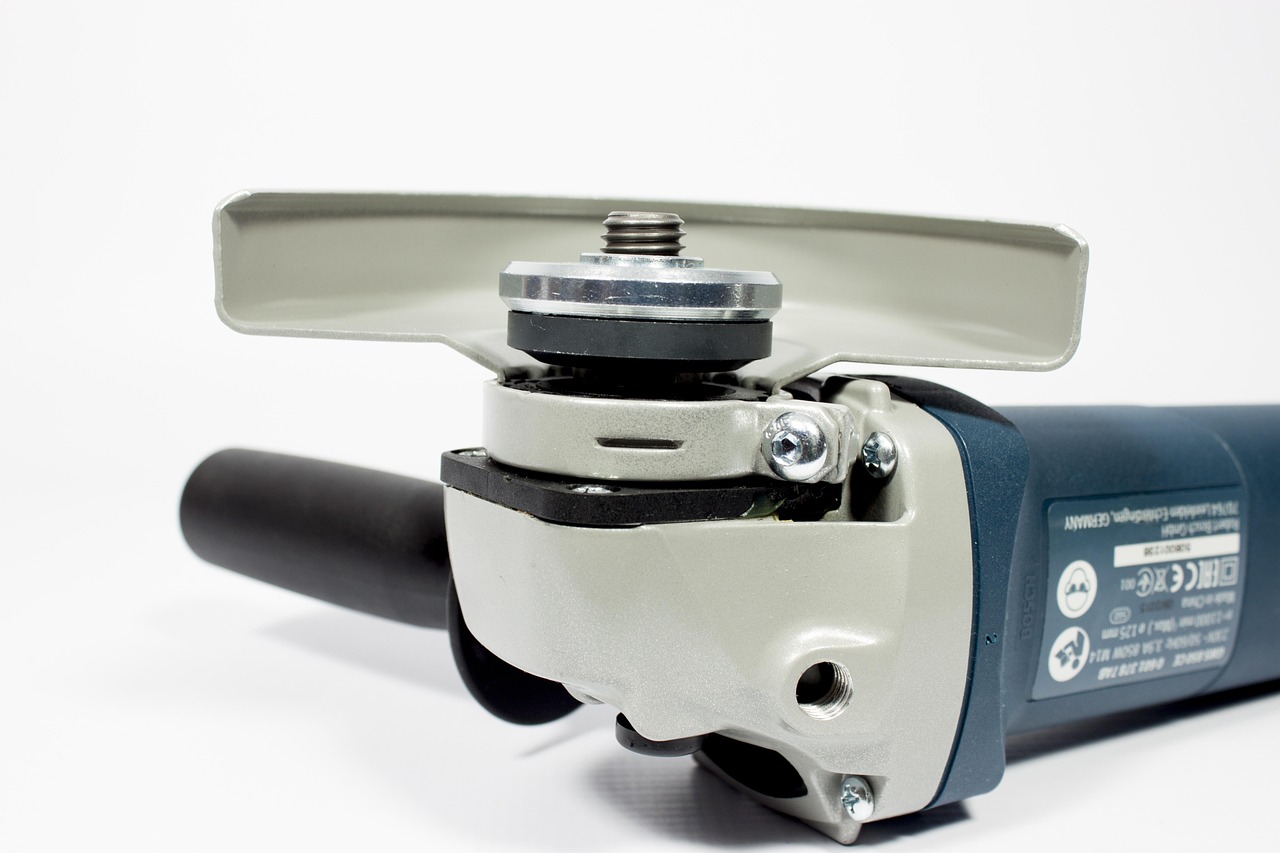
The drywall router has a guide bearing that allows for the patch to drop into the hole that is cut with the keyhole saw. The router can cut a straight edge into the drywall; this feature will save the person the time and effort that would go into cutting the edge of the patch with a saw. Furthermore, if the drywall to be patched includes many electrical outlets, the purchase of a drywall router will save the person time with patching jobs, and provide a more professional look to the drywall patch.
9. Spray Texture Gun
The spray texture gun will be used to apply a texture to the area that was patched with joint compound, drywall putty, and mesh tape. Furthermore, the texture will match the texture of the patch of drywall that is adjacent to the patched area. The joint compound should be thin to the consistency of heavy cream; this should be practiced on a scrap board of drywall first.
Furthermore, light coats of compound should be applied rather than one heavy coat. When dried, the texture will appear to be a factory-made drywall texture. A shop vacuum that has a HEPA filter will be the last of the drywall repair tools that are purchased.
10. Shop Vacuum
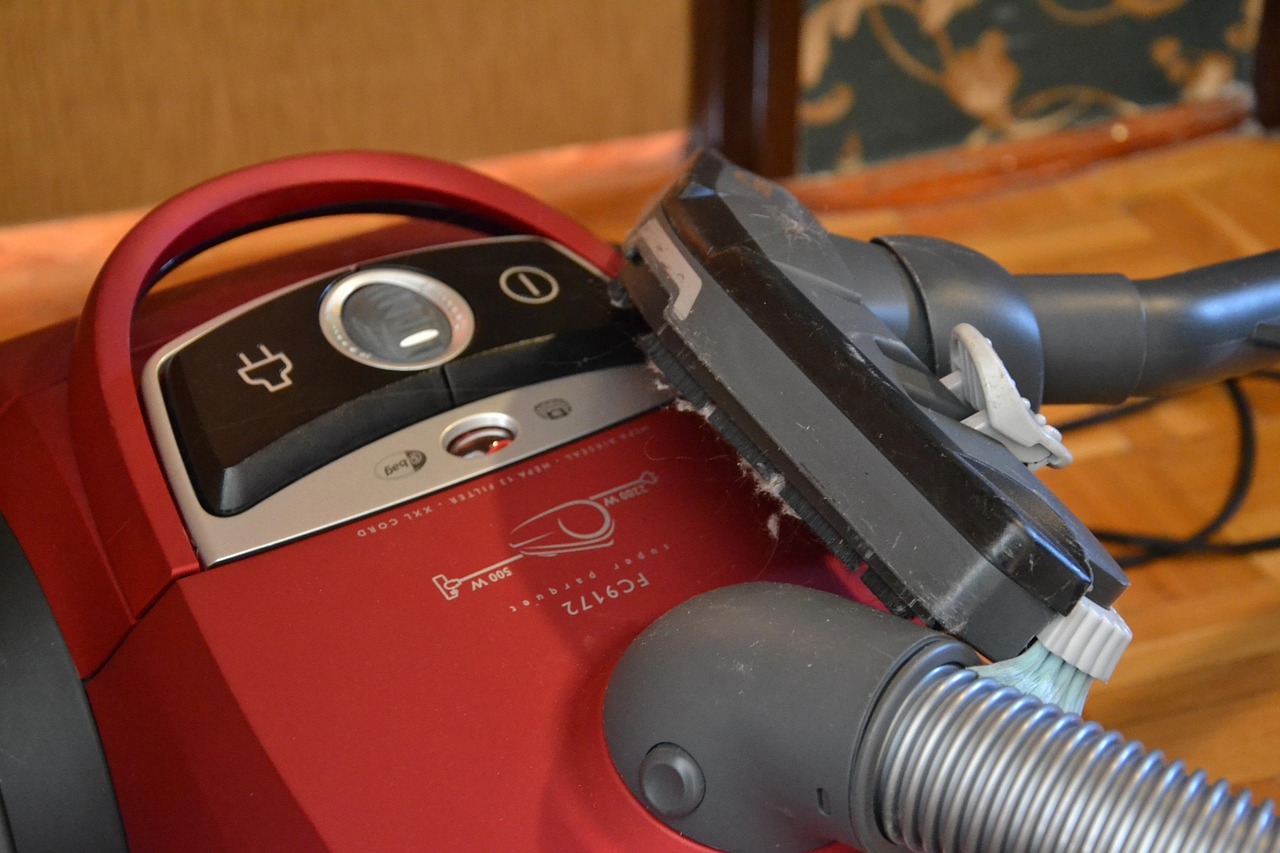
Shop vacuum will remove the drywall dust that was created during the drywall patching job. The drywall dust gets into every corner of the room that is being patched, and remains in the air longer then a person might expect. The shop vacuum will be attached to the pole sander to remove the drywall dust; this will prevent the drywall dust from entering the living areas of the home.
The shop vacuum should be emptied before the drywall compound fills the filter, so that the shop vacuum continues to have strong suction powers to remove any remaining drywall dust. These tools can be used together in a systematic approach to patching drywall. For instance, the razor-sharp utility knife will allow the drywall to be scored around the hole, and the keyhole saw will enlarge that hole.
The drywall screws and drill driver will allow the patch to be secured. Furthermore, the hawk, the sander, and the spray texture gun will take care of the finishing steps of the drywall repair process. While the purchase of these drywall repair tools will not ensure that the drywall will be perfectly patched and prepared for painting, these tools will eliminate the frustrations that often result from drywall repair attempts by a novice in the field.
Furthermore, once a person has learned how to patch drywall using these tools, the person will be able to recognize the small details of each of the tools and how they work together to create an invisible patch to the drywall. Thus, the drywall will appear to have nothing happened to it, and the person will feel good about the work that was accomplished in repairing the drywall. You’ll find that modern tools make the job much more easier.
Actually, it’s better then trying to do it without them. There is alot of work involved, but it is worth it.
