
Drywall finishing is a process that transform a house frame into smooth walls. Smooth walls are what make a house look good in a magazine. Using the wrong tools or skipping certain tools will lead to many days of sanding drywall dust, which seems as if it will never end.
However, using the proper tools will speed up the drywall finishing process, produce better results in the end, and make the worker’s shoulder feel better at the end of the day. The difference between an amateur and a professional drywall finisher have much to do with the tools they use. Each tool has a specific job to do, and many drywall tasks may seem doable without a certain tool.
However, using the proper tools will save hour of work, as well as make for less frustration and wasted compound. Most drywall finishing kits dont have to be purchased expensive. However, the tools that are included should match how a drywall professional works.
Essential Tools For Professional Drywall Finishing
1. Taping Knives
The tools that a professional drywall worker will use range from the tools used at the start of the job to the tools that solve the most difficult aspect of drywall finishing. The first tool a drywall professional will reach for is a set of taping knives. A drywall professional will need sets of knives that include 5-inch, 8-inch, and 12-inch knives made of stainless steel.
The smaller knives will allow the drywall professional to place mud into drywall joint with precision. The larger knives will allow the drywall professional to feather the edges of drywall mud without leaving a ridge on the drywall. The stainless steel will allow the knives to remain clean for longer and flex enough to apply mud to drywall without tearing the drywall tape.
Using knives that cost too little money will create more work for a drywall professional. These knives will flex too much or have loose handles. A drywall professional will notice the quality of the work when laying mud into drywall joints.
A drywall professional should have one knife for each stage of applying mud to drywall joints. Otherwise, dried mud on the knife will ruin the mud applied to drywall that day.
2. Mud Pan
The next tool that a professional drywall worker will use is a mud pan.
A mud pan has a flat bottom and steep sides to allow mud to be scraped off the pan. Some mud pans have a screen build into the pan to remove the lumps created when applying setting-type mud to drywall joints. A mud pan that is too lightweight will require a drywall professional to carry it around for many hours.
A flimsy mud pan may flex and dump mud on the drywall professional’s shoe. The weight of the mud pan should be somewhere in the middle between too lightweight and too heavy for a mud pan. If the drywall professional has purchased the mud pan with the proper weight, the drywall professional will not notice that the mud pan is in their off hand.
3. Sanding Screens
Drywall sanding screens will allow a drywall professional to sand drywall more efficient than using paper screens. Sanding screens will also last the drywall professional longer than paper screens. Drywall professionals will use a 120-grit sanding screen for most drywall sanding work.
For the final coat of drywall mud, a 220-grit sandpaper screen will be used to polish the mud to a shine before drywall painting. Using a sanding screen will allow a drywall professional to sand drywall quickly and effective. Many drywall professionals will use sandpaper screens that also feature a swivel head that allows the drywall professional to sand ceilings without the use of a ladder.
4. Pole Sander
Using a pole sander will allow the drywall professional to float the sander to avoid sanding ridges on the drywall. After using a pole sander for a few hours, a drywall professional will become accustomed to the weight of the tool. A good pole sander will allow the drywall professional to stand back from the drywall to inspect it for high spots or low spots that need to be sanded.
5. Hawk and Trowel
Using a hawk and a trowel will be faster than using a mud pan to apply mud. Using an aluminum hawk will allow the drywall professional to have mud on the forearm that they will use to apply mud to drywall. A trowel will allow a drywall professional to spread the mud faster than using a knife to apply the mud to drywall.
Using a hawk instead of a mud pan will allow professionals to apply mud to drywall quickly for the second and third coats of mud. Using a hawk may be awkward at first. However, after a few hours of working with a hawk, it will become second nature to the drywall professional to use the tool.
However, using a hawk means that the worker must clean the tool between applications of mud. Otherwise, the dried mud on the hawk will scratch at the fresh mud applied to drywall.
6. Corner Trowels
Using corner trowels will allow drywall professionals to quickly even out the mud on the inside corner of drywall.
These corner trowels come in several sizes. However, a 3-inch drywall trowel will be sufficient for most residential drywall projects. For jobs that feature wider drywall corners, a larger corner trowel can speed up the application of mud to drywall corners.
Using corner trowels on the second coat of mud will allow the drywall professional to create a slight hollow in the corner that will be filled in when applying the last coat of mud. This tool will save the drywall professional the time to even out the mud on both sides of the corner. Without using this tool, it will take twice as long to apply mud to the drywall to achieve the same result.
7. Spray Bottle
Using a spray bottle that contains clean water will assist the drywall professional in several ways. The drywall mud will absorb the moisture in the air. Additionally, drywall mud will set faster on hot days.
Using a spray bottle will allow the drywall professional to work the mud for a longer time and smooth the edges of mud applications without setting more mud on drywall. Using a spray bottle will allow the drywall professional to add a bit of moisture to the mud. However, if used too much, the mud will weaken and become soft spots that will show up after sanding drywall.
Using the spray bottle will also assist in softening the edges on drywall mud on previous coats of mud before applying new mud to drywall.
8. Shop Vac
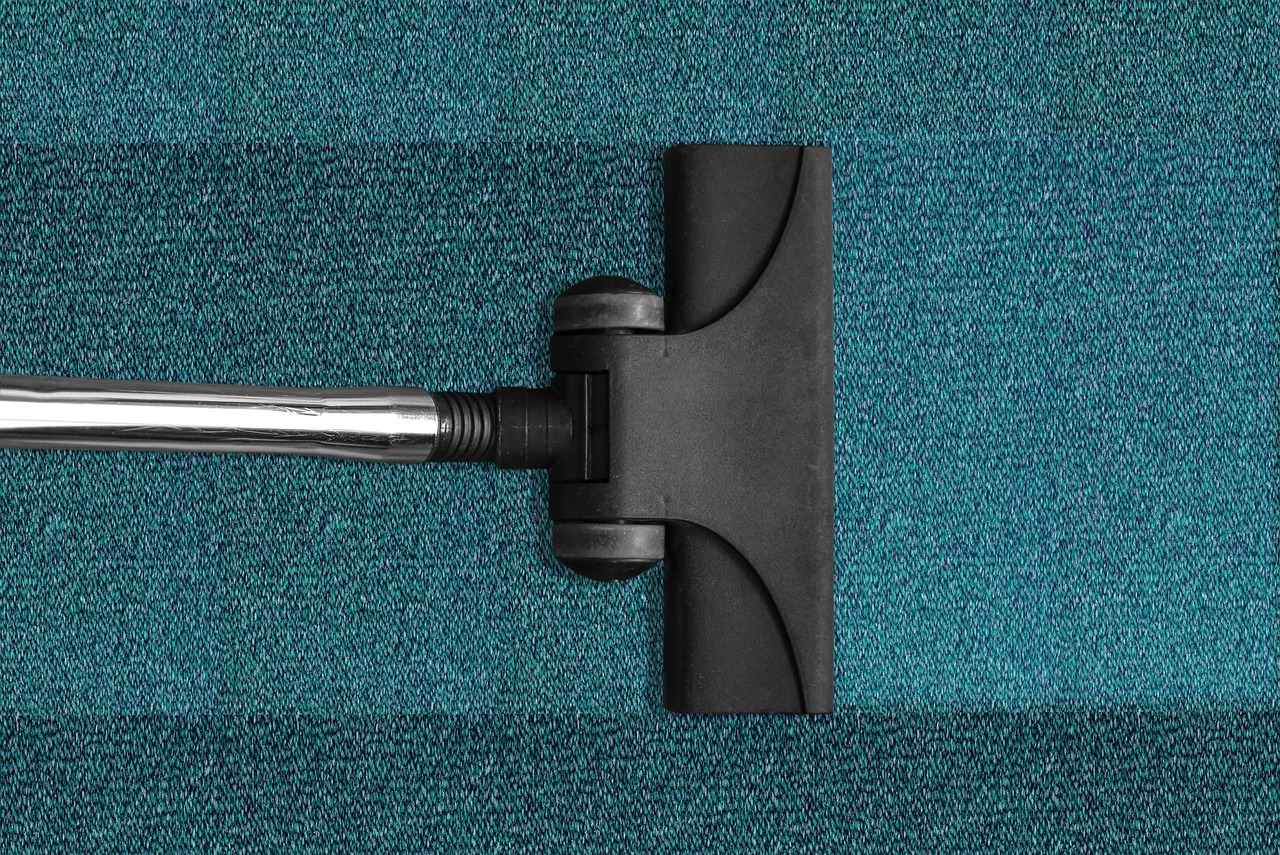
Using a pole sander that has a vacuum attachment will reduce the amount of dust that fills a drywall professional’s work area. The better models of pole sanders will allow the drywall professional to connect to a shop vac that will remove most of the drywall dust before it fills the drywall professional’s work area.
Although the drywall professional will have to get used to the extra weight of the vacuum attachment, the time saved will make up for the weight. After using a shop vac for a few hours, a drywall professional will get used to the weight of the sander attachment. The air quality will be noticeably better with a shop vac that will make a drywall professional want to continue using it while applying mud to drywall.
9. Utility Knife
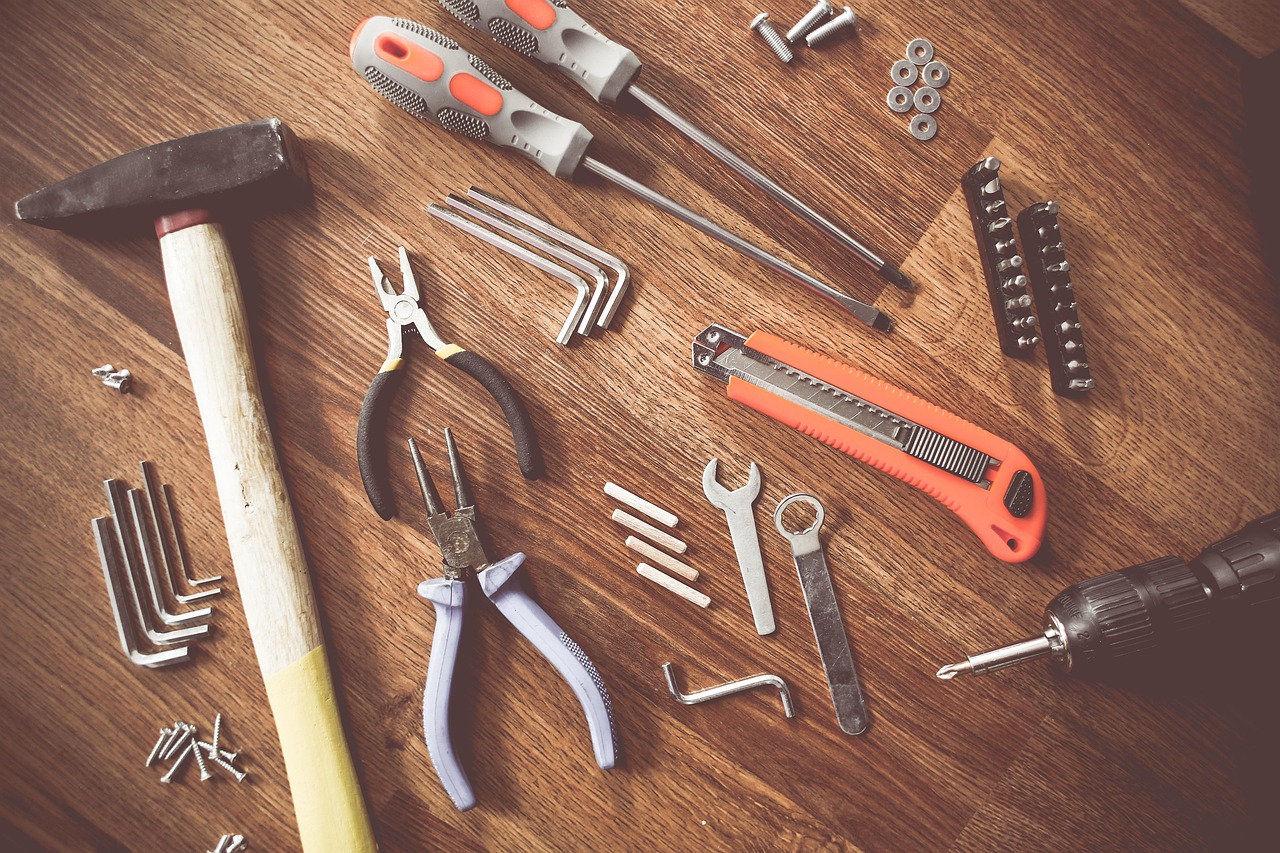
Using a good utility knife will make the drywall professional able to handle all cutting tasks for mud. Using a utility knife will allow the drywall professional to trim drywall tape and open compound buckets. Using a utility knife that is dull will tear the drywall tape when applying mud.
Tearing drywall tape will create bubbles in the mud when it dries. Some drywall professionals will use a razor knife with a segmented blade. These knives will allow a drywall professional to snap the dull part of the blade so that it will have a fresh cutting edge.
Other drywall professionals will use a folding style of utility knife that will allow them to have the tool in their pocket between jobs.
10. Mixing Paddle and Drill
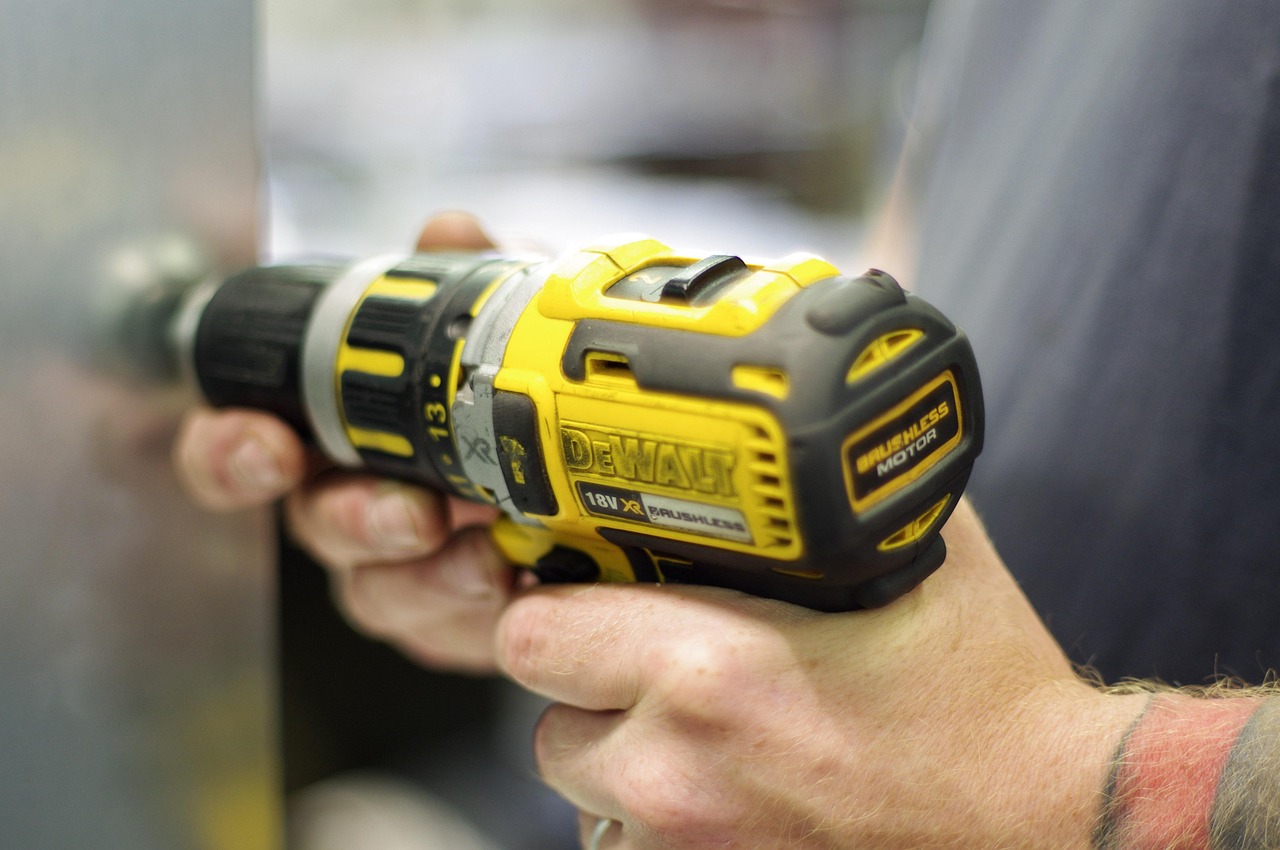
Using a mixing paddle and drill will allow a drywall professional to quickly prepare mud for drywall joints. Using a cage-style mixing paddle will allow the drywall professional to mix mud without adding too many air bubbles to the compound.
When mixing mud, using a low speed and up and down motions in the bucket will allow the drywall compound to fold proper. Using a mixing paddle for drywall mud will save the drywall professional time and effort. Using the mixing paddle will ensure that drywall mud will dry evenly and that there are no lump in the mud after sanding the drywall.
Using a clean mixing paddle will ensure that dried mud is not carried from one job to the next.
11. Finishing Sponges
Using finishing sponges will provide more control in areas where a drywall professional may have difficulty using a knife. High-density finishing sponges have beveled edges to allow them to smooth corners on drywall and smooth around electrical outlets without creating sanding dust on drywall.
Using finishing sponges will allow a drywall professional to properly skim the mud on drywall areas such as bathrooms where there will be no texture on drywall once dry mud is sanded. The downside of finishing sponges is that they will wear out faster than drywall sanding screens.
12. Tool Belt
Using a tool belt or a five-gallon bucket caddy will make it easier for drywall professionals to have their tools within their reach.
Having all the drywall tools within one’s reach will allow for a faster drywall finishing process. The best drywall finishing tools will not be every gadget available for purchase online. The drywall professional should start with the essential tools.
Once these have been mastered, then specialty tools can be purchased to fix specific problems on drywall jobs. By using the best drywall finishing tools for the job, the drywall professional will achieve better results with their drywall applications. Additionally, their back will feel better after the drywall is finished due to spending less time hunched over drywall.
Using the proper drywall finishing tools will make the drywall finishing process more satisfying. Using each of the drywall tools mentioned will make a drywall professional understand why other professionals in the field dont cut corners on their drywall tool kits. By grabbing the essential drywall tools and practicing the process mentioned above, drywall professionals will be able to finish their next drywall job like professionals who know how to finish drywall.
