
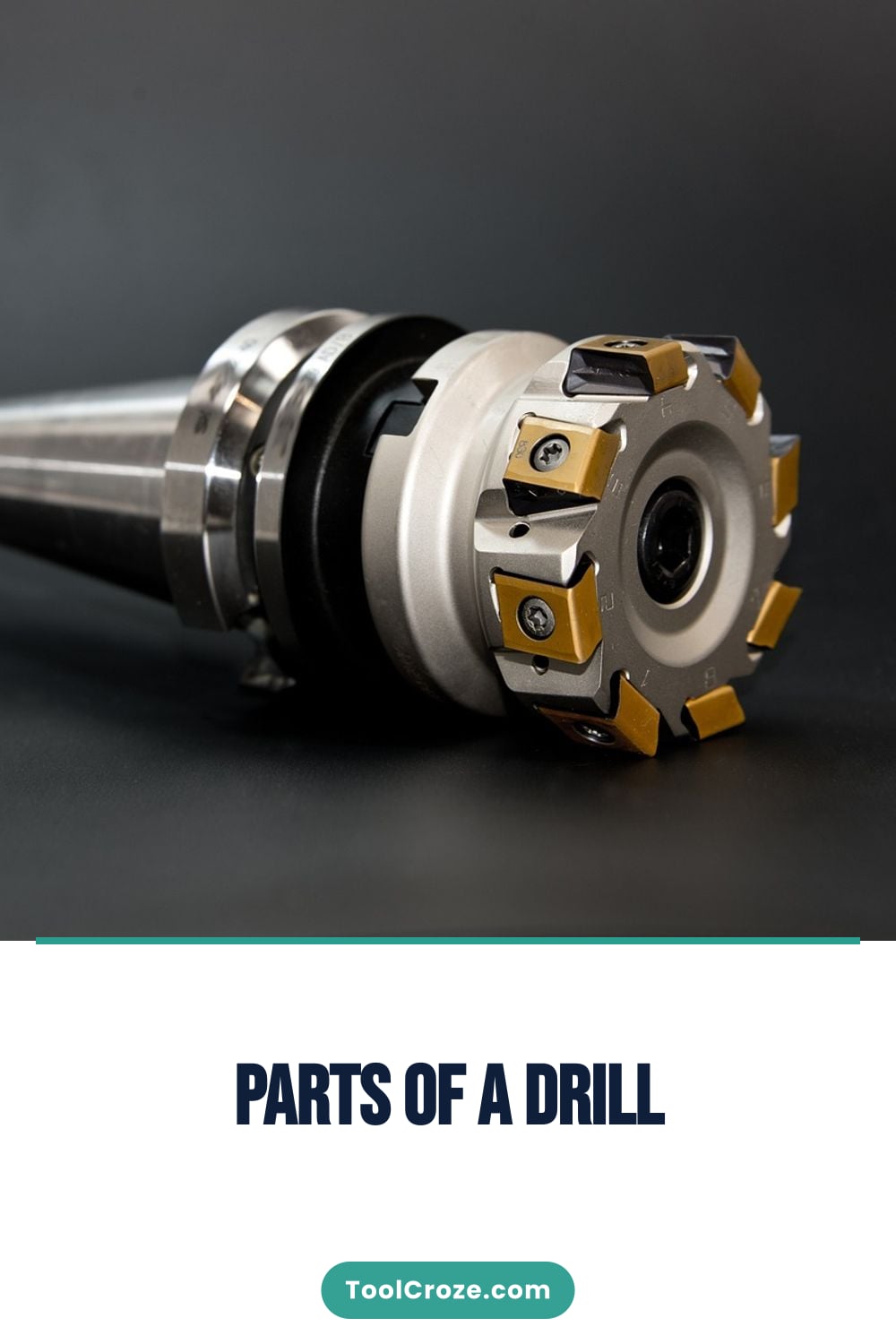
A power drill is an tool that you can hold in your hand. A power drill can bore a clean hole through hardwood in a few seconds. A power drill can drive screws without stripping the screw heads.
Furthermore, a power drill can also mix a bucket of plaster. However, many people treat a power drill as a black box with a trigger. Many people simply take hold of a power drill and hope for the best with their projects.
However, many people wonder at some point why the drill bit is moving across the project’s surface or why the drill motor make a loud sound under the project’s load. By understanding the parts of a power drill, people can change their experience with this tool. They will no longer be fighting with the tool, instead, they will work with the tool.
The difference in each persons experience with a tool correctly used is very significant. The anatomy of a power drill are the same no matter the brand of the power drill. The colors of the power drill may be different from one brand to the next, but the anatomy of the tool will be the same for each brand.
By learning the anatomy of the drill from business end to battery, individuals will have a mental map of the tool. This mental map will allow individuals to diagnose power drill problems, choose the correct accessory for the job, and maintain the power drill to ensure it lasts for many year instead of a few.
Key Components of a Power Drill
1. The Chuck
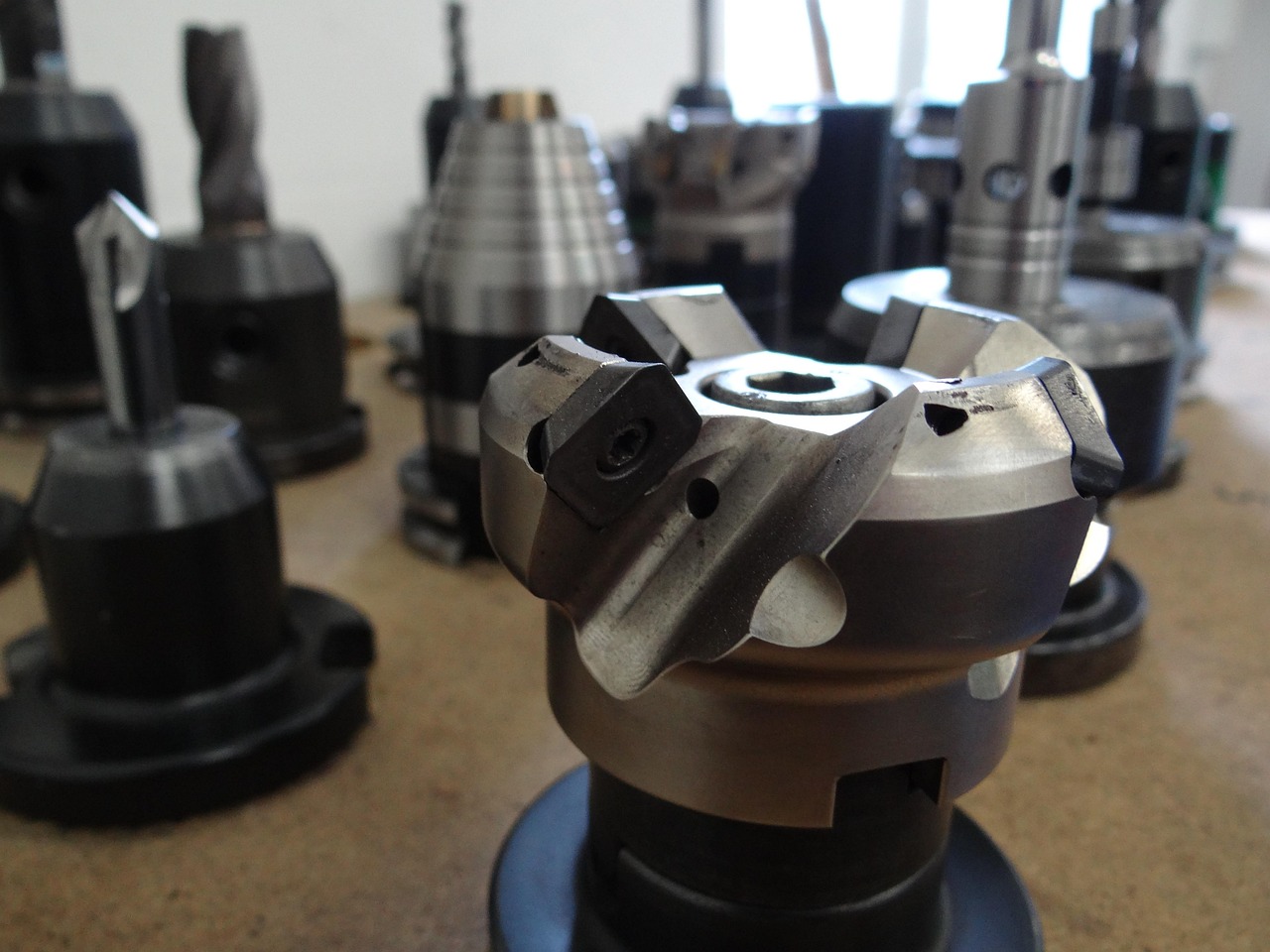
The chuck is the first part to engage with when changing drill bits.
However, this part deserves more respect than the drill usually provide for the chuck. The chuck is the metal part that grips onto the drill bit’s shank. Most drill bits has three hardened steel jaws that the chuck rotates to secure the drill bit into the drill.
If the drill is a keyless model, the user can twist the chuck with their hand to tighten or loosen the drill bit. On older drills that use a key to the chuck, the user must use a wrench that looks like a socket to tighten the chuck. The design of the chuck can take the most damage when people use it improperly.
A drill bit will slip out of a loose chuck; the chuck was the reason for ruined screw heads and drilled holes. Most moddern drills can take drill bits up to half an inch in diameter. However, some heavy-duty drills allow three-quarters of an inch drill bits.
Drill bits must be tightened with the chuck with firmness. However, people must never use pliers on a drill’s chuck. Using pliers will ruin the gearing of the drills chuck.
2. Torque Clutch
The torque clutch is located behind the chuck. This part of the drill has a series of numbers or icons on it so that users can adjust the tool’s torque. This component of a drill allow the tool to be used both as a drill and a screwdriver.
The more the user turns the torque clutch towards higher numbers, the more torque the drill will allow the drill bit to exert before the torque clutch will slip and make a ratcheting sound. High-torque settings allows the drill to work in softwoods with delicate screws. With the high setting, users will not destroy the screw heads or strip the screw threads on wooden projects.
The torque clutch can be turned to the highest setting for boring holes into materials. Many people will ignore the torque clutch until they ruin an expensive screw. By knowing how to use the torque clutch correctly, people will waste less valuable materials when they complete there projects.
3. Brushless Motor
The motor is the heart of the power drill. With quality drills, the motor will be a compact brushless motor. This part of a power drill converts the battery’s electrical energy into the spinning energy to perform work.
Brushless motors will produce more heat than brushed motors. However, brushless motors will last longer than brushed motors. Furthermore, the brushless motors will not wear out as quickly as brushed motors because brushless motors will not have the carbon brushes that wear out of use.
People will feel a difference in the power of the motor over long days of use. The power of the motor will be measured in volts and inch-pounds of torque. Although a 12-volt drill might seem strong when people purchase it, the tool will struggle to bore a two-inch hole into the lumber.
This is the motor reaching its limit. By matching the right motor to the work it will perform, people will prevent the motor from overheating and failing before it should.
4. Gearbox
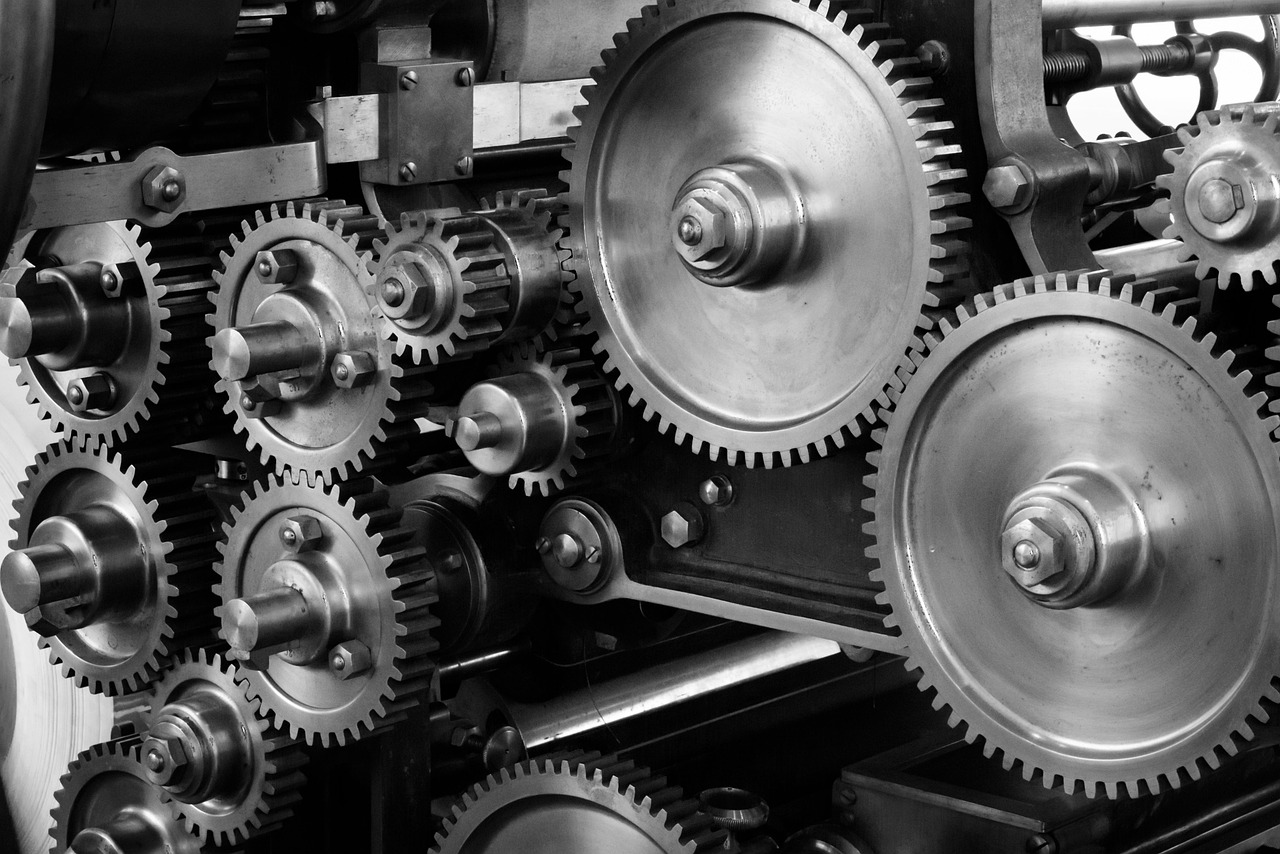
The gearbox is located between the motor and the chuck.
This part of the drill multiplies the motor’s torque or enhances the motor’s speed. Most power drills will have two settings for gears. The low gear will provide the drill with more torque to perform work with large screws.
However, the high gear will allow the drill to spin quick to drill small holes or finish screws quickly. People often will forget to change gears correctly on the drill. If you try to drive a large bolt while using the high gear, the drill will either stall or strip the torque clutch.
Use the low gear to accommodate large screws. Once people get used to the sound that the low gear will make, they will find it easier to complete there work.
5. Variable Speed Trigger
The trigger on a power drill might seem simple.
However, it is one of the most sophisticated components. If a power drill has a variable speed trigger, the user can control how fast the drill’s motor spins with the pressure they use on the trigger. A little squeeze on the trigger might allow the user to start a screw without damaging the workpiece.
By using more pressure on the trigger, the motor will reach its full speed. Many power drills also have a button on the trigger so that the motor will continue to perform work without the user having to squeeze the trigger. People with better quality drills will find that their trigger is more precise to create muscle memory for how much pressure to use on the trigger to get the speed they need from the motor.
Cheap power drills will have mushy or jumpy triggers. Because of the drill bit’s sensitivity to pressure, people using cheap triggers will make more mistakes with the power drill.
6. Handle and Ergonomics
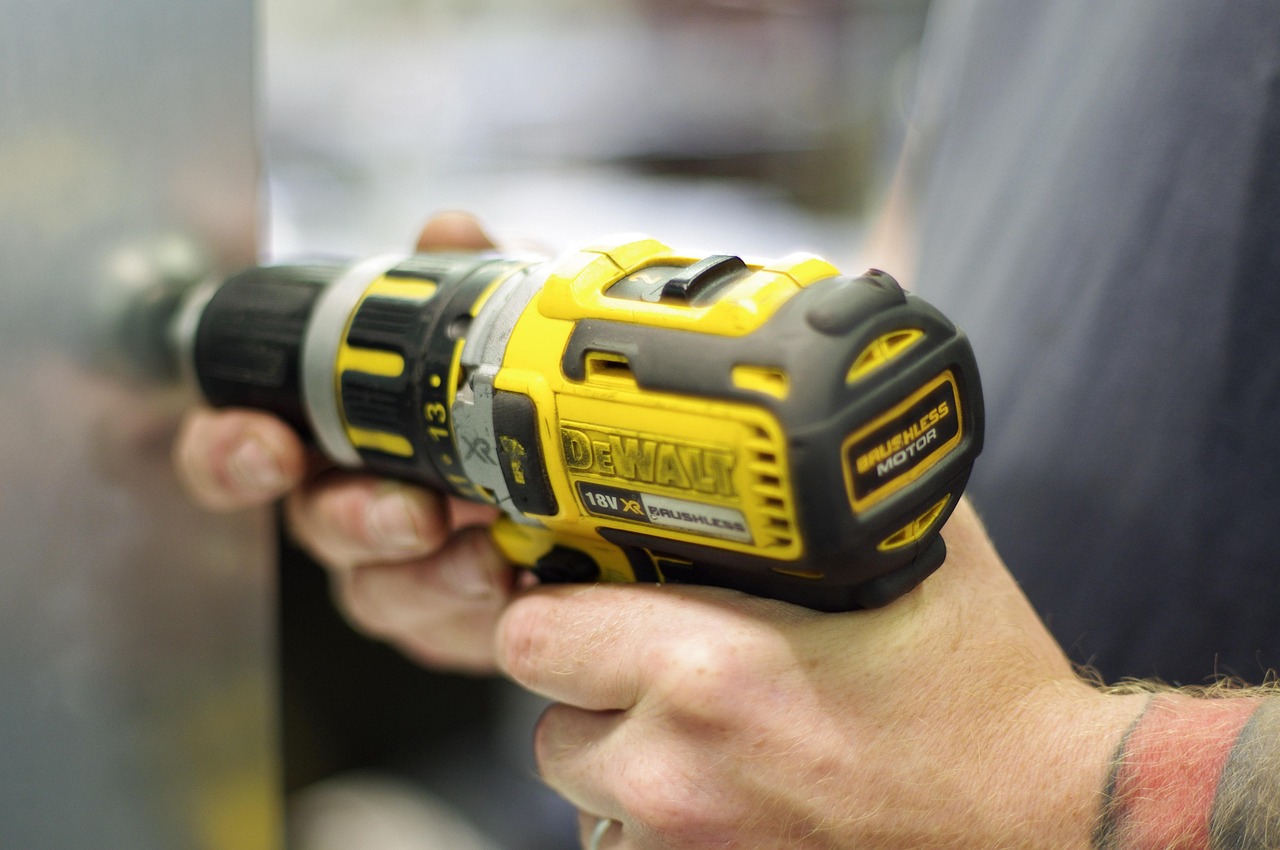
One of the most important parts of any power drill is the handle.
This part of the tool provides people with comfort while drilling. The best handles have rubber on them so that people can have a secure grip on the drill even when they have sweaty palms. The angle of the handle is important to how well people can control the drill.
Quality drills will be balanced to the user’s hand. Some power drills will have a secondary handle that people can screw onto the base of the drill to give better control when leaning into workpieces. If people use a drill with poor ergonomics, they will feel discomfort in their arms the next day.
A drill that feels like an extension of a person’s arm will allow them to work longer periods without discomfort.
7. Battery Pack
Finally, the battery pack for the cordless drill will snap onto the base of the power drill. The battery pack is what supplies the power for the drill’s motor to work.
Lithium-ion batteries have largely taken over from the older nickel-cadmium batteries. Furthermore, lithium-ion batteries hold their charge longer, lithium-ion batteries are lighter in weight, and they do not suffer from the memory effect. The voltage of the battery will determine how strong the motor will be.
However, the amp-hours for the battery will determine how long the battery will work before needing to be recharged. A two-amp-hour battery might feel light in the users hand. However, the battery will not work for many projects as a four or five amp-hour battery.
People can get a better runtime from the higher amp-hour batteries without adding much to the users comfort as the slim lithium-ion batteries are highly efficient. People should of always have a spare battery to use to ensure their work does not cease in the middle of a project.
8. Cooling Vents
Another part of any cordless drill will be the cooling vents located around the body of the drill.
These cooling vents allow the air to circulate over the motor and the electronics. The motor will create heat while in use. The heat must be released to prevent damage to the drill.
People must not cover the cooling vents with their hands or sawdust. Doing so will damage the drill quickly. After people finish heavy work with a drill, they should allow the drill to spin down for a minute to allow the fan to circulate cool air through the drill.
This small step will allow the drill motor to last for many years of work.
9. Depth Stop
Some power drills will have a depth stop to limit how deep the drill bit penetrates the workpiece. The depth stop will be a metal rod that snaps into the side of the drill.
It will allow people to drill to a specific depth. This is helpful when installing cabinet hardware or counter plugs. Some power drills will have built-in LED lights so people can see what the drill bit is doing without shadows on the workpiece.
These small extras are not as important as the other parts of the drill. However, they will be very important to the user when they come into play. These features are the reason people will choose one drill over another.
When people understand how each part of the power drill works, the tool will no longer be mysterious and noisy when they use it. Instead, it will be a precise tool that they master with their projects. Therefore, when people get a power drill, they can take a few seconds to examine the parts of the drill.
They should inspect the chuck, the torque clutch, and the trigger. By taking a few seconds to examine and understand each component, people will find that their work with the power drill will be much better. Furthermore, they will enjoy using their tool because they are using it the way it was designed for people to use their tool.
