
The drill chuck is located at the business end of a power drill tool and performs one of the most important job within a workshop. If a person do not have an effective drill chuck, then the motor for that drill will be useless in performing tasks. People do not usually think about the individual component of a drill chuck until something go wrong with that tool.
However, knowing the role that each component play within the drill chuck can help a person to save time, money, and frustration. Knowing what each component of the drill chuck does will help a person to select the appropriate drill tool for the job. People who use drill bit very frequently will require different drill chuck components than those who use one large auger drill bit for their work each day.
A drill chuck is not one metal component but a group of metal component that work together to achieve a task. By understanding each of the metal components of a drill chuck, a person will begin to recognize details about the tool that they would not have seen before. The jaws are the component that is at the business end of a drill chuck.
Essential Components of a Drill Chuck
1. The Jaws
These consist of three or four piece of steel that allow the drill chuck to grip a drill bit. These jaws are angled such that they can move forward and backward within the drill chuck. These components’ teeth are angled to permit the jaws to fit around both round drill bit and hexagon-shaped drill bits.
High-quality drill chucks will use jaws that is heat treated to increase the lifespan of these components. Drill bits that are cheaply made will wear out quick because these jaws will break down after a person uses the drill chuck hundreds of times to change bits. A person who has experienced situation in which a drill bit spins within the drill chuck has likely had drill chucks whose jaws have become rounded or have debris stuck within them.
To keep these from happening, it is recommended that the person cleans the jaws with a stiff-bristled brush and a drop of machine oil every few months. These jaws deserve to be mentioned first because all the other components within a drill chuck are create to move these jaws and hold them in place. The nut is located behind the jaws on a drill chuck.
2. The Nut
This component is a ring made of steel with internal thread that correspond to the drill chuck jaws. By turning the drill chuck and a drill key, a person rotates the nut. The rotation of the nut forces the jaws either open or close with a great deal of force.
Some drill chucks use a split nut that consists of two half-ring with pins that connect the two halves of the nut. This split-nut design allows for easier replacement of one half of the nut if it wears down over time. This nut is the component that changes the torque that a person exert on the drill to the force that grips the drill bit that is of a half-inch shank and spins at 2,000 revolutions per minute.
If a person does not have a quality nut for their drill chuck, then the nut will require more effort to tighten the drill chuck. Additionally, if a person find that the drill chuck is becoming more difficult to open or close the drill, then the nut is the first component that a person should suspect as the cause of such difficulties. The drill chuck body is the portion of the drill that is the heaviest component.
3. The Drill Chuck Body
It contains the jaws, the nut, and a bearing. The drill chuck body is typically made of both cast steel and aluminum. The drill chuck has a number of groove on the body of the drill chucks where the person can tighten the components with their hands or a drill key.
Additionally, the drill chuck body has spiral thread within its structure that allow the jaws to move in coordination to hold a drill bit. The precision of this component is more critical than many people realize. On hammer drills, the drill chuck body must be strong enough to withstand the impact on the drill bit.
For this reason, drill chucks that are used professionally are heavier than those that are manufactured for other uses. For these reasons, the drill chuck body will last for many year and will not allow for the formation of a gap between the drill bit and the drill chuck. The collar is also referred to as the adjustment ring.
4. The Collar (Adjustment Ring)
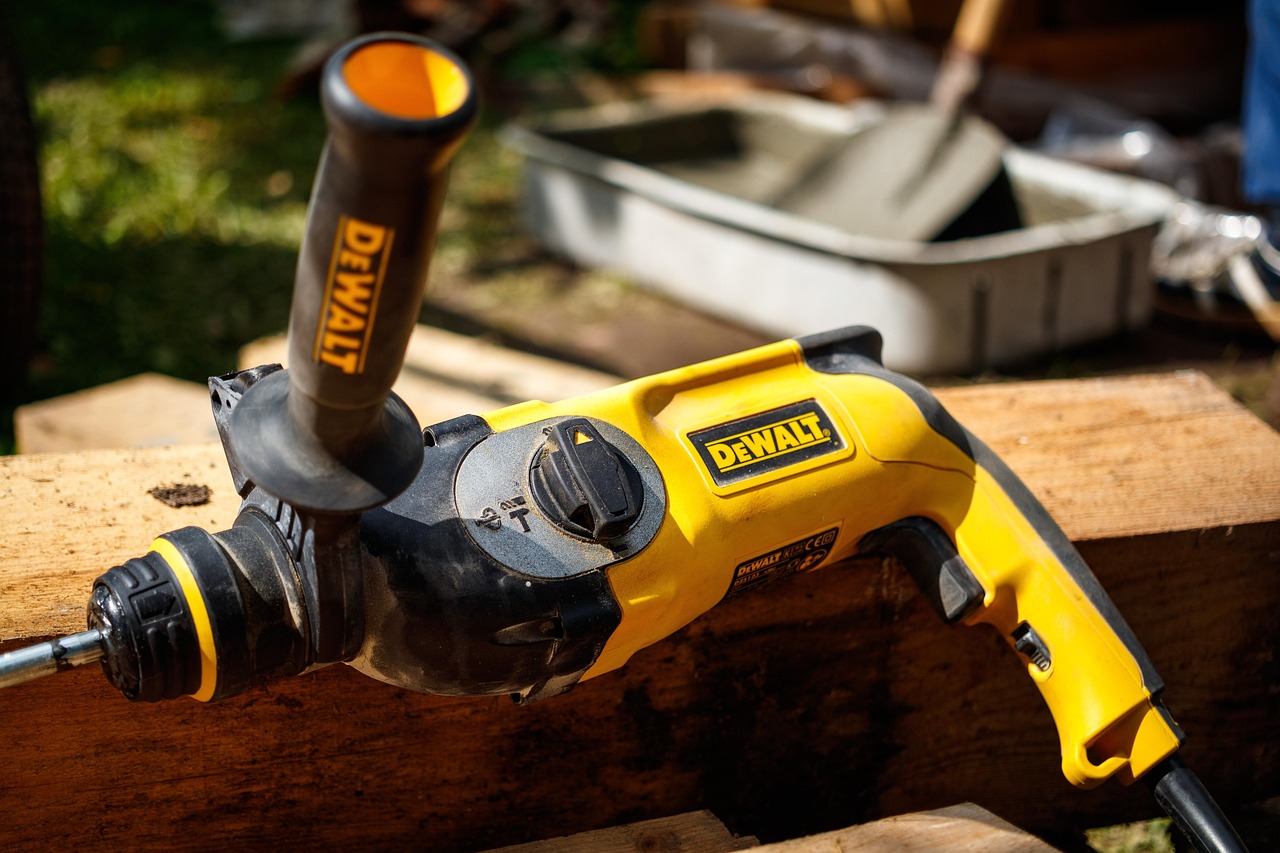
This component is the portion of the drill that the person’s finger touches when changing drill bits on a drill chuck that does not require a key to adjust its size. These collars have knurling or rubber grip that provide the person with the leverage to tighten the drill chuck. Additionally, some collars have numerical marking to show the size of the drill bit that is within the drill chuck.
Some drill chucks have a ratcheting component on the adjustment ring that click as the person tightens the drill chuck. This clicking noise indicates that the jaws of the drill chuck are in a fully tightened position. The function of the adjustment ring is to provide a way for the person to quickly and easy adjust the size of the drill chuck without the use of any tools.
This is the main reason that keyless drill chucks are used in the manufacturing of cordless drills. If a person experiences any slipping of the adjustment ring within their hand, or if the adjustment is found to be loose, then the internal thread of the drill chuck have been worn down with extensive use of the drill bits. The spindle thread is the portion of the drill bit that connects the drill chuck to the drill motor.
5. The Spindle Thread
The threads are of a size of 1/2-inch with 20 thread per inch. However, other sizes of drill bits exist and use different size of threads for the spindle thread. If the spindle thread is not concentric with the drill motor, the drill bit will wobble as it rotates.
Some drill bits have the drill chuck pressed into the motor. Other bits have the drill chuck with threads that connect to the motor and have a set screw that holds the drill chuck in place. The threads on the drill bit are a detail that separate those who own drills that have lasted many years from those who find themselves purchasing new drills every few year.
Prior to inserting the drill bit into the motor, the threads should be cleaned to ensure that the drill bit is correctly align. Within the drill chuck is a bearing that can be either a ball bearing or roller bearing. If a person does not have a bearing within their drill chuck, then it will require a great deal of effort to tighten the drill chuck, and the drill bits will wear down quick due to the friction between the drill bit and drill chuck.
6. The Bearing
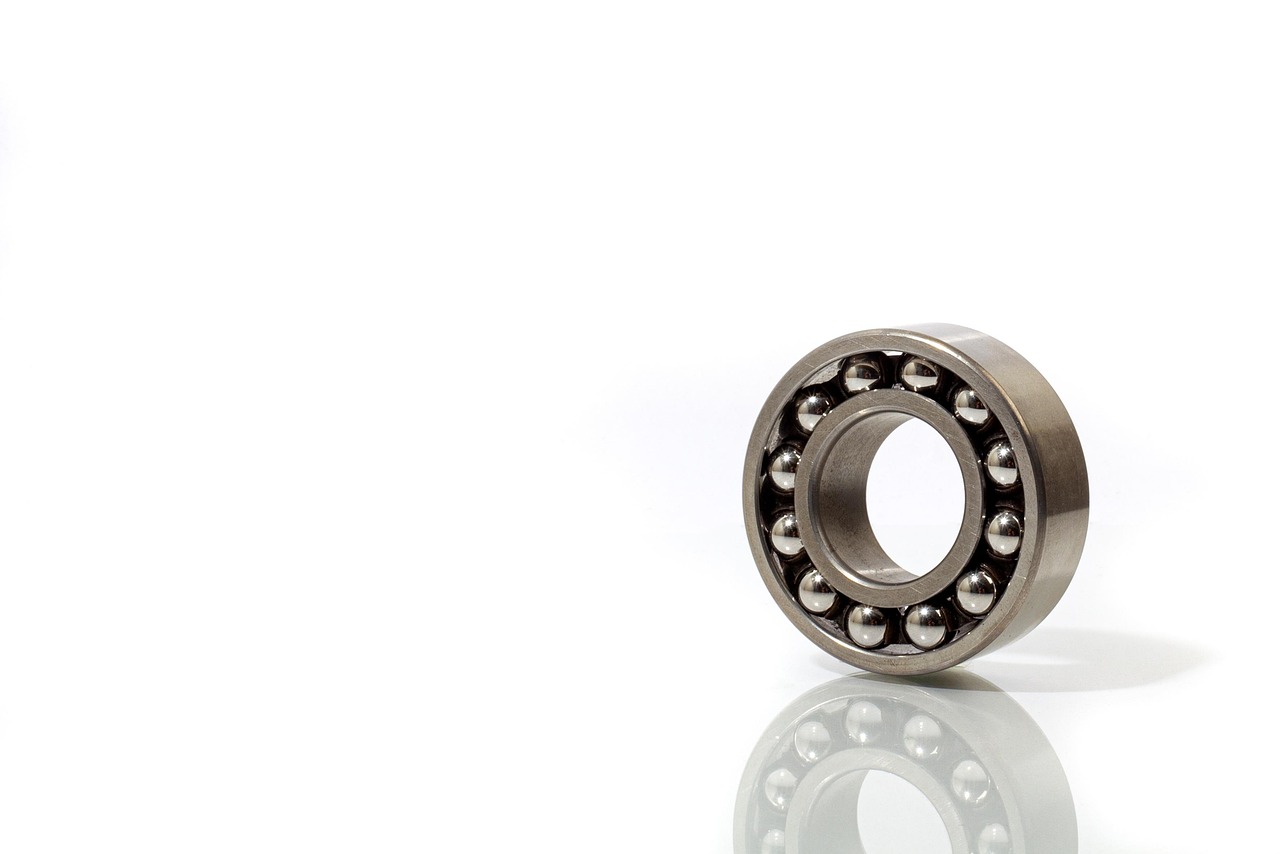
Higher-end drills feature sealed bearing that exclude dust and wood chip from entering the drill chuck. The person will notice the bearing when they spin the drill chuck by hand. The better quality the drill bit is, the smoother the bearing will feel to the person rotating the drill chuck.
The smoothness of the drill chuck indicates how much torque the person can exert on the drill bit before their hand slip on the drill chuck. The chuck key is the most preferred method of tightening chucks for professionals in the field. This tool features a T-shape and features a gear that connect to the teeth on the drill chuck.
7. The Chuck Key
The force that a person generates by rotating the chuck key is multiplied such that it creates a much higher pressure on the drill chuck than the person could create with their finger alone. The chucks come in different size to fit the teeth on the drill chucks on the drills. If a person loses their drill key, they will need to purchase another set or use pliers as an emergency tool.
Many people find a way to attach the drill key to the drill by attaching it to a string that is connected to the power cord of the drill. Using a drill key takes an extra step when compared to tightening the drill with the drill’s adjustment ring. However, the key is the tool that is used to secure large drill bits.
Some keyless drill chucks feature a rear sleeve. This sleeve is used for a number of purpose. It has mounting thread for the drill bit.
8. The Rear Sleeve
Additionally, some design of drill chucks have a built-in drill bit holder or a drill depth stop on the drill bit. Furthermore, the rear sleeve of a drill chuck protects the drill chuck from damage should the drill bit be dropped. If this sleeve is dented or bent, it is a visual indicator of the abuse of the drill bit and the damage that it can cause to the drill chuck.
The component of the drill chuck work very effectively for the various use of a drill bit. When a person understands each of the components of the drill and how they interact with each other, a person will have an appreciation of the complexity of the tool. A person will begin to notice when the drill bit need to be cleaned, when a drill bit is chipped, and when the bearing within the drill chuck is experiencing difficulties.
By understanding these component, a person feels a sense of comfort and confidence when they use this tool. The next time that a person picks up a drill, it is important to take a few second to examine the drill chuck with fresh eyes. These metal jaws do more work than the person may realize when using the drill.
By giving these component respect, the person will experience more success with their projects and the drill bit will go more smoothly from the first hole that is bored.
