
When a person looks closely at a drill bit, they will recognize that this tool carries the entire responsibility for every hole that a person makes. If a person selects the wrong drill bit for a specific piece of work, then they will waste drill bits and frustration, as they may find themself burning through bits, overheating their drill, or making ragged hole in their workpiece. However, if a person understands the five key part of a drill bit, they will be able to control their drill bit to produce great results.
Most people dont pay attention to these five parts of drill bits until they experience problems with there drill bit. When a person squeezes the trigger on their drill bit, these five parts of the drill bit will work together for a split second of physics that will determine whether the drilling of a workpiece was a success or a failure. While learning about these five parts of a drill bit does not require an engineering degree, a person must pay close attention to the parts of drill bits and why they touch the workpiece.
By understanding the five parts and how they work together, a person will no longer buy drill bits based on their color or price. Instead, they will purchase drill bits based off the workpiece they will encounter and how well each part of the drill bit will perform in such an environment.
The Main Parts of a Drill Bit
1. The Tip
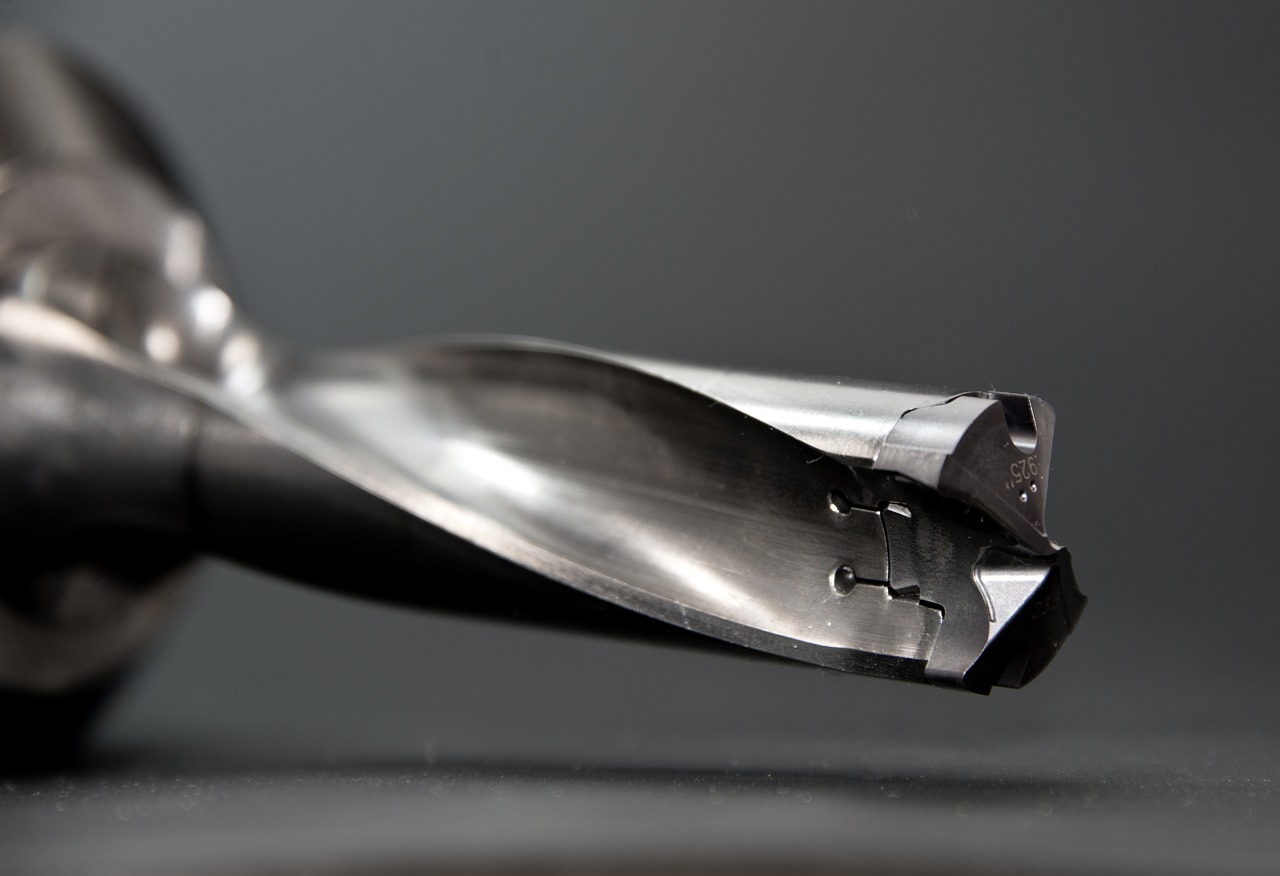
The tip of the drill bit is the part of the drill bit where the work begins.
Depending on the make of the drill bit, the tip may feature a chisel point or a pilot point. Twist bits usually feature a chisel tip created from the intersection of the two flutes. This blunt chisel tip scrapes the workpiece rather than cuts it.
Consequently, more pressure is required to start drill bits into workpieces. For those drill bits made for masonry work or drilling into concrete, a carbide insert that features four sharp edges replaces the chisel tip. These sharp edges fracture the brittle materials rather than scraping against them.
Drill bits with a pointed chisel tip often wander on hard workpieces. Split-point drill bits feature an extra grind on the split tip that features four cutting lips instead of two. Split-point drill bits will take a firm bite into the workpiece, and they wont wander as much as other drill bits.
This is why split-point drill bits are worth the extra cost if a person is drilling into metal workpieces or requires the best possible accuracy in their workpieces.
2. The Body
The body of the drill bit is the part that sits behind the tip of the drill bit. The body of the drill bit features the flutes on its body.
The size of the body of the drill bit will determine the size of the hole that the drill bit will make. Additionally, the length of the drill bit’s body will determine the flexibility of the drill bit. A longer body provides more reach into the workpiece.
However, it will flex more when drilling into a workpiece. Flexing drill bits can wander on a workpiece or snap while drilling into a workpiece. Drill bits with shorter bodies will be more rigid in their workpiece and ideal for various production workpieces.
3. The Flutes
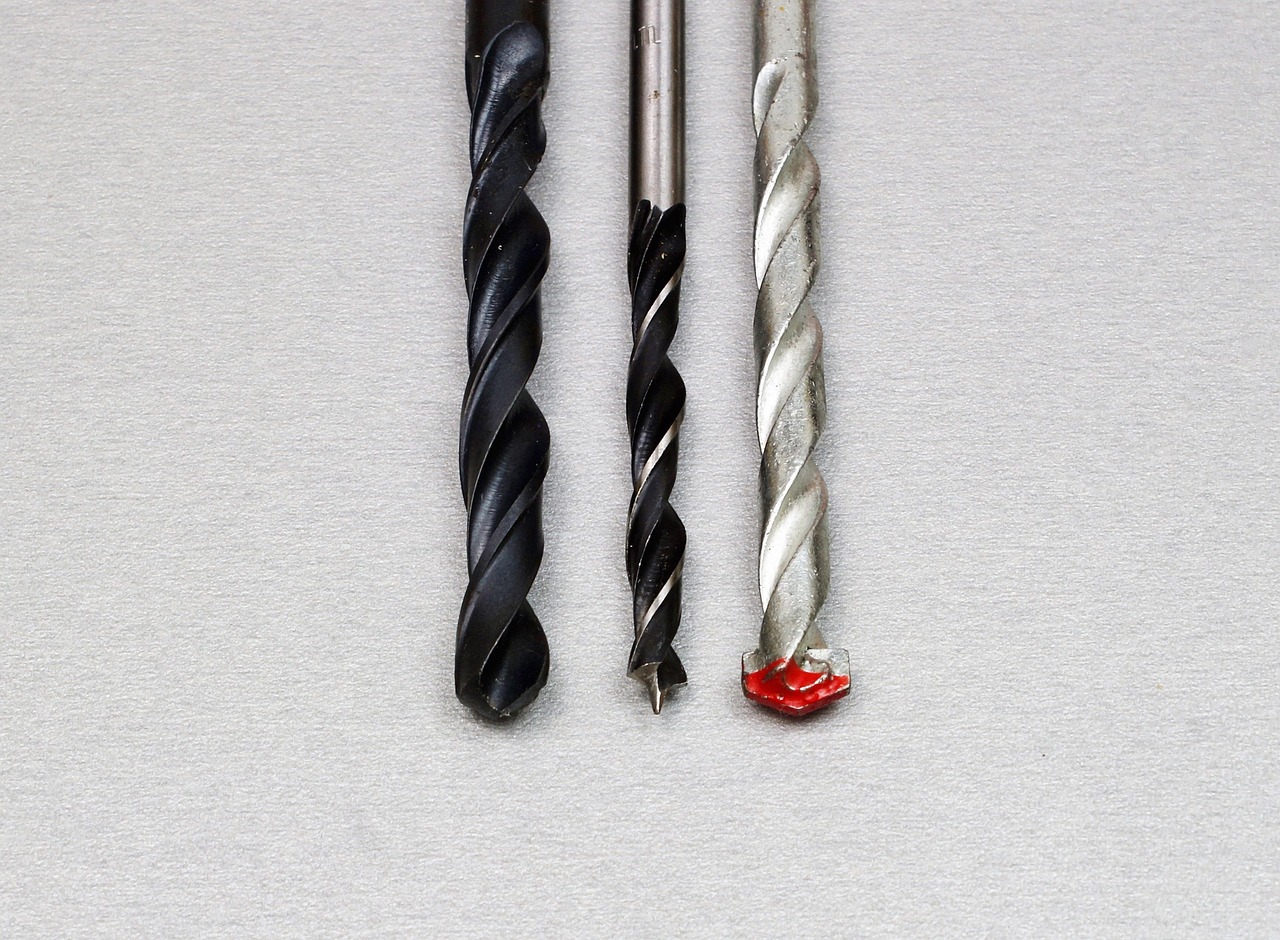
Drill bits will feature the flutes on their body. The spiral grooves on the drill bit are not for show. There are three jobs that the flutes of a drill bit will perform at the same time.
First, the flutes will channel the cut material out of the workpiece. Second, the flutes will reduce the friction between the drill bit and the workpiece. Third, the flutes will feature the cutting edges of the drill bit that will cut the workpiece.
Drill bits with wider flutes will channel the cut material out of the workpieces quickly, especially when drilling into soft woods. However, the wider flutes weaken the drill bit. Drill bits with narrow flutes will take more time to drill into metal workpieces but may get stuck in workpieces such as aluminum.
A drill bit with a steeper spiral for its flutes will help the drill bit remove the chips out of the workpiece quickly. However, it will also aggressively grab onto the workpiece for certain types of wood workpieces. A drill bit with a shallower spiral for its flutes will cut the workpiece smoothly.
However, it will do so at the expense of the drill bit having to remove the cut material out of the workpiece. Weekend warriors who do not take the time to understand the anatomy of the tool they use to make workpieces often ignore this last part of the drill bit. Drill bits with different geometries will easily perform work on a workpiece while other drill bits that feature the same appearance will have difficulty.
4. The Lands
The lands are the parts of the drill bit that are left over after the flute is cut. The lands determine how much the drill bit rubs against the wall of the drill bit’s hole. Furthermore, the lands also determine how well the drill bit stays centered as it spins.
If the lands are too wide, then there will be significantly increased friction between the drill bit and the hole. This will cause the drill bit to overheat. If the lands are too narrow, then the drill bit will lose stability when drilling into the material.
This will result in the drill bit creating an oversized hole or a hole that is out of round. However, many drill bits feature relieved lands; a tiny amount of metal has been ground away so that only a thin strip of the land contacts the hole. This relieves the land and reduces the drag that the drill bit will experience.
Furthermore, the relieved land retains its ability to guide the drill bit. When a person drills into a deep hardwood hole, they will notice the difference that relieved lands provide to the drill bit. The drill bit with relieved lands will last the person much longer when drilling into hardwood compared to a drill bit that features full-width lands for its drill bit.
5. The Shank
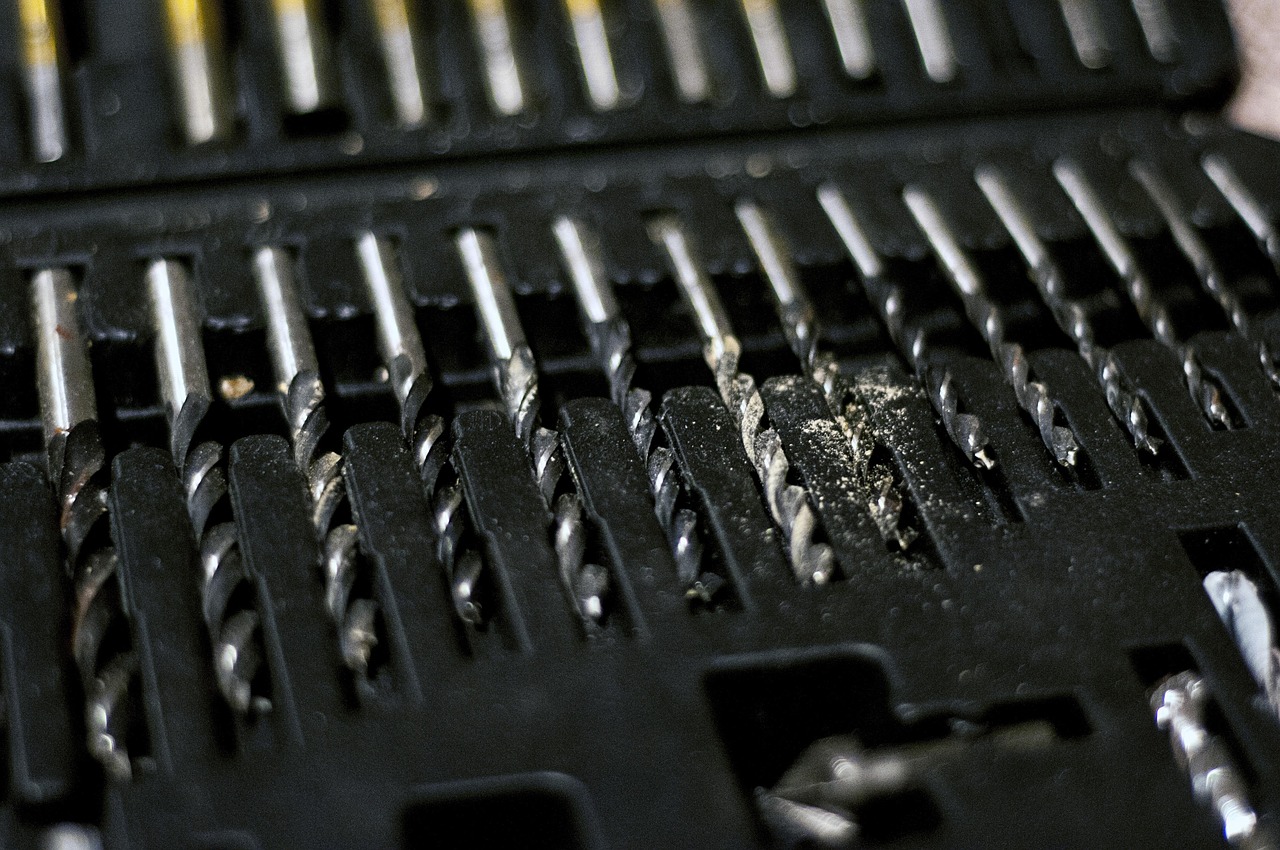
The shank is the part of the drill bit that fits into the drill’s chuck or collet. The shank seems to be the least important part of the drill bit. However, if the shank does not match with the drill, the person can ruin their drill bit and waste their money.
Most drills feature round chucks, but drill bits feature hex shanks that allow the drill bit to lock into the chuck. This prevents the drill bit from spinning within the drill while it is applying heavy loads to the drill bit. This feature of the drill bit saves the person time on the job sites.
Some shanks are reduced in diameter at the end of the shank so that the drill bit can fit into smaller chucks while the cutting end of the drill bit remains at full size. This small weak point in the drill bit can easily break if the product is forced to drill into harder woods than it is designed for. To prevent the shank from breaking, drill bit manufacturers include a radius at this weak point.
SDS drill bits used in rotary hammers also include special grooves in these shanks. These grooves allow the drill bit to move forward and backward within the drill bit. Using a drill bit with the wrong type of shank will destroy the drill bit and destroy the person who owns such a drill bit.
6. Material and Coating
The final elements of a drill bit are its material and its coating. These are not the geometric parts of the drill bit; however, the drill bit’s material and its coating are the factors that will determine the lifespan of the other features of the drill bit. High-speed steel (HSS) is a material used for most drill bits.
HSS contains a balance of steel and other elements that allow for high levels of toughness and sharpness. For drill bits that are used in materials like stainless steel and titanium, manufacturers use cobalt in the drill bit to increase its resistance to heat. Drill bits that are made of carbide elements are used for cutting into materials like concrete, tile, and hardened steel.
Any drill bit made of metal that is softer than carbide will quickly dull when drilling into these materials. Drill bits have different types of coatings to multiply their base properties. Black oxide treatments are used on most drill bits to provide increased resistance to corrosion.
This oxide helps the chips created by the drill bit to slide out of the drill bit. Another popular coating is titanium nitride. This treatment creates a surface that is both hard and slippery so that it reduces the drag or friction that the drill bit will experience while drilling into the material.
Furthermore, the titanium nitride layer will wear down to the point where the person is aware that it is time to replace the drill bit. Diamond coatings are used on drill bits that are used for masonry projects. These coatings will allow the drill bit to quickly cut through rebar and granite.
However, the diamond coating will shatter if the drill bit is forced to exert sideways pressure on the material. Each coating has its strengths and weaknesses. The best method is to ensure that the drill bit’s coating matches the material it will drill into.
When combined, the tip, body, lands, shank, and material create a piece of engineering. If a carpenter changes any one of these five elements of a drill bit, the performance of that drill bit will change. A carpenter who understands each of these elements of the drill bit will not struggle with their drill bit.
The drill bit will extend out of the carpenter’s drill and will create clean, accurate holes with minimal effort. The next time a person reaches for a drill bit, they should take three seconds to think about the parts of a drill bit. They should ensure that the drill bit’s tip is appropriate for the material.
The flute should match the type of chips the person will create when drilling. Furthermore, they should ensure that the shank will not break under the load that the drill bit will have to bear. By taking a moment to think about these parts of the drill bit, a person transforms from someone who randomly purchases drill bits to someone who understands their tool.
In this way, the drill bit has not changed, but the carpenter’s knowledge of the parts of a drill bit has caught up with the tool.
