

When you are considering which drill bit to use for a specific task, it can seem as if you are engaged in a processes of guesswork. However, once you understand the material of which drill bits are made, you will no longer feel as if you are guessing with every drill bit that you select. If you enter a hardware store, you will see numerous drill bits on the shelves.
Most of these drill bits will be labeled with various metals and letters that indicates the material of which the drill bit is made. However, if you do not select an appropriate drill bit for a certain task, you may experience various issues. For instance, the drill bit may overheat during its use or may quickly become dull.
Additionally, the drill bit may even snap in half while you are drilling into your project. The material of the drill bit will dictate many things about the drill bit, including how long it will last and what types of materials it can cut without experiencing any problem. Many people do not appreciate the importance of drill bit material.
Instead, people tend to select the cheapest drill bit or one that came in a set years ago. Unfortunately, this isnt the best strategy for those who use drill bits regular. Instead, people can save themselves countless hours and purchase fewer drill bits by selecting the appropriate drill bit and understanding the differences between drill bit materials.
Common Types of Drill Bit Materials
1. High-Speed Steel

Drill bits can be made of many different material, but the most common are high-speed steel, cobalt, carbide-tipped, solid carbide, and titanium nitride coated bits. High-speed steel drill bits are the most common drill bits that people purchase and use. These drill bits are made of a blend of steel that contains tungsten, chromium, and vanadium.
Additionally, high-speed steel drill bits can handle a variety of materials. Another benefit of using high-speed steel drill bits is that they will remain sharp for a longer period of time than cobalt bits. Additionally, you can sharpen these drill bits numerous times using a bench grinder.
Drill bits made of high-speed steel are used for a variety of materials. For instance, you can use high-speed steel bits to drill into wood, plastic, or soft metals like aluminum. High-speed steel drill bits can tolerate the amount of heat that is created while drilling these types of materials.
However, when you are drilling into steel, you must use cutting oil to avoid overburning the drill bit. Drill bits made of high-speed steel are relatively inexpensive, so individuals can purchase a set of drill bits of various sizes for their maintenance projects.
2. Cobalt
Cobalt drill bits are another common material for drill bits. People use cobalt bits for drilling into hardened and stainless steel. Cobalt drill bits contain between five and eight percent cobalt that is mixed into the high-speed steel. This cobalt increases the heat resistance of the drill bit.
People will notice the difference when using a cobalt drill bit when the drill bit can run hotter during operation and can drill through the toughest metals in a matter of minutes. The downside of cobalt drill bits is that these bits are brittle. Cobalt drill bits are used for production and occasional projects involving exhaust manifolds, tool steel, and medical-grade stainless steel.
Cobalt bits are more demanding of individuals skill with the drill. Additionally, individuals will have to maintain cobalt bits with a large amount of lubricant. If an individual drops one of these bits on the ground, such as a concrete floor, the bit may chip.
However, someone who uses cobalt bits for there hard metals projects will find that the cost of these bits is worth it after a few projects.
3. Carbide-Tipped

Carbide-tipped drill bits are one of the more specialized drill bit materials. Instead of making the entire drill bit out of carbide, manufacturers place a carbide insert on the tip of a steel drill bit.
The benefit of making drill bits with carbide inserts is that they are extremely hard and can handle the heat while drilling into materials such as concrete, bricks, and tiles. Additionally, the carbide insert can stand temperatures that will melt the high-speed steel bits. However, the downside to carbide-tipped bits is that once the carbide edge wears down, it is more challenging to sharpen the bit.
However, if you are drilling into the same materials, carbide-tipped bits will provide increased speed of drilling and longevity of the drill bit.
4. Solid Carbide
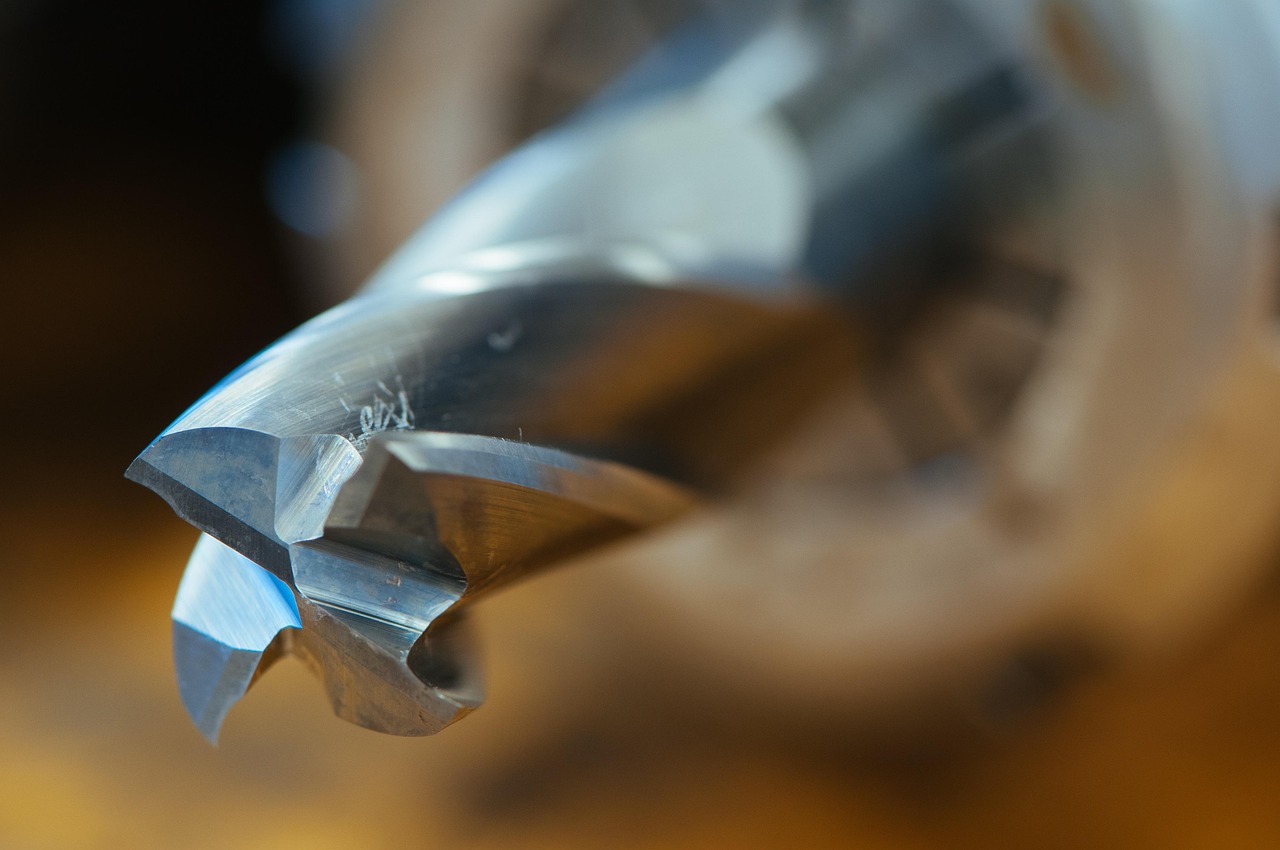
Solid carbide bits are even more specialized and are made entirely of carbide. These bits are used in CNC machines and for precision work in the manufacturing sector.
Additionally, solid carbide bits will not deflect when drilling into the materials and will maintain the geometric shape of the drill bit. However, solid carbide bits are much more expensive. Additionally, solid carbide bits are brittle and may shatter if an individual drops the drill bit from a height.
However, solid carbide bits are perfect for engraving metals and drilling hundreds of precise holes into projects.
5. Titanium Nitride Coated
Titanium nitride coated bits have a thin coating that gives them an appearance of being dipped in gold. This appearance is due to the fact that titanium nitride coats these bits, which is very hard.
Additionally, drill bits with this coating will run cooler and last longer than bits without this treatment. These bits are used for drilling into metals, but also for driving in numerous screws without stripping the screw or burning the screw head. However, the coating will wear down with the use of abrasive materials.
After the titanium nitride wears down, a high-speed steel bit will be left. However, the purchase of these bits is worth it for anyone looking to upgrade their drill bit collection.
6. Black Oxide
Black oxide drill bits are another budget-friendly drill bit material. Drill bits with a black oxide coating are more resistant to corrosion and have less friction than bits made of bright steel. However, the black oxide treatment on drill bits will help the bit retain lubricant. For individuals drilling into numerous metal projects, such as steel, the retained lubricant will ensure that the bit does not overheat.
Black oxide bits will not perform as well on the toughest metals. However, the price of these bits makes them a good purchase for anyone who works with metal but does not need the most out of their drill bits.
7. Diamond-Coated
Diamond-coated bits are used for the most challenging materials. For instance, instead of metal, drill bits use industrial diamonds. These bits are used for drilling into stone, ceramics, and porcelain tiles. For these materials, any other drill bit will shatter the material.
The downside of drill bits with diamond coatings is that they are more expensive and fragile than drill bits with metal shafts. Additionally, you must take care when drilling with these bits so that the diamonds are not stripped from the drill bit. However, for anyone looking to drill into a ceramic tile or a glass bottle, these drill bits will transform an impossible task into an easy project.
Each of the drill bit materials mentioned has a specific use and purpose for which they were created. The cobalt in the drill bits would be wasted if the bits were used on wood projects. Additionally, the diamond-coated drill bits would be unnecessary for projects like hanging a picture frame.
When individuals understands the strengths and weaknesses of each material, they can stop struggling with their drill bits and start working with their tools effective. The next time you are in a hardware store or looking at drill bits for your projects at home, the secret to finding the perfect drill bit for your project will not be in the brand or color of the bits. The secret will be in the material of the bits and whether or not that material can be used for the project that you are completing.
If you take the time to select the appropriate drill bits for your projects, you will save yourselves money and have your drill bits last for longer.
