
The DeWalt Impact Connect PVC cutter is a handy way to turn your impact driver into a powered pipe cutter. It’s pretty simple to set up. Mount it on your tool then adjust head.
A nice feature is the 360-degree swivel head that help when you’re working in cramped areas. It makes for clean, fast cuts with no muss and fuss.
Impact driver vs drill driver
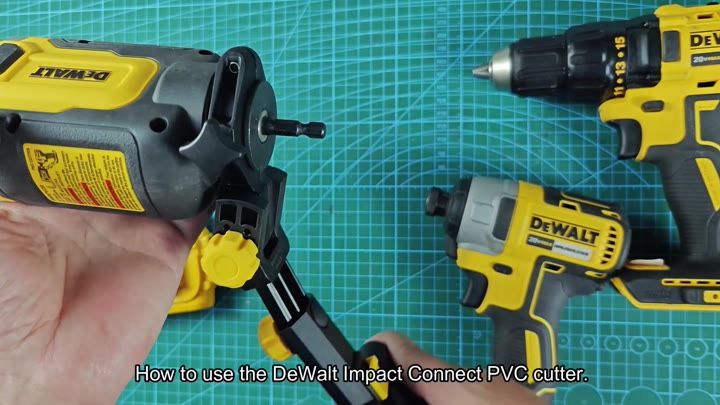
We wanted to test it out in the field and see how it work.
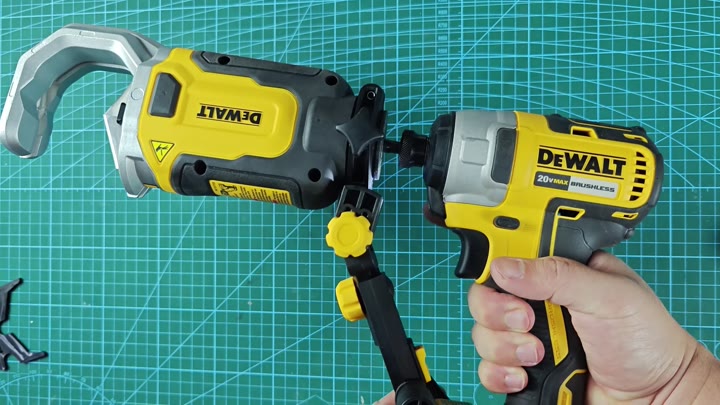
The system was simple to set up. On the workbench sat a DeWalt 20V MAX cordless impact driver. That’s the centerpiece. An adapter system made specificly for this line of tools and accessories connects the tool.
The link seems solid and tight. No play, no wobble whatsoever in the setup. This is because you’re working with hard plastic pipe.
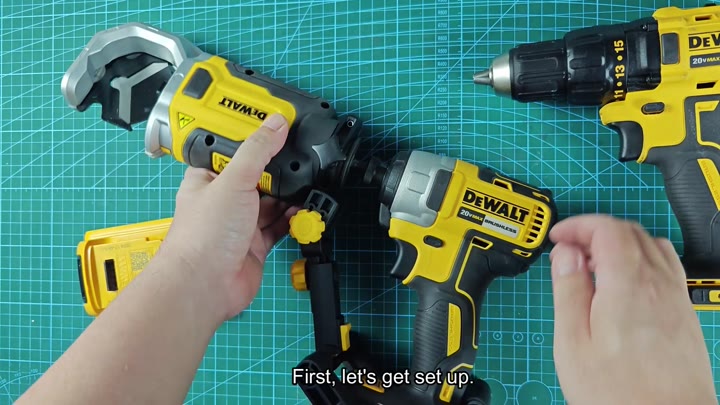
Make sure the attachment is seated correctly before starting.
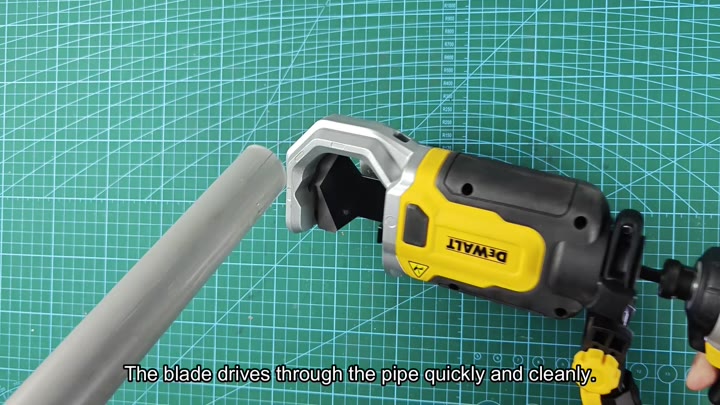
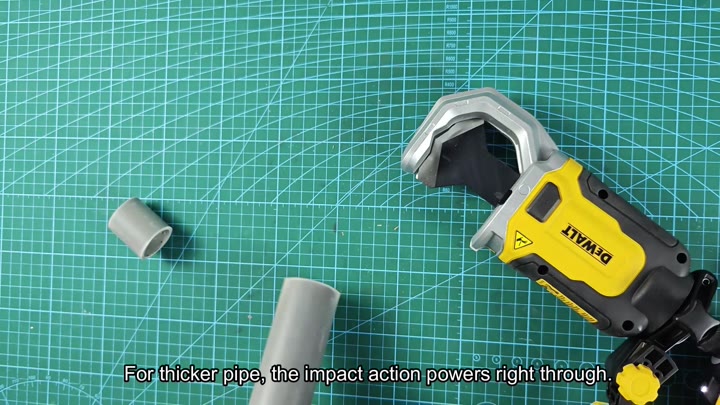
The action is fast-cutting.
The blade cuts through the PVC pipe cleanly and quickly. It doesn’t bind or hesitate at all. The impact action work well on thicker pipe. The hammering mechanism powers through without stalling. It easily handles resistance.
Cut edge is smooth and is ready to accept fittings. In most cases, you don’t need to sand or deburr it.
Saved some time on this project.
But maybe that’s not necessary; perhaps a regular drill driver would do the same thing. You know what? Most folks has one of each. So it makes sense to think they’re interchangeable.
We tested out that hypothesis. Turns out you can get the attachment on your drill without issue. And then…uh oh. The results weren’t even close. The difference in performance became obvious immediately.
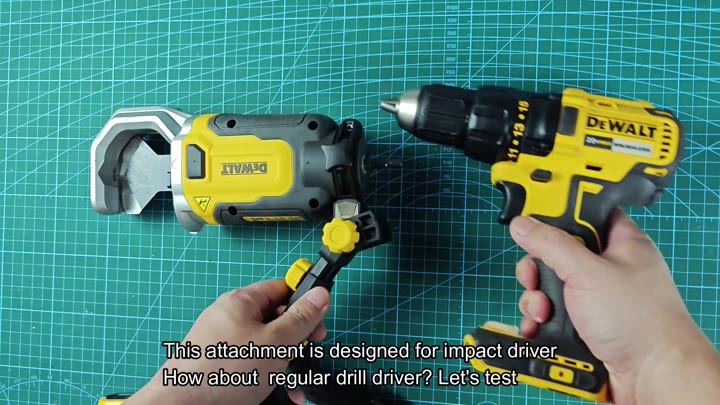
That made for a stark contrast.
For the test we mounted the cutter on an ordinary drill driver. While the tool is made to mount in impact drivers, this test maxed it out. As soon as the drill caught the blade, it started the cutting action. The tool spun around and cut through the pipe.
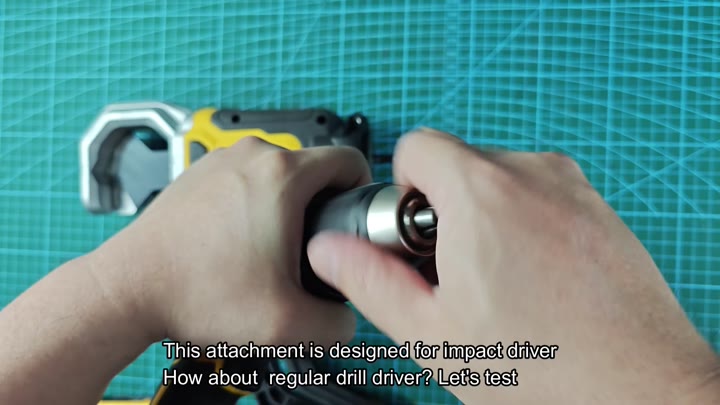
It didn’t totally stall out. However, it definitely didn’t cut well at all. It had jagged, unfinished looking edges. It wasn’t a clean cut. It was more like a chewed up mess.
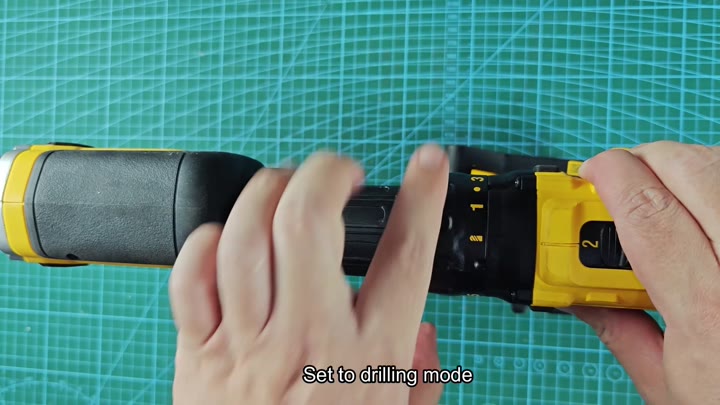
The drill was set to drilling mode. This ensures maximum rotational speed for the test.
Drill driver test
So the drill went into drilling mode. In drilling mode it runs at max RPM’s during the test. You can see in the picture that the drill icon is clearly visible on the selector dial. So I gave the tool the best shot I could.
With settings optimized as much as they were, it wasn’t good. Without any impact force behind it, there was a significent difference. The blade couldn’t keep a straight path. It jumped around and tore across the surface.
Even with optimal settings, the outcome was poor. The lack of impact force made a huge difference. The blade struggled to maintain a clean path. It skip and jagged along the surface.
It wasn’t pretty.
After doing both, it was evident which one was better. While you could get away with using your regular drill driver, the cut wasn’t always clean. They end up being all jagged and need to be cleaned up more.
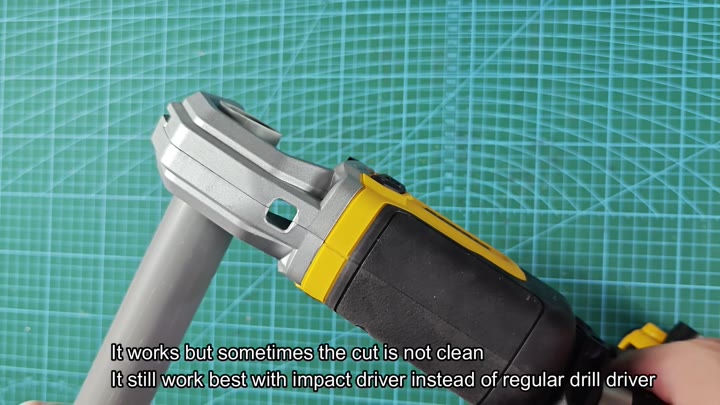
This job is definitely better served by an impact driver than your regular drill driver. The quality of your final finish is much better. The rough pieces were discard.
The rough pieces were discarded.
Using a regular drill driver can result in a waste of material because the cuts are so rough.
But with the impact driver, you have both precision and control. Its hammering action allow the blade to bite down into the plastic. You can keep it straight throughout your cut.
With the drill driver, all you get is rotation. And that’s insufficient to produce consistent results. I was pleasantly surprised by how much better the impact driver did. Clean cuts were well worth the additional tool.
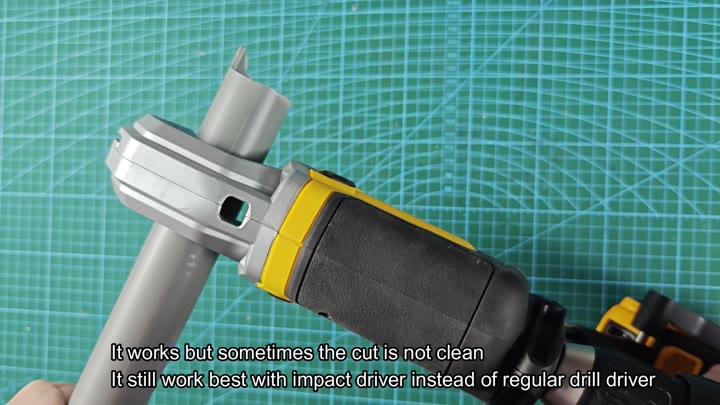
The verdict is a definite win for plumbing projects.
In conclusion
Stick with what you’re supposed to use. It’s faster and easier with an impact driver. Your cuts will be clean each time.
Drill driver is a back up if anything. In a pinch it may work, but don’t count on it.
It is an impressive system called the Impact Connect. It turns a basic driver into a multi-purpose cutter. As they say, take the manufacturer’s word for it. Use the proper tool for the task. It makes all the difference.
