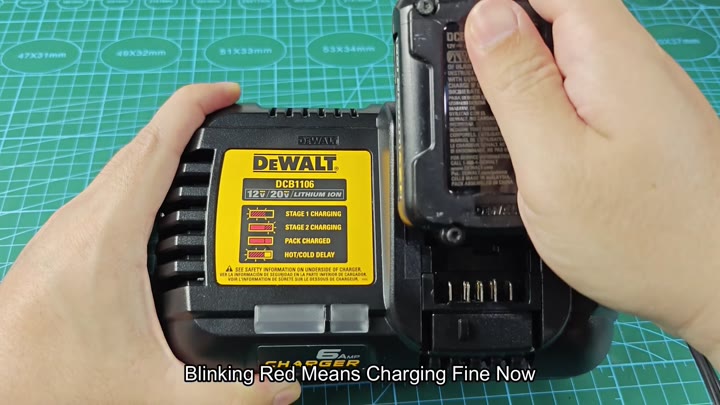
Tossing your DeWALT 12 V pack in the trash when it won’t take a charge makes sense. At least that’s what you think until you read up on how easy it is to bring one back to life with just a quick reset. No big repair necessary.
It’s not until then that I thought about replacing cells and gave it a go.
Method Two: Using Power Supply
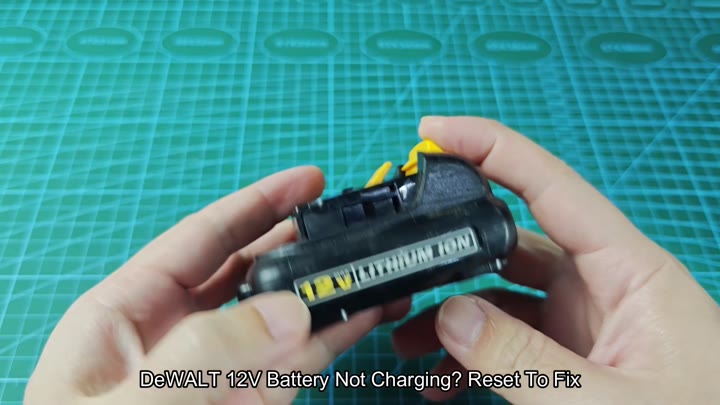
It is easier than most thinks.
First, you take one of your spare Makita 12V batteries to use as a donor, grab it and make it your jump-start battery. “We basically want to fool that protection circuit,” you explain. We just need to reset the protection circuit.
So now comes the tricky part: identifying terminals. Find out where the positive and negative terminal are on each pack.
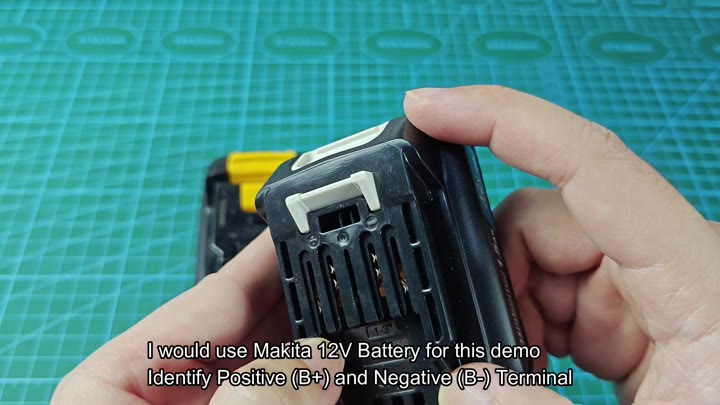
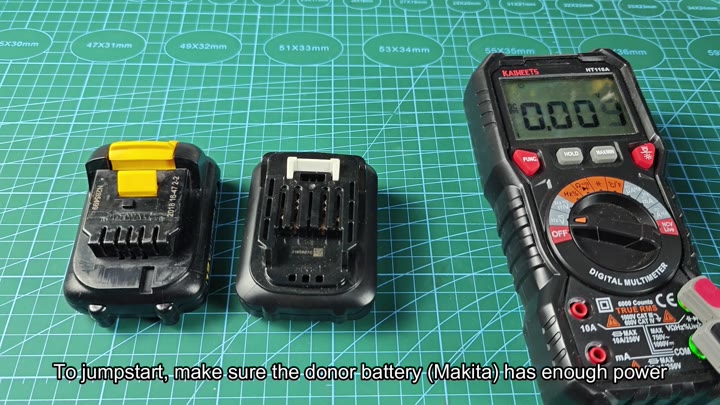
No running the donor battery down before hooking it up. Hooking it up with a battery that has no juice isn’t going to force any charge down the wire, what’s the point of doing that?
Verify the voltage is sufficient to bridge the gap between the two units. It needs to be a good solid direct connection. Avoid sloppy wiring or bad contact spots based off of mistakes.
From there, just hook up the positive lead of your Makita battery to the B+ terminal on the DeWALT pack. Connect negative lead to the matching B- terminal. Double check for polarity; it does matter. Maintain a firm grip and hold everything in place throughout.
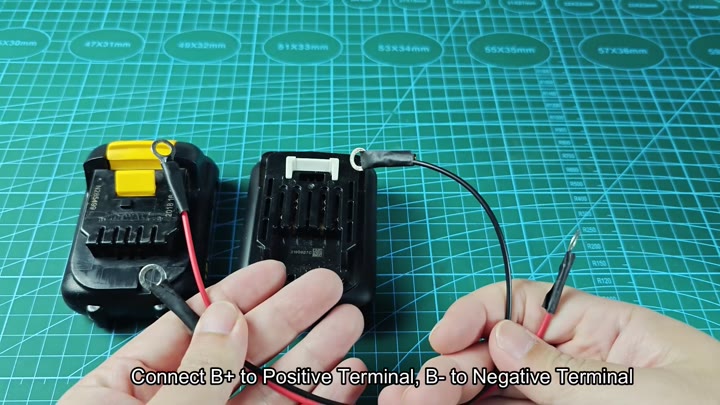
With current flowing, you won’t experience any shaking or movement.
For about 15 seconds the wires remains connected. Sometimes it takes a little longer for some units to fully respond. All along you’re looking out for any signs of trouble.
No smoking and no melting of wires means immediate disconnection. Under no circumstances will you short circuit anything. Safety always comes first with lithium ion cell.
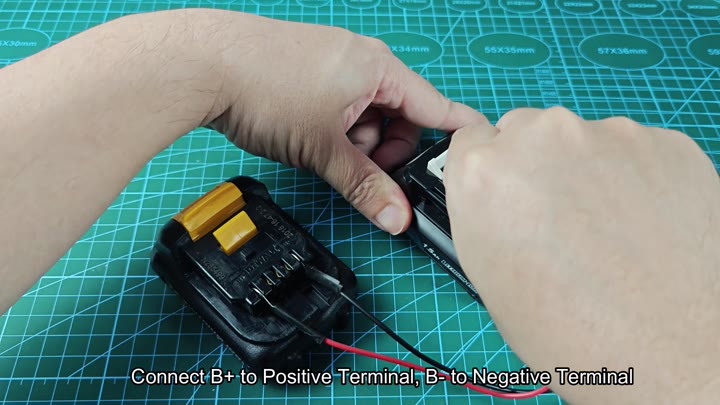
Then, once enough time has passed after the interval, remove the leads safely. Your battery will then be able to take a regular charge. Previously it was just stuck in a protected state.
Many people finds this jump-start method quite effective.
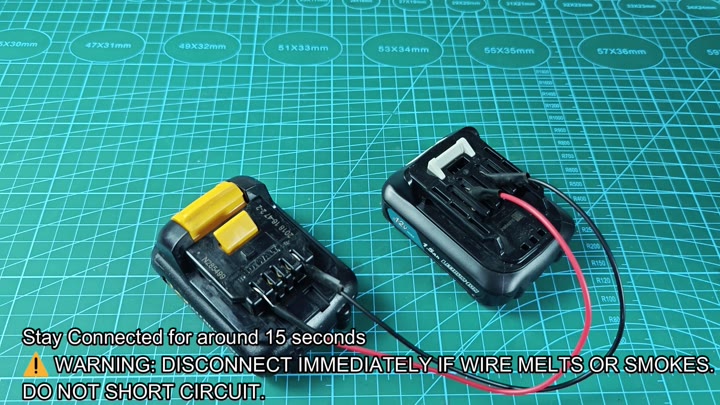
There’s no need for any special tool. You just need a second compatible battery.
Alternatively, you could of had a regulated DC power supply with its output set at 12 V, maxing out the current to 1 A. Connect those outputs in parallel to your B- and B+ points on the DeWALT pack. Let it go like this for that brief period. It’s the equivalent of a jump start via electricity alone.
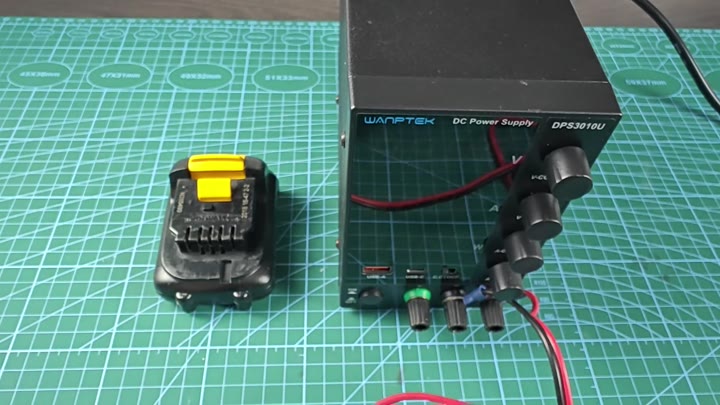
For this application, the voltage is very important. Running too hot can fries components inside. For that reason, you just leave it on 12 V.
And because of the current limit, when it’s resetting, it won’t take to much juice. It will deliver power steadily and in a controlled way. It is much better than guesswork from who knows where.
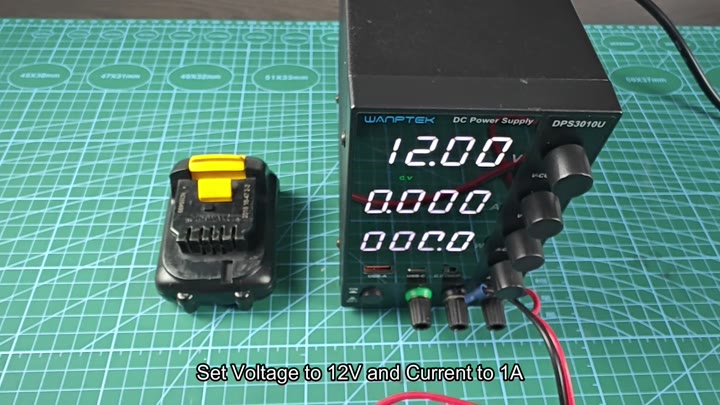
Then you leave it plugged in for about 15 more seconds. During that time, everything reads out as steady on the display. There are no up and down fluctuations. These signs point only to success.
Only once the entire allotted time is over do you unplug. This allows the management chip to read it correctly as the reset signal.
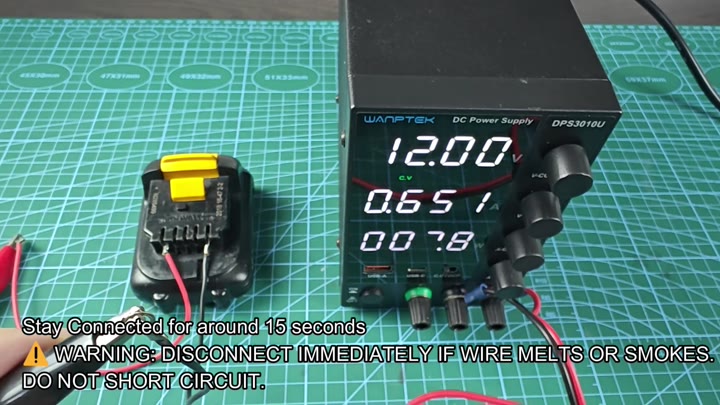
If it’s getting hot, you’re watching for immediate disconnection needs. If you see melting wire, that’s a very serious issue inside the battery cell itself. If you see smoke, that means there’s something critically wrong on the inside.
These are no-go warning signs which you don’t ignore. You stop what you’re doing and thoroughly inspect your hardware before going any farther.
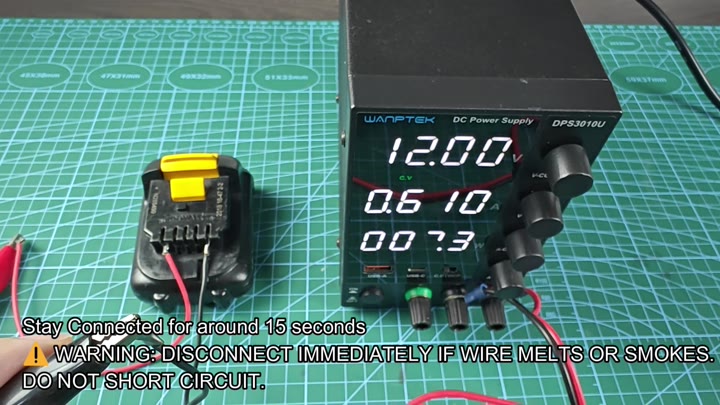
Better safe than sorry with those high capacity cells.
After resetting it, you put your pack back in the charger like usual. Just like always, the indicator lights start flashing red. That means that the charging system are working normaly again.
The battery awakens fully. It’s an effortless solution for what appears to be a dead unit. Worth a shot without dropping cash on a replacement.