
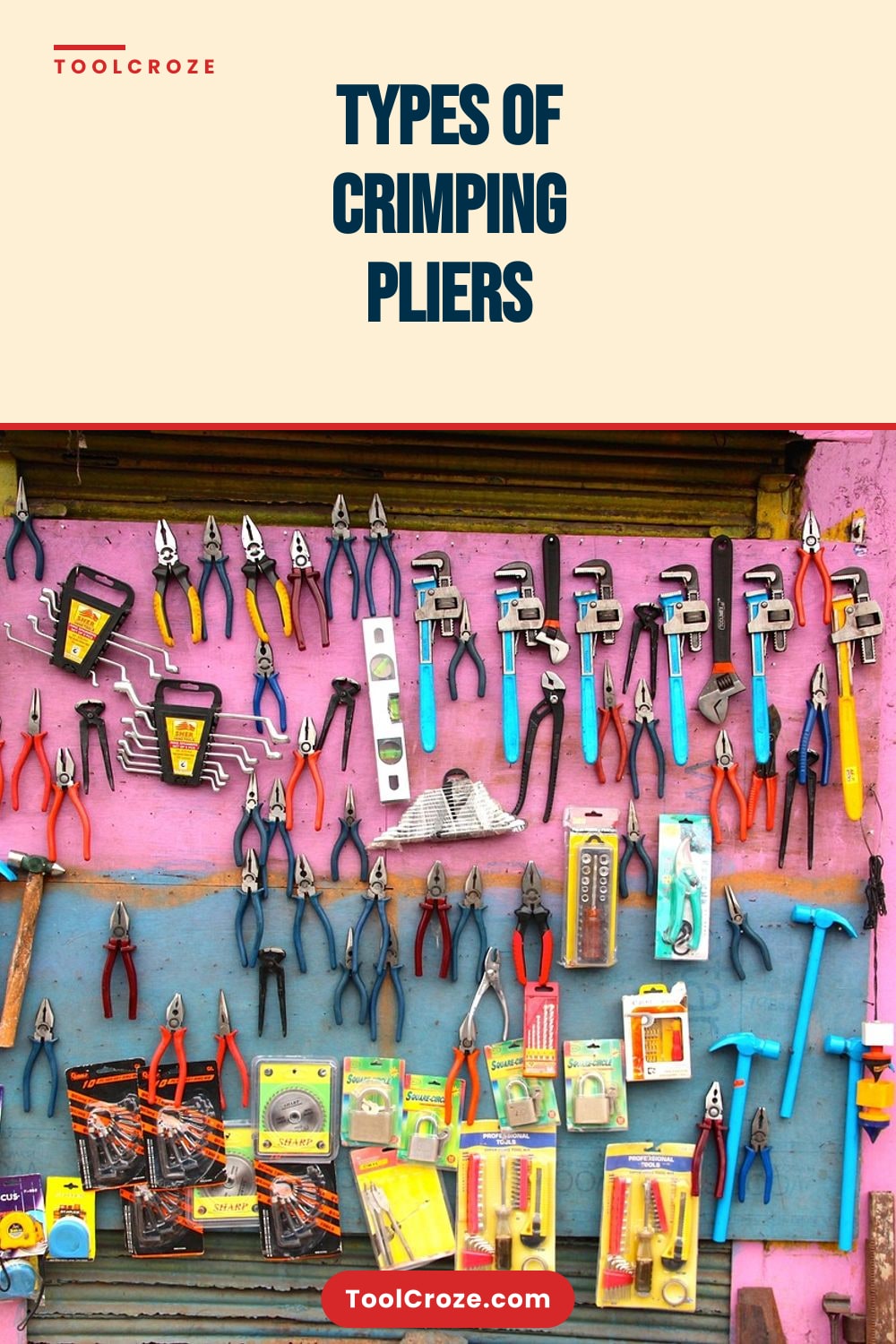
As Crimping Pliers Can Become More Important When Observing Someone Utilize the Wrong Pair
Crimping pliers may appear to be just another tool in the drawer. However, crimping pliers can become more important when observing someone attempt to secure a critical electrical connection using the wrong pair of crimping pliers. Using the wrong crimping pliers can lead to the formation of electrical connections that fail when they should not.
Whether the person is working on automotive wiring, home electronics, or industrial electrical equipment, using the correct type of crimping pliers will produce electrical connections that can last many years of use. Understanding the Main Varieties of Crimping Pliers
Understanding the main varieties of crimping pliers will help the user to recognize the correct crimping pliers for the job. By understanding the varieties of crimping pliers, the person will be able to avoid purchasing a set of crimping pliers that could potentially cause difficulties in performing the tasks that are required of the crimping pliers.
Each variety of crimping plier has been created for specific types of materials, specific sizes of electrical connectors, and specific requirements of the force that must be applied to the electrical connectors. By understanding the differences between each variety, the user will be able to choose the correct crimping pliers for there needs.
Main Varieties of Crimping Pliers to Know
1. Manual Crimping Pliers
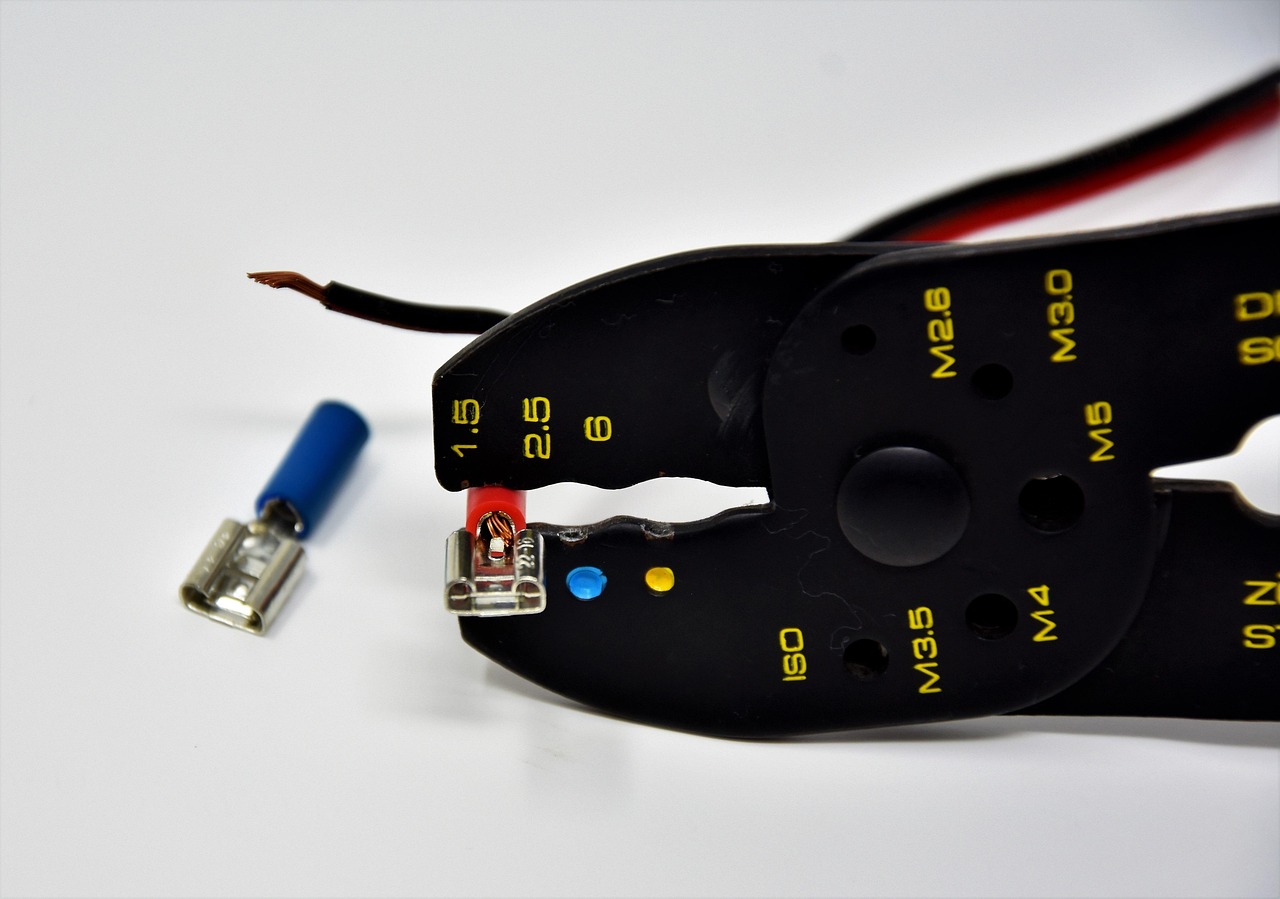
The first variety of crimping pliers is the manual crimping pliers.
Manual crimping pliers have the same appearance as heavier versions of needle-nose crimping pliers. The jaws of manual crimping pliers is of the shape that allows them to fit into the majority of electrical connectors. These crimping pliers rely upon the strength of the person’s hands to perform the crimping action.
Due to the requirement of only the strength of the human hand to perform each crimp, manual crimping pliers are lightweight and portable. Manual crimping pliers have a limited range of uses; they can be used to secure spade terminals, ring terminals, and butt splices, and they can only be used with wires with a gauge up to 10 AWG. Manual crimping pliers are the simplest type of crimping pliers.
They dont contain any complex designs or mechanisms. Their simplicity ensures that there are fewer parts that can fail the tools and that there is minimal maintenance that must be performed on the tools. However, if a person must continually perform crimps with these tools, the hand fatigue that results from extensive use will lead to inconsistent results.
Manual crimping pliers are best for people who have occasional use for the tool.
2. Ratcheting Crimping Pliers
The next variety of crimping pliers is the ratcheting crimping pliers. These crimping pliers are the type that professionals use in their workshops or electrical boxes.
These ratcheting crimping pliers feature a geared mechanism that locks the jaws in place until the crimping pliers reach the proper pressure for the wire or connector. Once the crimping pliers achieve the proper pressure, the crimping pliers will release with a click. Since these crimping pliers cannot under-crimp or over-crimp the wire or connector, they are frequently used in workshops where automotive electrical repairs or avionics wiring repairs are performed.
The geared design of these crimping pliers reduces the amount of effort that must be exerted with the hands to complete each crimp. This design allows the individuals to maintain good control of the crimping pliers even after performing a hundred or more crimps in one day. The majority of ratcheting crimping pliers also feature interchangeable die sets of different sizes so that one crimping plier tool set can be used for a variety of wire sizes.
However, the downside of these crimping pliers is that the geared design adds to the overall weight of the crimping pliers. Furthermore, an individual will encounter a learning curve when attempting to learn which die sizes are used for which types of electrical terminals. However, once they have learned which die size to use with which terminal, these crimping pliers will feel as if they are an extension of the individual’s hand.
3. Insulated Terminal Crimping Pliers
The variety of insulated terminal crimping pliers is separate from the others because insulated terminal crimping pliers solve a problem for people that is not until the problem begins to cause failures in the electrical components. The insulated terminal crimping pliers feature a separate station for cutting and stripping the wire ends and the jaws of the insulated terminal crimping pliers are shaped in a manner that folds over the insulation of the wire without cutting into the wire’s outer jacket. These insulated terminal crimping pliers lead to the formation of electrical connections that not only resist electrical failures but also resist mechanical pull-out of the wire or connector.
These insulated terminal crimping pliers are best for electrical projects where exposure to moisture or vibration is common, such as in the vehicles or marine vessels in which they are used. These insulated terminal crimping pliers compound the action of stripping the wire from its insulation, crimping the wire around the terminal, and crimping the insulation of the wire using the insulated terminal crimping pliers. Such a compound action saves the user time and prevents the wire from being nicked during the wiring process.
However, each insulated terminal crimping pliers tool comes in different models that are tuned to specific brands of electrical terminals. If the individual purchases the wrong insulated terminal crimping pliers, then they will experience loose fits between the insulated crimping pliers’ jaws and the terminals.
4. Coaxial Cable Crimping Pliers
For those who use coaxial cables and coaxial connectors, coaxial cable crimping pliers will become an essential tool.
The jaws of coaxial crimping pliers are round in shape to accommodate the ends of coaxial connectors. Furthermore, the size of the coaxial crimping pliers’ jaws are sized to crimp the shielding of the coaxial cable without crushing the center conductor of the cable. Some coaxial crimping pliers include a plunger of the size that will seat the pin of the coaxial connector into place prior to crimping the shielding of the coaxial cable.
Coaxial crimping pliers are of the size that is considered oversized in relation to standard crimping pliers because coaxial electrical connectors are of a larger size than most other electrical connectors. Furthermore, the extra leverage provided by coaxial crimping pliers allows for the crimping of the relatively thick metal of the coaxial connector without damaging the dielectric foam that is contained within the coaxial cable. Using the wrong crimping pliers for coaxial cables will damage the coaxial cable and create problems with the signal that travels through the coaxial cable.
The oversized size of coaxial crimping pliers allows for sufficient leverage to deform the thick metal of the coaxial connector while protecting the foam dielectric of the coaxial cable. Coaxial crimping pliers will be seen as a necessity for anyone with coaxial cable installations, such as television antennas or satellite dishes.
5. Heavy-Duty Hydraulic Crimping Pliers
The final variety of crimping pliers is the heavy-duty hydraulic crimping pliers.
These crimping pliers use a small hydraulic ram to generate the force that will crimp the connectors, a force that is measured in many tons of pressure. These heavy-duty hydraulic crimping pliers can take the strain of the most robust electrical conductors of up to 500 MCM. These crimping pliers are the tools of choice for electricians who is installing electrical power service entrance connections to homes and for electricians who is installing solar panel arrays.
Due to the use of a hydraulic system to perform the crimping action, heavy-duty hydraulic crimping pliers are of a bulkier make than other types of crimping pliers. Furthermore, the cost of the crimping pliers and the need to provide hydraulic fluid to lubricate the connectors will add to the cost of the connections. However, due to the ability of these crimping pliers to make permanent gas-tight connections to the most robust electrical conductors, they are a worthwhile purchase.
Seeing the metal of a large electrical connector crimp to the size of a large terminal is an indication of success with these crimping pliers.
6. Compound Lever Crimping Pliers
Compound lever crimping pliers are one variety that sits somewhere between the manual crimping pliers and the heavy-duty hydraulic crimping pliers. Compound lever crimping pliers use a linkage system of the crimping pliers that multiplies the force that the person exerts on the crimping pliers several times.
This allows compound lever crimping pliers to be stronger than manual crimping pliers yet lighter than heavy-duty hydraulic crimping pliers. Furthermore, many compound lever crimping pliers have color-coded die nests that accept terminals of specific wire gauges. Furthermore, many compound lever crimping pliers include a built-in wire cutter.
Compound lever crimping pliers are the crimping pliers of choice for most serious hobbyists and small contracting companies. These crimping pliers offer some of the same strength as the ratcheting crimping pliers but without the added weight of the crimping pliers and without the need for calibration of the crimping action. However, beyond crimping pliers that are used for wires of 2 AWG and under, compound lever crimping pliers will not have enough strength with their lever systems to perform their crimping actions; a hydraulic crimping pliers will be needed for these thicker wires.
7. Specialized Flag Terminal Crimping Pliers
The last variety of crimping pliers to discuss is the specialized crimping pliers for flag terminals. Flag terminals are of a size that is 90 degrees from the rest of the wires, so standard crimping pliers will not reach the electrical terminals. Therefore, specialized crimping pliers for flag terminals have offset jaws on their crimping pliers so that they dont have to bend the flag terminals or strain the wire when they are performing the crimp.
The niche nature of specialized crimping pliers for flag terminals means that most individuals will not ever need these crimping pliers until they actualy encounter a need for the tool. However, once they do encounter the crimping of a flag terminal, having the offset jaws will eliminate the frustration that could of otherwise been experienced by the individual.
Choosing among the Main Varieties of Crimping Pliers
When choosing among the varieties of crimping pliers, the person must consider the types of materials that must be crimped and how often they will need to use the crimping pliers.
A person who only requires the crimping of a few wires each year may succeed with buying a basic set of manual crimping pliers. However, a person that uses crimping pliers each day will find that the ratcheting and compound lever crimping pliers pay for themselves over time. Each variety of crimping pliers has been created to solve a specific problem for a person with a specific need.
Rather than purchasing the crimping pliers with the most features or the most flash, the individual should purchase the crimping pliers that will solve the problems that they encounter the most often. Furthermore, using the crimping pliers that are appropriate for their needs will allow the individual to create electrical connections that last longer. The crimping pliers that are chosen will allow the individual to successfully complete their projects and to enjoy the results that they will create with their completed projects.
More importantly, though, the crimping pliers that are chosen will allow the individual to enjoy the projects that they have completed over the years.
