
Cordless tools is a serious investment for a person. Cordless tools are often quite costly. Tools like an impact driver or a circular saw can cost a person several hundred dollars.
The batteries for those cordless tools can cost as much as the cordless tool itself. Many people buys cordless tools, but then end up throwing them into a messy corner of there garage. While they are sitting in that messy corner, the cordless tools can become dusty, can get damaged, or can get separated from their battery chargers.
There’s a big difference between an organized and efficient workshop versus a messy workshop. One of the biggest determinants of which workshop is which is how a person stores their cordless tools. If a person stores their cordless tools in the correct way, they will protect their cordless tools, save time every morning, and have time to enjoy the projects they work on since they wont have to search for the correct battery every time.
Some of the best storage solution for cordless tools will be solutions that provide protection for the tools, provide easy access to the tools, and allow a person to utilize their space efficienty. These storage solutions for cordless tools should also account for the fact that the batteries in those tools are lithium-ion batteries, which do not like extremes in temperature and prefer to be stored at a partial charge. There are eight different approaches to storing cordless tools that range from individuals that own only one cordless drill to hobbyists who have invested in an entire 18-volt ecosystem of cordless tools.
Each storage solution has its benefits. If a person understands the different benefits of each approach to storing cordless tools, then the person can choose the best approach for themselves and their workshop.
Eight Great Ways to Store Cordless Tools
1. Wall-Mounted Tool Rails

Wall-mounted tool rails on metal studs allow people to store their most used cordless tools within sight and reach.
These metal studs allow a person to attach plastic or metal holders that allow cordless tools to be easily displayed. People can store a drill, an impact driver, a reciprocating saw, and even a flashlight in spots on the rail where the person utilizes those tools the most. The benefit of using metal studs and wall-mounted tool displays is that people can recognize their tools from a distance and do not have to open drawers or search for their tools.
The empty slots on the tools allow a person to immediately recognize which battery they need to charge. Many of these metal stud systems also allow for room under the metal studs to store the batteries for the cordless tools. This way, the batteries stay off the floor and are protected from any potential damage that could come from moisture or kicking the batteries while they are charging.
The downside to these systems is that people need to have a solid wall on which to install these metal studs. If a person rents there garage, or if they live in different locations, this could be a problem. However, once installed, people will likely not want to live without this system for cordless tools.
It takes only two seconds to find and access the tools that they need.
2. Mobile Tool Chests
Mobile tool chests that have wheels allow a person to take their cordless tools to job sites or from their garage to their backyard. Tool chests that have deep drawers allow for cordless tools and batteries to be secured within the chest when it is in transit.
Often, many of these mobile tool chests feature built-in charging stations that allow the chest to be plugged into an electrical outlet. This way, the cordless tools will be ready to use in the morning. These mobile tool chests that have wheels are helpful for those whose work location changes from day to day.
On the weekends a person may be working on projects in the backyard. However, on the following weekends they may be working on projects in the house. A mobile tool chest allows a person to roll their tools to their new project location.
However, mobile tool chests are costly to purchase and often can weigh over 100 pounds. A person could of bought a second mobile chest to store the extra tools in, but then they will lose some of the mobility of their tool chests.
3. Pegboard Systems
One of the most affordable ways to start organizing cordless tools is with the purchase of a pegboard.
A pegboard system can look very organized. When buying a pegboard system ensure the person uses the correct holders for cordless tools. Many pegboard systems use J-hooks, but these hooks will damage the cordless tools.
Instead, use plastic loops that are purchased in quantities for cordless tools. These loops allow the tools to be hung on the pegboard without damaging them. Use small shelves or magnetic strips on the pegboard to store the batteries.
Many pegboard systems cost less than a meal for two people. Pegboard systems has a benefit in that the tools are easily visible to the person. A person standing in the middle of their workshop can see immediately if their 20-volt sander is on the pegboard system or if they are using it.
The downside to using a pegboard system is that the tools will leave behind dust over time. This can be true of any workshop that does not have climate control in the workshop. To combat this, a person can wipe down their pegboard system every few months.
Many people choose to use a pegboard system and place a section of metal studs into the same pegboard system so that they get the benefit of both systems.
4. Foam Sheet Tool Inserts
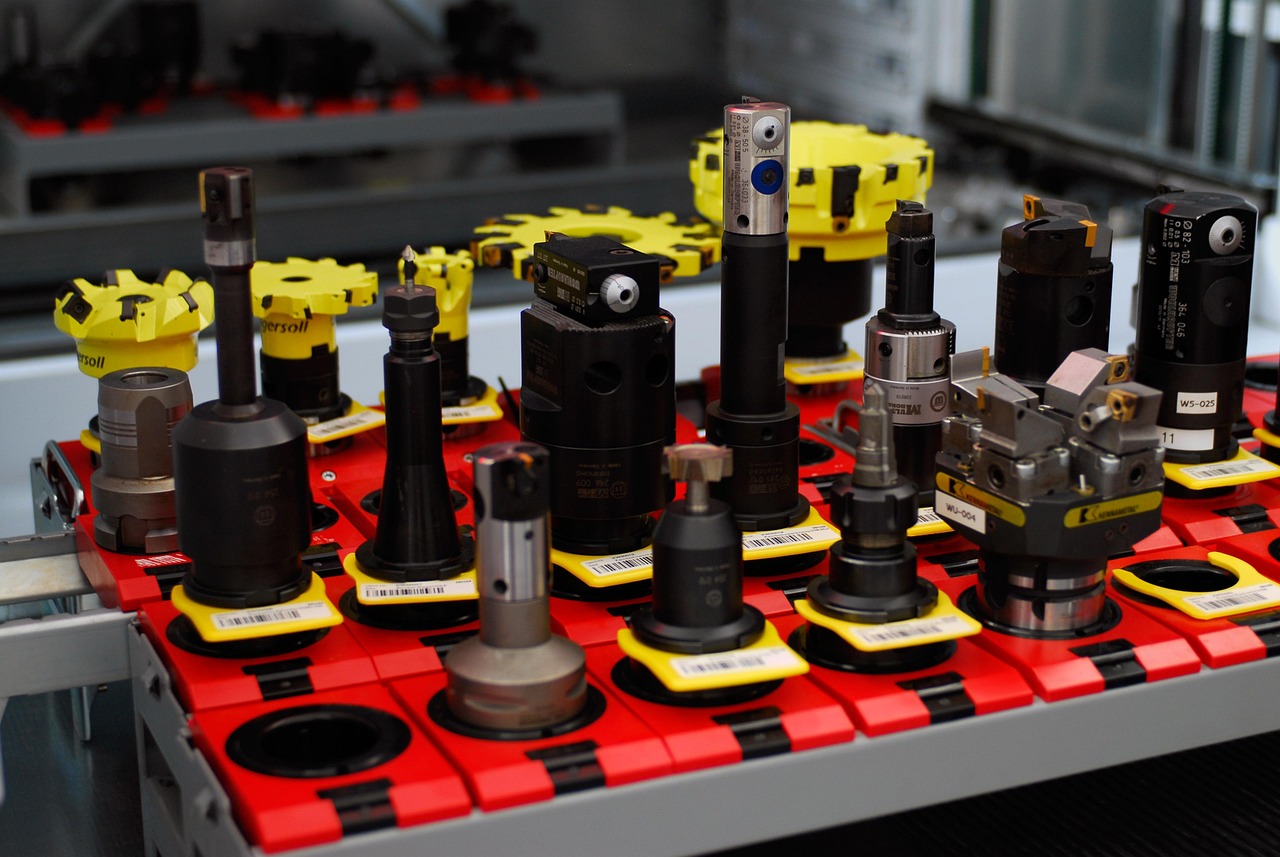
Many individuals that purchase cordless tools store their tools in a toolbox. Often, individuals can purchase closed-cell foam sheets.
These sheets can be traced with the individual tools that they own. A person can cut out spaces for each tool and battery in the sheet. By placing the tools into the toolbox and placing the foam sheet into the tool box, the tools will stay protected.
Additionally, since the foam sheet is an insulator, the batteries will not be exposed to temperature changes in the toolbox. Professionals use this system for hand tools, and it works even better for cordless tools. To make foam inserts into a toolbox, a person must make the foam sheets themselves.
However, once completed, the person can enjoy the benefit of a commercial tool organization system. Many people use red foam inserts for high-drain tools and blue for lighting tools. If a person purchases a new tool, such as an oscillating tool, the person would have to make a new hole for that tool in the foam insert.
However, for people whose cordless tools will not change in the next few years, this system will provide a feeling of satisfaction when the toolbox is opened. All of the tools can be seen in their proper place.
5. Overhead Tool Racks
Many people have space above their cars where they can store their cords tools.
These overhead racks are used to store the tool cases or even the batteries for cordless tools. These racks are attached to the ceiling by bolts into the joists of the ceiling. Often, they can be made of plywood or wire.
These overhead tool racks allow individuals to free up space on the floor of their garage as well as the walls. Look for overhead racks that can hold at least 200 pounds per set of racks.
Often, homeowners will be able to store every single case of their cordless tools on these overhead racks. With overhead tool storage, individuals will have space for holiday decorations. The tools that are stored on these racks will be out of the way when a person is using their workshop.
Additionally, the tools will be protected from the shop dust that is created when they are in use. When using these overhead tools, use a step stool or ladder to reach these tools.
6. Battery-Specific Charging Stations
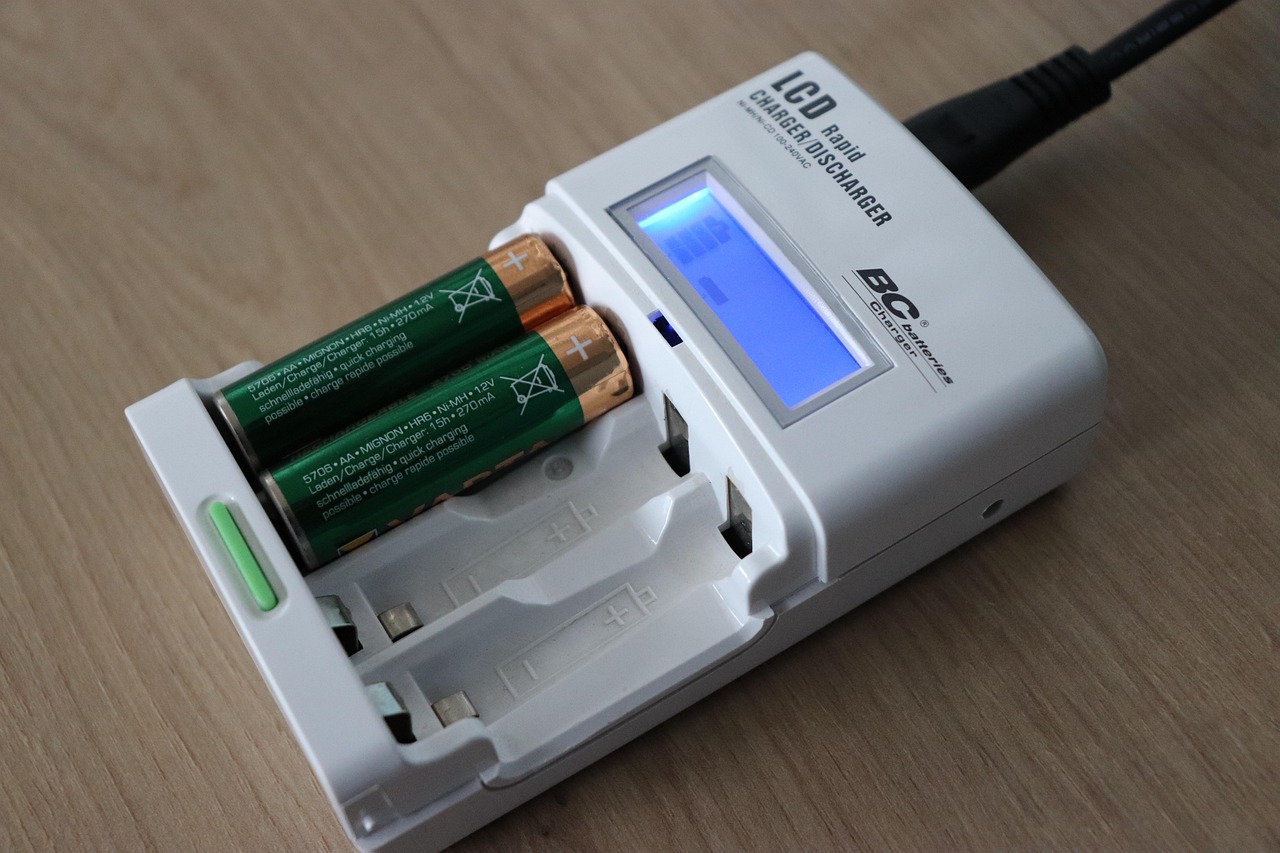
Battery-specific charging stations will prevent the most common frustration with cordless tools, finding that the batteries are dead or misplaced. Most battery-specific charging stations have multiple bays on which people can store their batteries and their cordless tools. Additionally, there are LED lights on each bay that will indicate which batteries are fully charged and which still need to be placed on the charging station.
Furthermore, many charging stations have fans to prevent the batteries from overheating when they are charged while in the station. When the batteries are stored in one place that is climate controlled, their lifespan will be extended. Lithium-ion batteries do not like being in freezing garages in the winter or in scorching sheds in the summer.
The purchase of battery-specific charging stations pays for itself quickly. If a person loses one battery, the cost of that battery will be more than the cost of the charging station. Furthermore, there is the benefit of knowing which batteries are charged and which need to be charged.
This will save the person time on each project.
7. Portable Tool Cases
Often, contractors and DIY enthusiasts will purchase portable tool cases that have dividers for their tools. These portable cases allow a person to store many tools in their garage but also allows them to travel with these tools to their job sites.
Many portable cases feature deep drawers with inserts that allow tools to not move when they are in transit. Additionally, the portable cases often come with a weatherproof seal that allows them to be left in the bed of the persons truck. The portable tool cases often have a padded lid that keeps the tools from bouncing within the case while the person is in transit.
A person sacrifices some of the permanent organization of their workshop by purchasing these portable tool cases. However, the benefit of having such a case allows a person to have all the tools they need in one case. This will allow a person who works on projects in different areas of the house and the town to be productive with these tools.
However, a person should remember to check the charge of the batteries before they leave the garage with these portable cases.
8. Climate-Controlled Cabinets
Often, the best tool storage method for an individual who owns many cordless tools and valuable cordless tools is the purchase of climate-controlled cabinets. These cabinets will maintain a temperature and humidity that will protect the tools and the batteries from the effect of seasonal temperature changes in their area.
Many of these cabinets have heaters to warm the tools in the winter as well as desiccant packs that will dry the tools in the summer. Often, woodworkers will create these cabinets themselves by purchasing an insulated cabinet and adding a thermostat to the cabinet. The investment in a climate-controlled tool storage cabinet is larger, but the rewards are significant.
Tools stored within a climate-controlled storage cabinet will last for many years longer than tools stored within a shed or on a concrete floor in the workshop that is often freezing in the winter months. Furthermore, there is the satisfaction that comes with opening the storage cabinet to find all of the tools in a clean, well-lit area, where each tool is in its proper place and ready to work as soon as needed. While no tool storage solution is perfect for every workshop, the intentionality with which tools are stored will make a significant difference in the experience of people who work on projects.
The cordless tools will last longer, the mornings will run more smoothly, and people will spend less time looking for tools and more time getting projects done. This is the benefit of good tool storage for people who work with cordless tools.
