

Cracks in a driveway or cracks in a garage floor will not announce themselves at the most convenient time for a person to deal with it. A person may notice that there driveway or garage floor appears intact on one day; however, the next morning the pavement may have a crack that has developed. Furthermore, the crack may collect water and dirt that falls into the crack.
Eventually, the crack may begin to collect frost, which can lead to further cracking of the pavement. If a person chooses to ignore these cracks in the pavement, they is likely to develop into more problems in the future. These future problems may include tripping over the cracks in the pavement, or water seeping under the concrete slab, which puts further strain upon the structure of the driveway or garage.
The good news for a person who encounters a crack in their pavement, however, is that the majority of the problems can be avoided if the appropriate tools are obtained prior to the damage expanding to the point of requiring more extensive repair efforts. A repair kit for pavement cracks does not have to contain many of the most exotic tools in existence; furthermore, you dont have to purchase the tools from the most expensive tool stores in the area. The tools that are contained within a concrete crack repair kit should be those that are appropriate according to the size of the crack (or the spall in the concrete), as well as those that allow a person to properly load the repair material into the crack by pushing the material deep into the void within the pavement.
Regardless of the specific damage to the concrete, a person who performs any serious repair to their driveway or garage will find that the same handful of tools will complete that job. Below is a list of the tools that may be included within such a repair kit, along with the reasons for the inclusion of each of those specific items. Chipping hammers and cold chisels are some of the tools that is required to begin repairing the pavement.
Essential Tools for Concrete Crack Repair
1. Chipping Hammers and Cold Chisels
While there are a variety of methods for repairing cracks in concrete, the first step in the process of repairing that crack is to remove the damaged material. A two-pound chipping hammer and a narrow cold chisel can be used to remove the material that is along the edges of the crack. The cutting tool creates an undercut along the crack such that the remaining fresh concrete or polymer material can lock into the cut edges.
Furthermore, the weight of the chipping hammer creates the force necessary to remove the damaged material; however, the weight of the chipping hammer will not cause any of the sound (or strong) concrete to crack. The undercut edges that are created with the chisel are a trick that most beginners in repairing concrete will not think of utilizing; however, the edges of a crack that has been cut will shed the repair material when a car passes over that crack. An undercut crack will allow for the repair material to become a mechanical key that locks into the fresh edges of the cut crack.
Furthermore, taking the time to prepare the crack now will save a person from having to repair the damaged spot later; it is essential that the person wears eye protection in this process due to the risk of flying chips from the chisel. Following the purchase of the chipping hammer and cold chisel are the wire brush and the shop vacuum. The wire brush will be used to remove the dust and the laitance from the crack that was created from the chipping of the crack edges.
2. Wire Brush and Shop Vacuum
The laitance is a type of cement that sets in the crack; however, it does not allow for the repair material to properly bond with the edges of the crack that was just prepared. Following the brushing operation with the wire brush, a shop vacuum is used to remove the remaining particles from the crack. If these steps are skipped, there is certain to be a patch that does not bond well with the rest of the pavement.
Furthermore, the shop vacuum will also help to clean up the excess concrete dust that is created during the process. Concrete contains a fine dust that is visible to the naked eye and tends to drift in the air within the shop if it is allowed to do so. The wet-dry vacuum will both remove the dust from the pavement, as well as the rinse water that may be used in the cleaning of the crack with the wire brush.
The bristles of the wire brush should be kept stiff so that the bristles will effectively remove the concrete particles from the crack rather than simply polishing the area. Following the wire brush and vacuum are the margin trowel and the magnesium float. The margin trowel is a compact tool that includes a rectangular blade that helps fill the crack that is as narrow as one-half of an inch; the margin trowel also has a rigid shank that allows for the placement of repair mortar or epoxy deep into the crack.
3. Margin Trowel and Magnesium Float
Furthermore, the margin trowel allows for the removal of excess repair material from the crack. The process of pushing the repair material deep into the crack and removing the excess will ensure that the repair material does not become trapped in the crack (as air bubbles can form); it also ensures that the material bonds well with the crack. Air pockets within the pavement will lead to weak spots, especially in comparison to the remainder of the pavement.
The margin trowel is a relatively cheap tool that will last for decades. Furthermore, it can complete a job that no other type of trowel available will be able to accomplish. The magnesium float is another tool that will be helpful in the repair of the cracks in the pavement; the magnesium float is especially helpful in the repair of larger areas of pavement.
Furthermore, magnesium is lighter in weight than steel, and the magnesium will not chemically react with the remainder of the cement in the pavement. Furthermore, magnesium will allow moisture to move upwards through the repair material so that the repair material can be sealed without overworking the repair material’s surface. Overworking the magnesium will lead to the formation of cracks in the repair material’s surface.
Furthermore, you will use magnesium in gentle, even arcs that will feather the edges of the repair material so that there is no line along the pavement that indicates the presence of the repair. On paved driveways in particular, avoiding a line of repair material will prevent water from pooling along the edges of the crack; thus, the water will not be able to initiate the damage that occurs with cracked pavement. More exotic tools include the crack injection kit.
4. Crack Injection Kit
These kits include both two-part epoxy and polyurethane materials, special ports for the pavement, and caulking-gun-style dispensers for the epoxy or polyurethane materials. Furthermore, the injection kit will both place the epoxy or polyurethane material on the face of the crack; the ports are spaced every six to eight inches along the length of the crack. The epoxy or polyurethane materials will be injected into the crack under low levels of pressure.
This injection is useful for filling the crack from the inside of the pavement (rather than just the outside). Furthermore, if these cracks are active or extend through the full depth of the pavement slab, there are certain advantages for injecting the epoxy into the crack. The injected material will act as a waterproof barrier within the pavement.
However, there is a trade-off in the use of this injection kit. A person will have to become familiar with the use of the kit by using it on a scrap section of pavement first. Furthermore, an injection kit will save time and effort when compared to pouring fresh cement into the crack.
Another tool that may be purchased for repairing pavement is a sturdy mixing paddle that is attached to a corded drill. Small quantities of repair material may be mixed by hand. However, any quantities that are larger than a quart will require the use of the mixing paddle that is attached to the drill.
5. Mixing Paddle and Corded Drill
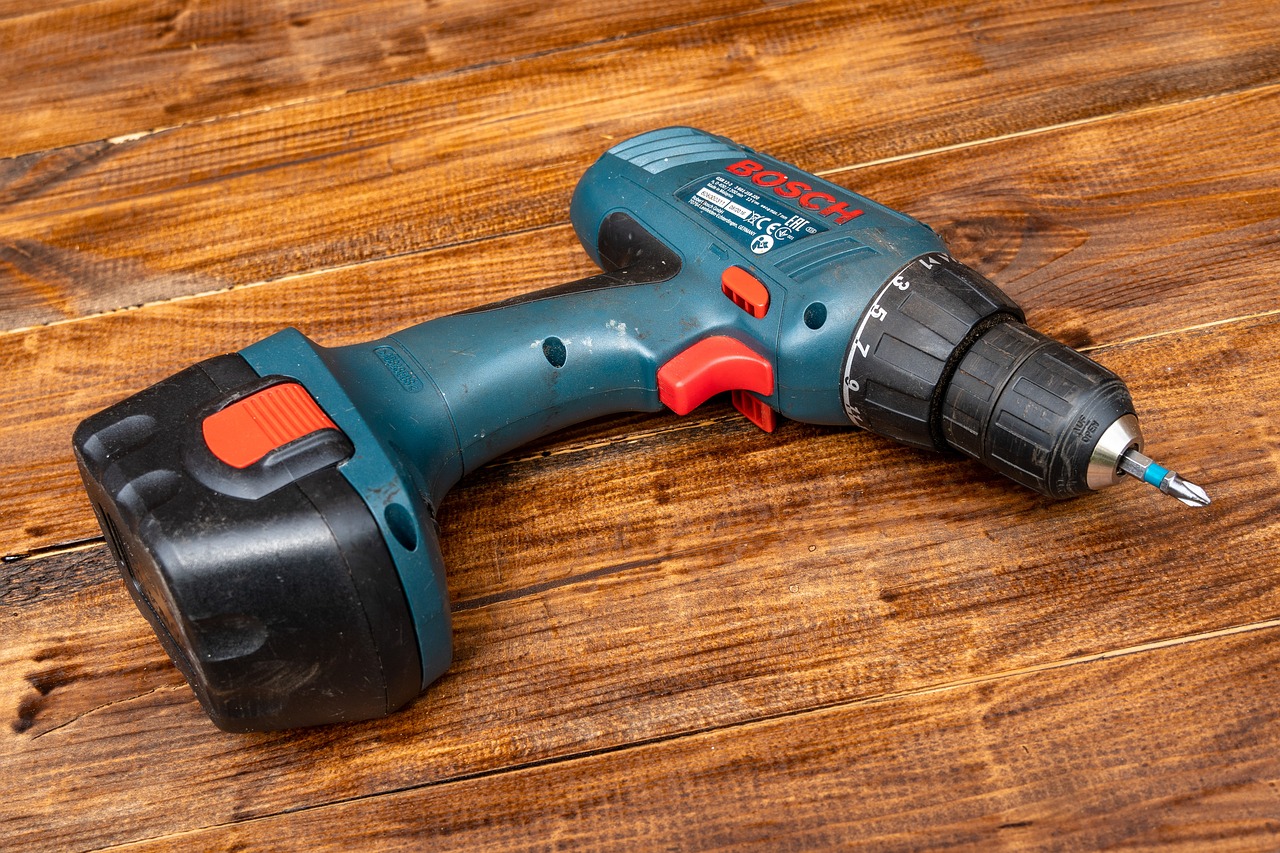
Furthermore, a mixing paddle will be designed in such a way that it will pull the repair material upward from the bottom of the mixing container to the top of the container, and it will fold the material from the top of the container back down into the bottom of the container. By avoiding whipping the repair material with the paddle, air will not become trapped within the material. Air pockets within the repair material will become weak spots within the pavement; they will expand and contract at a different rate than the remainder of the pavement.
The mixing paddle and drill will work together to ensure that the repair material maintains its strength; the mixing paddle and drill will work together to mix the required amount of repair material in a period of time that will allow the material to remain workable. Furthermore, the paddle should be cleaned after the preparation of each batch of repair material; otherwise, the dried material may interfere with the preparation of the next batch of repair material. Furthermore, the dried material can ruin the preparation of the entire batch of repair material that is created.
One last tool that may be included in the repair kit for pavement cracks is the purchase of proper safety gear. While it may not be mentioned in any list of the tools that may be utilized in the repair of cracks in pavement, safety gear is still a requirement for repairing these cracks. The concrete contains caustic chemicals that can damage the lungs with prolonged exposure.
6. Safety Gear
Furthermore, the lung damage can be caused both by the sawdust that may be generated as the pavement is being cut with the cold chisel, as well as the concrete dust that is created when the pavement is being cleaned with the wire brush. Thus, to protect the health of the individual that is performing the repair of the pavement, rubber gloves should be worn, knee pads should be worn, safety glasses should be worn, and a dust mask should be worn. The knee pads are especially important for those who plan on spending extended periods of time performing the repair.
Any abrasion of the knees will be felt the following morning. Furthermore, the best types of knee pads will contain a thick insert of gel to help with the abridgement of the abrasion of the knees; the knee pads should have a nonslip backing to retain the knee pads upon the knees of the individual performing the pavement repair. Furthermore, the knee pads will prevent the trousers of the individual from wearing through the knees; this is especially helpful for those who become covered in the gray slurry that is created when the pavement is being cleaned.
These safety items should be considered as tools in and of themselves; the job will always take longer than the individual thinks it will, and any level of comfort will allow for the individual to better perform the repair of the pavement with care. Finally, the purchase of a plastic sheet and some duct tape are the last items that should be purchased for creating a repair kit for pavement. The plastic sheet will cover the repair that was made with the fresh concrete and polymer materials.
7. Plastic Sheet and Duct Tape
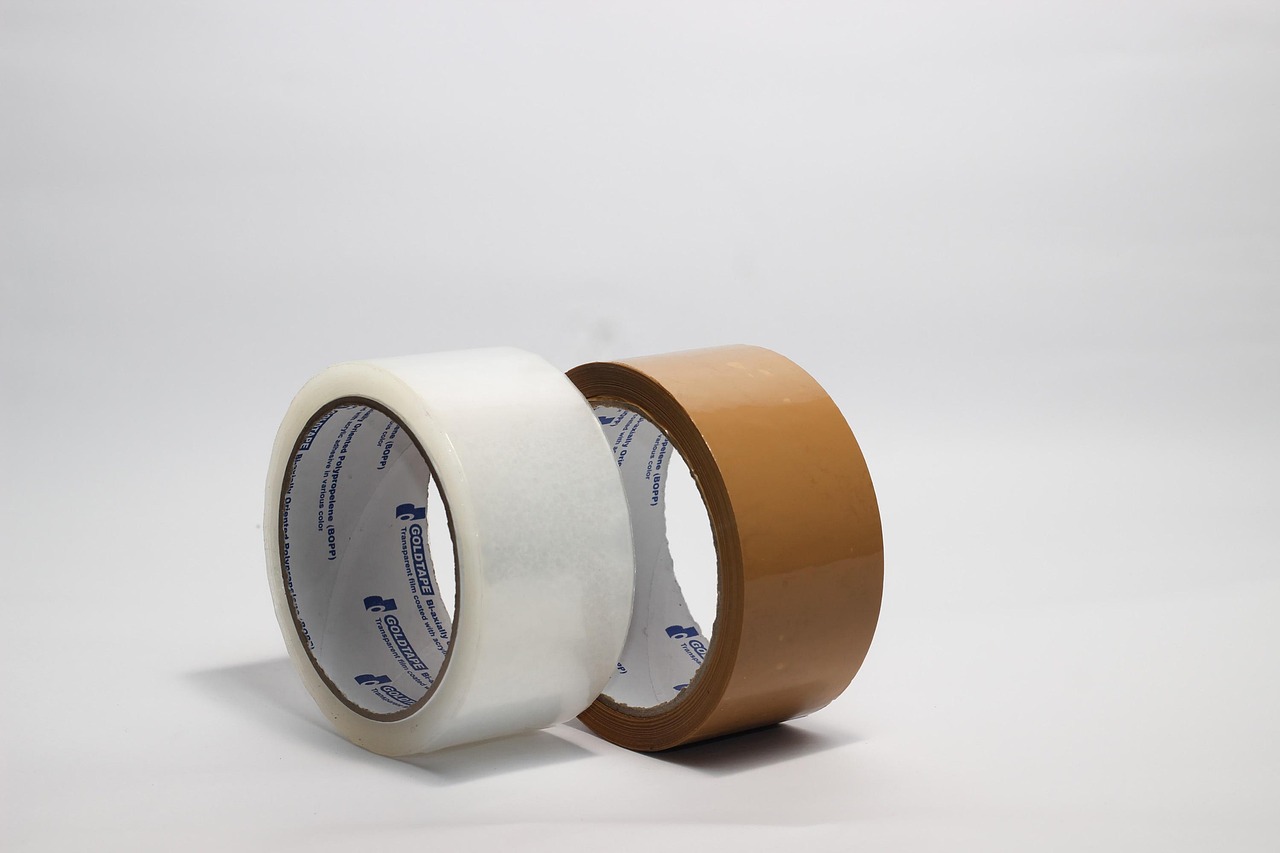
Furthermore, the plastic sheet will help to prevent the formation of cracks on the surface of the fresh concrete. The plastic sheet and duct tape will create a humidity chamber that will allow the fresh material to reach its full strength without losing too much of its moisture to the air within the shop. The plastic sheet should be placed over the fresh repair material for at least three days for standard mortar patches, or for up to a week for any repairs that are of a larger size.
By allowing the fresh material to reach its full strength, the repaired portion of the pavement will wear as well as the remainder of the pavement. Otherwise, it may wear with the same ease as the rest of the pavement may wear with time. Every crack in the pavement has a story to tell.
The story may be of water that pooled within the crack and damaged the pavement, the pavement may have cracked as a result of ground movement, or the pavement may have developed these cracks with the passing of time. Each story that the cracks tell can be responded to in a precise manner rather than in a panic when the cracks are first discovered. Thus, a person should begin with the purchase of the tools listed in this article; it is also recommended to first practice on an inconspicuous spot in the area that is to be repaired.
The confidence that is gained through the use of these tools will transform the repair of pavement from an ordeal that is performed every few years to an essential maintenance job that can be performed by an individual rather easily. Thus, although the pavement around a person’s home will never become immortal, they can ensure that the pavement remains healthy and visually appealing for decades to come with the purchase of these tools.
