
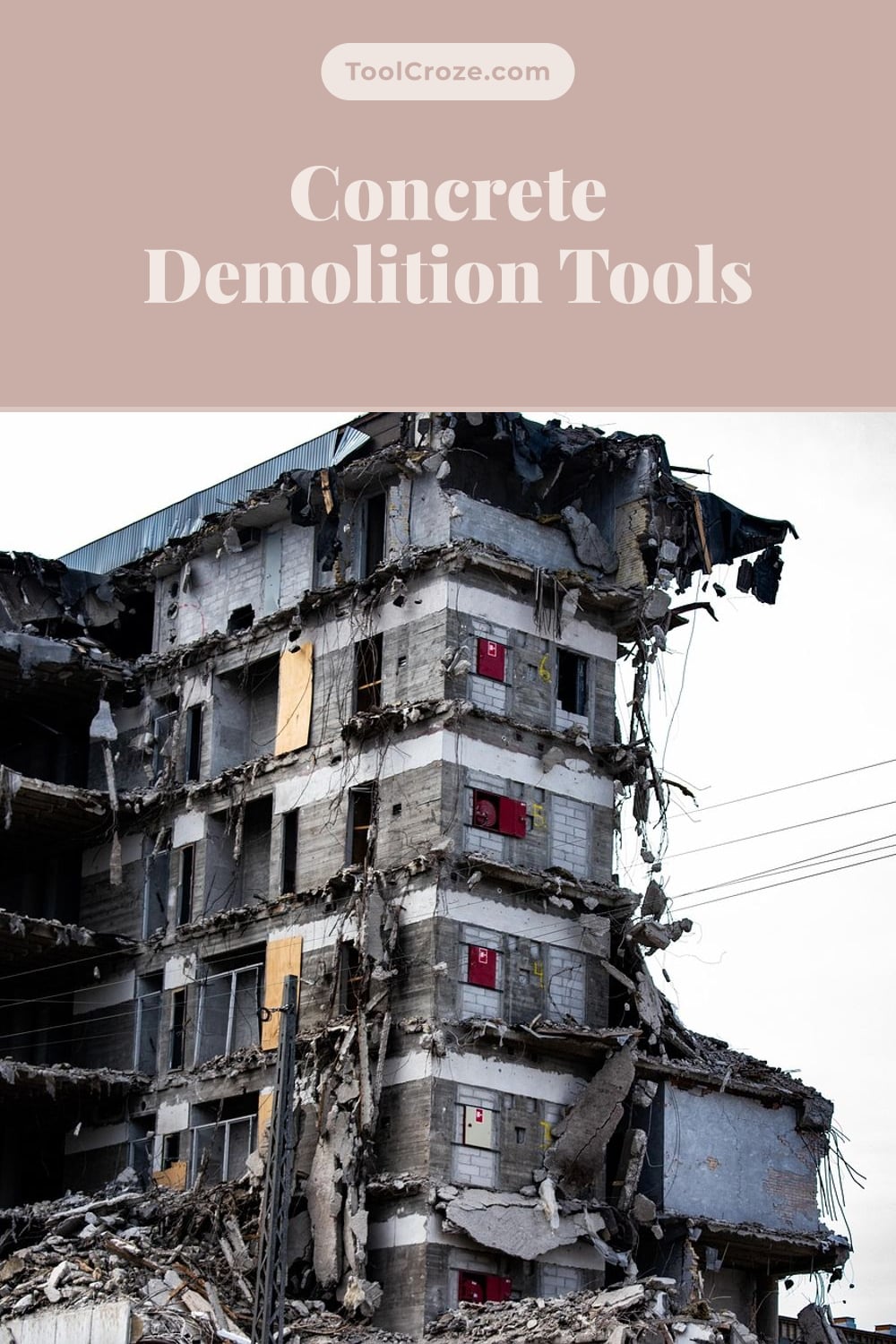
When talking about demolition of concrete, it may look like chaos to an individual who has not seen the demolition of concrete before. One moment, the contractor is faced with a challenging slab of concreate or an old foundation that must be demolished. The next moment, it is rubble.
The difference between successfully demolishing the concrete as opposed to becoming frustrated and spending money on the demolition process comes down to the individual who choose the proper tool for the specific type of concrete that exists before them. Using the wrong tool will result in frustration, wasted money, and potentially even the contractor getting hurt. Using the right tool will allow the concrete to be demolished almost willingly.
The following rundown of the tools will explain the essential demolition tools for contractors that will be encountered in most demolition job. The first tool that should be considered is the jackhammer. This tool is present in most demolition tool lists for good reasons.
Essential Tools For Concrete Demolition Jobs
1. Jackhammers
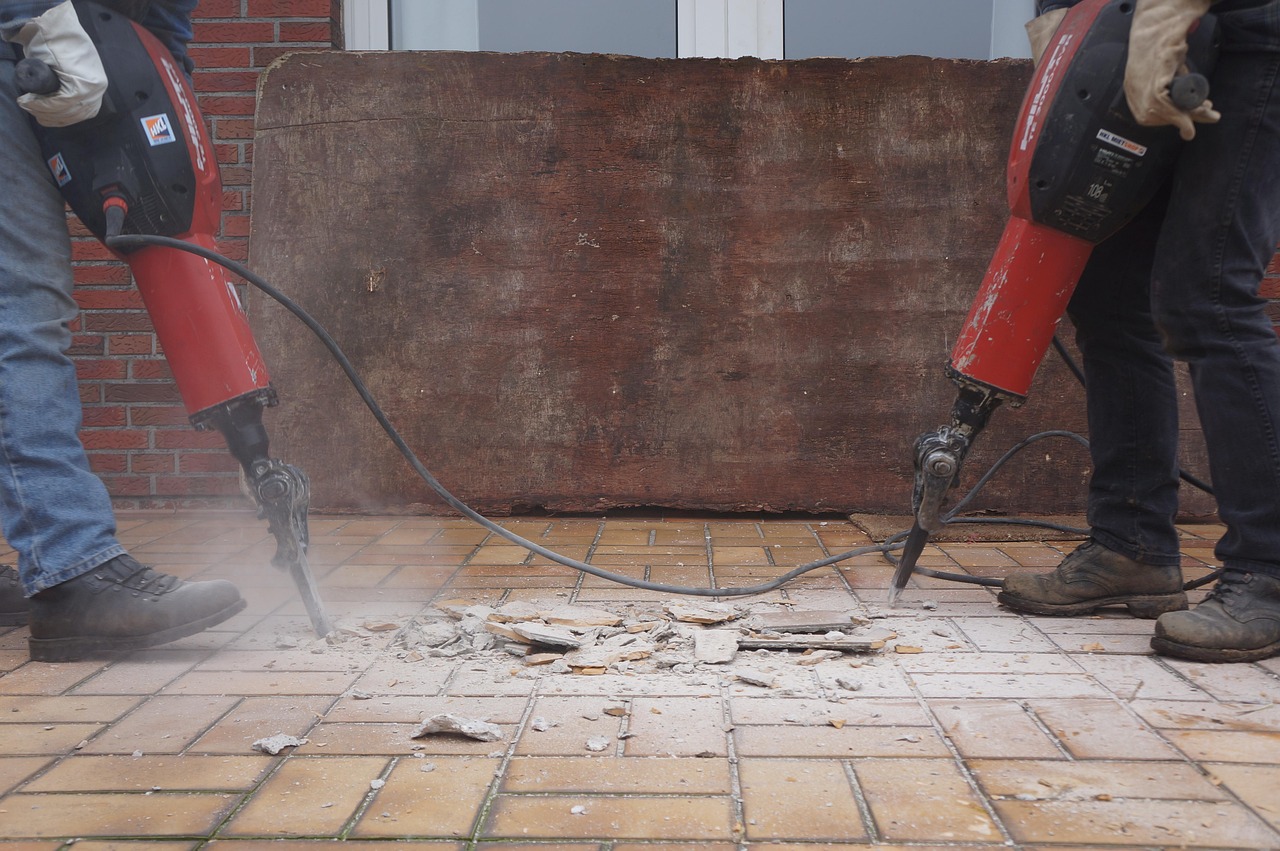
A jackhammer will fracture the concreate at a molecular level. A jackhammer that weighs thirty pounds will demolish sidewalks, driveways, and slabs that are six inch or less in thickness. A benefit to jackhammers is that they can easily be transported into a house that features finished floors without having to destroy any door frames or other architectural features.
2. Chisel Bits
Another tool that is often missed by many people is the chisel bit that is used with the jackhammer. The pointed bit allows the contractor to crack the concreate by focusing the force on a particular area. A flat bit will allow the contractor to shear sections of the concreate slab.
Another benefit to jackhammers is that many models feature an anti-vibration handle that will reduce the fatigue of the contractor using the jackhammer. However, a tradeoff for jackhammers is that they create a lot of noise and dust in the demolition process that the contractor must protect their ears and respiratory system from. For the contractor who is dealing with bigger jobs, a walk-behind concreate breaker will be of more assistance.
3. Walk-behind Concrete Breakers
These machines look similar to floor polishers but feature far more force behind their tool head. These tools will demolish concrete that is between four and eight inches in thickness. The contractor who uses this tool will experience less back strain than if they were using a jackhammer for long periods of time.
The weight of the concrete breaker does the work instead of the contractor. The contractor guides the tool. However, for this tool, the contractor will search for models that have different settings for the strength of the breaker so that it will not damage the concrete near plumbing or other fixtures in the concrete.
Another tradeoff for this tool is that the contractor must have space to maneuver the tool. It will be of no assistance in a tight space like a basement. For situations where precision is required in where the demolishment of the concreate occurs, a concrete saw is the best tool.
4. Concrete Saws
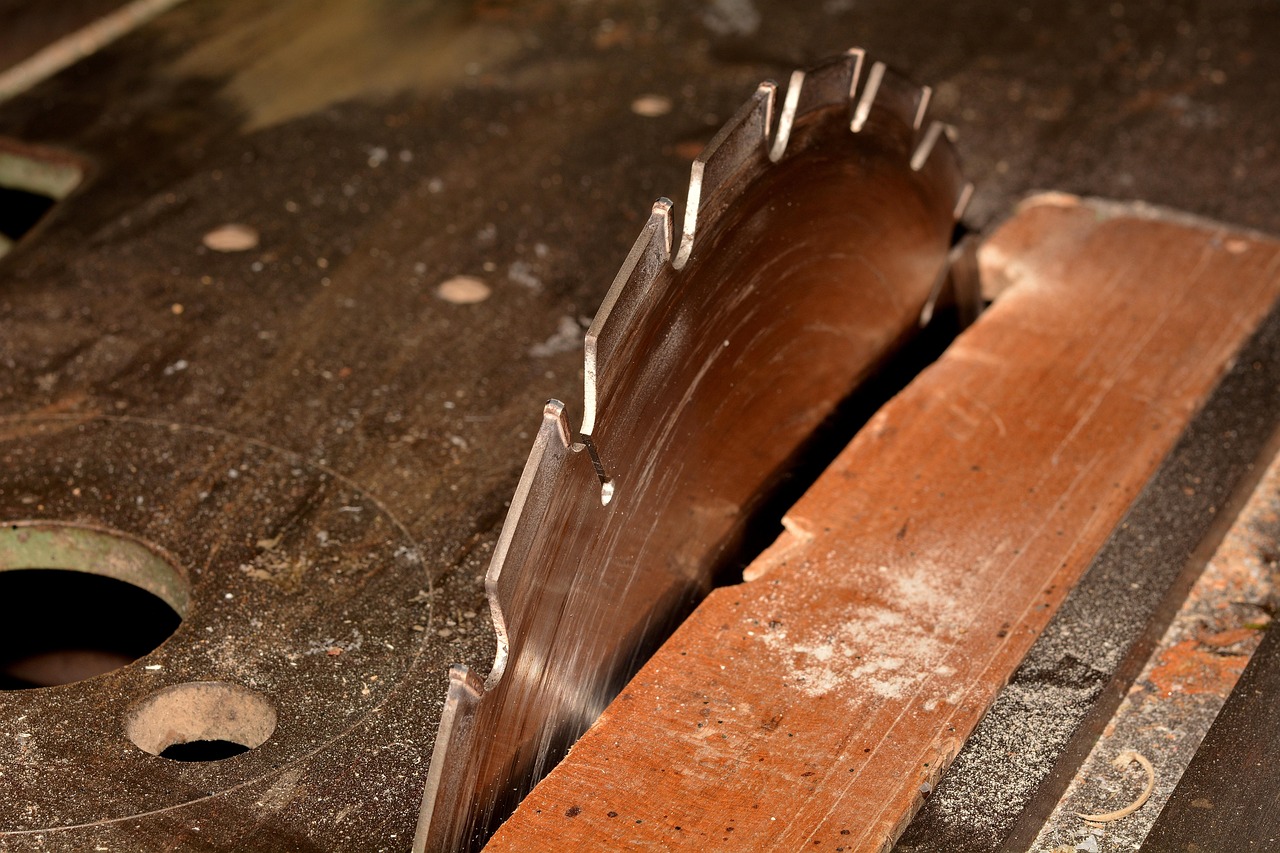
These saws will allow for a contractor to use a diamond blade to cut the concrete in straight lines so that the breakers will have an easier time demolishing the sections of concreate. Using a concrete saw will allow the contractor to avoid random cracking of the concrete, and it will allow for the concreate to be removed in manageable sections. The models that are wet will reduce the amount of dust created during the cutting process.
The blade used on the saw is essential to its function. A twelve-inch blade will perform most residential jobs. However, a fourteen- or sixteen-inch blade will perform best on commercial concreate.
The saw is a heavy tool. It demands to be respected by the contractor. If the contractor performs the wrong move, they can damage the saw or themselves.
However, being able to decide the location where the concreate will break will speed up the demolition process of the concreate. One last tool that should be considered is the hydraulic splitters. These tools are inserted into a hole in the concreate by using a slim wedge.
5. Hydraulic Splitters
Then the splitter will expand to demolish the concrete sections. These tools are often used in historic renovations where creating no vibration is essential to preserving the old plaster or masonry. However, using this tool takes longer than using jackhammers or other forceful tools.
The process of inserting the wedge takes time and creating the holes. Also, the contractor will have to decide where they want the concrete to break. The tradeoff is that it will cause less damage to the surrounding concreate during the demolition job.
A person must drill a series of holes in the exact spots where the splitter will crack the concrete. The holes should be of a diameter that allows the splitter to effectively push into the concrete. Next, a person must activate the splitter.
If the person is removing the concrete from an area that is adjacent to a shared wall with a row of houses, using a splitter will prevent the person from receiving angry calls from the neighbors. For jobs that are smaller in scale than splitting the concrete, a sledgehammer and a cold chisel are the best tools to use. Using these tools may seem old fashioned as these are some of the oldest methods of removing concreate.
6. Sledgehammers and Cold Chisels
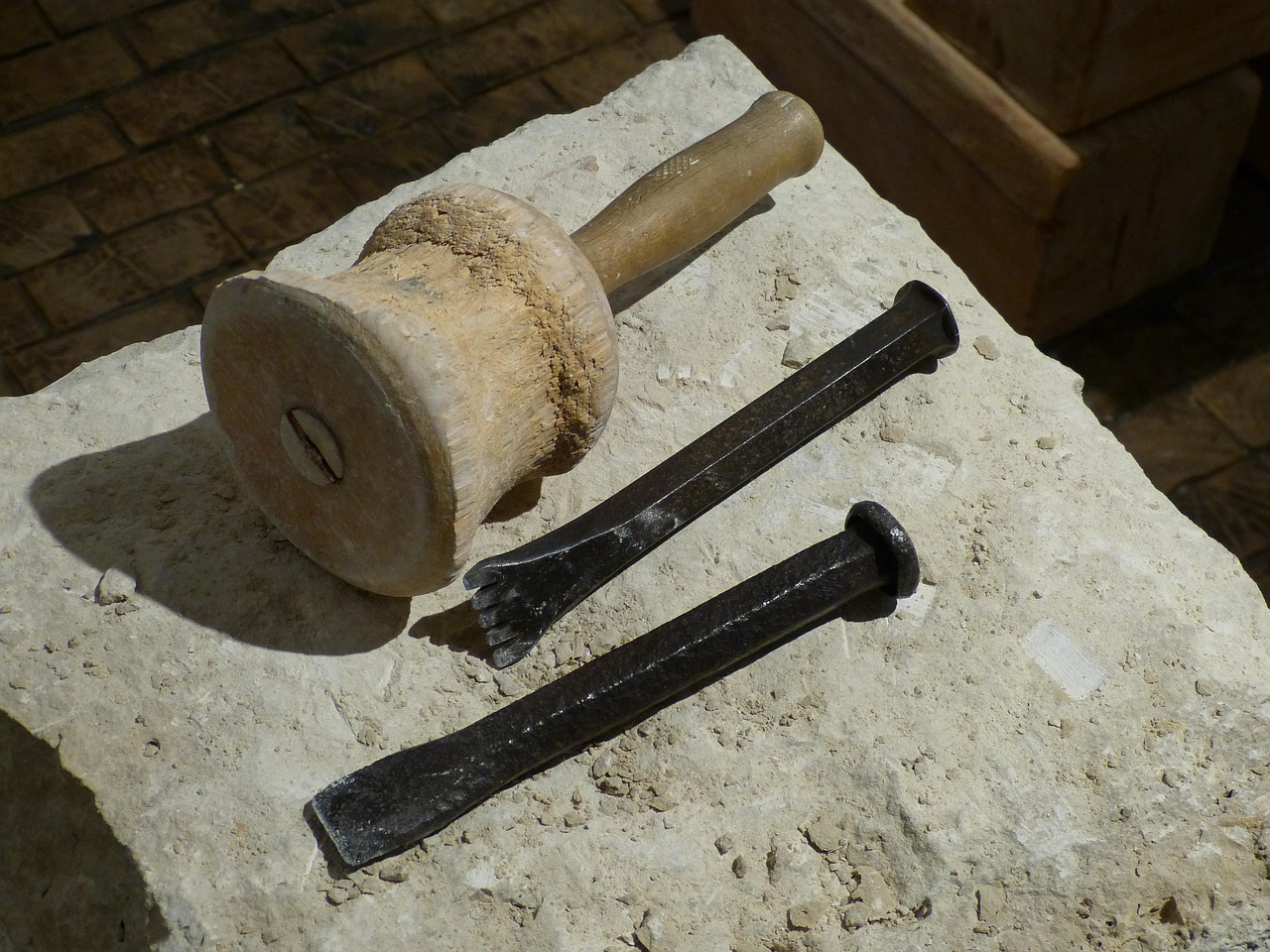
Using an eight or ten pound sledgehammer, a person can deliver the force of the sledgehammer where they aim the sledgehammer. Using a cold chisel, a person can chisel away at the edges or remove small sections of concreate without the need to start a noisy compressor. These tools work best for jobs where the concreate is less than four inches in thickness or for removing only a few square feet of concreate.
One benefit of using these tools includes the ability to provide control to the job and the fact that there is no startup cost for this tool. Every contractor should have at least one sledgehammer and one cold chisel. The limitation of these tools is that after approximately thirty minutes of use, most people will discover the invention of powered tools.
However, these tools remain the most effective at completing smaller jobs. For the most extensive jobs, a hydraulic excavator with a concrete pulverizer or hydraulic hammer attachment can remove entire lots of concreate in a single day. These tools can save many days of labor in only a few hours of operation.
7. Hydraulic Excavators
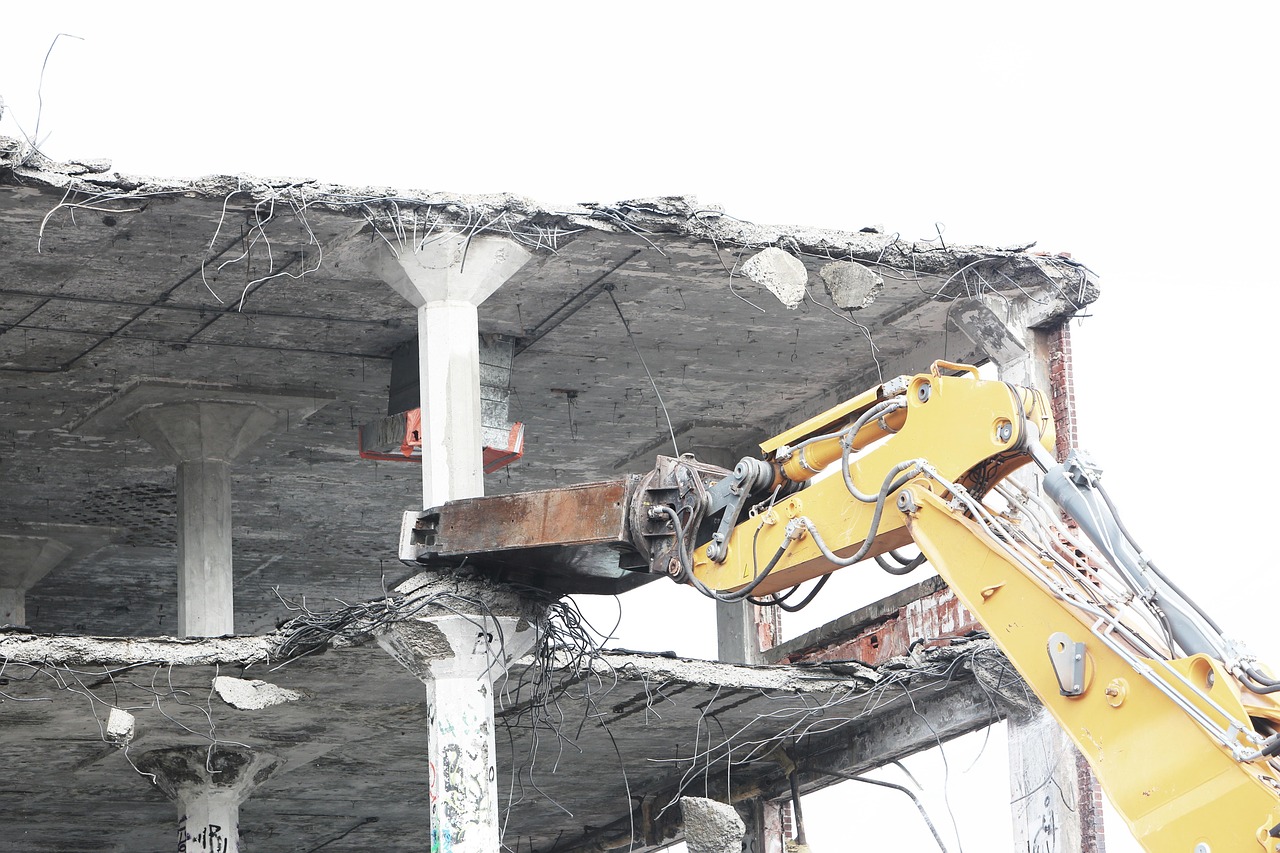
Furthermore, the operator does not have to leave the climate-controlled cab in which they are operating the excavator. For powered tools, the key is to use the right attachment for the job. A hammer attachment can fracture the concrete, while a pulverizer attachment can fracture the concrete and separate the rebar.
The cost of renting or buying these machines will quickly add up for small jobs. This option will only be cost effective for jobs that are of a certain size. For very large jobs, using one machine and one operator can replace an entire crew of jackhammer operators.
Angle grinders with diamond cup wheels are used for the last steps in a concrete demolition job. Once a lot of the concreate has been removed, an angle grinder with a four and a half or seven inch blade will remove the remainder of the concrete. When using an angle grinder, the importance of extracting the dust with a vacuum becomes more important than any other tool.
8. Angle Grinders
The dry grinding of concreate produces a fine silica dust that can remain in the air for hours. Using a vacuum rated for concreate dust will clean the site and protect the health of the worker. Furthermore, the angle grinder is a relatively light tool and relatively quiet when compared to jackhammers and breakers.
For these reasons, an angle grinder will be found in every contractor’s truck. A pry bar and wedge set is a tool that can be used for even the most strategic demolitions. By inserting the wedge into a fissure that has been made by a jackhammer or splitter, the pry bar can leverage the pry bar into the concreate to pop the slab free from the ground.
9. Pry Bars and Wedges
To use a pry bar and wedge correctly, the wedge should be jammed into the fissure in the concrete. Then the pry bar should be leaned into the wedge to leverage the pry bar into the concrete slab. The mechanical advantage that the pry bar provides will make it very easy to lever the concreate slab free.
Many professionals in the field swear by the pry bar being the tool that actually separates the concreate from the ground. It is the quiet tool in a profession filled with loud tools. The sequence of tools to use should be determined in advance for the job.
First, a saw should be used to make cuts in the concreate. Then the breakers can be used to fracture the main area of concreate. Splitters or hand tools can be used near the edges of the job to avoid damaging other structures in the area.
Finally, grinders and pry bars can be used to clean up the last of the job. By following this sequence, a person will find it easier to demolish concreate without difficulty. By treating a concrete demolition job as a puzzle to be solved, crews can determine the best method for demolition.
The crew can determine the thickness of the concreate, if there is reinforcement, the accessibility of the area, and any noise restrictions before unloading the tools necessary to demolish the concreate. By taking these measurements and observations into account, the crew can save time and effort in the demolition process and leave the site in a way that is easily accessible by the next crew member. Demolishing concreate is a job of intelligence, not muscle.
By getting the tools right, the concreate will not stand a chance to fight back.
