
Cold chisels is important tools for metalworking tasks and demolition tasks. If a person select the wrong type of cold chisel for the job that is to be performed with that tool, then that person will take twice as long to complete that task, and the cold chisel will have a duller edge after the task is completed. However, if a person selects the right cold chisel for the task, then that person will find the task to be easy to perform, and the cold chisel will require less cleanup after the task has been completed.
The difference between these two scenario is due to a person’s understanding of the different designs of cold chisels that blacksmithing or metalworking has made over the years in the craft of blacksmithing or metalworking. Each of the different cold chisel tool designs have been made to solve a specific problem in metalworking. For instance, the flat cold chisel is the most common cold chisel that is seen in shops.
Common Types of Cold Chisels to Use
1. Flat Cold Chisels
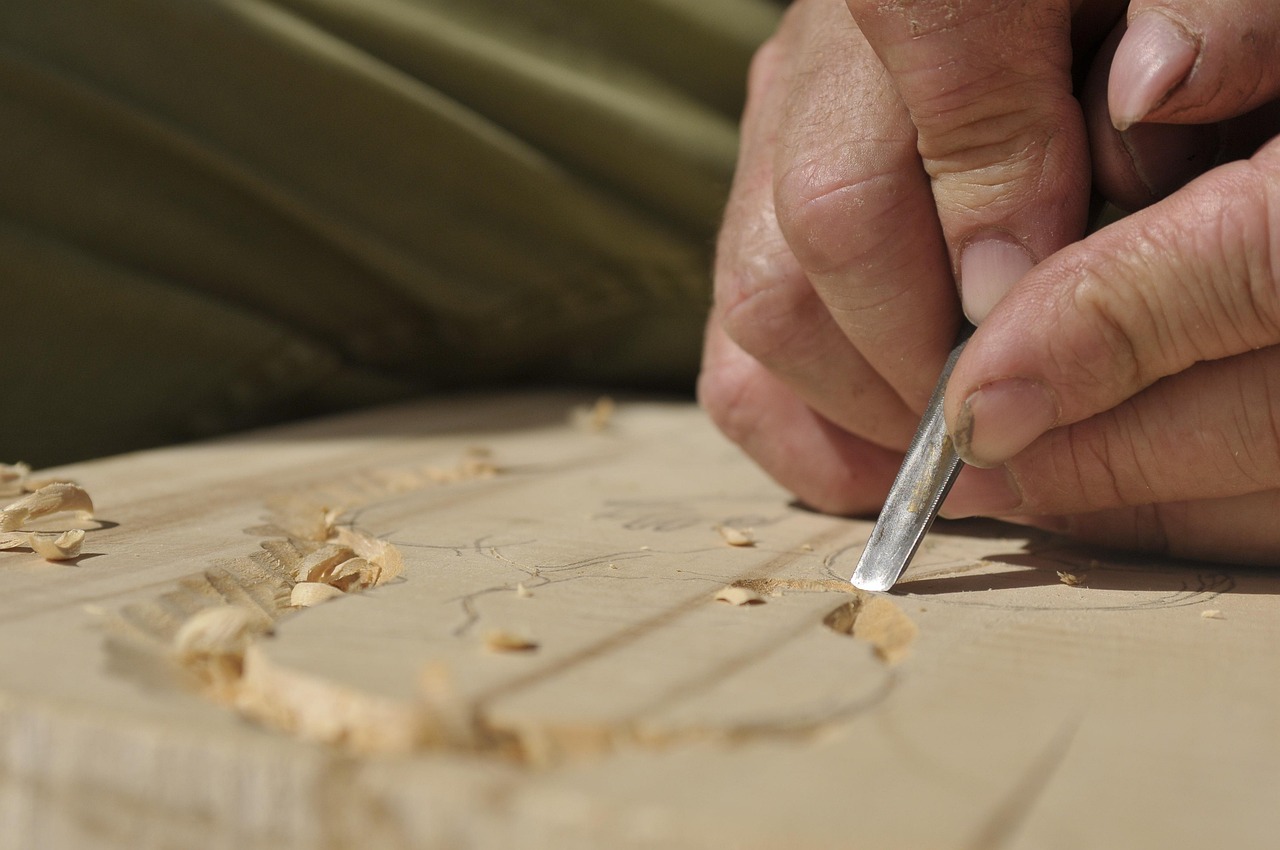
Flat cold chisels have a broad cutting edge that is ground to 60 degrees, and it has a rectangular cross section that taper to the cutting edge of the tool. Flat cold chisels are used for cutting bolts, chopping rivet heads, and cutting sheet metal. Additionally, the flat face of a flat cold chisel make it easy for even a beginner metalworker to line up the cut that is to be made with the metal.
However, it is important for the beginner to remember to keep the beveled edge of the flat cold chisel facing away from the side of the metal that is to be cut. The second of the most common types of cold chisels is the cape chisel. Cape chisels have a narrow cutting edge that is between 1/8” and 3/8” in width.
2. Cape Chisels
The sides of the cape chisel are relieved so that it does not gets stuck in deep grooves within the metal that is being cut. Cape chisels are used to cut out keyways, cut corners in slots, and to clean out seams in the metal. However, because of the narrow cutting edge, the worker must strike the cape chisel with more control than other types of cold chisels.
Otherwise, it may get stuck in the metal. Round-nose chisels are also known as half-round chisels. Round-nose chisels has a curved cutting edge that is approximately in the shape of a half circle when viewed from the front of the tool.
3. Round-nose Chisels
Round-nose chisels are used for cutting oil grooves in circular metal parts like bearings, cutting radii in corners of metal parts, and shearing metals that is relatively soft. Additionally, since the cutting edge of the round-nose chisel does not have any flat edge, it is less likely to chip on metal parts with irregular surfaces. The disadvantage of the round-nose chisel is that it cannot make perfectly straight cuts, so a flat cold chisel will be needed to complete that task.
Diamond-point chisels are chisels that have cutting edges in the shape of a four-sided pyramid that tapers to a point. The four cutting edges of a diamond-point chisel can create a footprint in the metal in the shape of a diamond, which is how this tool is named. These type of cold chisels are used to cut V-shaped grooves in metal, to remove weld slag from corners, and to make a center punch mark on round metal parts.
4. Diamond-point Chisels
Additionally, the angled cutting edges of a diamond-point chisel push the metal away from the cutting edge in four different direction at once. This makes it less likely for the tool to get stuck in the metal. However, the point of the chisel must always be kept sharp.
Side-cutting chisels, also known as grooving chisels, are essentially flat cold chisels but with one or both of the sides of the cutting edge beveled. These types of chisels allow for the metal to be cut on the side of a workpiece without the handle of the tool coming in contact with the workpiece. For instance, welders use side-cutting chisels to cut excess weld metal on the inside angles of metal parts.
5. Side-cutting Chisels
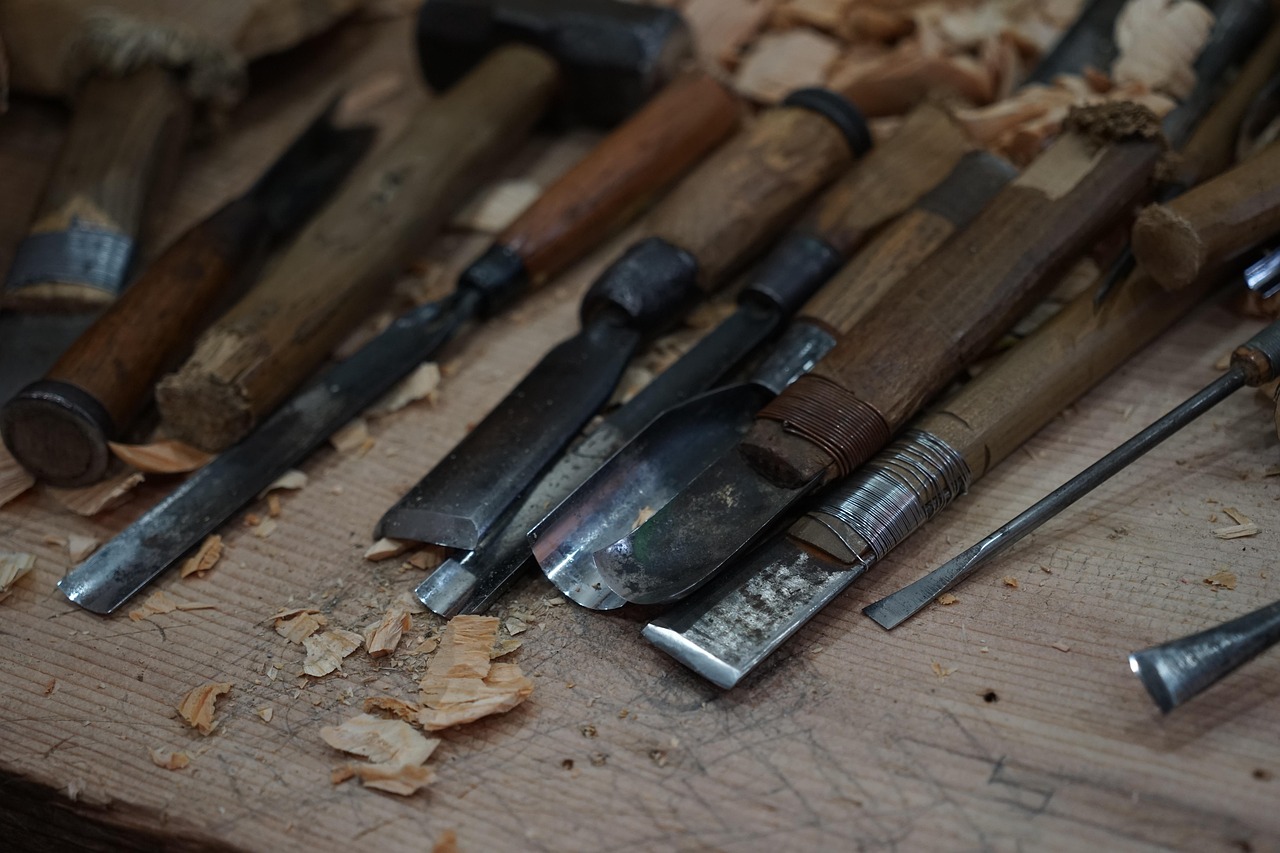
Because the side of the chisel that is beveled is relieved from the cutting edge, it will not mar the edge of the metal part that is adjacent to the cut. However, side-cutting chisel are more fragile than flat cold chisels, so they should only be used to make finish cuts on metal parts. Brick chisels, also known as plugging chisel or bolster chisels, are essentially a large flat cold chisel with a wide cutting edge.
6. Brick Chisels
Brick chisel have cutting edges that are between two and four inch in width. The blade of a brick chisel is short and thick. This type of cold chisel is used for splitting brick, concrete block and stone.
Additionally, the wide cutting edge of a brick chisel can cut along mortar lines in the brick. However, using a regular cold chisel on brick will cause the head of the cold chisel to mushroom and the edge of the tool to chip. This is because regular cold chisel tools are not tempered for the abrasive nature of brick.
Therefore, a person should have both types of cold chisel in the toolbox, but use each for their appropriate type of work. The last type of cold chisel is the cross-cut chisel. Cross-cut chisels have cutting edges that are narrow, like those of a cape chisel but they are rounded so that they can follow a curved path.
7. Cross-cut Chisels
Cross-cut chisels were created for cutting grooves in wood across the grain but work well in metals like aluminum and brass. The rounded cut of a cross-cut chisel allow for it to follow a curved path without getting stuck. Therefore, it is different than a cape chisel.
While a cross-cut chisel is not used as often as the others, one will be glad to have one in the toolbox when the cross-cutting task is required. Regardless of the type of cold chisel that is to be used, the striking end of the tool is important. If the head of the cold chisel becomes mushroomed, such a tool is dangerous and could send metal shavings into the person who is using the tool.
A worker will need to dress the mushroomed head with a grinder. This will keep the persons hands safe and protect the face of the hammer tool. Additionally, the type of hammer that should be used with a cold chisel is a three-pound hammer.
Two-pound hammers will not have enough striking authority to cut metal effectively but a five-pound hammer may become fatigued after twenty minutes of work. If a person takes the time to find the correct tool for a specific job, cuts will be even, the persons arms will not ache after the work is complete, and there will be a feeling of satisfaction in having performed the task. Thus, each time a person opens a toolbox, a person will not only find a cold chisel but will also find the correct type of cold chisel for the metalwork task that is waiting on the workbench.
