
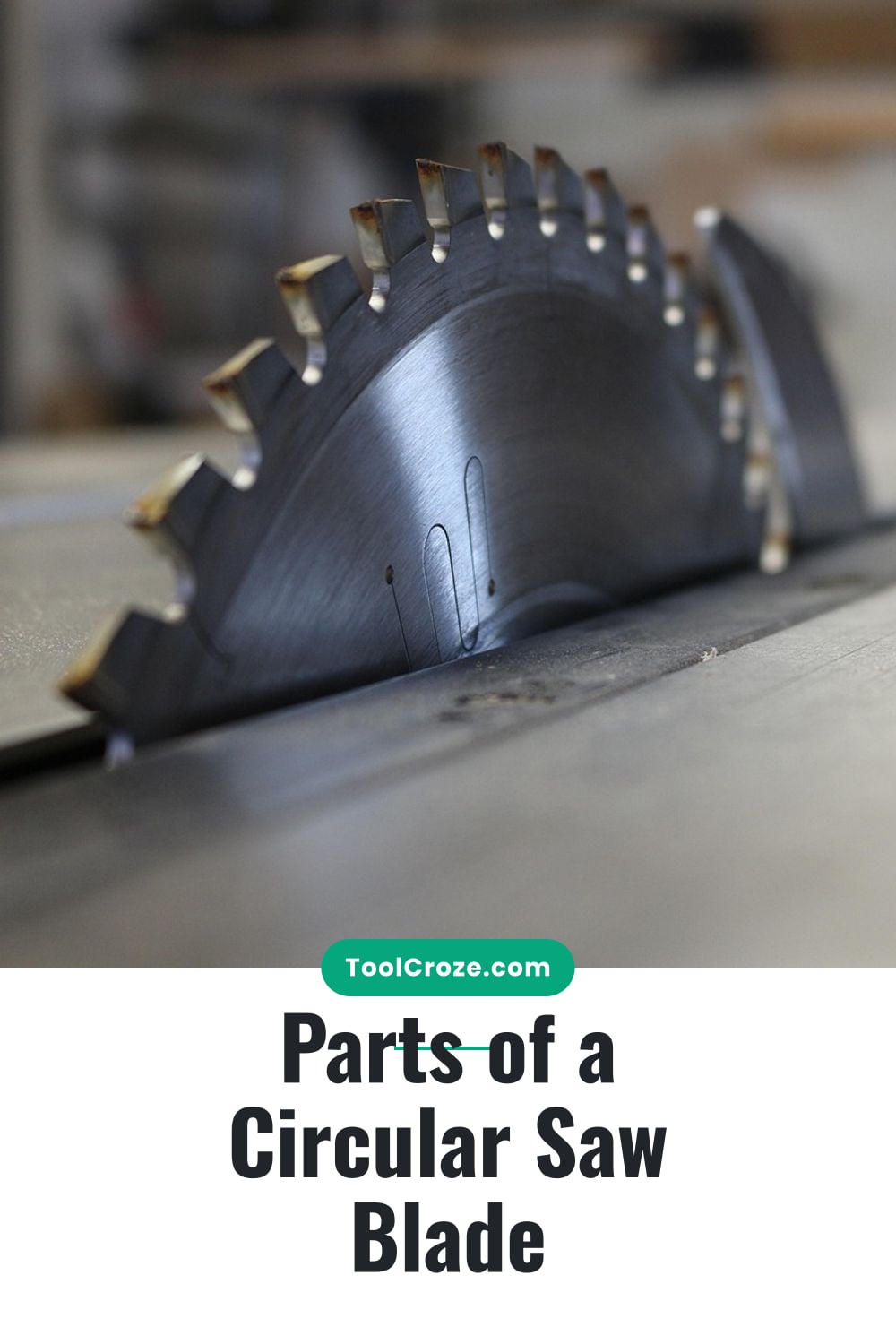
A circular saw blade may look simple to the viewer from a distance. The tool may look like a flat disc that has teeth. However, when a person gets closer to the tool, a person will realize the complexity of such an instrument.
A person will realize that every part of a circular saw blade perform a specific function. A person who understands the function of each part of a circular saw blade will no longer purchase the saw blades that is on sale. Instead, a person will be a woodworker who understands how each saw blade should be selected.
Knowing each part of the saw blade will allow for the purchase of the correct saw blade for the task, which will result in clean cuts, less burning of the wood, and fewer trips to the hardware store to purchase new saw blades. The teeth, the blade body, the arbor hole, the expansion slots, the hook angle, the grind, and the coatings interact with one another. If a person misses any part of a saw blade, the function of the saw blade will be affected.
When a person becomes familiar with the different parts of a saw blade, a person will be able to read a saw blade as a mechanic can read an engine.
Important Parts Of A Circular Saw Blade
1. Teeth
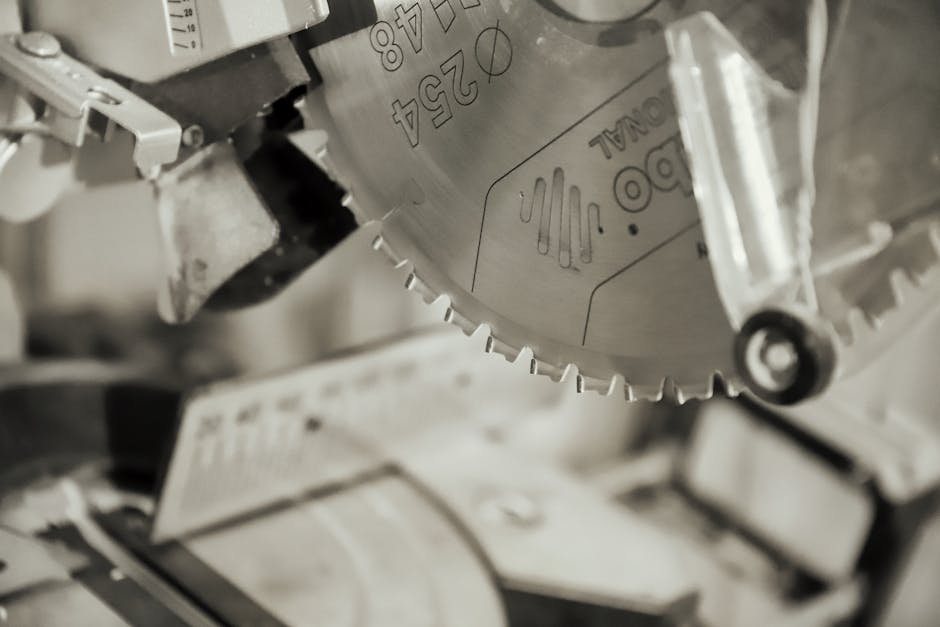
The teeth on a saw blade are the part of the saw blade that people notice the most. These small points on the saw blade are made out of carbide or high-speed steel.
The teeth on the saw blade do the sawing action of the saw blade. The number of teeth on a saw blade matter. A 24-tooth circular saw blade will easily chop a 2×4. An 80-tooth saw blade will produce smooth edges on plywood.
The reason for this difference in cutting action of the saw blade is because the more teeth on a saw blade, the thinner the chips of wood that the saw blade saws. However, the smooth saw action of fine saw blades costs the saw blade speed and creates heat that can burn the wood if used in the wrong situation. The teeth on a saw blade can have different design.
Alternate top bevel teeth are good for sawing across the grain of the wood. Flat-top saw teeth are good for ripping along the grain of the wood. Combination saw teeth have groups of four alternate top bevel teeth followed by a flat raker.
These saw teeth provide the best of both worlds for the wood being sawn.
2. Blade Body
The plate of the saw blade is the part located behind the saw blade’s teeth. This part of the saw blade is also referred to as the blade body.
The saw blade’s steel disc carry the saw blade’s teeth. The saw blade’s plate will determine the saw blade’s stability. Thin saw blade plates allow the saw blade to quickly cut at the wood and remove less of the wood.
However, thin saw blades will flutter if the saw does not have a lot of power behind it. Saw blades with thick steel plates will feel as if they are sawing through hardwood. Thick saw blades will require a lot of power from the saw motor to function properly and will waste some of the wood in the saw.
The manufacturers of saw blades will laser cut expansion slots into the steel disc of the saw blade to solve a problem that will become evident when that expansion slot ruins the saw blade. As the saw blade saws at the wood, it will heat up. Due to the heating of the saw blade, the metal will expand.
If there are no expansion slots, the steel disc will warp. If the saw blade warps, the saw will make sawn cuts that wander through the wood. The expansion slots allow the saw blade to expand.
Some expansion slots will be filled with copper plugs that will dampen the vibrations of the saw blade. If a person hears a circular saw blade howl in pine, the person should think of these saw blade expansion slots. These expansion slots are part of the engineering of a saw blade that a person should appreciate.
3. Arbor Hole
The arbor hole is the least interesting part of the saw blade until a person tries to put the wrong saw blade onto the saw. The arbor hole of the saw blade must match with the arbor of the saw. Full-sized saws will have a 5/8 inch arbor size.
If the saw blade does not fit properly into the saw, this will result in wavy sawn cuts of the wood and dangerous vibrations of the saw. Some saw blades will come with reducer rings that will allow the same arbor hole of a saw blade to mount onto different saw models. The reducer rings is helpful for these saw blades.
However, they also allow a person to remember that the arbor of the saw blade is a component with no tolerance for slop. If the saw blade does not fit firmly onto the saw or does not click when it is properly tightened, a person must stop the saw and fix the problem with the arbor and saw blade connection before sawing wood.
4. Hook Angle
The hook angle of a saw blade may seem like an interesting part of the saw blade until a person sees it fail in one aspect of its function.
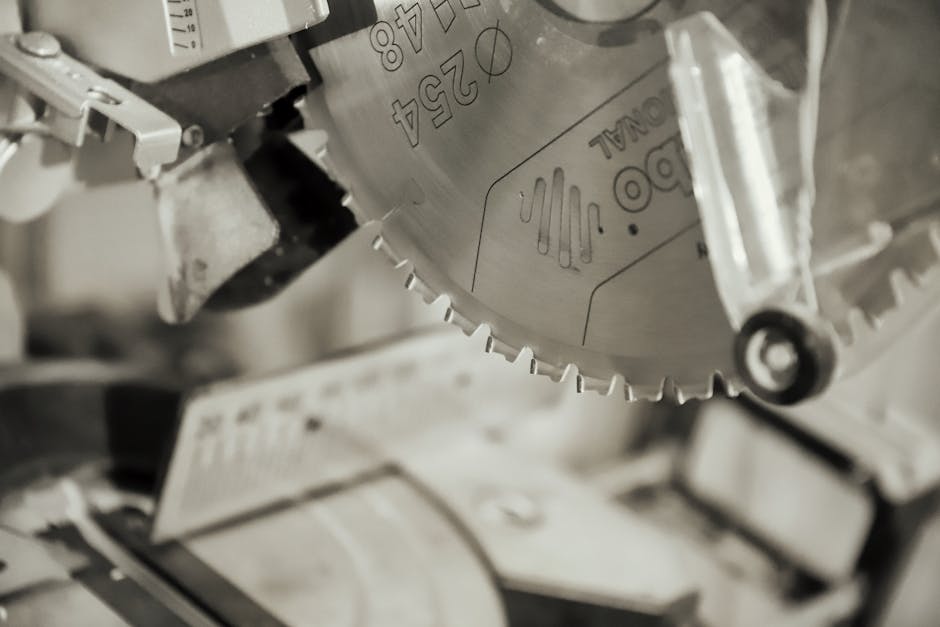
The hook angle is measured in degrees. The saw blade hook angle describes how aggressively the face of the teeth on the saw blade lean forward in relation to the plane of the saw blade. A positive 20-degree saw blade hook angle will bite into the wood with more force and saw through the wood with more power.
A 20-degree saw blade hook angle is appropriate for sawing framing studs into the wall. If a person uses a negative 5-degree hook on a circular saw blade, the saw will almost scrape against the wood instead of efficiently cutting it. While this might seem like a poor choice for saw blades, people often use negative hooks to cut metals, laminates, and other materials that will chip when the saw blade exits the material.
The hook angle is a parameter that will impact the feed pressure of the saw, but it is also a parameter that will impact the forces that lift or push the wood along the saw table. This is one of the reasons that experienced saw users may need to adjust there stance or the way they hold their saw down with their workpiece when they replace the saw blades.
5. Grind
The grind of the saw blades will impact the way that the saw blade exits the wood.
Triple-chip grind saw teeth will have both a flat chisel edge and bevelled corners, allowing the saw blade to both chop at the wood and also to shear the wood fibers, leaving nearly polished edges on melamine and laminated plywood. Standard alternate top bevel saw blades will do the job required for common construction tasks, which is why most carpenters will not own any other kind of saw blades with different grind configurations. While the difference between standard and triple-chip grind teeth may be subtle, there is a difference.
Triple-chip grind saw blades will maintain their sharpness when used in abrasive materials, but they may feel grabby when cutting softwoods. When a person owns both types of saw blades, they will reach for each depending on the type of task that they must perform. The coatings on saw blades are used to separate weekend warriors from professionals who will use their saw blades until the teeth are nearly entirely gone.
Saw blades that leave the factory will have a thin layer of titanium nitride or some similar treatment. This coating will reduce the amount of pitch that builds up on the saw teeth, it will make it easier for the saw blade to push forward into the workpiece, and it will shed the heat that builds up during the cutting process. If a person watches an uncoated saw blade after it has cut thirty feet of melamine, the saw blade will have brown resin on the teeth.
A coated saw blade will still look clean because the pitch will not have a chance to stick to the coating. The extra cost of a saw blade with a coating will pay for itself due to the reduced number of times that the saw must be cleaned, and the longer time between sharpenings.
6. Gullet
The size of the gullet on a saw blade deserves more attention than it usually receives.
The gullet refers to the space between the saw teeth. Large gullets on rip saw blades will help to fling chunky sawdust away from the saw blade. Small gullets will help with crosscut saw blades to ensure that fine sawdust does not clog the saw.
A saw blade with tiny teeth and large gullet is a specialty tool that will work best with thick hardwoods.
7. Shoulder
The shoulder of the saw blade is the feature behind each tooth of the saw blade. It is also referred to as the relief or the face of the saw blade.
A tall saw blade shoulder can cause the saw blade to rub against the workpiece. On the other side of the coin, if the saw blade shoulder is too short, the carbide teeth will snap off the saw blade. Good saw blades are engineered so that the carbide teeth do the work and do not require the steel saw blade to interact with the workpiece.
A person will only notice the saw blade shoulder when sending a cheap, import saw blade to a piece of oak, and the teeth will snap off one by one. This is due to the saw blade shoulder not being engineered to endure the load of a saw blade cutting a hardwood. Finally, the kerf of the saw blade is the width of the cut that the saw blade will leave behind in the workpiece.
Full kerf saw blades will be around one-eighth of an inch in width. Thin kerf saw blades will be three-thirty-seconds of an inch in width. Thin kerf saw blades will save on the amount of wood that is cut and the power required to spin the saw blade.
However, thin kerf saw blades will flex in the workpiece, which means they will require the saw to have tighter tolerances and for the person cutting the wood to have more control over the saw blade. Many job site saws are thin kerf saw blades because contractors care about the load that is placed on the motor. There is no better blade than the other, but each set of saw blades is designed for a particular saw, and each saw comes with particular blades that are the best suited for the saw.
When these saw blade parts are taken together, these parts will explain the difference between two saw blades that have the same specifications but behave differently when performing the same saw tasks. The next time a person is in a saw shop and comparing saw blades, a person can run their thumb along the teeth to check the grind and the thickness of the teeth. They can also sight down the saw blade to check for any flat spots on the saw blade plate.
Finally, they can check the hook angle of the saw blade, which is printed on the side of the saw blade. This few seconds will make a big difference in whether the days with the saw are frustrating or satisfying. A saw blade is only as good as the blade that the saw comes with, and now a person knows what that blade is and what they are trusting when they use it.
