
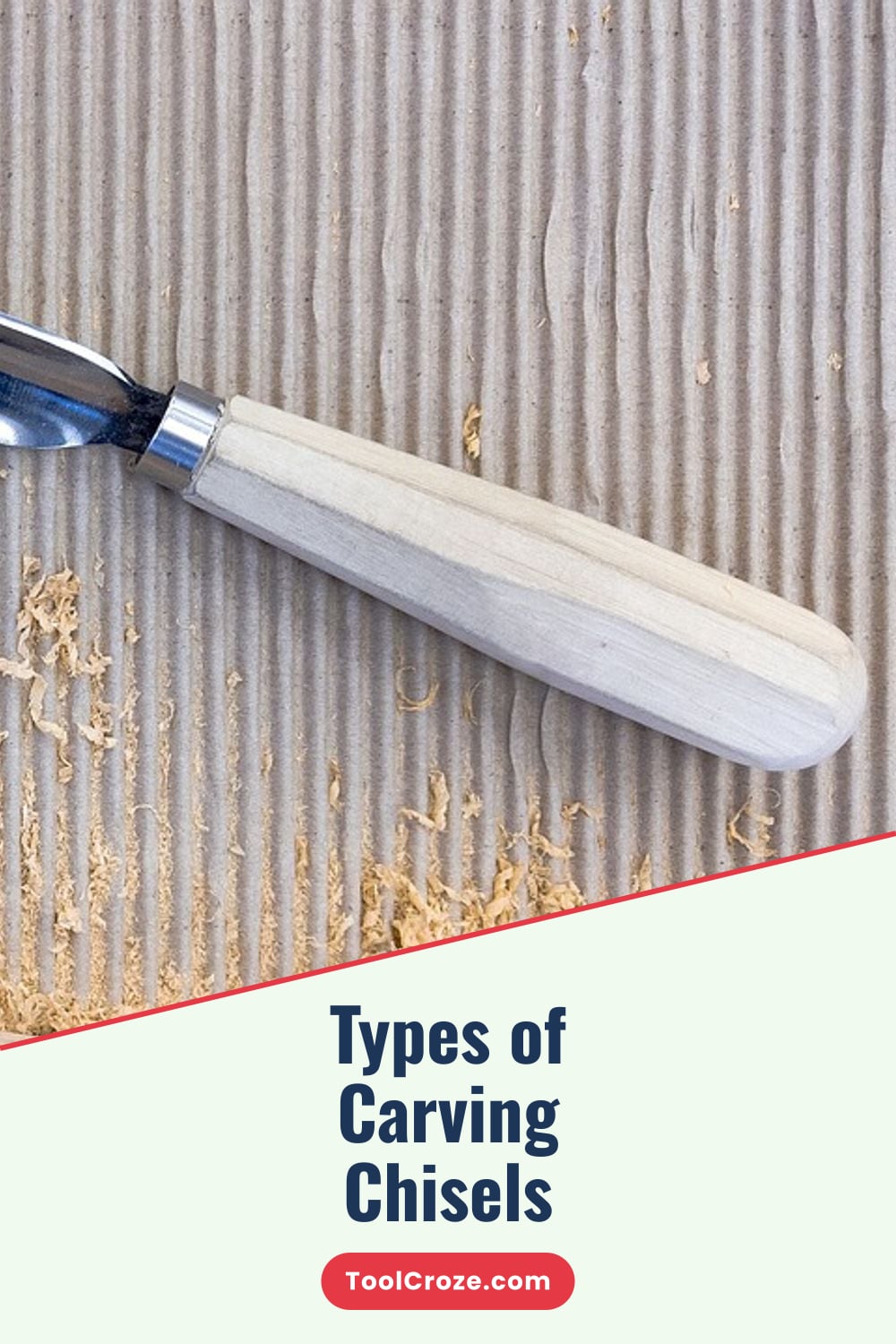
Carving wood by hand gives a satisfaction that no power tool can deliver. When you carve wood by hand, the blade meets the wood and removes a ribbon of it; the shape begins to emerge. However, if the chisel you use isnt of the correct form for that specific job, you will not derive that same satisfaction from the experience.
Each of the different types of chisels have different characteristics that allow them to remove wood in certain ways, and they have certain limits to their capabilities. If you understand each of the chisel families, you will find that you can avoid much of the frustration of tool selection before you ever pick up a mallet. Each person who engages in the craft of carving will eventually accumulate a set of carving tools that perform different functions.
For example, the carvers hand is meant to push some carving tools, but other tools are meant to be tapped with a mallet. Each of these tools has a specific use, but each of them also has limitations to the way in which they can be used. Moreover, there are a few tricks to using each of these chisel types well.
Essential Types of Wood Carving Chisels
1. Straight Chisels
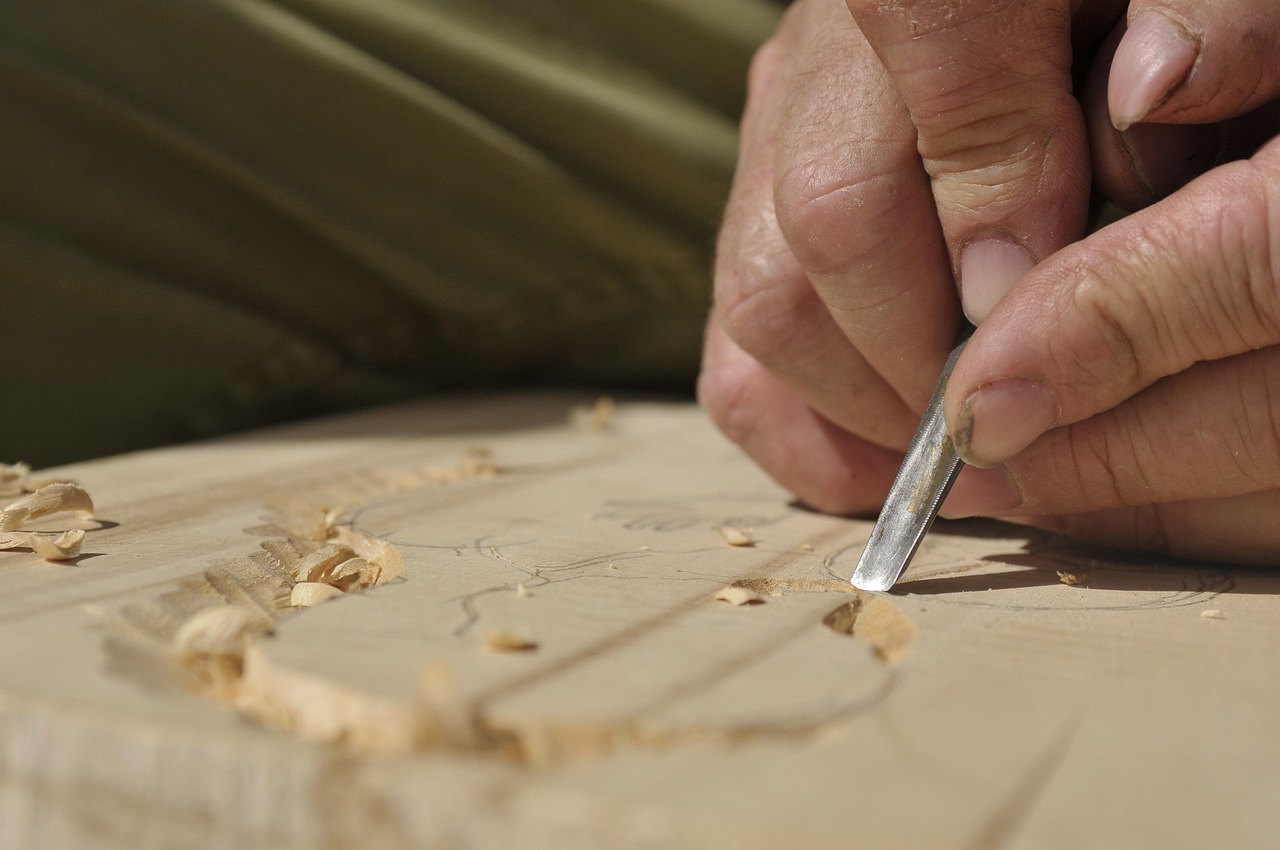
Straight chisels are the most basic carving tools. A straight chisel has a flat cutting edge that is set at a right angle to the sides of the tool, and the tool is usually four to ten millimeters in width. You can grip straight chisels in the same way that a pencil may be gripped, or you can hold them firm in the hands.
Furthermore, the straight side of the tool allows it to be set against a straightedge or another carved surface to define a flat area within the carved object. People who begin to learn to carve wood with chisels often use the straight chisel because it is relatively easy to sharpen. However, straight chisels can dig into the corners of areas that are concave in shape, which can lead to the formation of unwanted facets on the carved object.
2. Skew Chisels
Skew chisels have a cutting edge that is sliced at an angle, typically between thirty and forty-five degrees from the centerline of the tool. This angled edge allows the skew chisel to avoid digging into the corners of concave areas. For example, people use skew chisels to remove wood from the inside corners of letters, the folds of clothing in relief art sculptures, or the undercuts of portraits.
Because the edge of the tool shears the wood rather than chopping at it, it is thought that skew chisels are better at cutting end grain than straight chisels. Thus, carving with both a skew chisel that is angled to the left and one that is angled to the right allows a carver to avoid the limitations of the direction of the grain within the wood. The angled edge of a skew chisel is more difficult to sharpen than the flat edge of a straight chisel.
However, the time spent sharpening a skew chisel will be repaid the first time that it saves the carver from ruining a carved detail.
3. Gouges
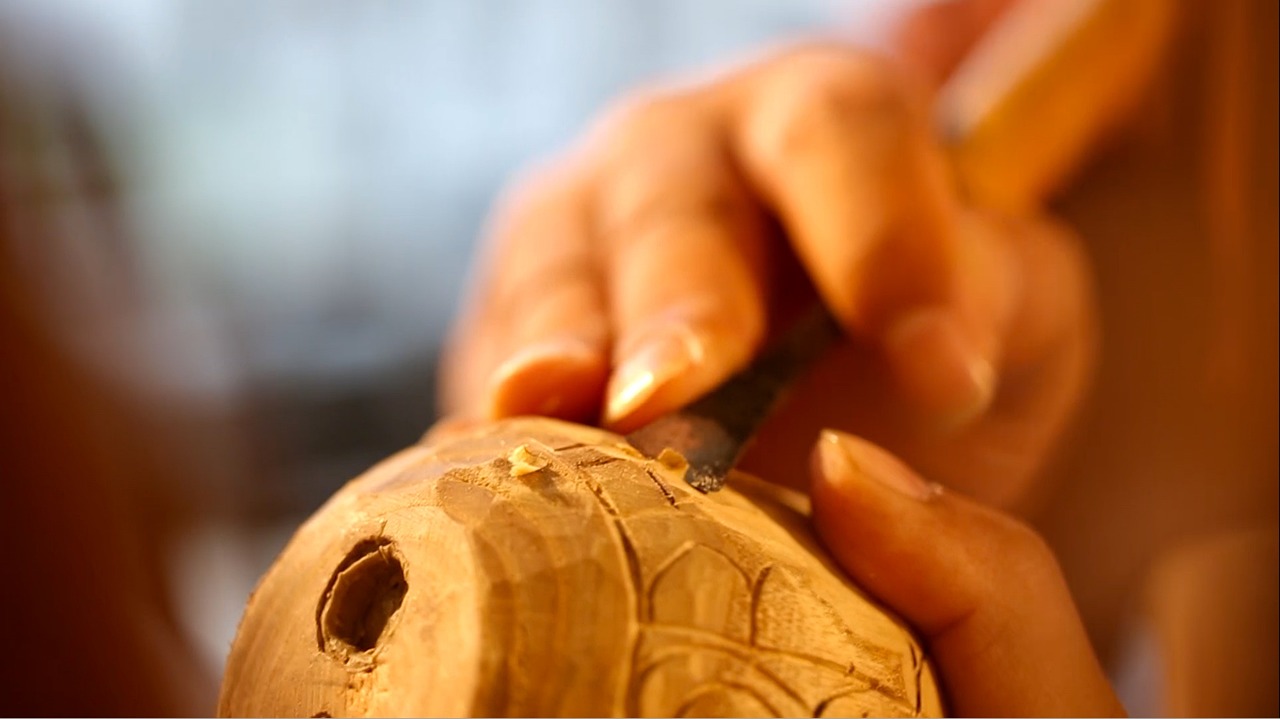
Gouces are used on most carving benches to carve woodsculptures that contain curves. A gouge has a cutting edge that is forged into the shape of a U or C. Gouces come in a variety of widths, but the depth to which they arc into the wood is referred to as a “sweep.” For example, a number three gouge has a relatively flat arc, while a number seven and a number nine gouge have more deeply arched edges.
Furthermore, there are variations in gouces of different widths; a 20-millimeter number five gouge will feel differently in the hand than a 6-millimeter number five gouge. Thus, most wood carvers will begin with a set of three gouces of varying sweeps, and will expand their collection of gouces after gaining experience with the others. The benefit of gouces is that each tool has various uses; for example, each gouge can rough in wood, carve it to completion to a specific depth, or be used for finishing the object.
4. V-Tools (Parting Tools)
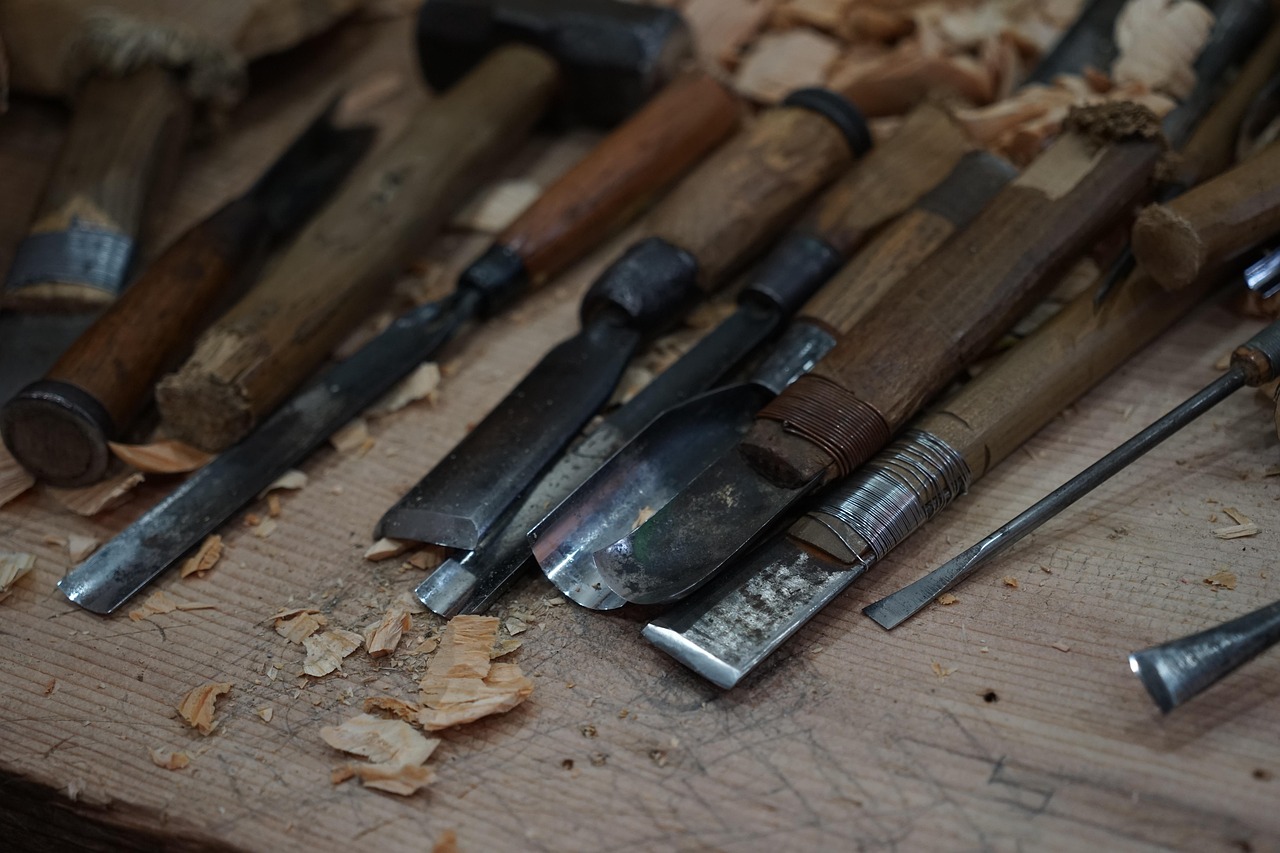
V-tools, also known as parting tools, have two straight cutting edges that meet at a point. The angle of that point is usually 45, 60, or 90 degrees. V-tools are used to carve a groove into the wood; they are especially useful in processes like chip carving, where they create the entire carving design.
For relief sculptures, V-tools allow for carving of borders that separate the elements of the relief sculpture. The trick with V-tools is learning to enter and exit the carving groove so that the wood does not splinter at the far end of the carved line. Instead, the carver usually eases off the pressure applied to the tool as they approach the end of the line, and may even make a small stop cut across the grain of the wood prior to beginning the line of carved wood.
When mastered, V-tools are some of the fastest tools available to wood carvers.
5. Spoon Gouges
Spoon gouges, also called bowl gouges, are tools that are used to carve concave surfaces; their shape allows the tool to form a hollow that resembles a spoon. Spoon gouges have a short neck that is sharply bent; this allows the tool to reach into a concave hollow without the handle of the spoon gouge touching the bowl that is being carved.
Moddern spoon gouges have a swept profile rather than a sharply bent neck; this allows for the same reach into a concave hollow with less effort in the forging of the tool. These tools are helpful for carving the concave sides of spoons, bowls, or the recessed eyes on a carved mask. Because the spoon gouge features a curved flute, its corners dont tend to dig into the wood when carving in odd angles.
The downside to spoon gouge tools is that they are more difficult to sharpen when sharpening with hand tools. Instead, spoon gouges may be sharpened with a slipstone, or a rotary hone may be purchased for sharpening these specific tools.
6. Back-Bent Gouges
Back-bent gouces feature the same appearance as ordinary gouces, but with a gentle reverse curve to the cutting edge near its tip.
This curved edge allows the bevel of the tool to remain on the wood while the cutting edge removes wood from a concave area. For example, back-bent gouges can be used to carve the underside of leaves, or the undersides of birds’ wings. While a back-bent gouge may not be required often in carving projects, it can be a tool that cannot be purchased without becoming a wood carver who creates projects that require that specific tool.
Thus, carvers will own only one or two back-bent gouges of medium sweep; the rest of the projects that they undertake will not require them.
7. Fishtail Chisels and Gouges
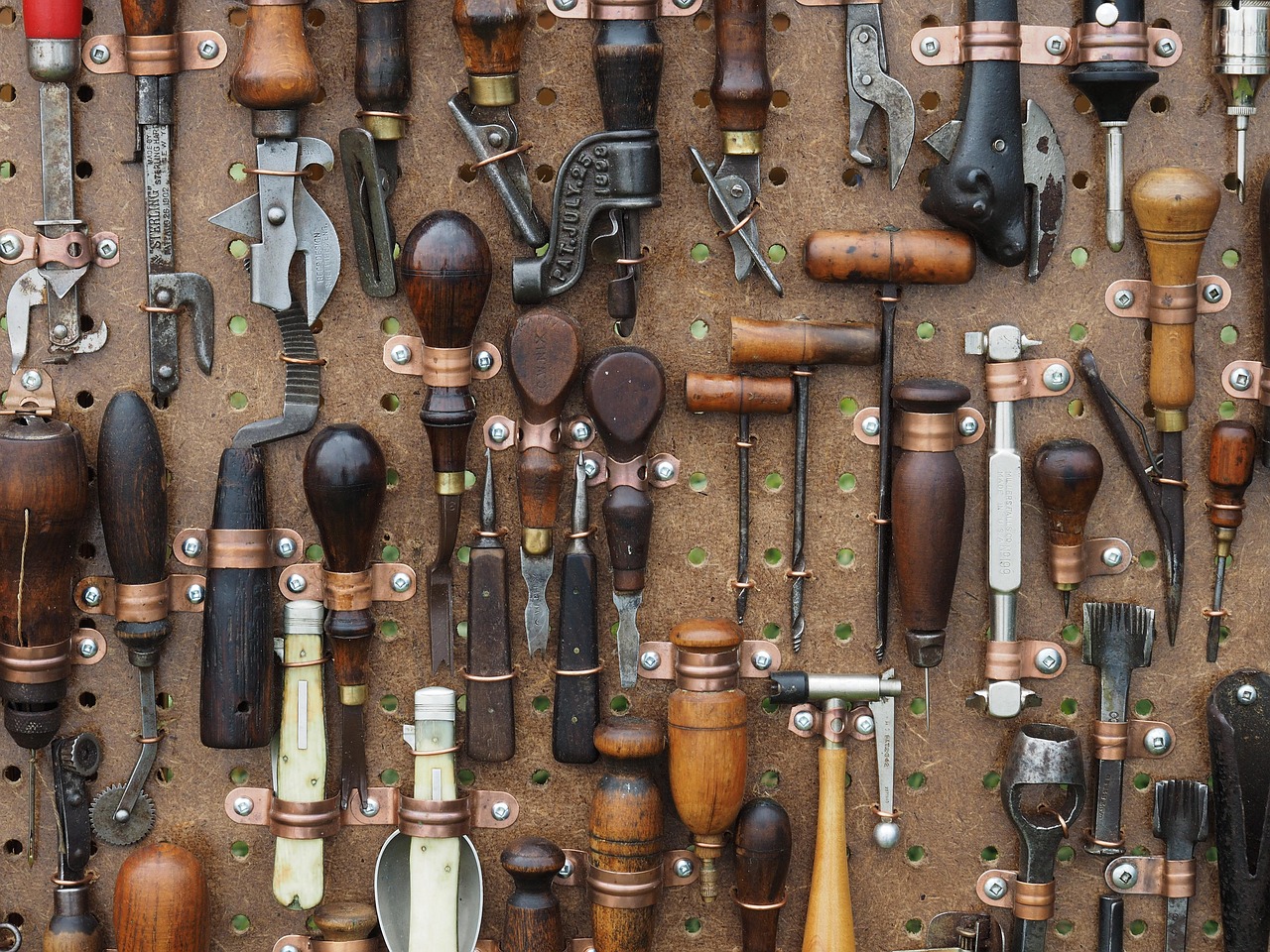
Fishtail chisels and fishtail gouces has a cutting edge and blade that feature a flare to the shape of the tail of a fish. The wide cutting edge allows for reach into tight areas in the carving object, while the narrow neck of the tool allows for the tool to be used in deep areas.
Furthermore, because the fishtail gouge has less weight at the end of the tool, such as compared to a straight chisel, it allows for better control in carving. The major downside to fishtail gouges and chisels is that they are more fragile; if dropped in any way, they can chip rather than dent.
8. Macaroni and Fluteroni Tools
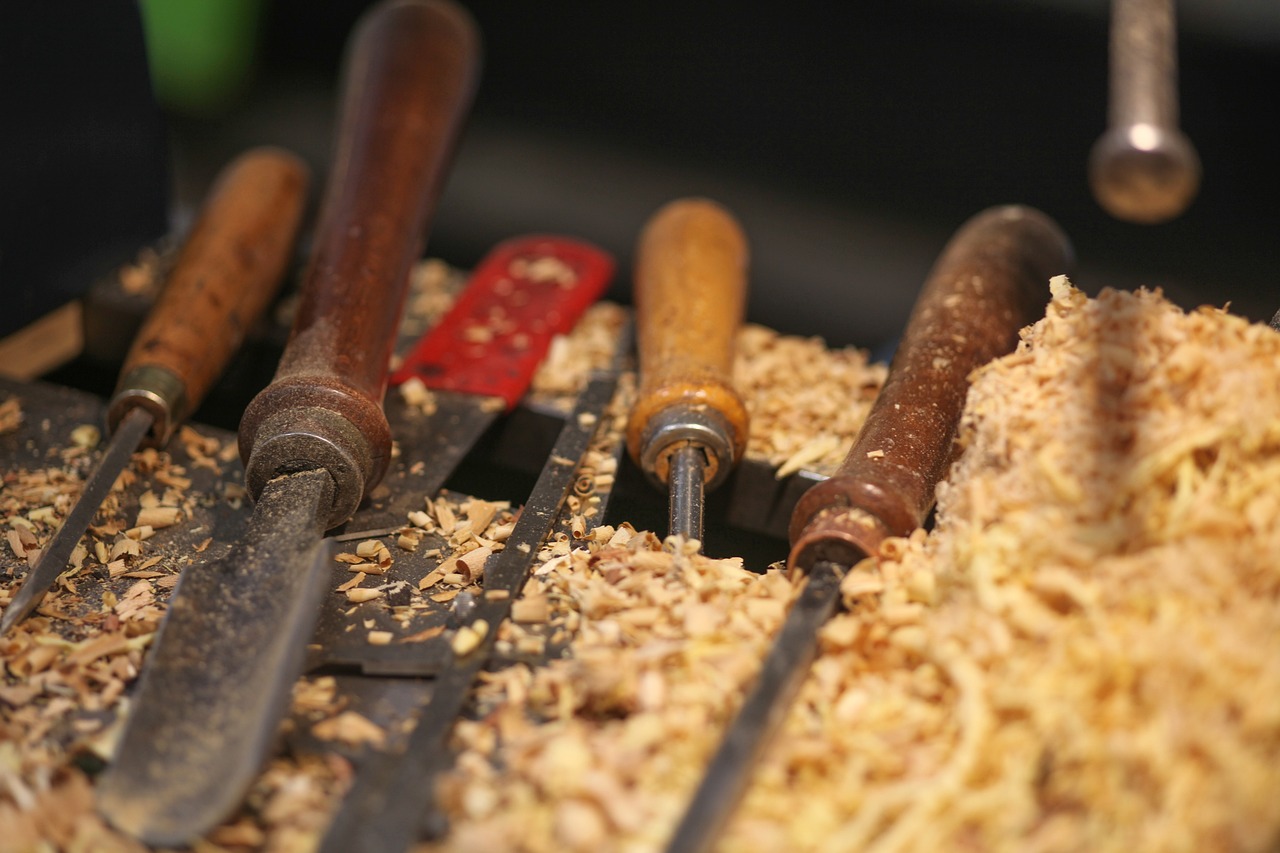
Macaroni tools and fluteroni tools may appear exotic to the individual wood carver, but both of them fulfill a need in the carving of intricate designs.
Macaroni tools have a flat bottom and vertical sides. Macaroni tools make a groove in the plank of wood that has a flat bottom and vertical sides. Fluteroni tools have the same shape as macaroni tools but with a slight curve to the bottom.
Both tools save the wood carver from the tear-out of the wood that happens if the tool attempts to make such a groove with gouge and chisel tools. Macaroni tools and fluteroni tools are the favorite tools of sign makers, who require such channels for their letters, and furniture makers who require moldings to their wooden furniture items. Because macaroni and fluteroni tools cut the bottom and the sides of the wood at the same time, they require well-tuned cutting edges and a steady hand; any nick will be reflected in the carved wood.
9. Veiners
Veiners are tools that are the narrowest members of the V-tool family. Veiners have a cutting line that is no more than two millimeters in width. Veiners are used to carve the lines that indicate the presence of hair or the veins in leaves or petals.
Because the width of the tool is so narrow, the fibers of the wood have little chance of splitting open during the carving; thus, veiners can carve across the grain of the wood. Furthermore, because the tool is so narrow, the carving of the wood may follow a line drawn with a piece of pencil. However, veiners have a tendency to become blocked with the wood that is removed by the tool; the tool must be stopped from time to time to remove the curl of the wood that is trapped within the tool.
Thus, veiners may be frustrating to first-time wood carvers but eventually become indispensable tools in the carver’s toolkit. The last type of carving tool that will be discussed in this article is the large rouging out chisel and the smaller tool known as scorps. Each of these tools is large with thick blades and handles that are meant to be used with a mallet.
10. Scorps
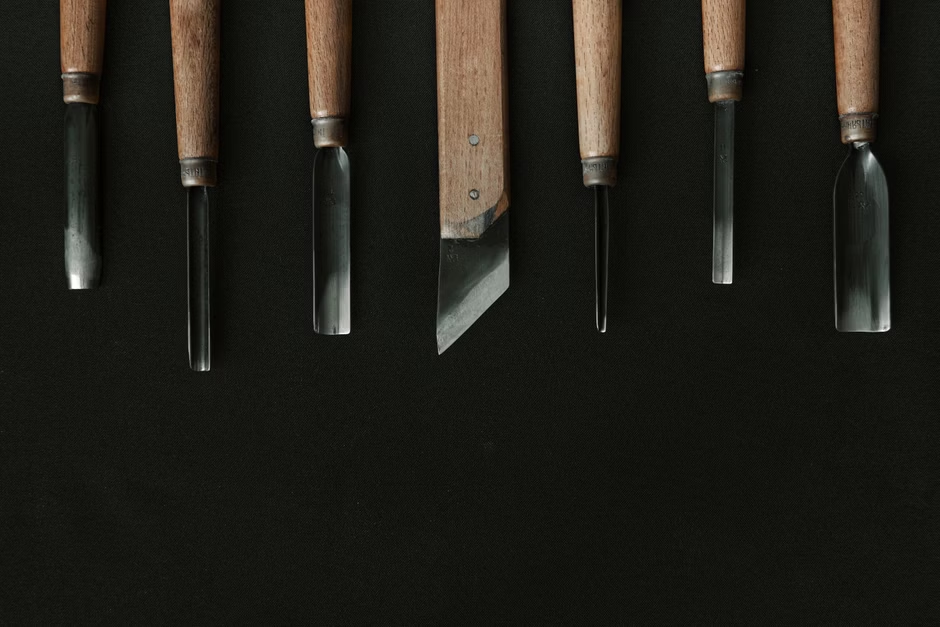
These tools are used to remove the bulk of the wood during the initial stages of carving an object. Scorps are large hooked gouges that are used to hollow out a large portion of an object; such as the seats of chairs or large bowls of wood. Because they are relatively crude looking, these tools leave a relatively flat surface to the carved object.
However, such tools are used for protection of the fine carving tools; any carving that is performed with a delicate gouge early on in the project will dull the tool quickly. Thus, by saving the delicate gouge for the final steps of carving an object, the gouge will retain its keen edge. When choosing between chisels, the projects that you plan to carve will determine which tools to select.
Relief carving requires the use of skews, V-tools, and gouges in the number 5 to 7 range. If you’re a spoon maker, then you will use spoon gouges and hook tools more often. Each of the successful carvers has a habit of always maintaining their chisel edges to be able to slice paper and possesses the patience to allow the proper tool to do the job that it was designed to do.
Once you get a feel for how the gouzes move through cherry wood or how the skew chisel nicks the corner of your carving project cleanly, you will not last five minutes with a nondesignated tool. Using the appropriate tools for your carving projects will allow your wood to cooperate with you, carve for longer without fatigue and complete more projects in your workshop. This relationship between wood carver, tools and projects will allow you to return to your workshop year after year.
