
Cordless tool have changed the way that people complete projects around the house, and they have changed the way that people complete projects on the job site. With cordless tools, you dont need to worry about dragging an extension cord across the yard, and the noise of a generator that power some corded tools does not have to fill the air around the jobsite. Furthermore, a single battery pack can power many different tools, allowing people to work anywhere that their job take them.
The technology of cordless tools has changed so much in the last decade that many professionals in demanding jobs have chosen to purchase battery-powered tools as their tool of choice, even for those large commercial jobs. The shift to cordless tools was made possible due to tool manufacturers’ discovery of how to pack more power into batteries that is smaller and lighter in weight, yet still provide the same length of runtime for those cordless devices. Tools that used to be considered toy tools have developed to offer the same power as corded tools, and many cordless tools offer better performance then their corded counterparts.
Not all cordless tools are made for all users, however. While some people purchase cordless tools to assist with occasional projects that may be performed on the weekends at home, other tools are bought for those that use tool daily and perform heavy work with them. Understanding the difference between these various cordless tools will allow individuals to purchase only those that they require, and to avoid the waste of money on tools that will sit on a shelf within the garage.
Furthermore, if an individual should decide to build a system of cordless tools based off a single platform for their batteries, then each additional tool that is purchased will be less expensive because those tools will come without a battery. There are many different tool that are available in cordless form, and each has certain features and benefits that allow it to best be used for specific tasks. Each individual will have to make a decision about which cordless tools to purchase for their home or workshop.
Essential Cordless Tools For Your Projects
1. Drills
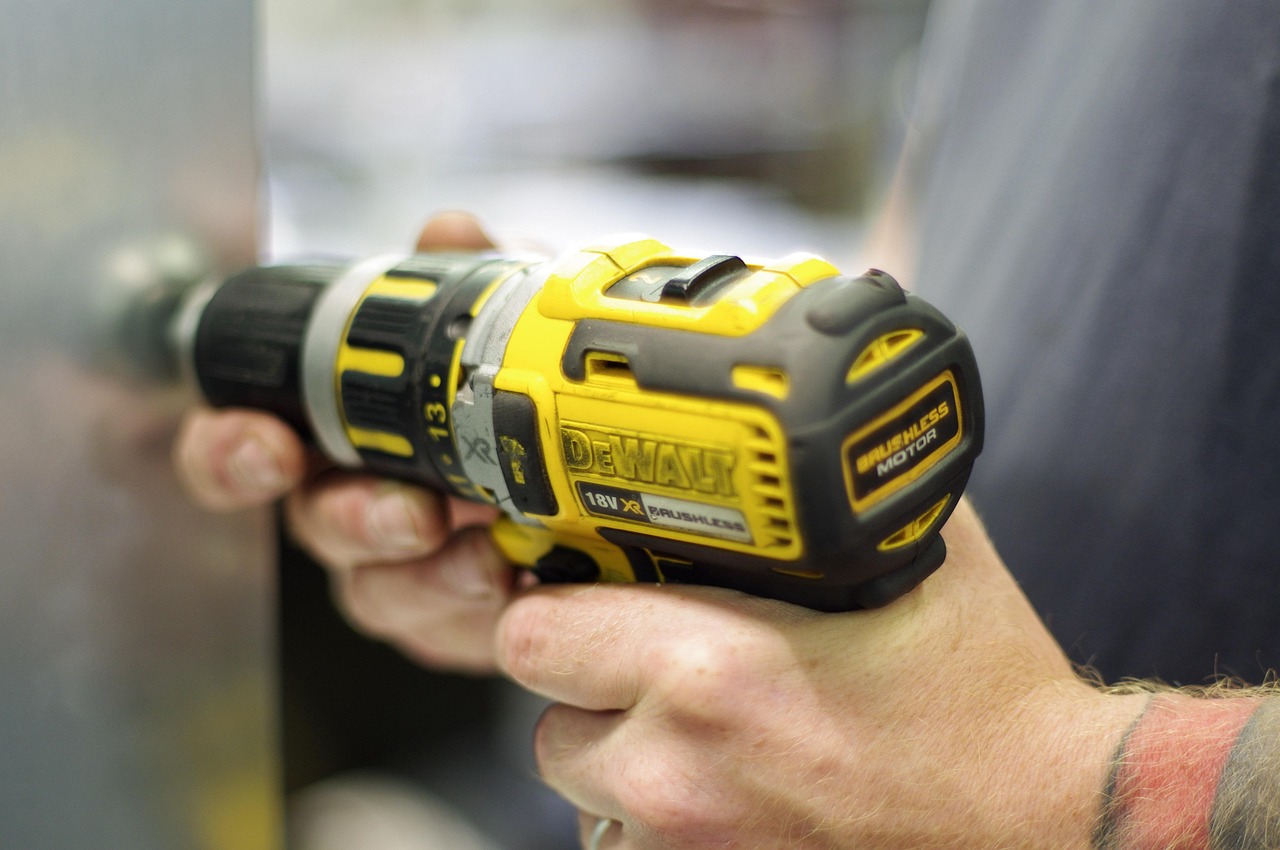
For instance, individuals should start with purchasing a drill, as this tool is likely to be used the most. Most drills will have two speeds, a clutch adjustment for delicate work, and a hammer mode that allows them to be used on masonry work. The other decision that an individual will have to make is the voltage that will be used for those tools.
An 18 volt platform is strong enough to handle framing or deck building jobs, as well as overhead electrical work. Tools with a 12 volt platform are considered to be lighter in weight and easy to slip into a tool belt. However, 12 volt tools will struggle when attempting to make large holes into hardwoods.
Homeowners often opt for purchasing cordless tools with an 18 volt platform because the batteries will run long enough to complete a morning’s work, and will recharge quickly. The trade off in purchasing an 18 volt tool is that they are heavier in weight and the weight is easily noticeable after a full day of work on a ladder. Another tool for purchase is an impact driver.
2. Impact Drivers
An impact driver is different than a drill because the impact driver tool use a hammering action to drive in the screws. Additionally, with an impact driver tool, it is possible to sink long lag bolts into pressure-treated lumber without straining the arm of the individual using the tool. An impact driver tool is helpful for tasks such as hanging drywall or other lumber for furniture kits.
An impact driver tool has more torque than a drill, and yet is small enough to take less strain on the body when working on scaffolding. However, the impact driver is too powerful for fine work, and may strip the heads of screws if used incorrectly. Therefore, smart individuals will own both an impact driver and drill tool, and will select between the two according to the type of screw that they are using.
3. Circular Saws
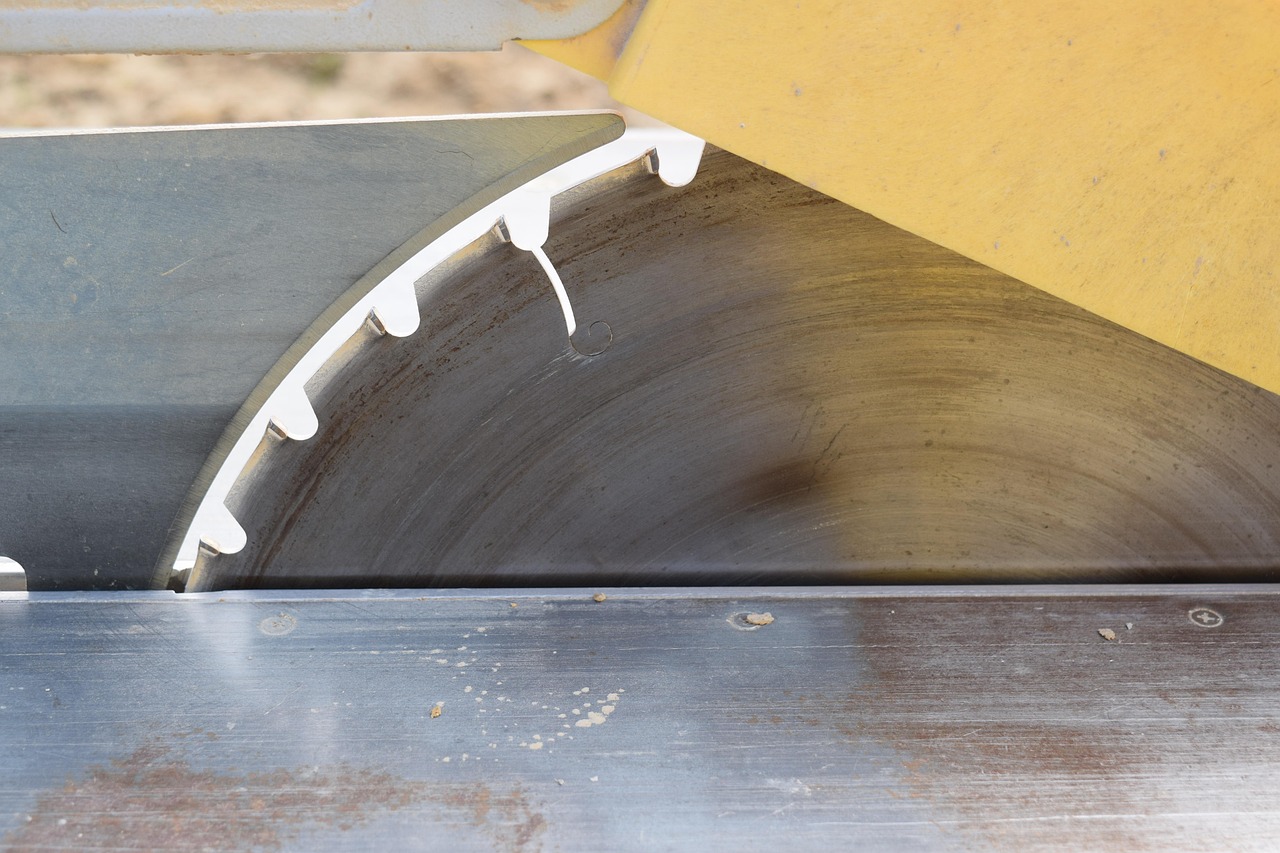
Other tools that can be purchased include circular saws. A circular saw with an 18 volt battery and a six and a half inch blade can cut 2x4s and sheets of plywood. Most models will include features such as rafter hooks to hang the saw from the joist when measuring lumber, and models will shed the sawdust that is produced during cutting with an accessory vacuum attachment.
The longevity of the battery for a circular saw is a concern for many individuals. An 18 volt saw will run for only about twenty crosscut before the battery needs to be replaced. This may be a problem for those that perform large jobs in flooring, however.
To overcome this problem, two or three battery pack can be purchased. The freedom from cords to a circular saw allows an individual to cut lumber on sawhorses in the driveway. However, the blade on a cordless circular saw will spin in the opposite direction from a corded saw.
Therefore, when cutting lumber, the cut line will be on the opposite side of the saw shoe from a corded saw. This detail will be immediately noted by every individual who purchases a circular saw. A reciprocating saw can be helpful for those that perform demolition work.
4. Reciprocating Saws
A cordless reciprocating saw will shake less than those that are corded. Furthermore, the individual will not trip over the cord to their saw. A reciprocating saw can cut through lumber that is nailed together, cast iron pipes, and even overgrown brush.
To operate the saws effectively, the individual must ensure that the stroke and speed of the saw are adjusted to the type of material that is to be cut. For instance, longer strokes can be used to cut through wood, while shorter and faster strokes can be used for metal materials. Additionally, many reciprocating saws will have variable speed triggers so that the saw can be initiated into the middle of a cutting board.
Because reciprocating saws use a lot of power, the battery will become nearly depleted in a short span of time. To avoid having to walk to find a battery, an individual should always carry spare batteries. Furthermore, the saw will be loud, aggressive in its operation, and creates sawdust.
Yet, it can accomplish what two individuals would normally be able to perform with corded saws. Random orbit sanders have improved in the cordless world. Many of these sanders are capable of removing material at a rapid rate from a project, and leave the project free of swirl marks that may appear when using sanders with a spinning motion only.
5. Random Orbit Sanders
The secret for these sanders is that they have both a spinning and oscillating motion with their sanding pads. This prevents the tools from creating visible scratches on the project. Random orbit sanders will have hook and loop pads to allow for easy changes of grit sandpaper, and will have inbuilt bins for the collected sanding dust.
Many of these tools are perfect for completing tasks such as refinishing of furniture, drywall, or even decks. Additionally, their lack of cord allow an individual to walk around the project they are performing work on. Many random orbit sanders will use brushless motors that allow them to have a respectable runtime, even when removing material aggressively from a project.
The only exception is that the largest models of these sanders will still require corded power from the workshop shops that utilize these tools the most. Angle grinders are one of the serious tool categories for cordless power tools. An 18 volt angle grinder will have a five inch grinding wheel that allows it to perform tasks such as cutting rebar, grinding weld points, or removing rust from metal objects.
6. Angle Grinders
Additionally, many angle grinders will include features such as tool-free disc changes and safety switches to prevent the tool from unintentionally starting. However, because angle grinders use a significant amount of power from the battery, they will drain the battery at a faster rate than any other tool. Therefore, many individuals will purchase an angle grinder and have a dedicated battery pack for this tool.
Additionally, safety is an essential component when using an angle grinder. The grinding wheel spins at high speeds, and it is possible for the tool to either grab the project or for the project to kick back against the individual. When using the tool, both hands should be on the tool, eye protection should be worn, and the safety guard should never be removed from the tool.
However, the ability of these tools to work around scaffolding or within a tight workspace without having to contend with a cord is worth the consumption of the batteries from these tools. Angle grinders are the standard tool for metal fabricators to use when moving between workspaces throughout the day. Finally, another component to consider within the purchase of cordless tools is the batteries themselves.
The batteries will last for years with proper care, but should be avoided from extreme heat and complete discharge of the batteries. Additionally, many tools recommend that the batteries are charged to 100% when they are to be stored, yet that the batteries are stored at 50% charge. Most cordless tools will have indicators on the batteries to show the amount of charge left in the battery, as well as bluetooth trackers to avoid having to search for the proper battery when under a time constraint for the project.
Furthermore, individuals will discover that the single tool ecosystem can perform 90% of the work that they require. Therefore, an individual only has to purchase a battery with a voltage that matches the work that they perform the most, purchase at least two batteries and a rapid charger for those batteries, and purchase additional tools as their project demands. Therefore, while the cost of cordless tools may appear high at first, the cost is lower once the individual has to purchase fewer tools, completes their projects in less time, and avoids frustration in relation to their tools.
These benefits are the reason that people will continue to keep their batteries charged on the workbench. Because their tools will be ready for them when they are ready to work.
